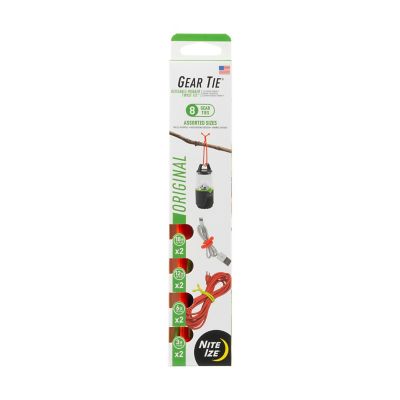
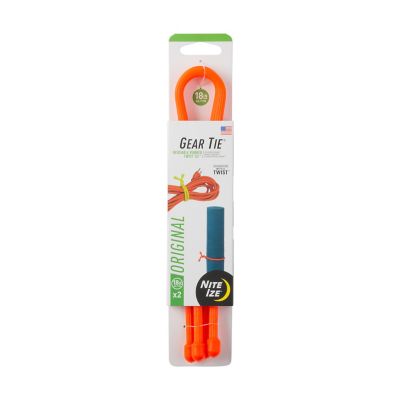
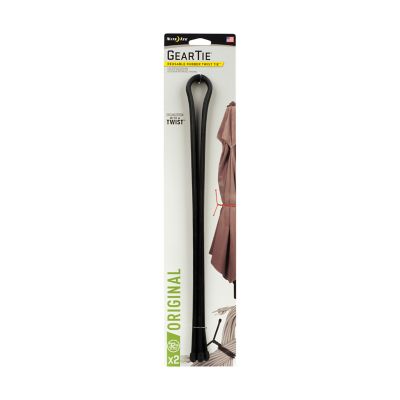
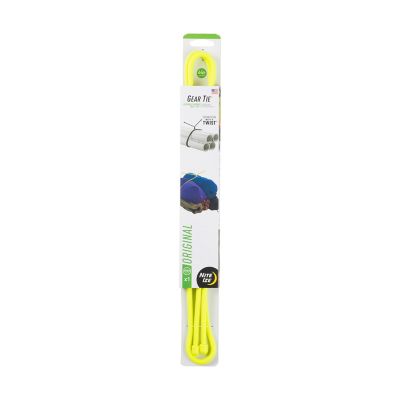
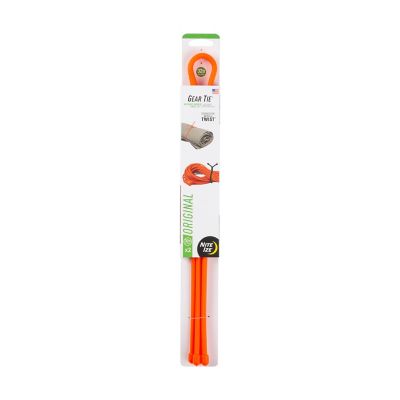
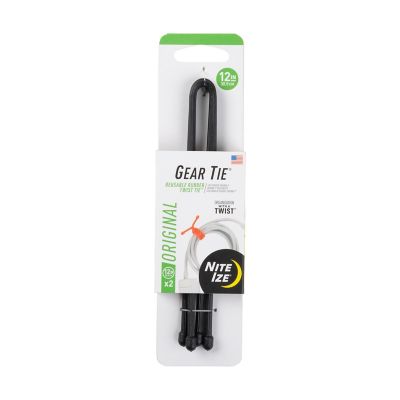
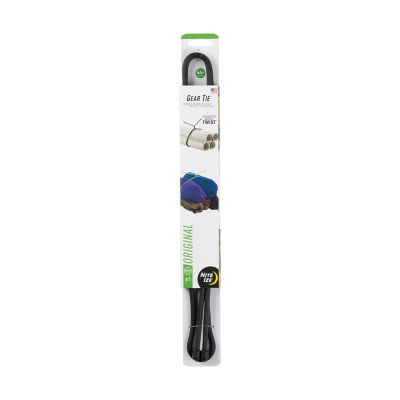
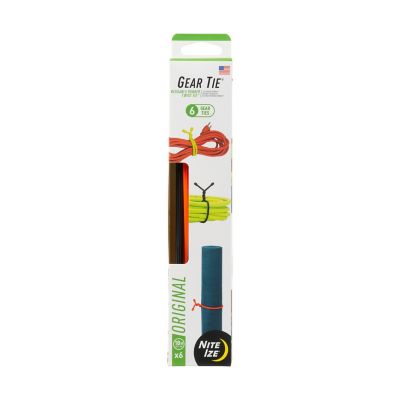
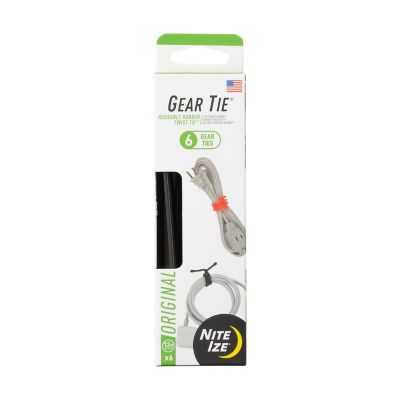
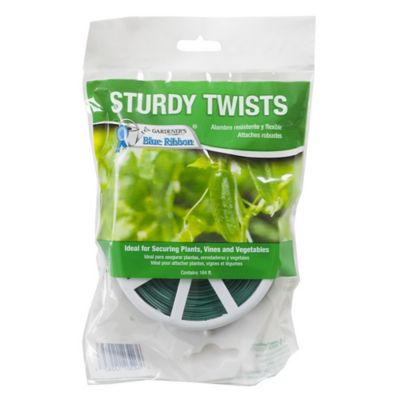
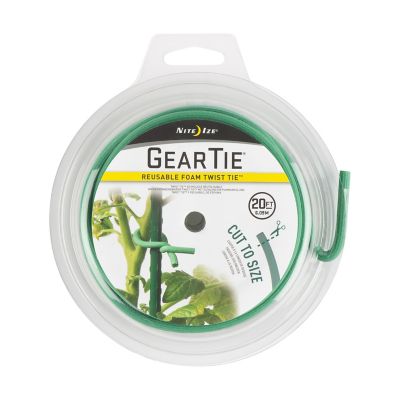
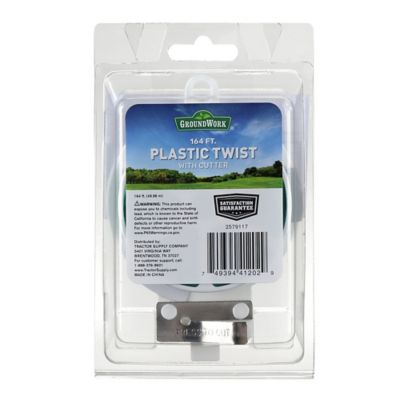
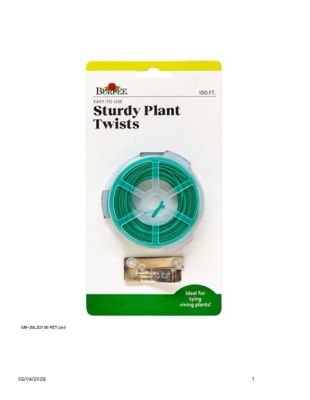
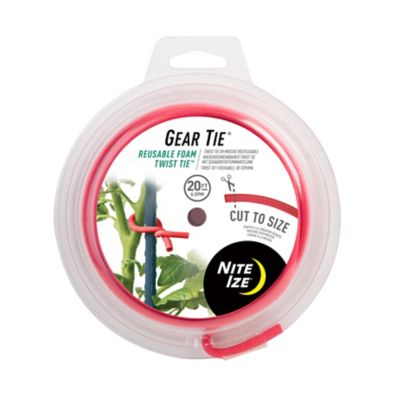
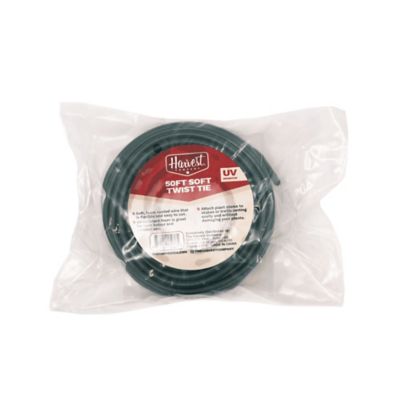
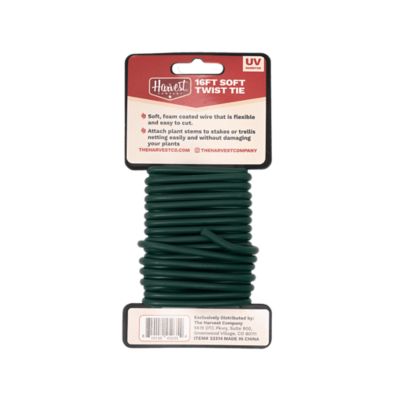
Twist ties are flexible fasteners with a bendable wire core and an outer covering of paper, plastic, or rubber. A few turns hold the ends together, making them handy for closing bags, gathering small bundles, and keeping loose lengths of cord from spreading across a shelf. Unlike a permanent fastener, a twist tie can usually be opened by unwinding the ends, so it suits jobs that call for regular access. Around a farmhouse kitchen, that might mean closing a bread bag or keeping a package of dry goods neatly folded. Out in the shop, it might mean gathering a charging cable or holding a small bundle of lightweight parts together. The outer covering makes a difference in how the tie feels and performs. Paper-covered twist ties have a thin, flat profile that works well for simple bag closures and lightweight packaging kept away from moisture. Plastic-covered ties offer a smooth surface that can be wiped clean, with flexibility that suits everyday organizing tasks. Thicker rubber-coated styles generally provide more cushioning and grip, making them useful around coiled cords or objects with surfaces that need a gentler touch. Metallic finishes bring a little shine to gift bags and favor packaging without changing the basic twist-to-close action. Whatever the covering, the wire inside provides the shape-holding action; the outer layer helps keep that wire from rubbing directly against the contents or the person handling it. Coverage and flexibility matter more than appearance when the tie will be handled often. A smooth, fully covered tie is easier on fingers than one with an exposed wire end. For packages that hold food, the tie belongs around the outside of the bag, and packaging materials should be suited to that purpose. These small details help distinguish a simple bag closure from a tie better suited to repeated organizing jobs around the house, garage, or barn.
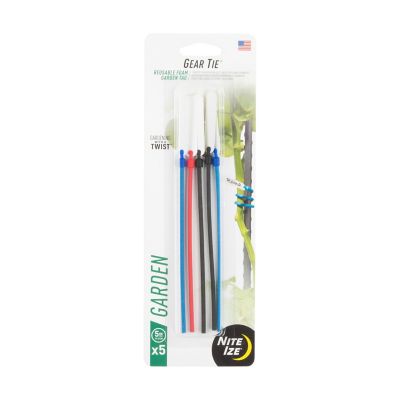
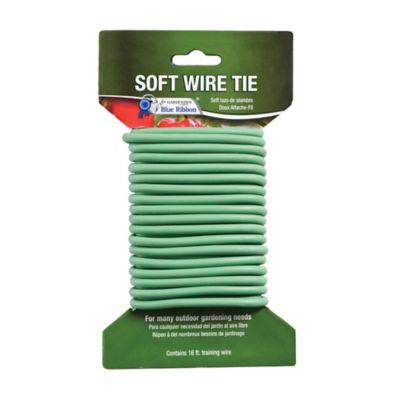
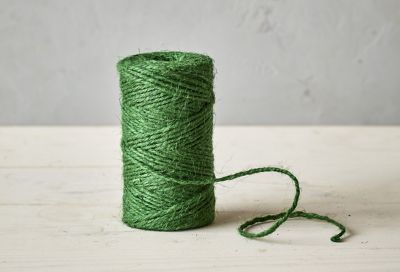
Length and thickness determine how comfortably a twist tie fits the task. A short tie can close a narrow bag neck without leaving long tails, while a longer tie has room to wrap around a thicker bundle and still leave enough at the ends for a secure twist. Overall length is not the same as usable fastening space: part of the tie must go around the object, and part must remain available to twist together. Too little overlap makes the closure awkward to handle, while excessive length can leave ends sticking into nearby supplies. Thin wire ties suit lightweight closures; thicker, cushioned styles are a better match for larger cord loops and repeated bending, within the limits stated for the tie. Precut lengths keep routine tasks simple when the same size works across several bags or bundles. Continuous rolls allow lengths to match different jobs, though cut ends need attention so exposed wire does not scratch hands or nearby surfaces. Color can help separate similar-looking bundles on a shelf or distinguish one cord from another at a glance. In a work area, a loosely coiled cable held with a twist tie takes up less room than a tangled pile and is easier to lift out when needed. The tie should hold the coil without sharply bending the cable or squeezing its outer covering. Twist ties are organizers, not a repair for damaged wiring, and a cord should be arranged as its manufacturer directs before equipment operates. Garden applications call for a different kind of fit. A soft, broad covering and a loose loop can help support a stem against a stake without pinching it. Living stems need room to expand, so ties around plants need regular attention rather than a tight, set-and-forget fastening. Narrow wire ties are a poor match for tender growth when the wire or edges could press into the stem. Matching the tie to the surface and the amount of handling helps keep a small organizing job from becoming a nuisance later.
For households, gardeners, and folks who spend time at a workbench, twist ties earn their place through all the little jobs that do not need a permanent connection. They can keep an opened bag folded shut, gather loose lengths of twine, or corral a cable before it goes into a drawer. A tie that opens easily is especially helpful when the contents need to come out often, whether that is a spool in a craft area or a small coil of cord on a garage shelf. For a more fixed bundle,
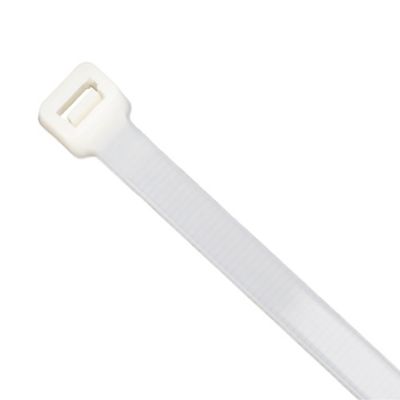
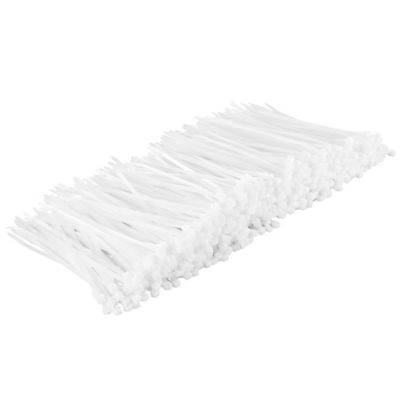
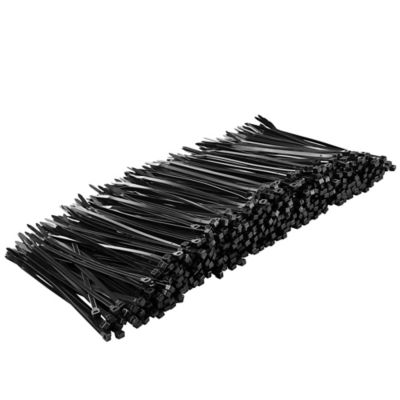
Self Locking Cable Ties offer a different fastening method: a strap feeds through a locking head rather than holding through twisted wire. Standard locking styles may need to be cut for removal, while twist ties generally allow the closure to be opened and formed again. Neither style should be assumed suitable for lifting, towing, restraining animals, or securing a load in transit; those jobs call for equipment rated for the task. With twist ties, service life depends on the covering, wire thickness, and how often the same spot is bent. Repeated sharp twists can fatigue the core, and torn coverings can leave rough edges or bare wire. A tie that feels stiff, develops a break, or no longer holds its shape belongs out of service. Plastic and rubber coverings can often be wiped with a damp cloth when the maker’s care directions allow it; paper coverings are better kept dry. Ties should be clean before they return to packaging, with any residue removed as appropriate for the material. Keeping spare ties together in a drawer divider or small container makes them easier to find and keeps loose wire ends away from other supplies. Lengths that suit the job, smooth coverings, and enough room to reopen the closure make twist ties a practical part of everyday organization, from the pantry shelf to the shop bench.