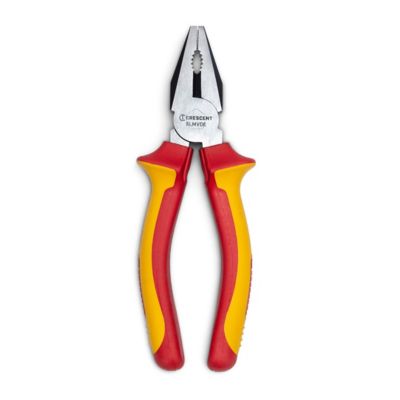
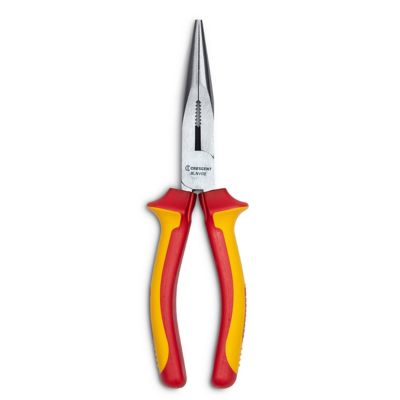
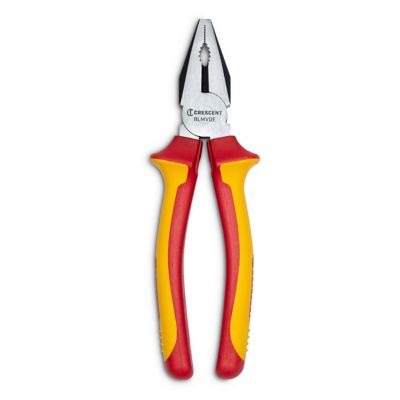
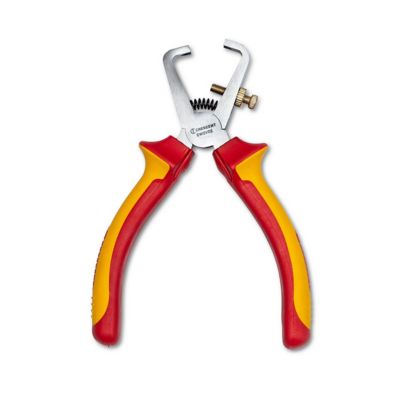
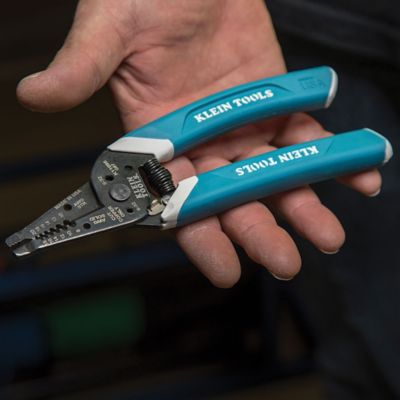
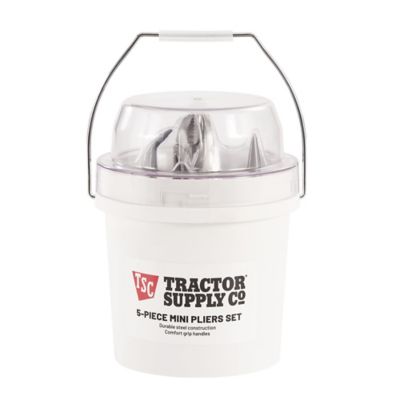
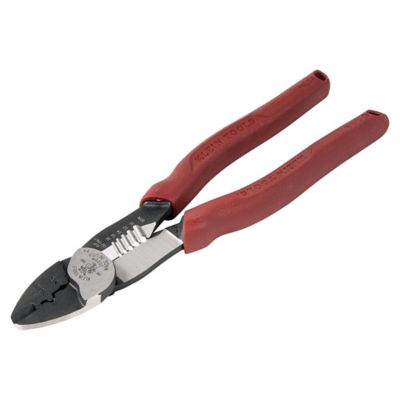
Pliers for wire are handy, hardworking tools for the shop, barn, garage, jobsite, and toolbox. Depending on the style, they can grip, cut, strip, twist, bend, loop, or crimp wire without taking up much room. Electricians use them when working with household wiring, low-voltage connections, and control panels. Farmers and ranchers keep them close for fence repairs, livestock panels, gates, and general maintenance around the property. Automotive and equipment owners reach for them when a wire needs to be routed through a tight space, held steady while a connection is made, or trimmed cleanly after a repair. They also come in handy for craft work, floral wire, hardware cloth, tie wire, and small mechanical jobs. When choosing pliers for wire, start with the kind and thickness of wire involved. Copper and aluminum electrical wire call for a different cutting approach than hardened steel, fencing wire, or safety wire. Fine wire benefits from narrow, tapered jaws that can reach into cramped spots and form neat bends, while thicker wire needs strong jaws and sturdy cutting edges. A solid pair should feel balanced in the hand, open and close smoothly, and have handles that provide a secure grip even when your hands are dusty or wearing light work gloves. A tool that fits the job helps prevent crushed wire, ragged cuts, sore hands, and unnecessary trips back to the toolbox.
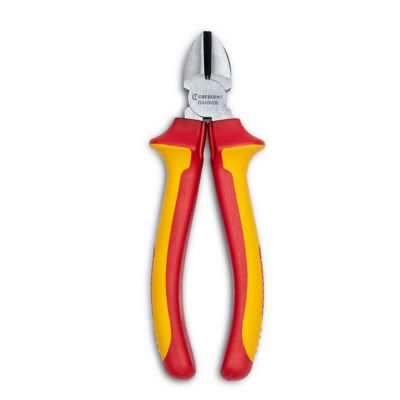
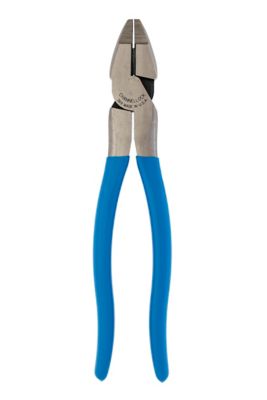
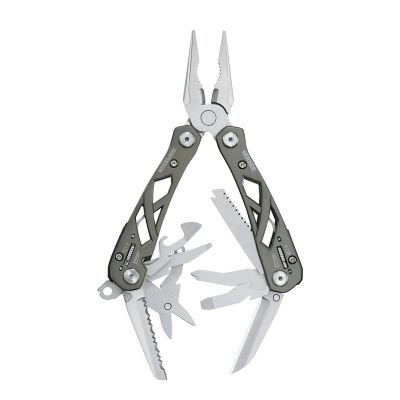
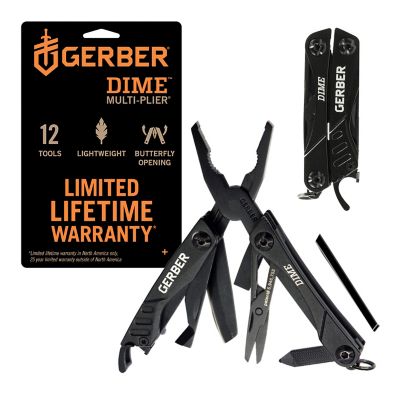
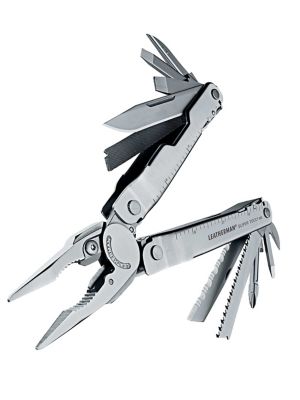
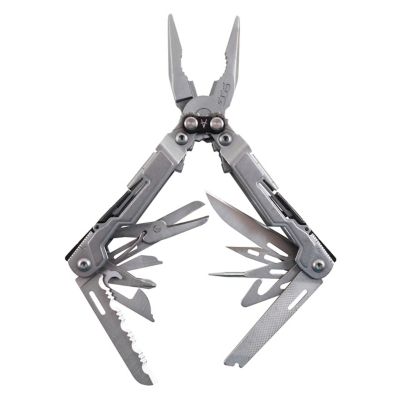
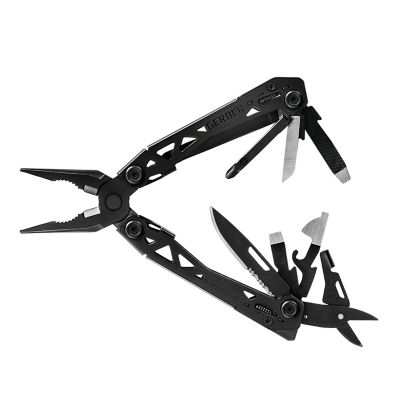
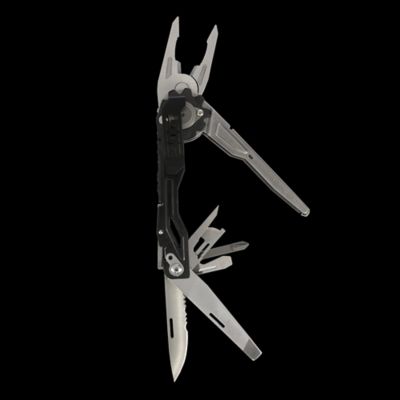
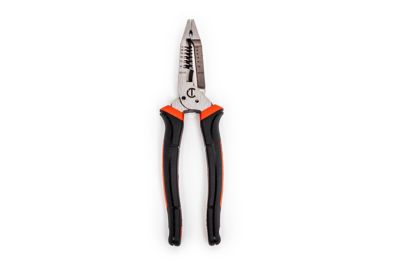
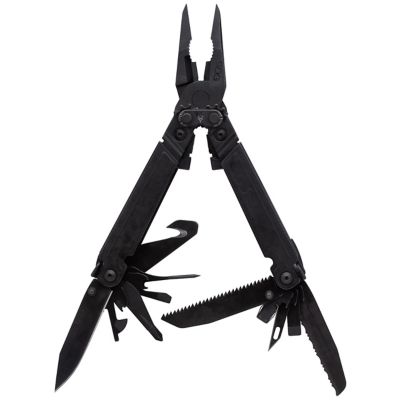
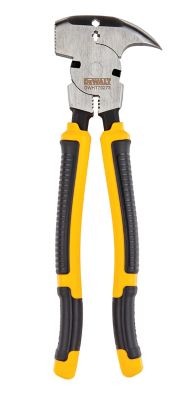
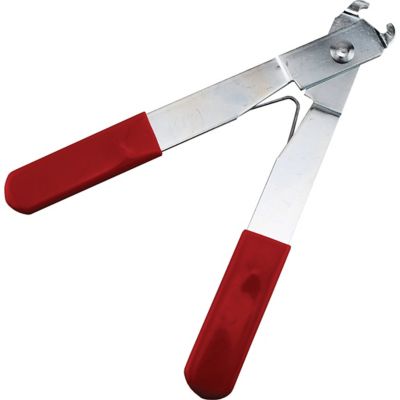
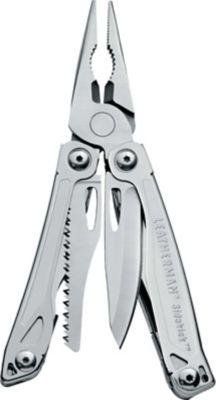
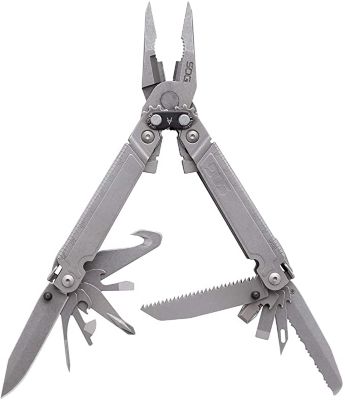
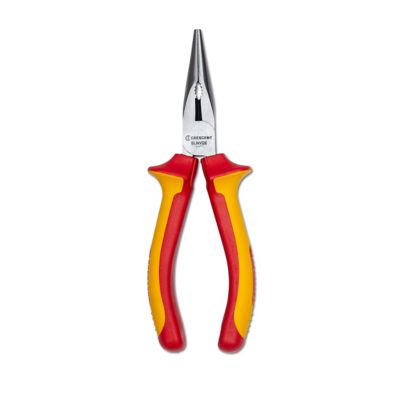
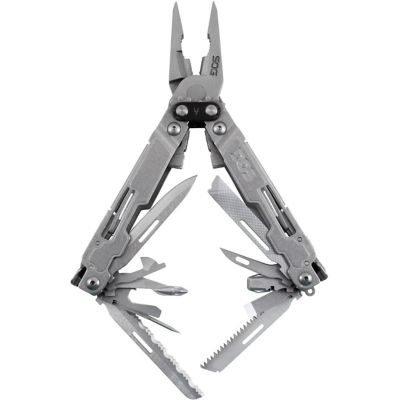
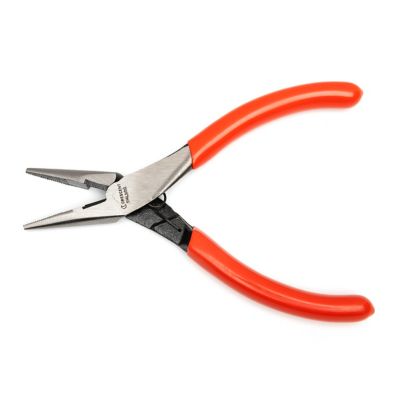
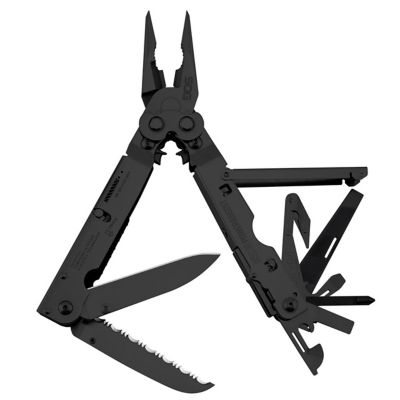
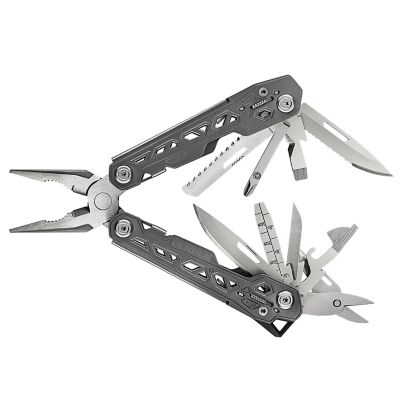
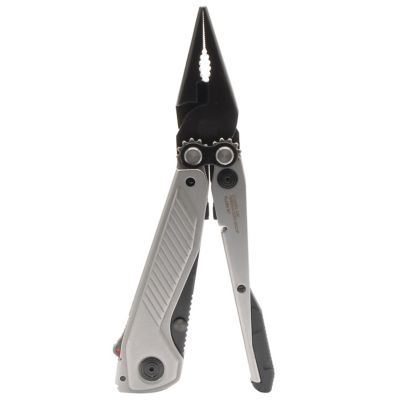
Different styles of wire pliers are suited to different kinds of work. Linesman pliers have broad, strong jaws for gripping, twisting, bending, and cutting heavier electrical wire and general-purpose wire. Their combination design makes them a dependable choice for everyday repairs when one tool needs to handle several steps. Diagonal cutting pliers, also called side cutters, have angled cutting edges made for snipping wire close to a surface. They are useful for trimming tie wire, zip ties, electrical leads, and other materials where a clean, close cut matters. Needle-nose pliers have long, tapered jaws for reaching into junction boxes, small engine compartments, fence hardware, and other tight spaces. They are especially useful for making loops, guiding fine wire, and holding small parts where larger jaws will not fit. Wire stripper pliers can remove insulation from electrical wire while helping cut, bend, and sometimes crimp terminals, which saves time when several tasks are part of the same repair. Some combination tools include built-in functions such as bolt cutting or terminal crimping, making them a practical pick for a compact tool kit. Safety wire twisting pliers are made for twisting safety wire around fasteners in automotive, equipment, and specialized mechanical applications; their locking jaws and twisting mechanism help create a consistent, tight wrap. For demanding jobs, look for hardened or induction-hardened cutting edges that hold up better against repeated use. When cutting steel or other tough wire, confirm that the tool is rated for that material rather than assuming every cutter is interchangeable. For heavier repair work around a homestead, a pair of
Heavy Duty Pliers may provide the extra leverage and jaw strength needed for stubborn wire and hardware.
A good purchase also comes down to comfort, access, and the amount of work the pliers will see. If the tool will spend long days in a hand, choose handles with textured, nonslip grips and a spring-return action that reduces strain during repetitive cutting or bending. Compact pliers are easy to carry in a pocket or small pouch, while longer handles can provide more leverage when working with larger wire. Keep insulated electrical work separate from general-purpose repairs: pliers with insulated handles may help protect against accidental contact, but they are not a substitute for shutting off power, testing a circuit, and following appropriate electrical safety practices. Cutting edges should be kept clean and lightly protected from moisture, especially when tools are stored in a barn, truck bed, or unheated shed. Wipe away dirt and residue after use, and do not use a precision cutter as a pry bar or hammer. For fencing and farm maintenance, wire pliers make it easier to twist a repair securely, trim sharp ends, and hold wire while fastening it to a post or panel. In the shop, they can help with starter wiring, trailer lights, battery connections, small engine repairs, and equipment accessories. During the warmer part of the year, they are useful for building and maintaining garden supports, poultry enclosures, trellises, and temporary barriers; during cooler months, they remain useful for indoor repairs, machine upkeep, and organizing the many cords and wires that collect around a workbench. Pliers for wire also make a practical gift for a new homeowner, apprentice, farmer, mechanic, hobbyist, or anyone putting together a first serious toolbox. The best choice is the one that matches the wire, offers a comfortable and dependable grip, and stands ready for the everyday fixes that keep a place running.