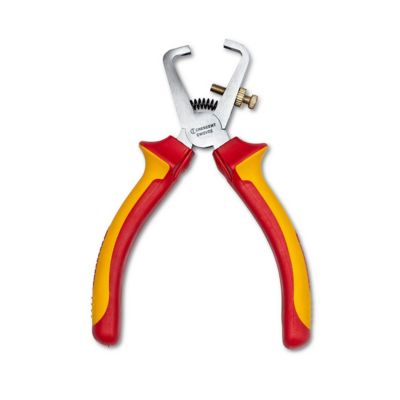
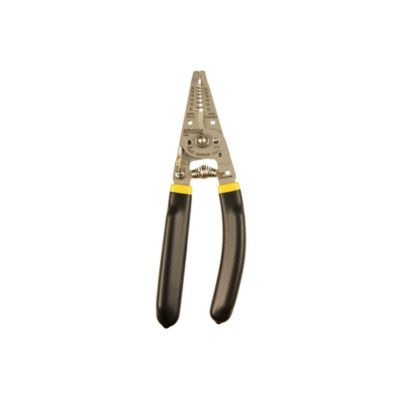
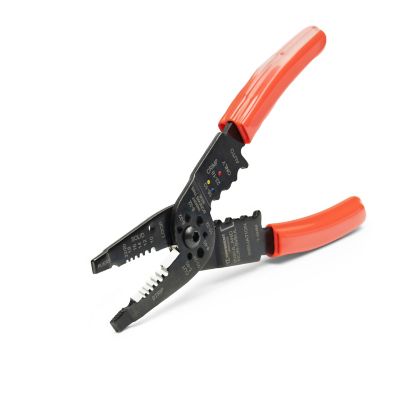
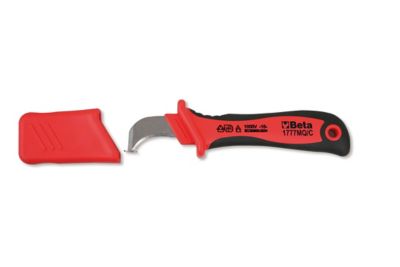
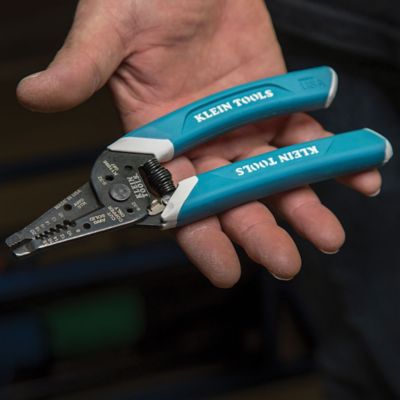
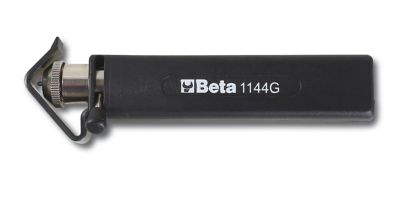
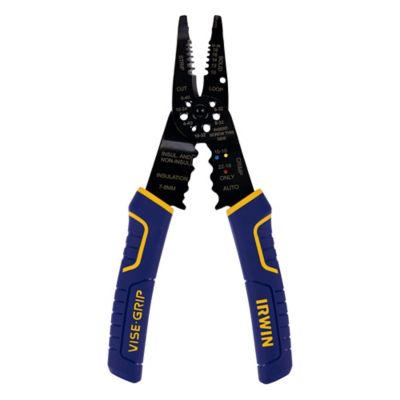
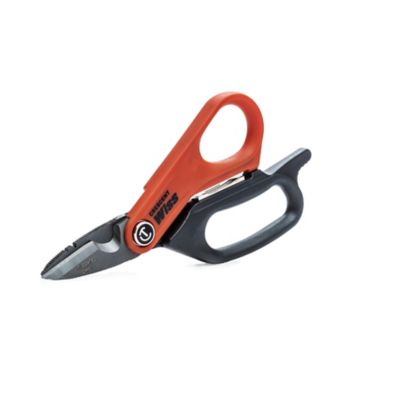
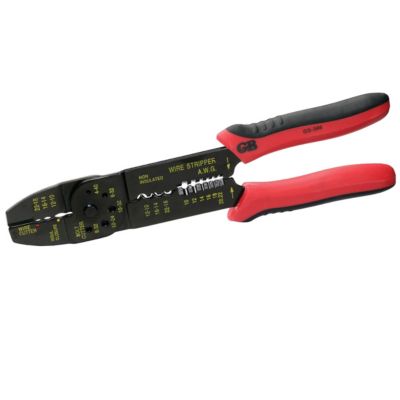
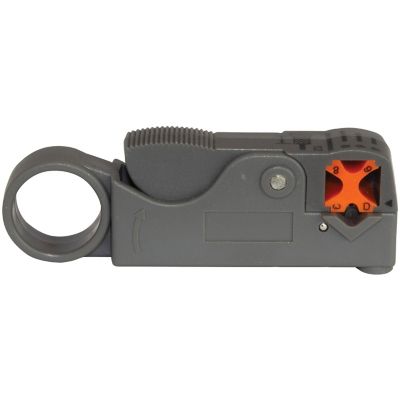
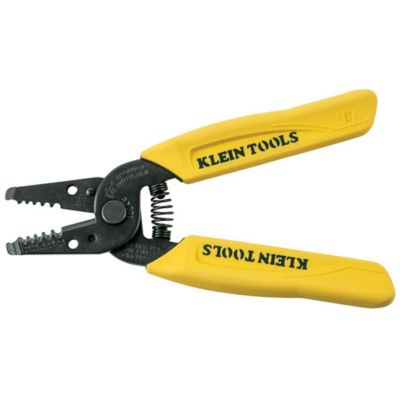
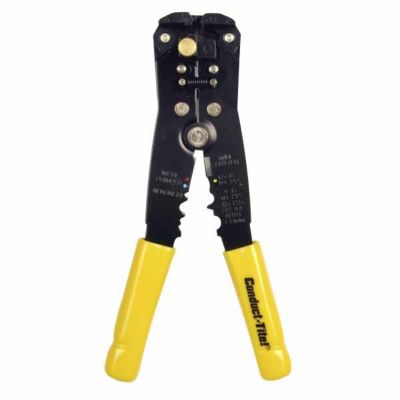
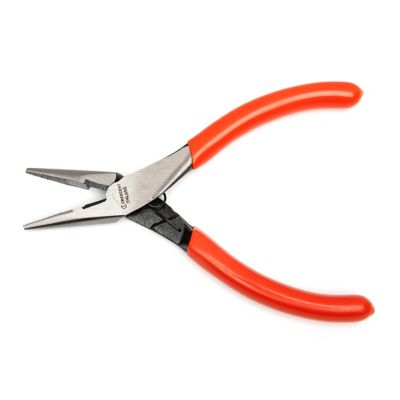
Wire strippers for electricians are tools that remove insulation from electrical wire while leaving the copper or aluminum conductor intact. That clean separation matters whether the job involves wiring a workshop, replacing a receptacle in a barn or preparing leads inside a control cabinet. A nicked conductor or a few missing strands can weaken a connection before the terminal is even tightened. Manual wire strippers have sized cutting notches that match particular wire gauges, giving electricians control over where the insulation separates. Many also combine stripping holes with wire cutters and a narrow gripping nose, keeping several everyday functions within reach. The American Wire Gauge, or AWG, markings are an important part of the match: smaller gauge numbers indicate larger wire diameters, and solid and stranded conductors may have separate markings on the same tool. A notch marked for solid wire does not necessarily suit stranded wire of the same gauge. Stripping ranges vary by design, so compatibility with the actual conductor matters more than the number of holes along the jaws. For electricians moving between branch circuits and smaller control wiring, clearly readable markings help keep those differences straight. Tool construction also affects how a pair feels on the job. Stamped steel designs generally have a lighter, slimmer profile, while forged designs often have thicker jaws suited to gripping, bending and other tasks within their stated capacity. Hardened cutting edges help resist wear, and a protective finish can help limit corrosion. Neither construction style takes the place of matching the cutting and stripping capacity to the work. Copper wire, aluminum wire, cable jackets and steel hardware place different demands on an edge. A tool rated for one material is not automatically suited to another, especially when a cutting notch looks large enough but its intended application says otherwise. For everyday electrical work, a clean strip comes from the right combination of wire size, insulation type and tool design rather than extra squeezing force.
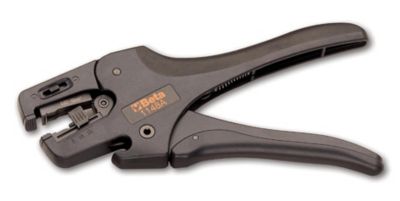
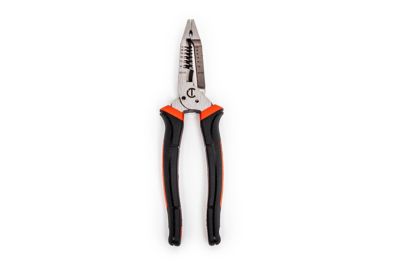
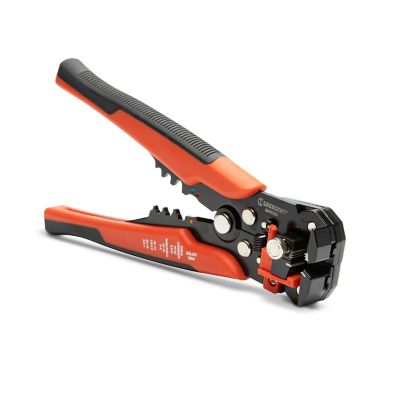
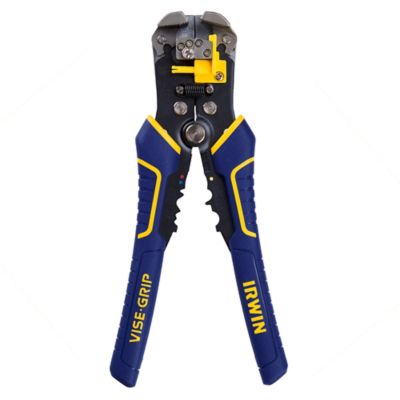
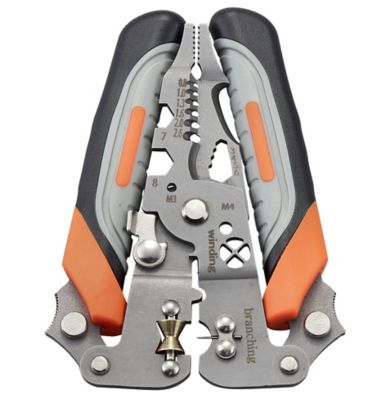
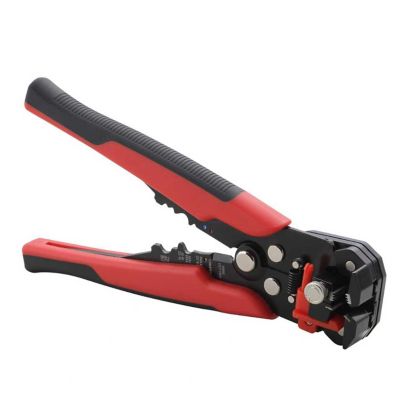
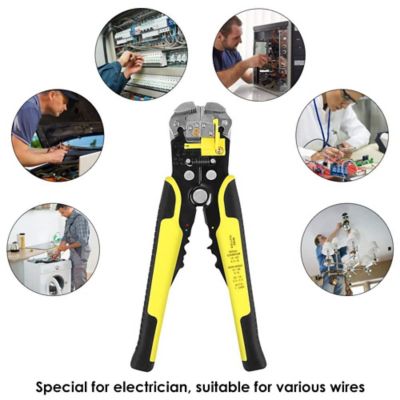
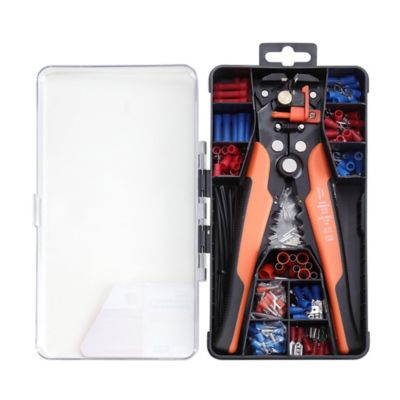
Self-adjusting wire strippers suit repetitive preparation work where several wire sizes pass through the same pair of jaws. Their mechanism grips the insulation and pulls a section away as the handles close, reducing the need to select a separate stripping notch for every compatible conductor. Depending on the design, an adjustable length stop can help keep exposed ends consistent across a row of terminals, while a tension adjustment can help accommodate different insulation characteristics. Those features can be handy when preparing multiple leads at a workbench or working through a control enclosure with plenty of small connections. They do not make every automatic stripper suitable for every wire. Very fine strands, unusually thin insulation, tough jackets and specialty cable constructions may call for a different design. Manual strippers remain a practical choice when access is tight, the wire size stays consistent or the electrician prefers direct control over each cut. Combination and hybrid styles add functions such as a pliers nose, wire-looping openings, terminal crimpers or threaded screw-shearing holes. A longer nose can reach into a crowded box and help shape a conductor, while looping features can help form an end for a compatible screw terminal. Screw-cutting holes marked 6-32 or 8-32 are intended for those matching machine-screw sizes, not for cutting whatever fastener happens to be nearby. Integrated crimpers also need to match the terminal type and wire range; an all-in-one layout does not replace every dedicated crimping tool. For electricians carrying tools between a truck, an outbuilding and a service area, combining a few well-matched functions can keep the pouch manageable. Motorized wire-stripping machines serve a different purpose. Their powered feed and cutting arrangements are generally aimed at processing longer lengths of suitable cable, often for material recovery, rather than preparing short conductor ends inside electrical boxes. The distinction matters when comparing stripping equipment: a compact hand tool for electrical connections and a machine for cable processing answer different needs, even though both remove insulation.
Handle fit and jaw shape deserve just as much attention as the feature list, especially for electricians and maintenance crews who reach for wire strippers throughout the workday. A handle span that suits the hand can make repeated squeezing more comfortable, while textured grips can help maintain control. Thick padding is not automatically a better fit; an oversized grip may feel awkward in a smaller hand or inside a crowded enclosure. Spring-return handles can reduce the effort of reopening the jaws, and a latch helps keep the tool closed in a pouch or drawer. Smooth pivot movement, readable gauge markings and jaws that meet properly all support consistent work. Care is straightforward: clean away insulation scraps and grit, wipe off moisture, and maintain the pivot according to the tool maker’s directions. Cutting edges benefit from protection against loose hardware knocking around in a toolbox, and damaged jaws or deteriorating grips deserve attention before the next job. For a broader electrical tool kit,
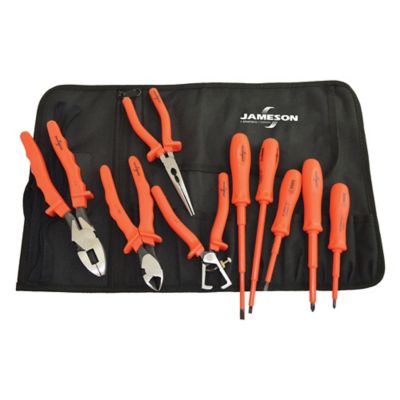
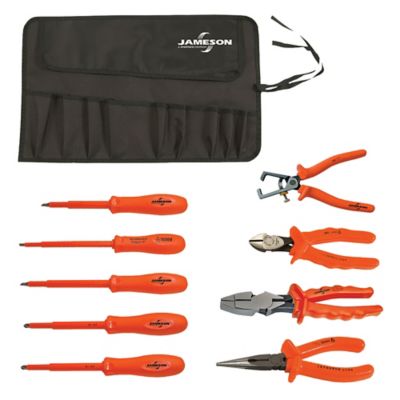
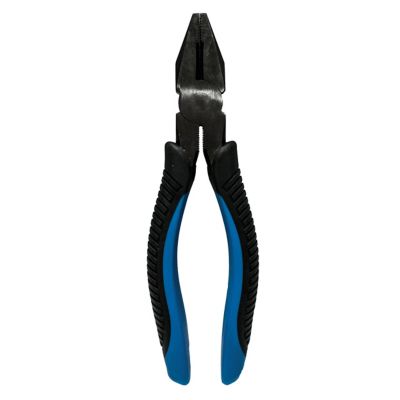
Insulated Pliers for Electricians complement stripping tools with gripping and bending functions, subject to each tool’s stated application and electrical rating. Cushioned or plastic-covered handles alone do not establish protection against electric shock. Electrical work belongs on circuits that have been de-energized and verified, with appropriate protective equipment and qualified help for the task. Wire strippers can also make a practical gift for an apprentice electrician, a trade-school student or an experienced maintenance worker, especially when the selection matches the wire sizes and tasks already in that person’s routine. A compact pair may suit someone who spends much of the day at device boxes, while a broader-function design may appeal to someone handling varied electrical maintenance around a farm or shop. The best fit is a tool whose reach, grip, stripping range and added functions earn their place in the pouch.