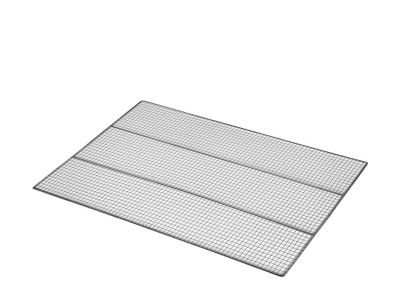
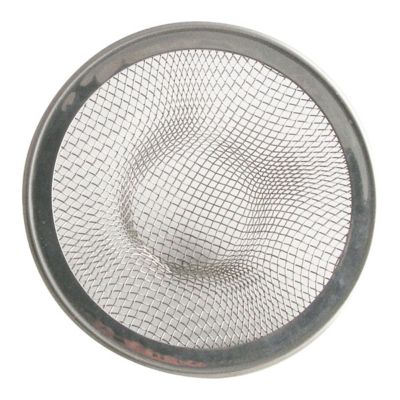
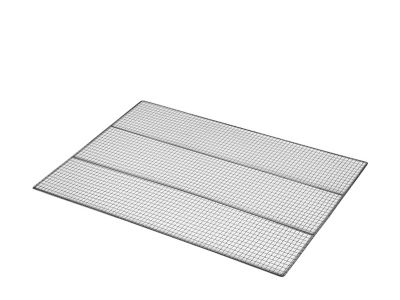
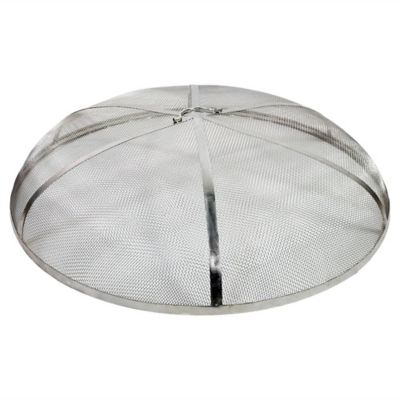
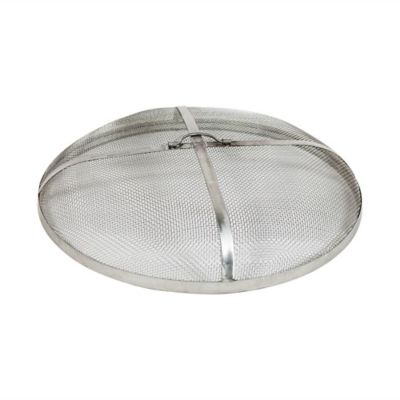
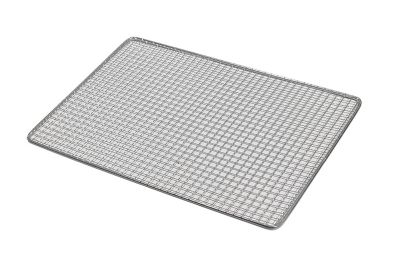
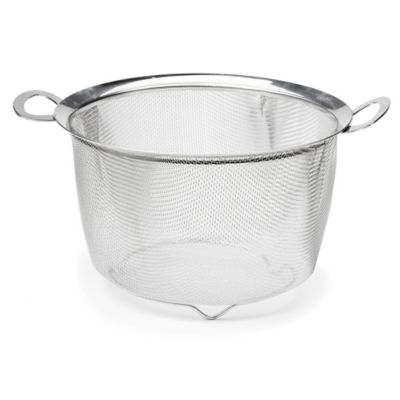
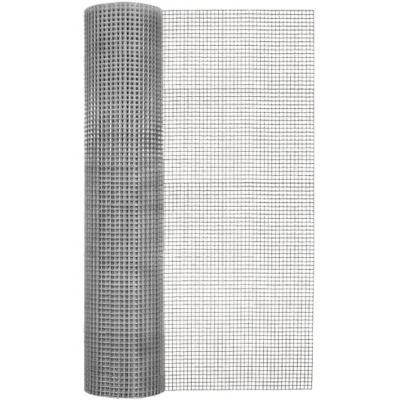
Stainless steel mesh is a handy, hardworking material for projects that need strength, airflow and protection without a lot of fuss. Made from stainless steel wire arranged in either a woven or welded grid, it can be used for screening, filtering, guarding, enclosing and building custom repairs around the farm, shop, garden and home. Woven mesh is made by running wires over and under one another, creating an even pattern that works well when you need a consistent opening for sifting, straining or controlling the passage of small particles. Welded mesh is joined at each wire intersection, giving it a firm, square shape that is often a good fit for cages, machine guards, vent covers, partitions and other projects where the material needs to hold its form. Stainless steel is valued for its resistance to rust, moisture and everyday wear, making it useful in places where ordinary steel may not hold up as well. It can stand up to changing weather, damp work areas and repeated cleaning, while its smooth surface is relatively easy to wipe down. Around a homestead, a piece of mesh may become a custom screen for a livestock shelter, a guard around a fan or a simple barrier to keep pests out of a garden bed. In a workshop, it can help cover an opening, protect equipment or separate an area while still allowing light and air to move through.
Before choosing stainless steel mesh, take a close look at the opening size, wire thickness, sheet or roll dimensions and the way the mesh was made. Smaller openings are useful when you need to catch fine debris, block insects or keep small animals from squeezing through, while larger openings allow more airflow and may be better suited to guards, enclosures and general barriers. Wire thickness affects both strength and flexibility, so heavier wire is worth considering for areas that may take bumps, pressure or regular handling. Woven mesh can be easier to shape for certain custom jobs, while welded mesh generally offers a sturdier structure for a fixed panel or protective guard. The stainless steel grade also matters. Grade 304 is a common all-purpose choice with good corrosion and heat resistance for many indoor and outdoor projects. Grade 316 offers added resistance in salty, chemical or especially demanding conditions, making it a sensible option near coastal air, wash-down areas or certain processing environments. Grade 430 can be a practical choice for dry locations where moderate corrosion resistance is enough. Always compare the material’s intended use with the conditions where it will be installed, including exposure to rain, animal waste, cleaning solutions, fertilizer, heat or salt. It also helps to measure the opening twice before ordering, leave enough material for fastening or overlap, and think through how the edges will be finished. Cut wire can be sharp, so gloves, eye protection and the right cutting tools are important when sizing mesh for a project. For more sizes, styles and options for general screening and enclosure work, browse Wire Meshes.
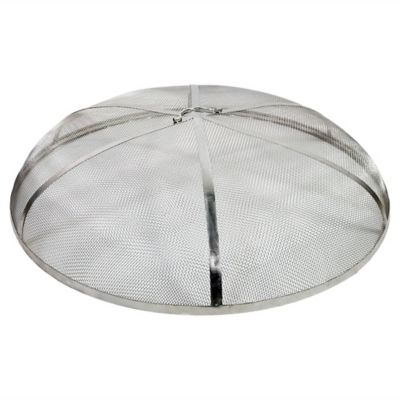
Stainless steel mesh fits a wide range of work, from small repairs to larger projects that need a dependable barrier. Gardeners can use it for trellising, pest control, compost screens, seed-cleaning setups and protective covers that let sunlight and rain through while keeping unwanted visitors out. Poultry keepers and small-animal owners may use properly selected mesh for enclosure panels, ventilation openings or protective guards, with the opening size chosen carefully for the animals involved. In the shop or barn, mesh can cover vents, shield moving equipment, make a tool-room partition or create a sturdy screen around a work area. It is also useful for filtration and straining applications involving air, water or other materials, provided the mesh size and stainless steel grade are suitable for the job. Homeowners may find it helpful for fireplace screens, cabinet inserts, deck or porch projects, drainage covers and decorative panels that add a clean, practical look. Because it can be cut, bent and fastened into different shapes, it is a useful item to keep on hand for the kind of repair that appears after the hardware store has closed and the wind has loosened a panel or a critter has found its way through a gap. During the warmer part of the year, it can support garden and outdoor projects; as the weather turns cooler, it can help with barn maintenance, vent protection and workshop improvements. Stainless steel mesh is not usually a traditional gift, but it can make a thoughtful addition to a practical housewarming, homesteading or workshop gift for someone who enjoys building and fixing things. When comparing options, consider whether the mesh will be exposed to moisture, how much force it may encounter, how fine the openings need to be and whether the finished piece will be handled often. With the right size and construction, stainless steel mesh offers a long-lasting, low-maintenance solution for everyday work around rural properties, gardens, garages and homes.