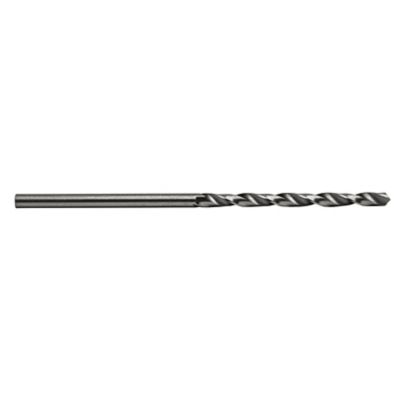
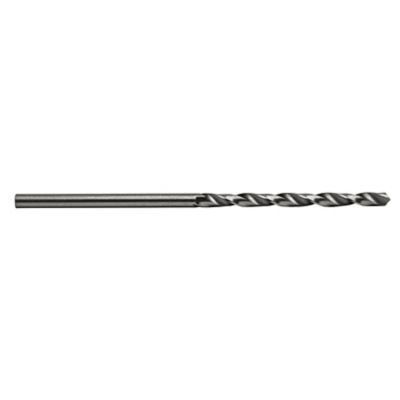
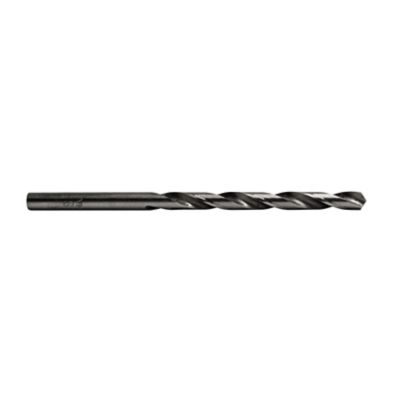
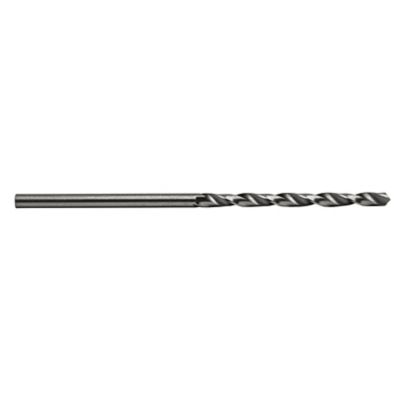
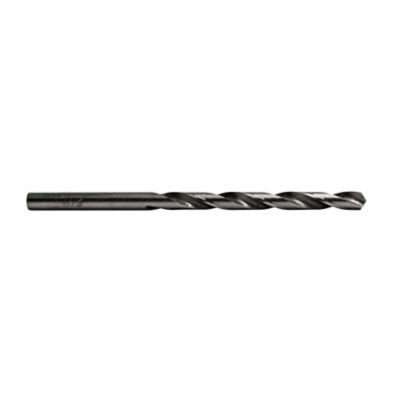
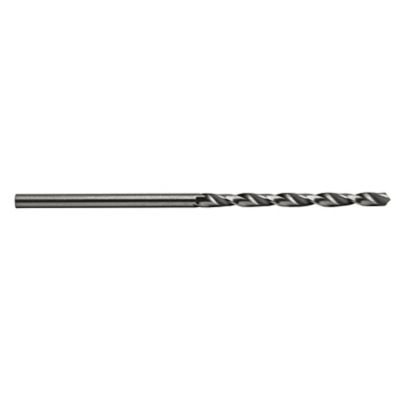
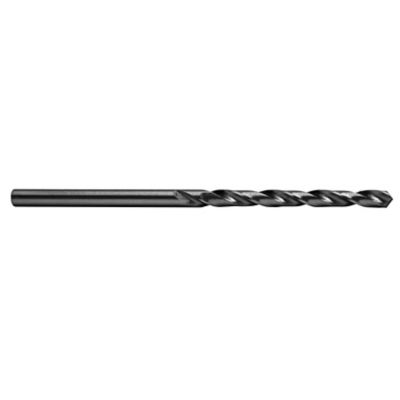
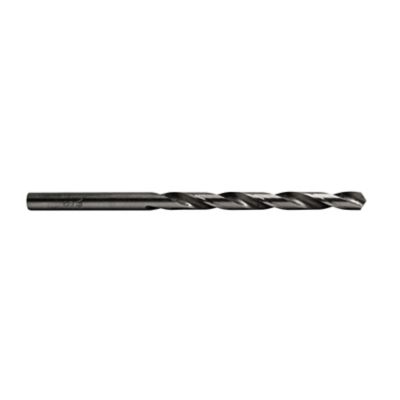
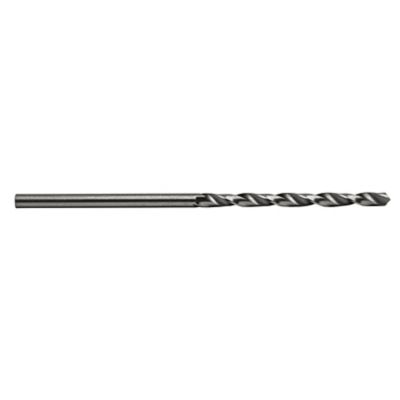
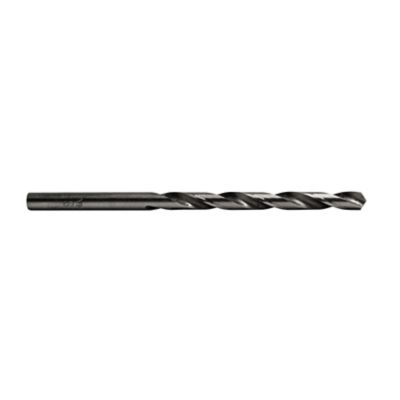
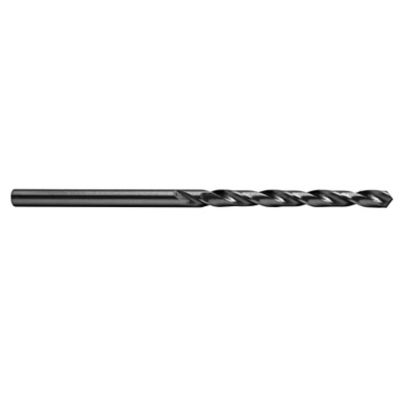
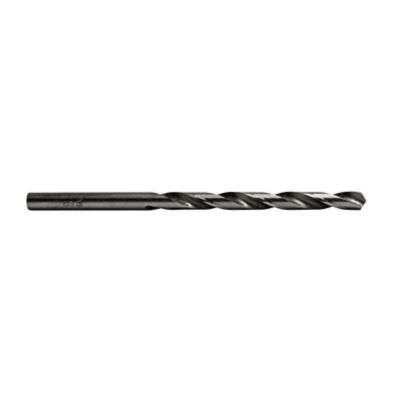
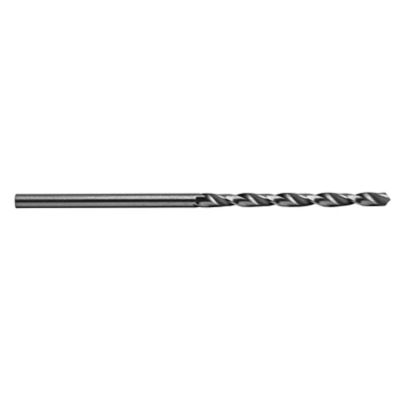
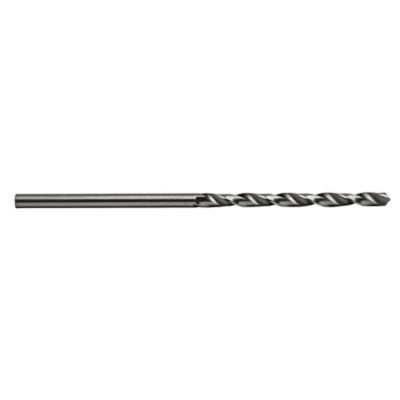
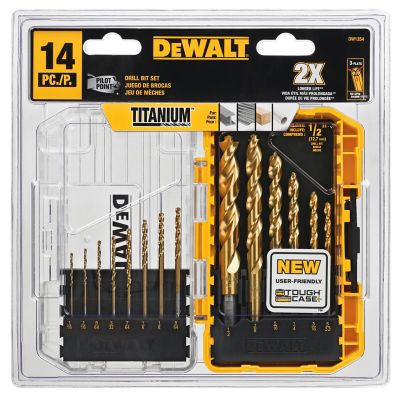
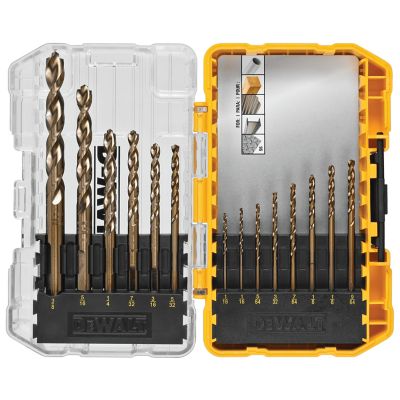
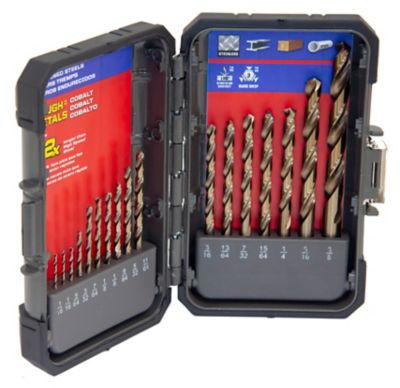
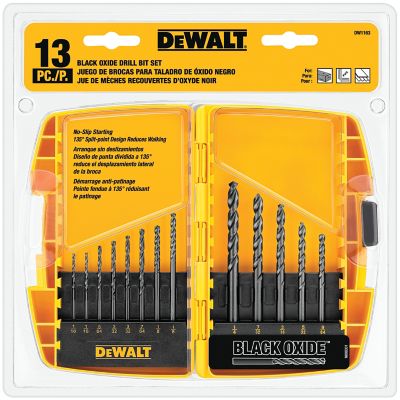
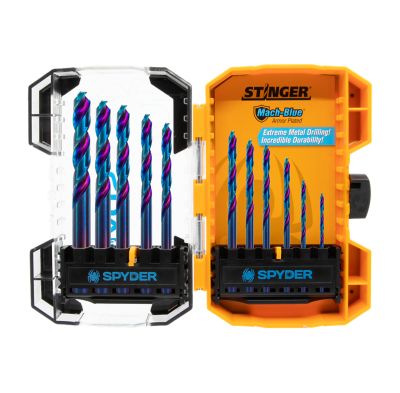
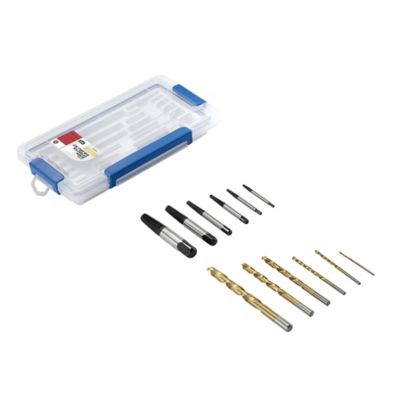
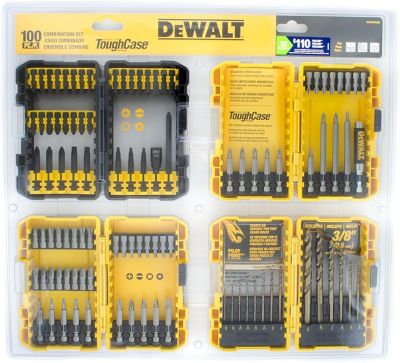
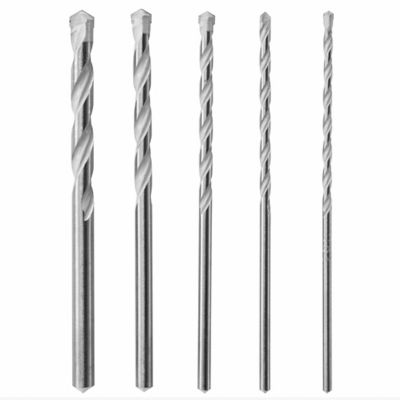
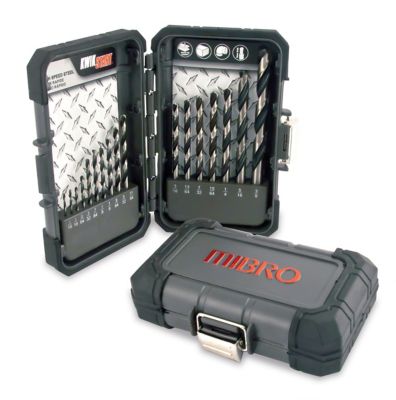
Wire gauge drill bits, also called number-size drill bits, are made for jobs where a standard fractional bit is just a little too large or too small. Their numbered sizing system runs from #1 through #80, with the numbers getting smaller as the bit size gets finer. A #1 bit measures about 0.2280 inches, while a #80 bit measures about 0.0135 inches, giving you a long range of small, precise diameters for detailed work. That close spacing between sizes comes in handy when drilling pilot holes, preparing metal for threading, or matching a hole to a small screw, rivet, wire, or machine tap. Many wire gauge drill bits are made from high-speed steel, a durable material that holds up well during routine work in metal and other firm materials. A quality set can help fill the gaps between common fractional sizes, so you have a better chance of finding the fit your project calls for instead of trying to make do with a bit that is almost right. When comparing options, pay attention to the size range, the number of bits included, the storage case, and the way the sizes are marked. Clear markings matter when the numbers are small, especially in a busy shop, barn workspace, or service truck where tools see plenty of use. A secure index case also keeps the smaller bits from getting scattered in a drawer or lost under larger tools.
These bits are useful for electricians, maintenance workers, mechanics, machinists, hobbyists, farm repair crews, and do-it-yourselfers who handle small fastening or repair jobs. An electrician may use fine drill sizes when working with hardware, brackets, panels, and other components that call for careful hole placement. A mechanic or equipment owner may reach for a numbered bit when repairing a stripped hole, creating a pilot hole for a tap, or working on compact parts where a regular bit does not provide the needed control. Around the farm, small bits can be helpful for repairing gates, hinges, implements, feeders, panels, and other equipment, though the right bit and technique depend on the material being drilled. For threaded holes, match the wire gauge size to the tap and thread specifications rather than guessing from the screw diameter alone. The correct pilot hole leaves enough material for the threads to form while helping prevent a tap from binding or breaking. Drill at a steady speed, use cutting fluid when working in metal as appropriate, and ease up on pressure as the bit begins to break through. Small bits are more delicate than larger general-purpose bits, so letting the tool do the work can help reduce bending and breakage. Clamping the workpiece, wearing eye protection, and keeping hands clear of the bit are important parts of any drilling job. If your work covers a broader range of electrical repairs, you can also browse
Drill Bits For Electricians for additional bit types and related options.
A wire gauge drill bit set can make a practical gift for someone who enjoys repairing equipment, building models, restoring machinery, maintaining a workshop, or tackling detailed projects at home. It is the sort of addition that often earns its keep over time because the less-common sizes are the ones that can be hardest to find when a repair is already underway. Before choosing a set, think about the work the recipient does most often. A range with larger numbered sizes may suit fine hardware, hobby work, and small pilot holes, while a set extending into the lower numbers can be useful for larger machine screws and general shop repairs. Sets covering #1 to #60 offer a broad selection for many metalworking and maintenance tasks, while sets covering #61 to #80 focus on especially fine holes used in delicate, precision work. Some shoppers prefer a complete range for a toolbox, while others choose a smaller selection that fits a particular tap set or repair routine. Keep in mind that numbered sizes are not the same as wire sizes used for electrical conductors, even though both systems use numbers. Check a sizing chart, tap chart, or fastener specifications before drilling, and compare the actual diameter when accuracy matters. Store the bits dry and return each one to its labeled slot after use; those tiny sizes are easy to mix up, and a little organization saves time the next time a close-fitting hole is needed. Whether the work happens in a home garage, a farm shop, a maintenance shed, or a professional workspace, wire gauge drill bits provide the fine size choices that help make small drilling jobs cleaner, more controlled, and easier to finish.