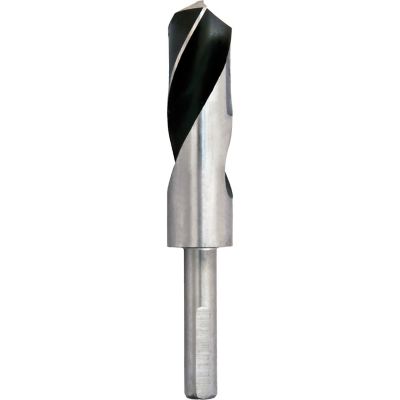
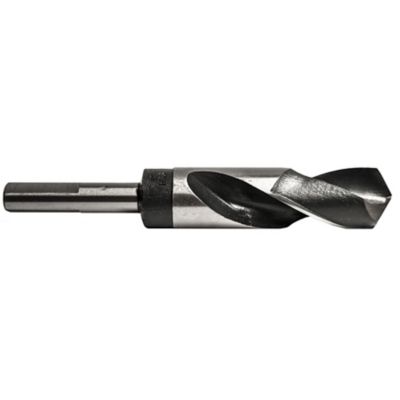
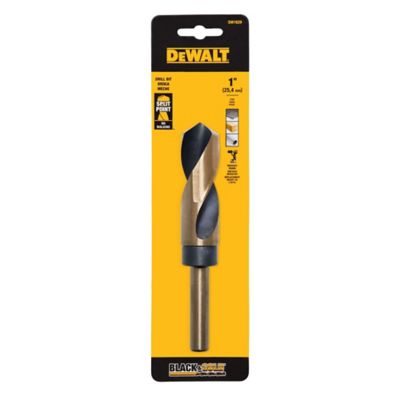
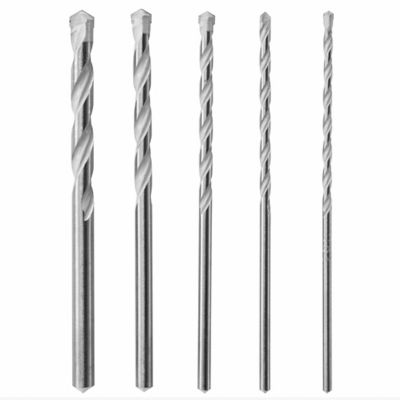
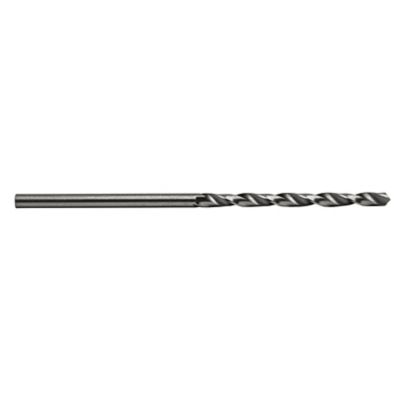
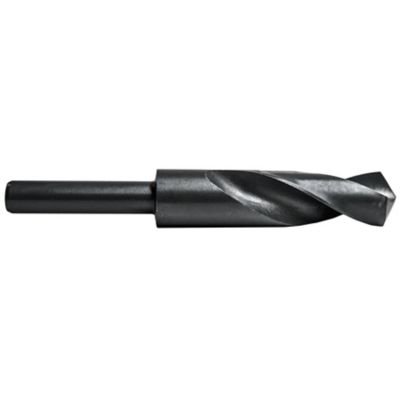
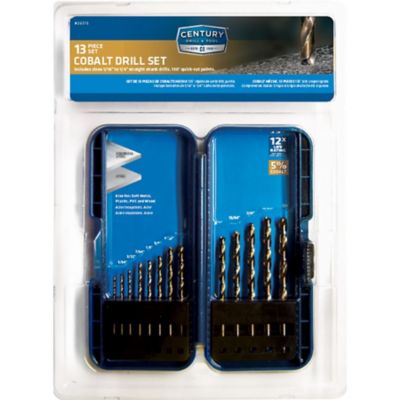
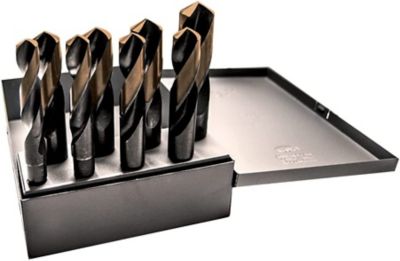
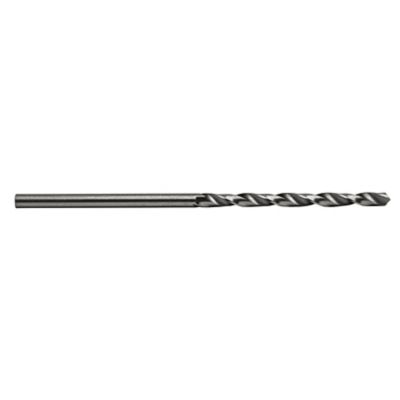
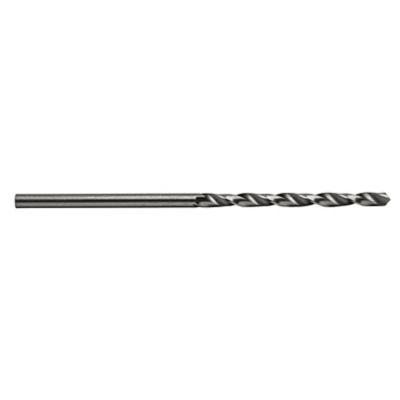
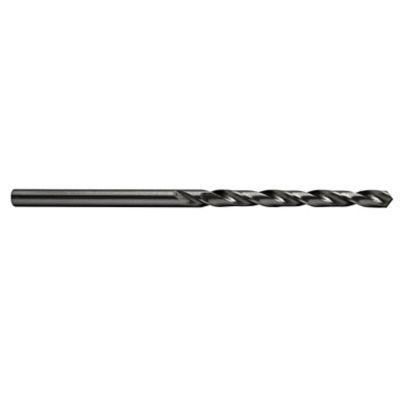
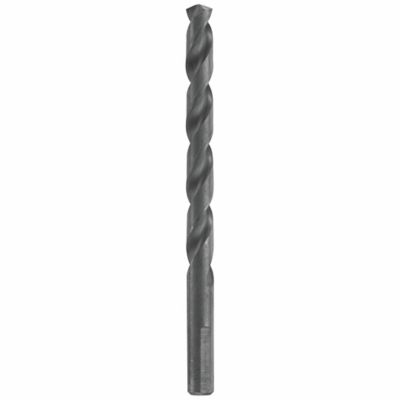
When a job calls for a clean 1-inch opening in metal, the right drill bit makes a big difference in the way the work feels from start to finish. These large-diameter bits are useful for farm repairs, equipment maintenance, fabrication, trailer projects, shop work, and building tasks where a smaller bit simply will not make the opening you need. A 1-inch drill bit for metal may be used to make room for conduit, pipe, bolts, bushings, wiring, fittings, or other hardware in steel, aluminum, and similar materials. Before choosing a bit, look closely at the metal’s type and thickness, the size and style of your drill chuck, and the kind of hole the project requires. Heavy solid metal generally calls for a high-speed steel twist bit with a reduced shank, sometimes called a Silver & Deming-style bit. The reduced shank allows a large 1-inch cutting head to fit a standard 1/2-inch drill chuck or a compatible drill press, instead of requiring an oversized industrial chuck. This style is a practical choice for thicker steel, plate, angle iron, and other solid stock when you need the bit to remove material across the full diameter of the hole. For thinner sheet metal, a bi-metal hole saw can be a better fit because it cuts a circular groove and leaves the center section intact until the plug is removed. Hole saws are handy for panels, enclosures, ductwork, and lighter-gauge metal where a full-size twist bit could grab too aggressively. Step drill bits are another useful option for thin metal, especially when a project calls for several hole sizes leading up to 1 inch. Their stepped design can make a smooth, gradual opening in sheet metal while reducing the need to change bits between sizes. Since no single bit style handles every material and thickness equally well, checking the specifications before adding one to your tool box can save time, frustration, and a trip back to the hardware aisle. Shank size, cutting depth, flute design, point style, material, and recommended use all matter. A bit made for thin sheet metal may not be suitable for thick plate, while a heavy twist bit may be more tool than necessary for a light panel.
The equipment used with a 1-inch metal bit is just as important as the bit itself. A drill press is usually the most controlled choice for a large hole because it keeps the bit straight, lets you set a slower speed, and holds the work securely. A powerful handheld drill may be suitable for some jobs, but a 1-inch bit can create substantial torque when the cutting edge catches. That sudden bind can twist the drill, shift the workpiece, or strain your wrist, particularly in thick steel. Clamp the material firmly to a stable surface, keep both hands on a handheld drill when the tool and job allow it, and never hold a loose piece of metal in your hand while drilling. Large-diameter bits work best at low speed. Running them too fast builds heat quickly, dulls the cutting edges, and can discolor or damage the metal. Cutting oil or another lubricant made for metalworking helps reduce friction, carry heat away from the cutting area, and extend bit life. Apply it as needed during the cut, especially when drilling steel or other tough materials. Start with a smaller pilot hole when the bit design and material call for it, but follow the bit maker’s instructions because some split-point or hole-saw designs are intended to start without a separate pilot operation. A center punch can help keep the bit from wandering on smooth metal, while a backing board behind thin sheet can help limit burrs as the bit breaks through. Remove sharp burrs with a deburring tool or file, and handle fresh-cut metal carefully; even a neat hole can leave a razor-like edge. Personal protective equipment matters around any drilling operation. Wear safety glasses or a face shield to protect against chips, use hearing protection around drills and shop equipment, and choose work gloves that fit properly without loose material near rotating tools. Keep sleeves, hair, cords, and rags away from the chuck and bit. Let the bit stop completely before clearing chips, changing the setup, or brushing away metal shavings. These simple habits are especially valuable in a busy farm shop, where a quick repair can turn into a long day if a tool binds or a hot chip lands where it should not.
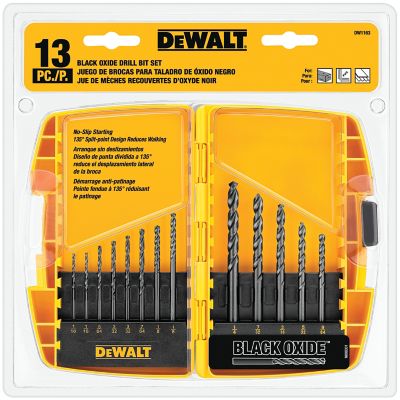
A dependable 1-inch drill bit can earn its place in a home workshop, farm maintenance cabinet, fabrication area, or contractor’s tool case. Landowners may use one while repairing gates, brackets, feeders, utility panels, or trailer frames. Mechanics and equipment owners may need a large opening for a pin, fastener, hose, or replacement component, while welders and fabricators often keep several cutting options on hand for different gauges and metals. For someone setting up a first serious tool collection, a metal-drilling bit in a common 1-inch size can be a practical addition alongside clamps, cutting fluid, layout tools, and a sturdy drill press. It is less of a casual gift and more of a useful choice for a handy family member, working neighbor, maintenance professional, or do-it-yourselfer who spends weekends improving a barn, shop, truck, or piece of equipment. Look for storage that protects the cutting edges and keeps the bit easy to identify, since a large bit can be awkward to toss loose in a drawer. Comparing cutting materials can also help with long-term value. High-speed steel is a common choice for general metal drilling, while coated options may offer added wear resistance for certain applications. For more information on another metal-drilling option, browse
Black Oxide Drill Bits For Metal. Match the bit to the job rather than relying on diameter alone, and consider whether you will be making one opening or drilling repeated holes across a full repair project. A bit that starts cleanly, sheds chips well, fits your equipment, and stands up to the material can make a rough piece of steel feel much more manageable. With the right size, suitable cutting style, low operating speed, steady clamping, and plenty of attention to safety, 1-inch drill bits for metal are ready for everything from a carefully measured shop project to the kind of practical repair that keeps work moving when the weather turns cooler.