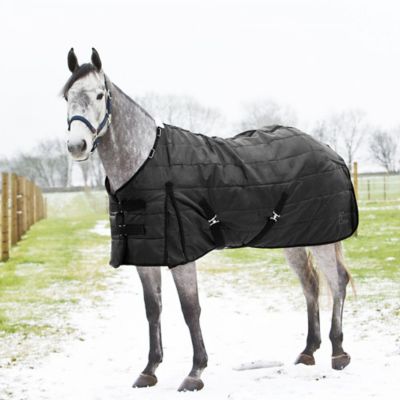
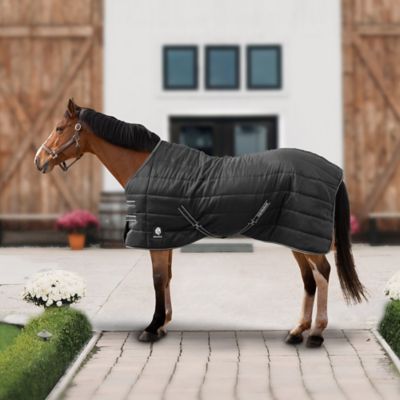
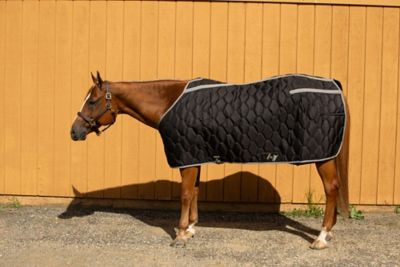
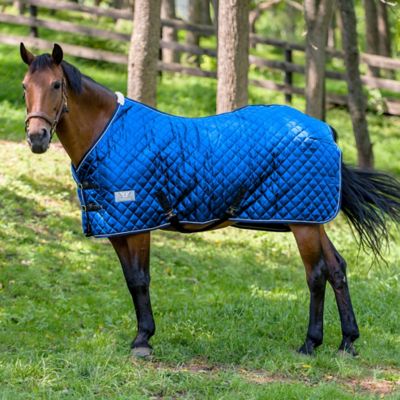
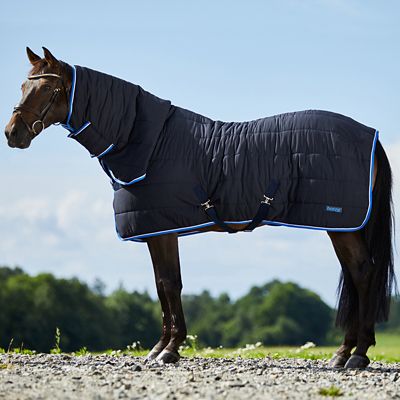
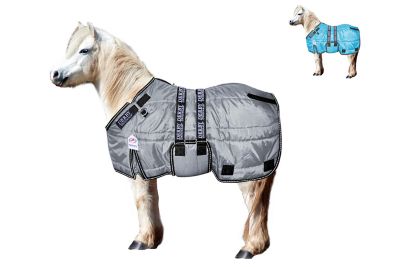
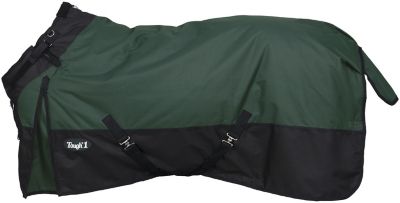
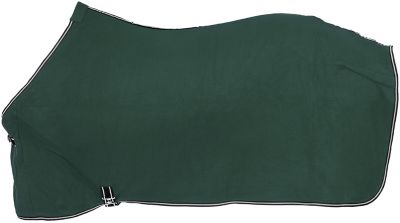
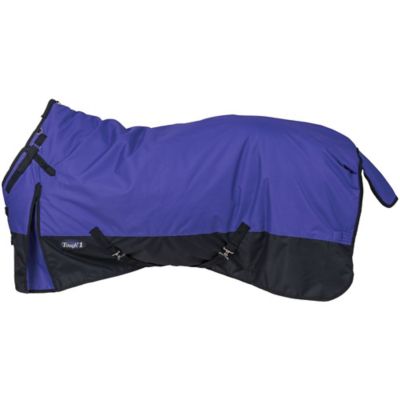
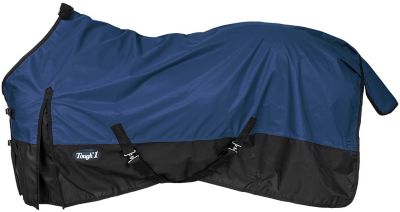
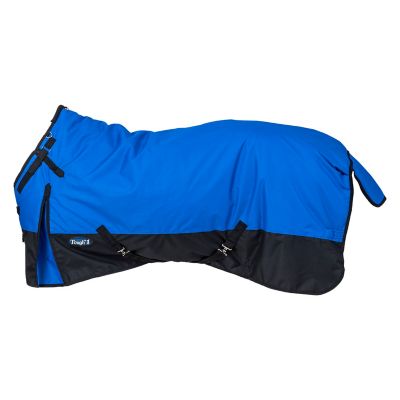
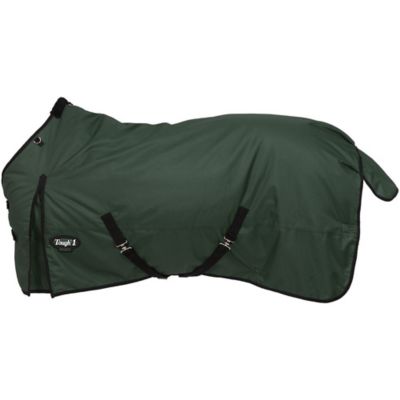
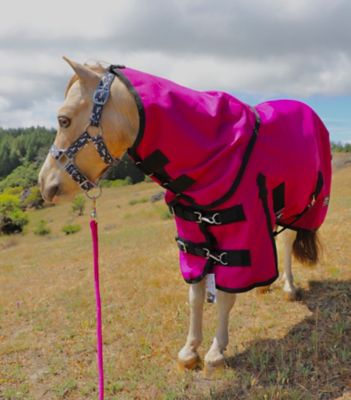
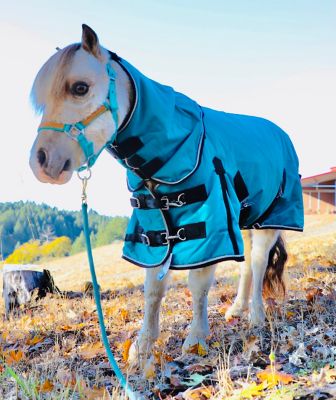
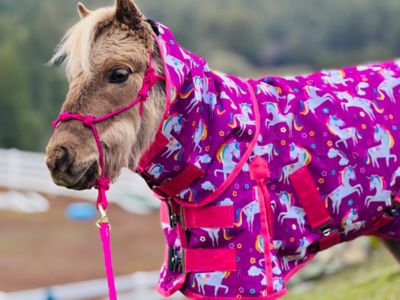
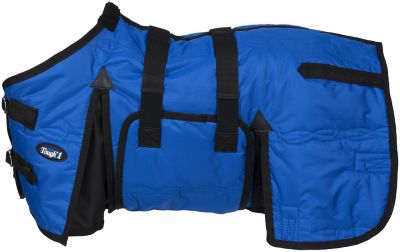
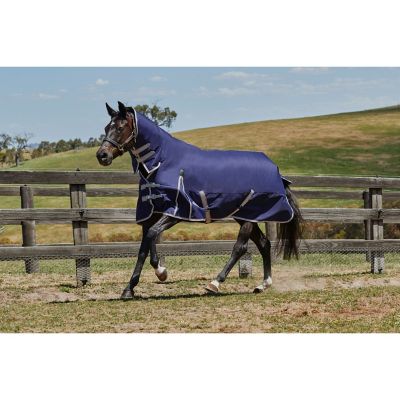
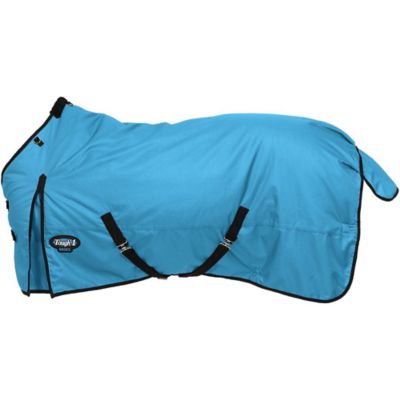
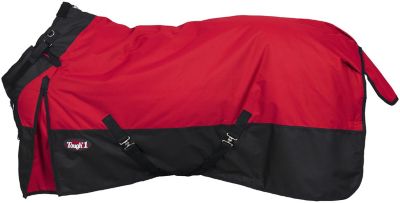
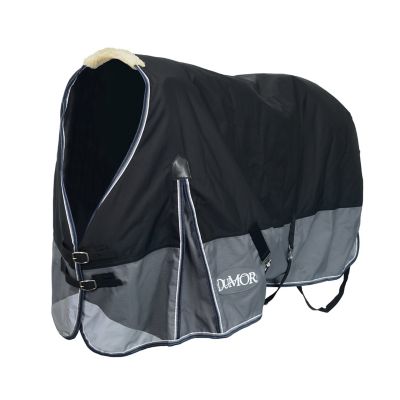
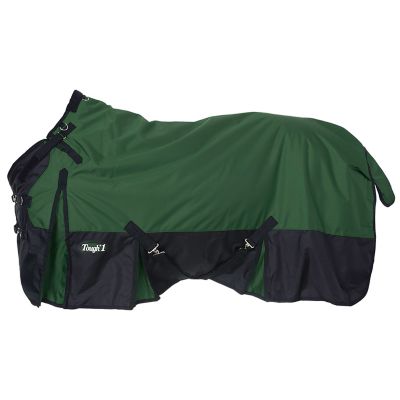
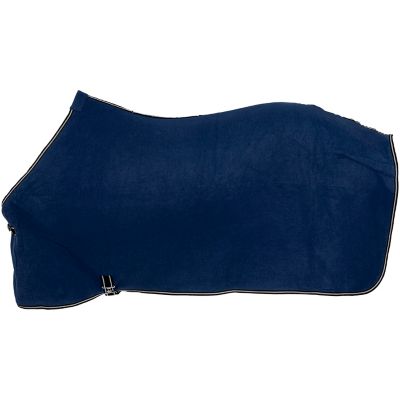
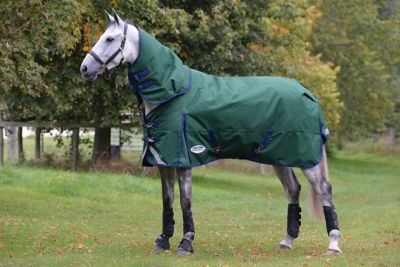
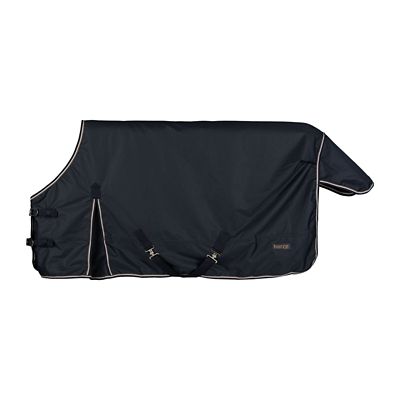
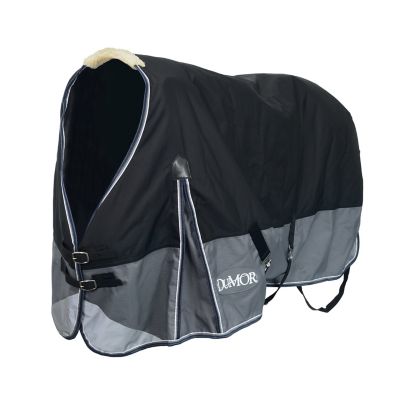
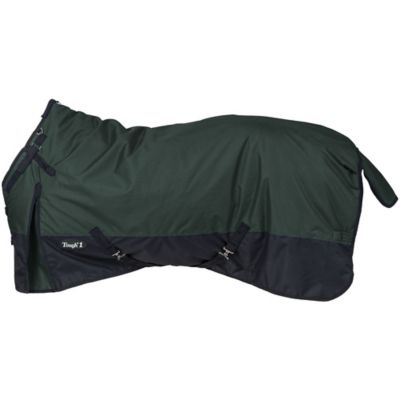
Horse stable blankets for barn time help horses stay comfortable when the temperature drops inside a stall, run-in shed, or drafty barn. They are especially useful for clipped horses, senior horses, underweight horses, thin-skinned breeds, and animals that have trouble holding body heat during cooler months. A horse that comes in from a chilly evening with a short winter coat may appreciate a little extra warmth while standing quietly on fresh bedding, just as an older horse may benefit from steady coverage when the barn temperature falls overnight. Stable blankets are made for indoor use and are generally softer and less bulky than turnout blankets, making them a practical choice for stall rest and overnight comfort. They are not waterproof and should not be used for outdoor turnout, where rain, snow, mud, wind, and rubbing against fences can soak or damage the blanket. For outdoor time, look for a properly rated turnout sheet or turnout blanket instead. Choosing the right stable blanket starts with your horse’s condition, coat, workload, and surroundings. An unclipped horse with a full winter coat may need little or no extra insulation in a well-bedded, enclosed barn, while a body-clipped horse can become chilled more easily. Horses that are thin, recovering from illness, or advanced in age may also need more careful monitoring. Barn temperature provides a useful starting point: a lightweight blanket is often suitable when indoor temperatures are around 30–40°F, a mediumweight option may fit conditions around 20–30°F, and a heavyweight blanket may be considered below 20°F. These ranges are general guidelines, not hard rules, since humidity, drafts, coat thickness, wind coming through open doors, and the individual horse all make a difference. Browse the
Horse Blankets and Turnout Sheets Guide for more help comparing stable blankets with other types of equine coverage.
Blanket weight is usually described by the amount of fill, measured in grams. Lightweight and mediumweight choices, commonly ranging from about 50g to 250g, offer flexible coverage for cool barn conditions and milder winter weather. Heavyweight blankets with 300g or more of fill are designed for colder indoor spaces, clipped horses, or animals that need substantial insulation. More fill is not automatically better. A thick blanket in a closed, unheated barn can leave a horse sweaty, and trapped moisture can make the animal colder once the blanket is removed. Before settling on a blanket for the night, run your hand under the chest, withers, and shoulder area. The horse should feel comfortably warm, not hot or damp. Check again during early morning chores, particularly when temperatures swing from a cold night to a sunny, warmer day. Damp hair, sweat behind the elbows, a warm or clammy chest, restlessness, or blanket rubbing can signal that the coverage is too heavy, too tight, or not the right fit. On the other hand, shivering, cold skin, tucked posture, or a horse standing unusually stiff may indicate that more protection is needed. Fit matters just as much as fill. The blanket should cover the back and sides without pressing on the withers, pinching at the shoulders, or hanging low enough to catch on stall fixtures. A secure front closure, adjustable straps, and properly fitted belly or surcingle straps help keep the blanket in place as a horse lies down, rolls, and gets up. Shoulder gussets can allow a wider range of movement, while a smooth lining may help reduce rubbing and keep hair looking tidy. Consider the horse’s build, too: a broad-shouldered stock horse, narrow thoroughbred, and compact pony may all need different cuts even when they wear the same size by length. Measure from the center of the chest to the center of the tail, follow the sizing chart for the blanket, and inspect the fit after the horse has moved around the stall.
Horse stable blankets can make a thoughtful gift for a horse owner, barn manager, riding instructor, or friend bringing a new horse home, especially when paired with practical barn supplies such as blanket storage, grooming items, or stall essentials. They are also useful for riders who keep a spare blanket on hand for a sudden cold snap, a clipped show horse, or a horse staying overnight in an unfamiliar barn. Look for durable outer fabric that resists snagging during ordinary stall use, reinforced stitching at stress points, secure hardware, and closures that are easy to handle with cold or gloved hands. A stable blanket with a smooth outer shell is less likely to hold onto shavings and bedding than a rough, bulky fabric, which helps keep the horse cleaner while it rests. Even the best blanket needs regular care. Remove it daily when possible, shake out loose bedding, and check for tears, broken hardware, rub marks, and wet spots before putting it back on. Keep an extra blanket available so a damp or dirty one can be cleaned and fully dried. Follow the care instructions, fasten closures before washing, and avoid storing a blanket while it is even slightly damp. Once the cooler season passes, wash and dry it thoroughly, then place it in a breathable bag or sealed container away from rodents, moisture, and direct sunlight. Store blankets on a rack or shelf rather than on the barn floor, where they can pick up dirt and moisture. With the right warmth, fit, and routine checks, a stable blanket can help a horse settle comfortably into the quiet rhythm of barn time—from the soft rustle of bedding at evening feed to the first morning nicker when the stall door opens.