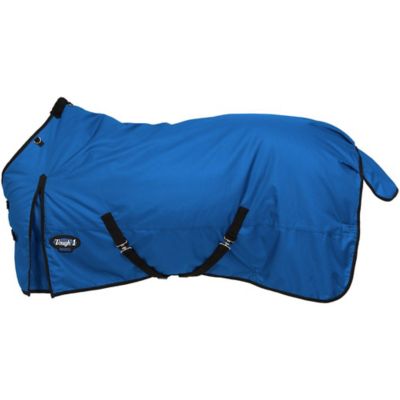
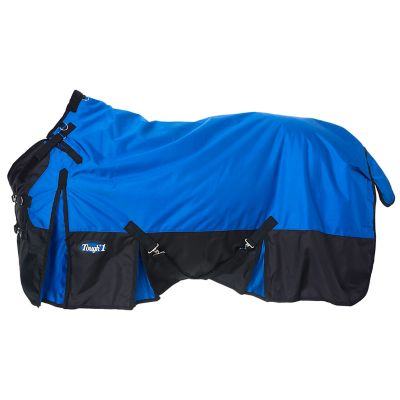
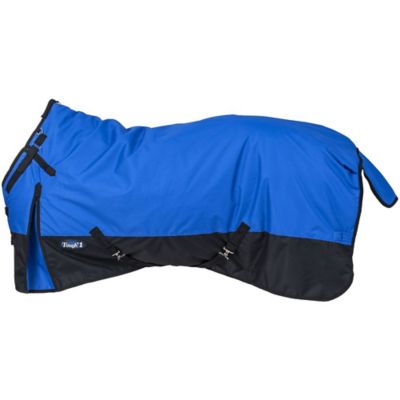
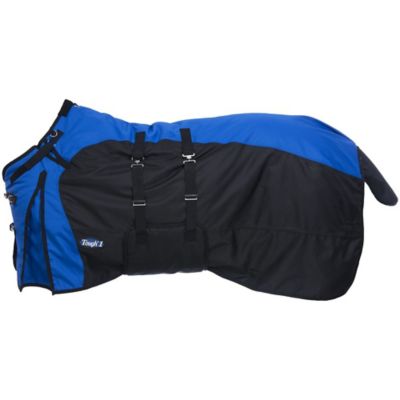
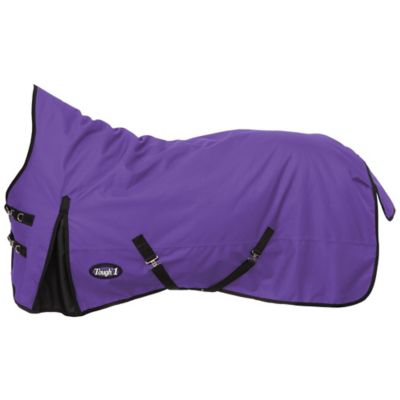
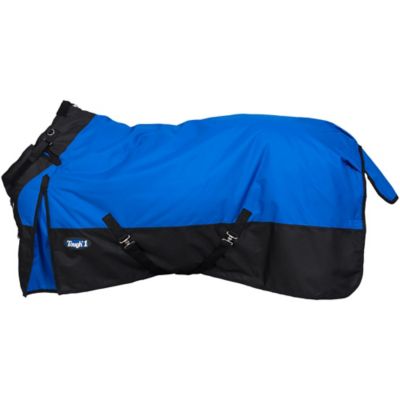
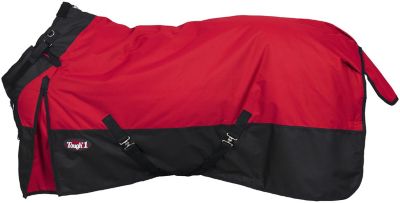
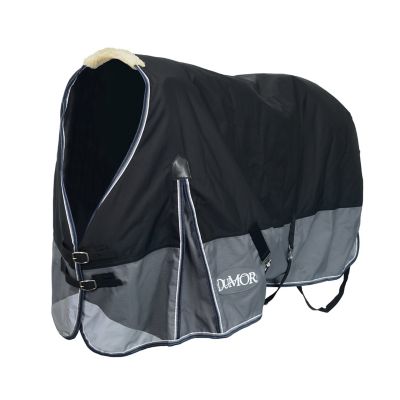
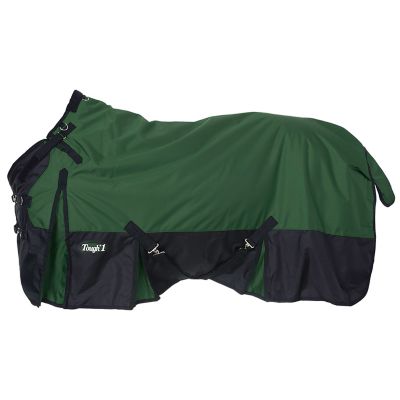
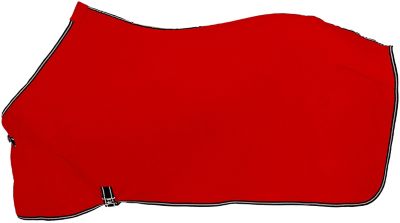
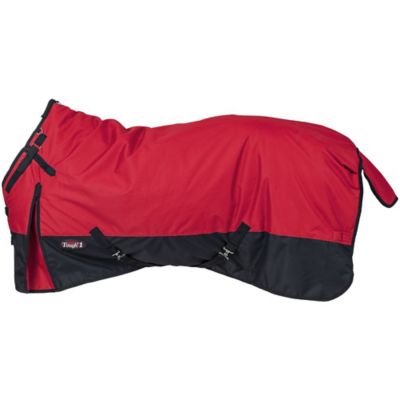
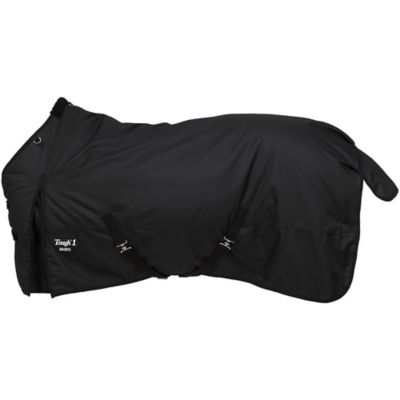
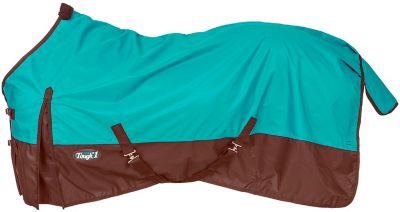
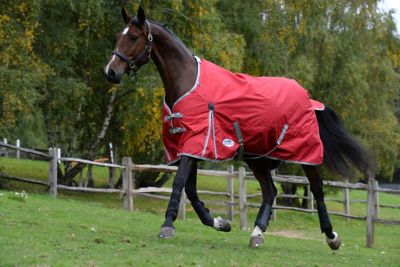
A waterproof turnout blanket helps keep a horse comfortable when chores, pasture time and changing weather all come together. Unlike a stable blanket made mainly for warmth indoors, a turnout blanket is built for life outside, where rain, wet grass, wind, mud and everyday wear can take a toll. The outer shell is treated to shed water, and many blankets use sealed or reinforced seams to help keep moisture from working through the stitching. Breathable materials allow heat and sweat vapor to move away from the horse’s body, which is especially helpful when a horse is turned out after exercise or during a stretch of unsettled weather. Blanket warmth is usually described by fill weight, measured in grams. A lightweight 0g turnout blanket or rain sheet offers weather protection without much added insulation, making it useful for damp, windy days when a horse does not need extra warmth. Medium fill options add insulation for cooler conditions, while heavier blankets with around 200g, 300g or more are intended for colder weather and horses that need more help holding body heat. A horse’s age, coat, body condition, shelter, workload and natural cold tolerance all matter. A healthy, fully coated horse with access to a run-in shed may do well in a lighter layer, while a clipped senior horse or a horse that loses weight easily may need more insulation during the cooler months. It also helps to consider whether the blanket will be worn over a damp coat, since putting a heavy blanket on a wet horse can trap moisture close to the skin. Let the coat dry when possible, and check under the blanket regularly so you can adjust the layering as conditions change.
Durability is another big part of choosing a waterproof turnout blanket, especially for horses that roll, lean on fences, play with pasture mates or find every low branch in the field. Shell strength is commonly measured in denier, with higher numbers generally indicating a thicker, tougher fabric. A 600D shell can be a practical choice for routine turnout and lighter wear, while 1200D, 1680D and other heavy-duty fabrics may be worth considering for rough conditions or horses known to be hard on blankets. Ripstop construction can help keep a small snag from spreading, but no blanket is completely tearproof, so inspect it often for pulled threads, broken hardware and worn spots. Good fit matters just as much as strong fabric. Look for a neck opening that sits comfortably without rubbing, enough room through the shoulders for a full stride, and a back length that provides coverage without hanging too far over the tail. Shoulder gussets or pleats can improve mobility, while adjustable chest closures help fine-tune the fit. Cross surcingles should rest snugly under the belly without pinching, and leg straps should be adjusted so they support the blanket without pulling it out of position. A tail flap can help protect the hindquarters from driving rain, and a tail cord or strap may help keep the blanket centered when a horse walks, trots or rolls. Take measurements from the center of the chest to the center of the tail, then compare those measurements with the manufacturer’s sizing information rather than relying on breed or weight alone. A blanket that is too tight can restrict movement and rub at the withers or shoulders; one that is too loose can slide sideways, catch on fencing or leave exposed gaps. If more than one horse will use the blanket, measure each horse separately. Even two horses with similar heights can have very different necks, shoulders and body shapes.
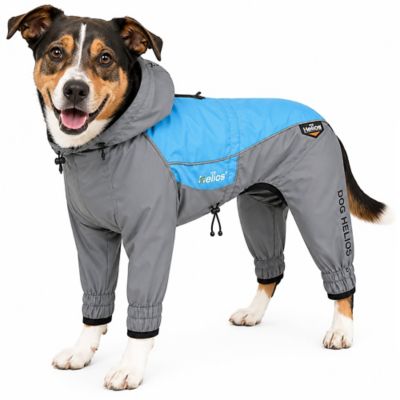
These blankets are useful for owners who want a practical layer for pasture, boarding facilities, farms and travel between turnout areas. They can also be a thoughtful gift for a new horse owner, a young rider building a tack-room setup or anyone preparing for their first season of outdoor care. A waterproof turnout blanket is not a substitute for shelter, good nutrition or routine grooming, but it can be an important part of a broader care plan. Before turning a horse out, make sure the blanket is dry, fastened correctly and free of mud that could cause rubbing. After a wet or windy day, hang it where air can circulate and follow the care label for washing and reproofing. Dirt, sweat and body oils can reduce breathability and interfere with water-repellent treatments over time. Keep a second blanket or a repair kit on hand when possible, since a torn strap or soaked blanket can be a real headache when the weather turns rough. Store clean blankets in a dry place during warmer stretches, and avoid sealing a damp blanket in a tote where mildew can set in. Horses are individuals, so pay attention to signs of being too warm or too cold: sweating under the blanket, a damp coat, shivering, tucked posture or cold ears may mean the current layer needs attention. As the weather warms, a lighter waterproof shell may be more comfortable; as conditions become colder, a compatible liner or higher-fill option may provide added warmth. For households caring for both horses and dogs, weather protection can be part of the same seasonal routine, and
Waterproof Winter Dog Coats can help keep a canine companion dry during outdoor chores and chilly walks. With the right shell strength, fill weight, fit and care routine, a waterproof turnout blanket can help a horse stay drier, move freely and spend more comfortable time outside through changing weather.