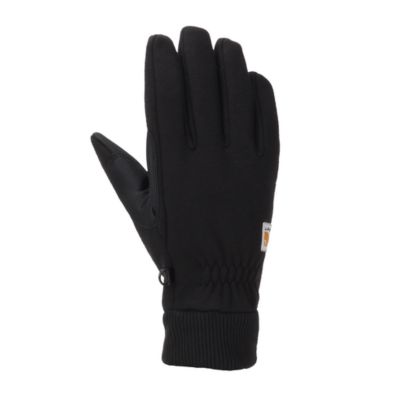
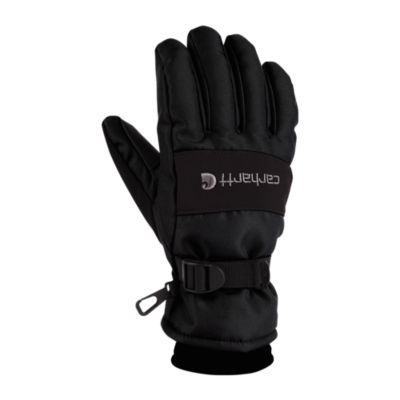
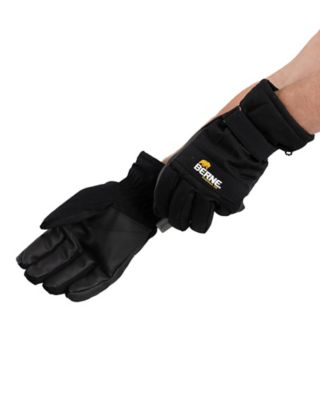
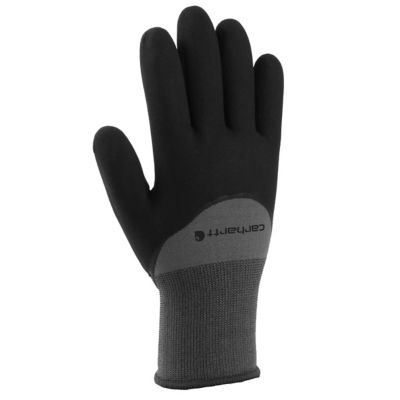
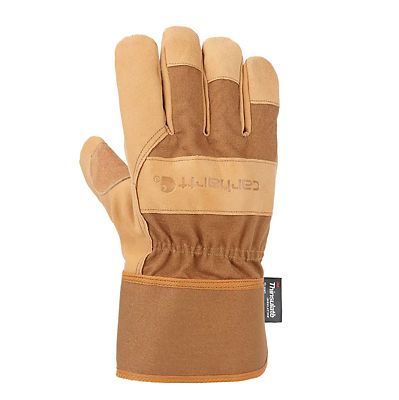
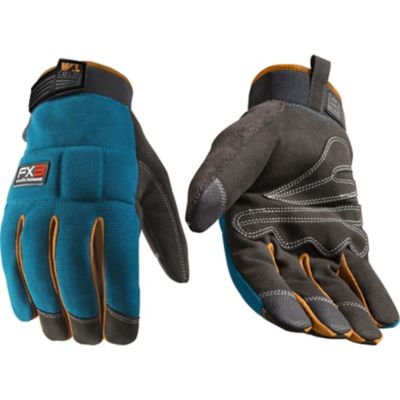
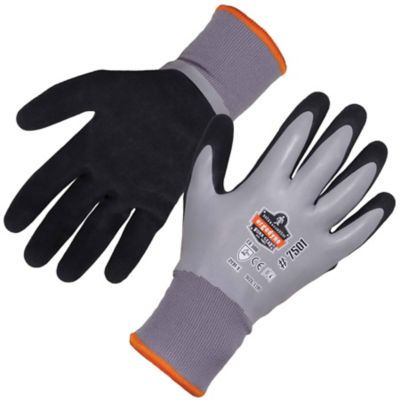
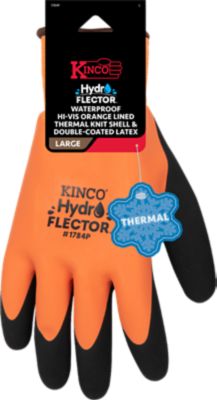
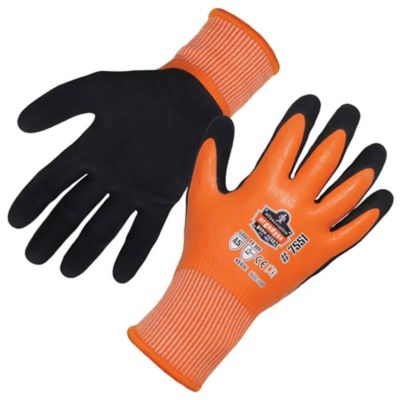
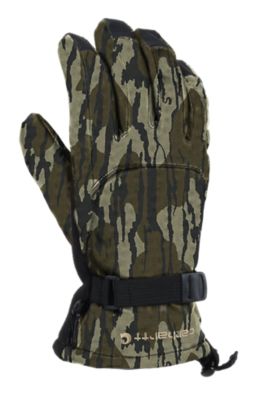
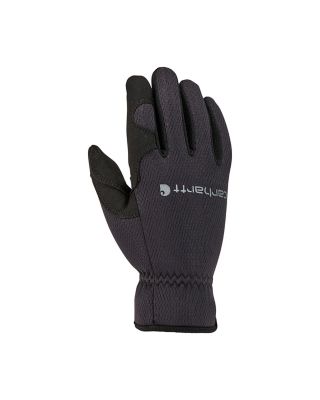
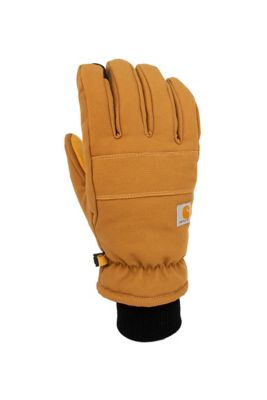
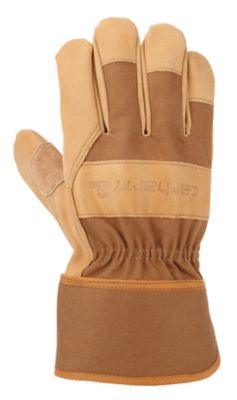
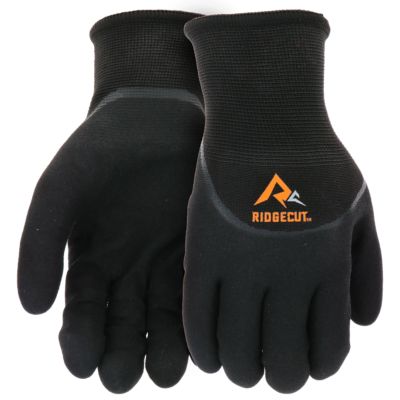
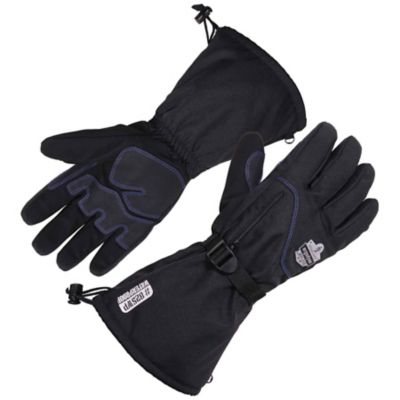
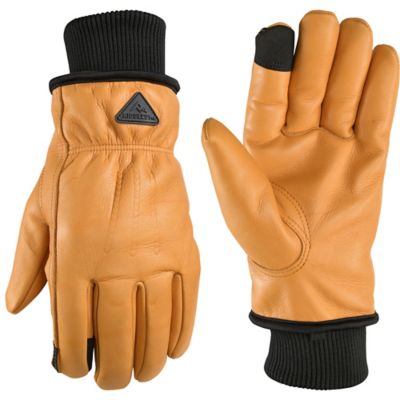
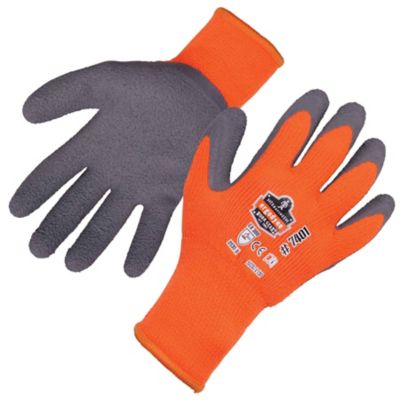
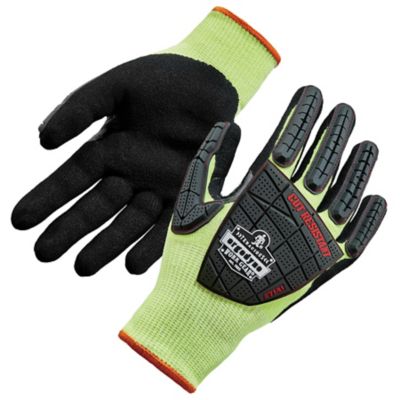
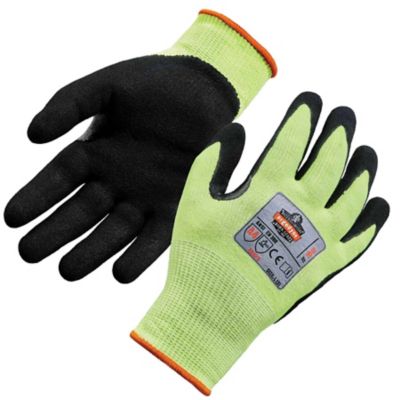
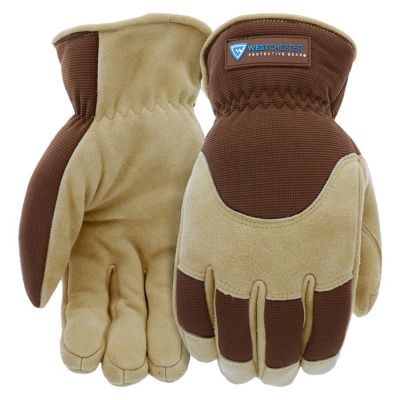
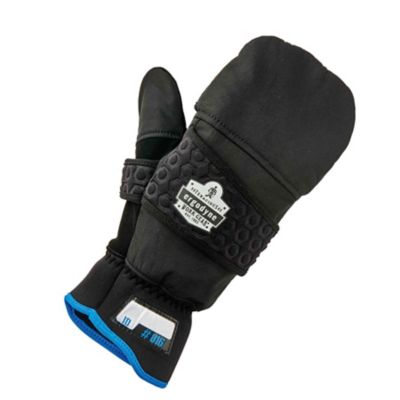
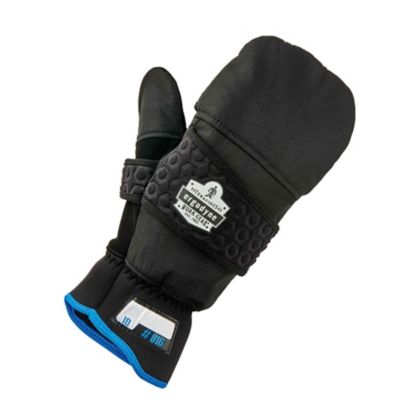
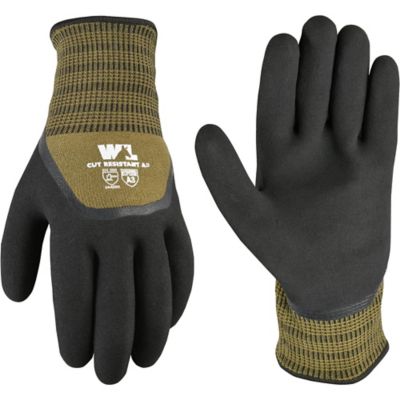
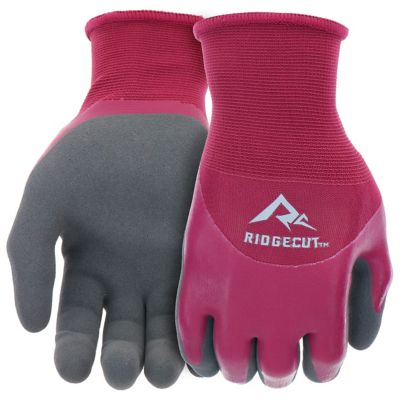
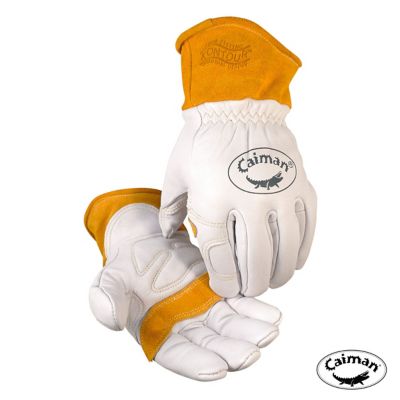
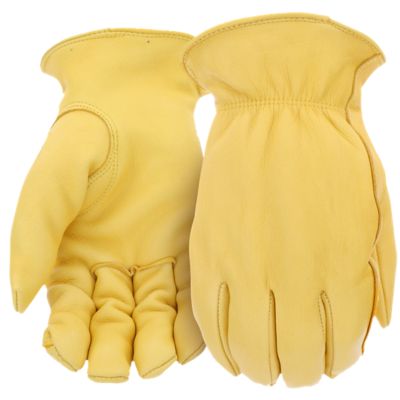
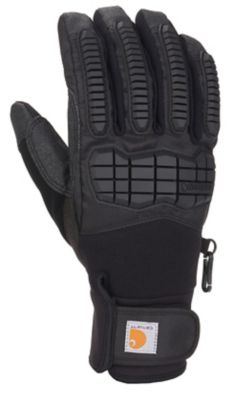
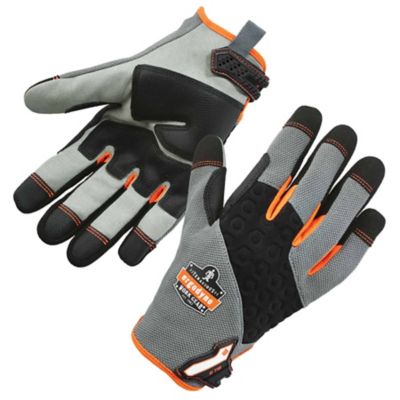
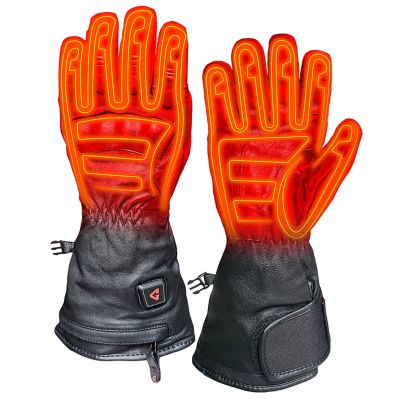
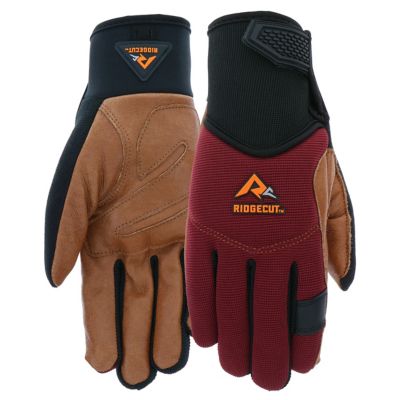
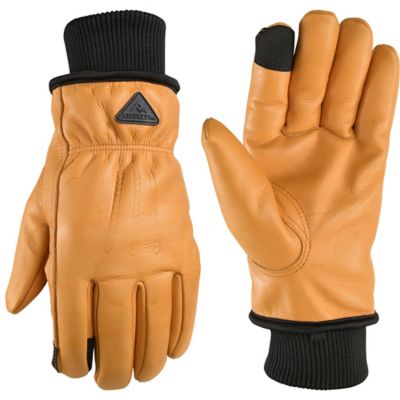
Winter gloves for construction help keep hands warm, dry and ready for the work at hand when cold weather settles over the job site. Construction crews, remodelers, carpenters, roofers, utility workers, landscapers and farmhands may spend long hours handling lumber, fasteners, pipe, tools and equipment in conditions that range from a chilly morning to freezing rain and blowing snow. The right gloves need to balance warmth with the feel needed for everyday tasks. Insulated liners, including acrylic or other thermal materials, help hold in body heat without making the glove so bulky that it gets in the way. A coated palm can add dependable traction when you are carrying wet boards, moving bundled materials or gripping a cold tool handle. Latex, nitrile and similar coatings are often chosen for their wet-weather grip, while leather and leather-blend materials can offer a comfortable, broken-in feel for material handling and general outdoor work. Water-resistant gloves help shed light moisture, and waterproof designs are better suited to steady rain, melting snow or work around wet surfaces. Keep in mind that no glove can make cold disappear if it is soaked through, so a weather-resistant outer layer and a snug, comfortable fit both matter. A longer knit or adjustable cuff can help keep cold air and blowing debris from slipping inside, especially when worn over a sweatshirt or jacket sleeve. Look for reinforced areas where your hands take the most wear, such as the palms, fingertips and space between the thumb and index finger. Those details can make a real difference when gloves rub against rough lumber, masonry or metal all day.
Dexterity is just as important as insulation on a busy construction site. A glove that is warm but too thick may make it harder to pick up screws, sort small hardware, thread pipe, tie wire or adjust a tool. High-gauge knit shells and flexible coated palms can provide a closer fit for jobs that call for more fingertip control, while heavier insulated gloves may be the better choice for extended exposure, snow removal, material handling or equipment work. Consider the hazards around the job as well. If there is a chance of contact with sharp sheet metal, rough edges, broken materials or cutting tools, check the glove's cut-resistance rating and choose protection suited to the task. For electrical work, gloves should be selected according to the appropriate safety requirements rather than relying on a general-purpose winter work glove. Grip can change with temperature and moisture, too; a textured or micro-finished palm may help maintain control on slick lumber, icy railings and damp equipment. Touchscreen-compatible fingertips can be handy for checking a work order or using a phone without exposing your hands, but they should be treated as a convenience, not a substitute for safe work practices. Fit the glove around the largest part of your hand and make sure the fingers reach close to the ends without pressing tightly. Extra room can reduce control, while a glove that is too snug may restrict movement and leave less room for warm air. Many workers keep a lighter, more dexterous pair for fastening and finish work and a warmer, more weatherproof pair for outdoor handling. Having a spare set in a truck, tool bag or job box is practical when the first pair becomes damp before the day is done.
Winter construction gloves can be useful for more than large commercial sites. Homeowners working on repairs, ranchers checking fences, delivery workers, maintenance crews and anyone splitting firewood or clearing snow can benefit from hand protection that combines warmth, grip and durability. They also make a thoughtful gift for a new apprentice, a handy neighbor, a parent who works outdoors or someone building a cold-weather tool kit. For a gift, a versatile pair in a common neutral color and a comfortable size is an easy choice, though checking hand measurements is best when possible. Workers who spend most of their time outside may appreciate waterproof insulation, while someone doing indoor framing or finish work may prefer a lighter glove with better finger feel. As the weather warms and cools throughout the day, layered clothing and a pair of gloves that can be taken off and put back on easily can help prevent sweaty hands followed by a sharp chill. Let wet gloves dry fully between uses, following the care instructions for the material, and avoid storing them crumpled in a damp truck cab or tool box. Keep pairs together, inspect the coating and stitching for wear, and replace gloves when holes, thinning palms or damaged cuffs reduce their protective value. For more cold-weather options sized and styled for outdoor work, browse
Women's Winter Work Gloves. Whether the job involves framing a shed, repairing a gate, unloading supplies or working around the farm, dependable winter gloves help keep hands warmer, improve grip and make long hours outside more comfortable.