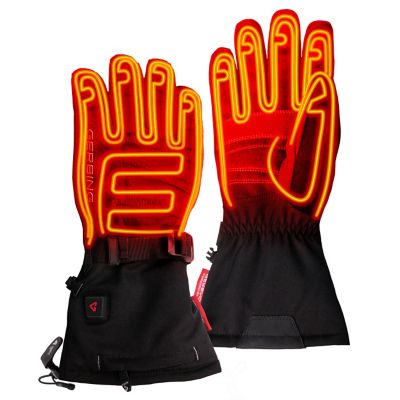
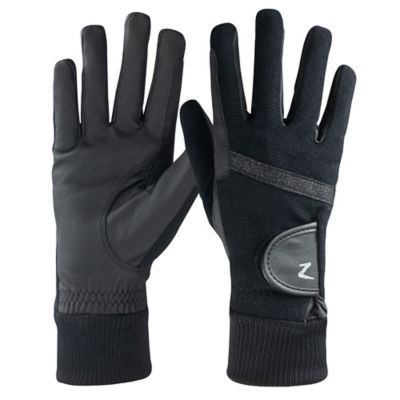
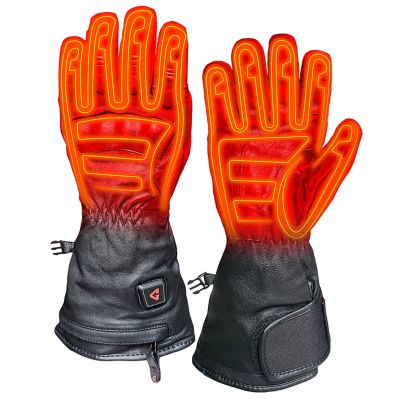
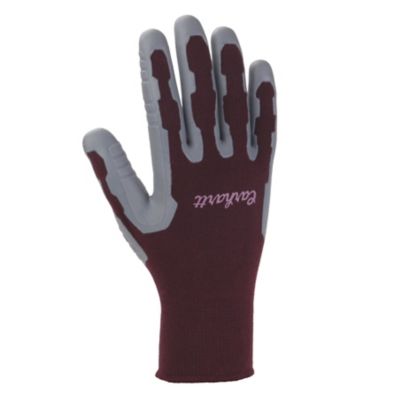
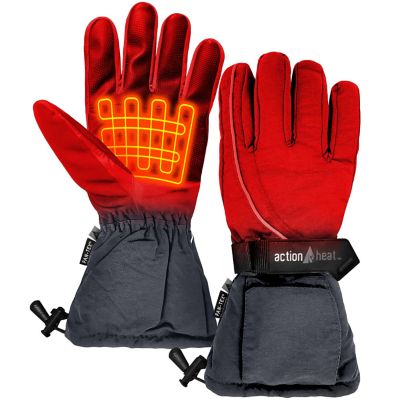
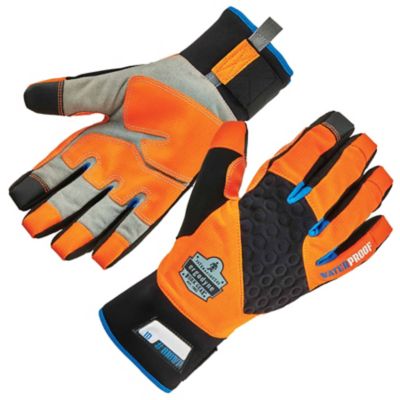
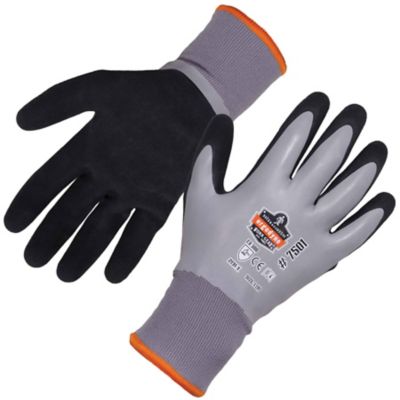
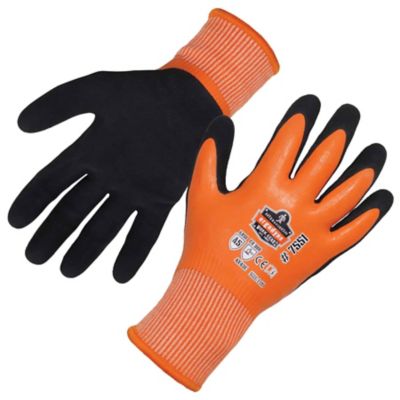
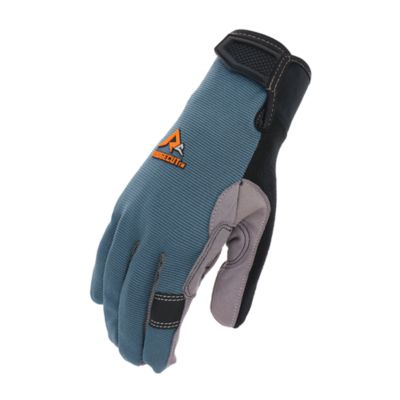
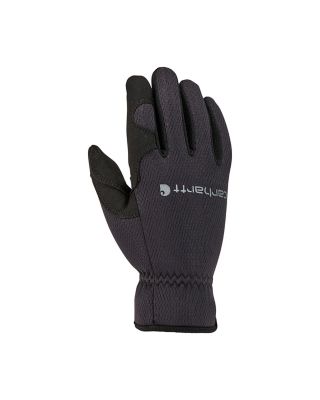
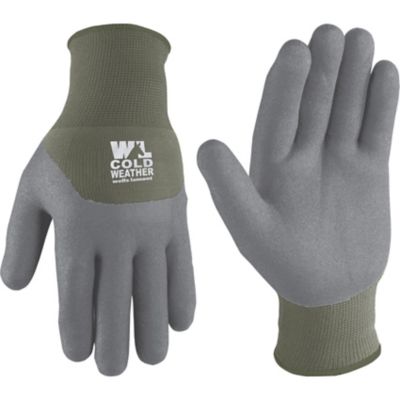
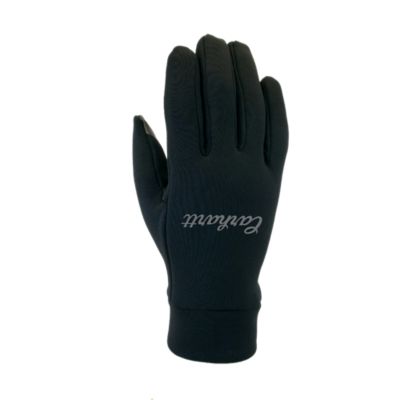
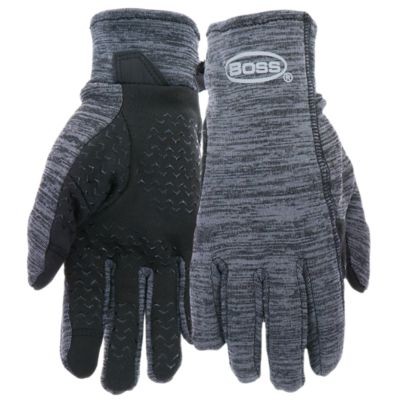
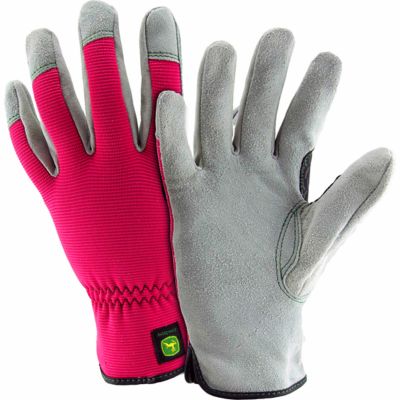
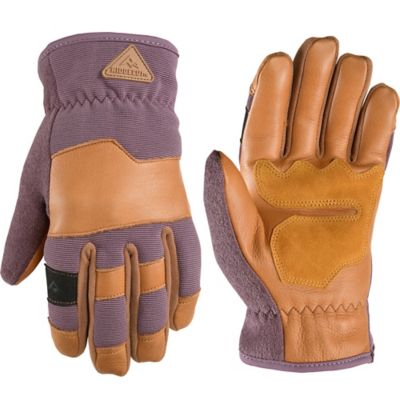
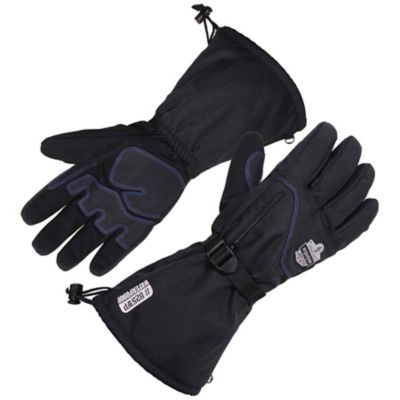
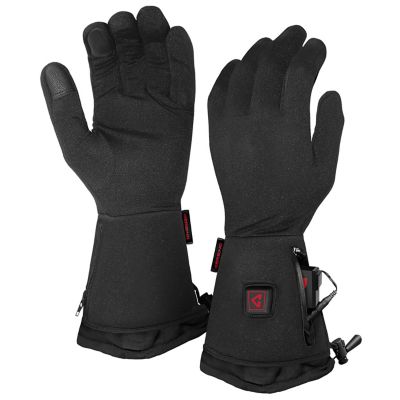
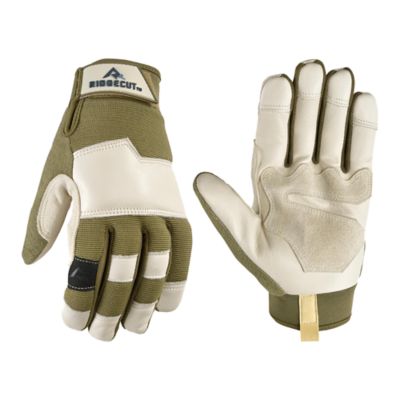
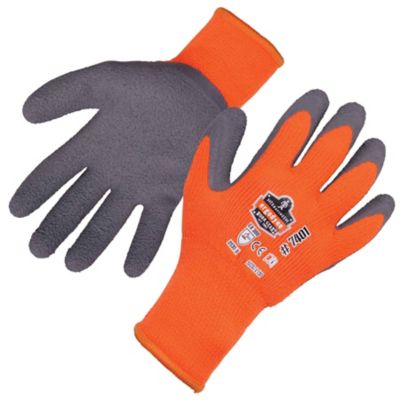
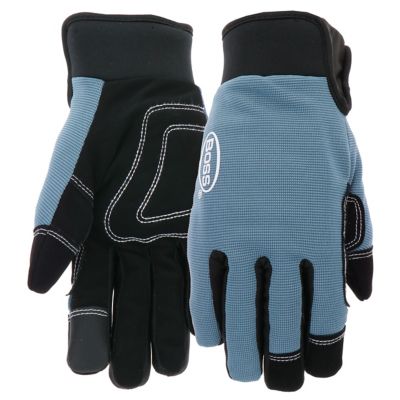
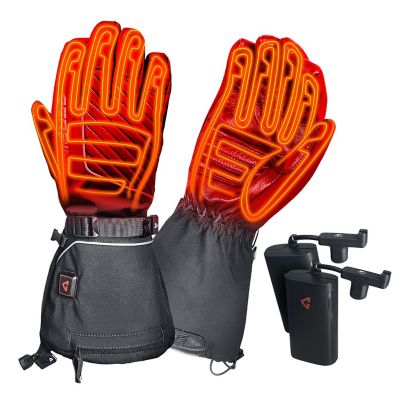
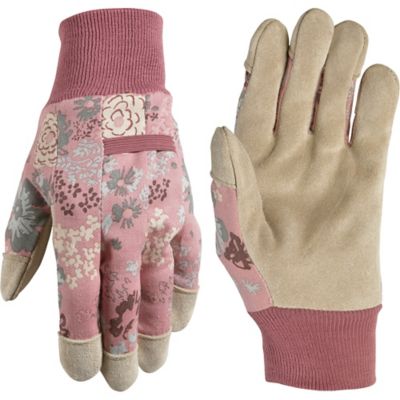
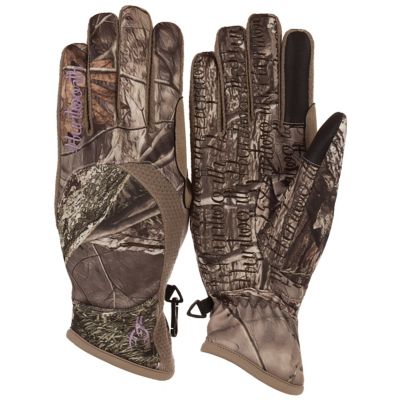
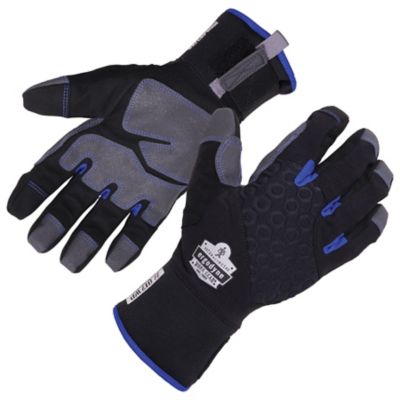
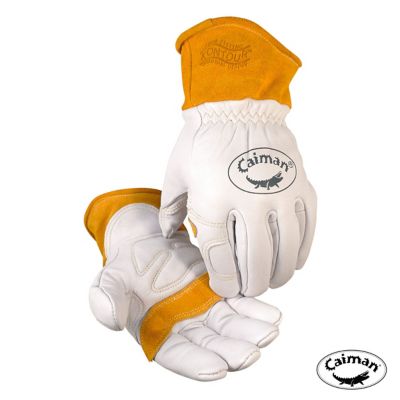
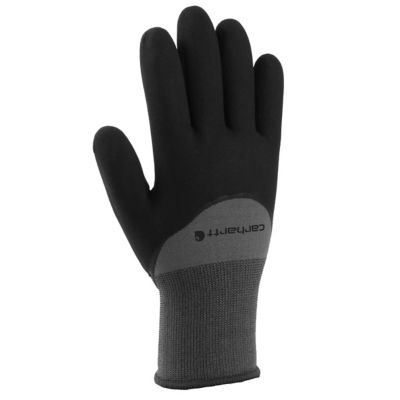
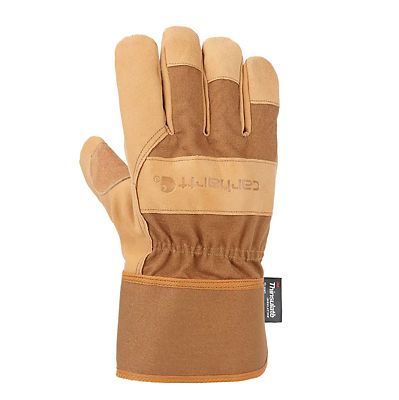
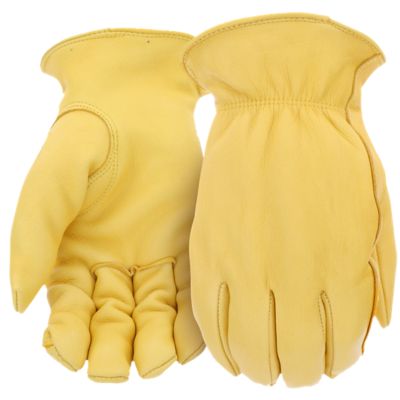
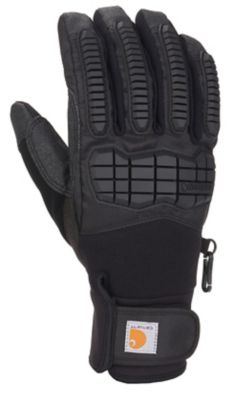
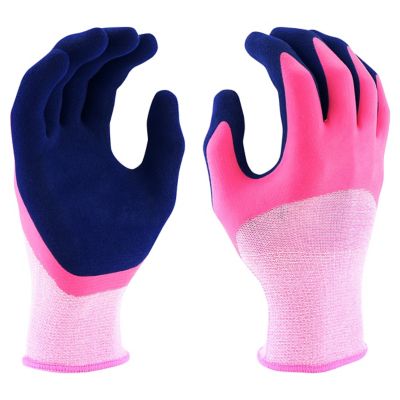
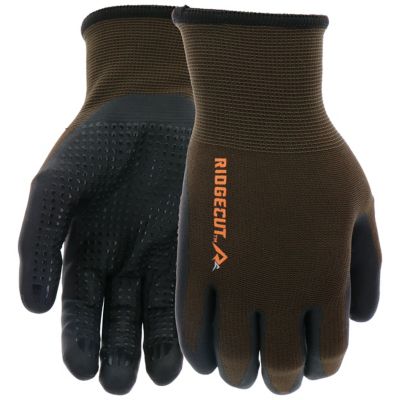
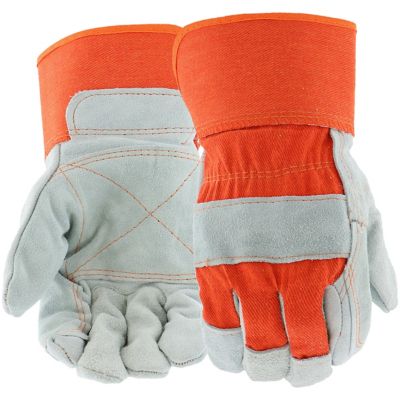
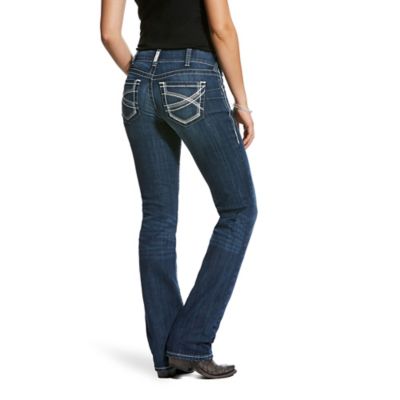
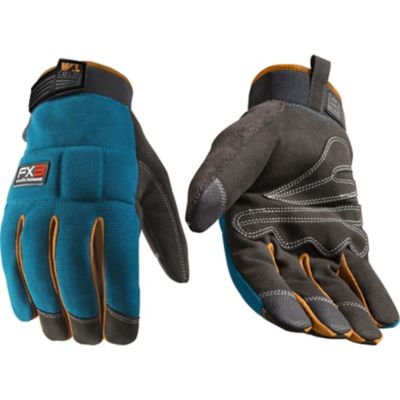
Women’s winter work gloves are made for the kind of outdoor jobs that do not stop when the temperature drops. Chores around a farm, ranch, homestead, workshop, or property can mean feeding animals before sunrise, repairing a fence in a cold wind, hauling firewood, clearing brush, stacking supplies, or tending to equipment with frost still on the ground. The right pair helps keep hands warm while providing the grip and protection needed to work safely. When shopping for women’s winter work gloves, start with the conditions you expect to face. Insulated gloves with fleece, synthetic fill, or other thermal lining are a solid choice for cold, dry weather, while gloves with a waterproof membrane or water-resistant outer material are better suited to snow, sleet, freezing rain, wet gates, and damp lumber. A longer gauntlet cuff can help keep cold air, snow, and debris from slipping between the glove and jacket sleeve. For general chores, a flexible knit glove with a coated palm may offer the right balance of warmth and movement. For heavier work, leather or rugged synthetic materials can provide more abrasion resistance when handling rough fence posts, split firewood, tools, or feed bags. Keep in mind that the warmest glove is not always the best glove for every task. Thick insulation can make fine movements harder, while a lighter glove may leave hands chilly during long stretches outside. Matching the glove to the work makes a noticeable difference, especially when a job involves repeated gripping or extended time in the elements.
Fit is just as important as insulation. Women’s work gloves are often shaped with a narrower hand profile and shorter finger lengths than unisex styles, which can help reduce extra material bunching at the fingertips and palm. A glove should feel secure without squeezing, with enough room to move your fingers and make a relaxed fist. Too much space can allow cold air in and make it harder to hold a shovel, lead rope, wrench, or pair of pruning shears. Too little room can restrict circulation, leaving fingers cold even when the glove has plenty of insulation. Look for adjustable wrist closures, elastic cuffs, or hook-and-loop tabs that help hold the glove in place and seal out drafts. Reinforced palms and fingertips are useful for work that involves repeated friction, while padded knuckles can add comfort when handling tools or loading materials. Textured palms, rubberized coatings, and grip patterns help with wet or smooth surfaces, though some coatings can feel stiff in colder conditions. If you move between outdoor chores and quick tasks indoors, touchscreen-compatible fingertips may let you check a phone, read a message, or adjust a device without exposing your hands. For jobs involving chemicals, sharp edges, powered equipment, or serious impact hazards, winter warmth alone is not enough; choose hand protection rated for the specific risk and follow safe operating practices. It also helps to keep a spare pair nearby. A second set can be useful when the first pair becomes wet, muddy, or worn during a long day of work.
A dependable pair of women’s winter work gloves can make a thoughtful gift for someone who spends free time outdoors or takes pride in keeping a place running through the cooler months. They suit gardeners extending the season, horse and livestock owners, hunters, property caretakers, wood burners, mechanics, utility workers, and anyone who regularly works with their hands outside. They can also be a practical addition to a cold-weather care package for a daughter, wife, mother, sister, neighbor, or friend who would rather be prepared than turn a chore over to someone else. When giving gloves as a gift, consider the recipient’s usual tasks and whether they value warmth, dexterity, durability, or water resistance most. A person who feeds animals and handles buckets may prefer a flexible, easy-grip style, while someone splitting wood or repairing buildings may need tougher construction and reinforced areas. For everyday yard work, look for gloves that are comfortable enough to wear for hours and easy to clean. For wet conditions, prioritize water protection and secure cuffs. For cold, windy work, focus on insulation, coverage, and a close fit that still allows natural movement. Store winter gloves somewhere dry between uses, brush off dirt before it settles into the material, and follow the care instructions so the lining and outer shell keep their shape. Avoid leaving damp gloves crumpled in a truck, barn corner, or mudroom; allowing them to dry fully can help prevent lingering odors and stiff materials. Those shopping for cold-weather hand protection for another member of the household can also browse
Men's Winter Gloves for additional sizing and style options. With the right balance of warmth, grip, fit, and protection, winter work gloves help make frosty mornings, muddy afternoons, and long outdoor jobs more manageable from the first chore to the last.