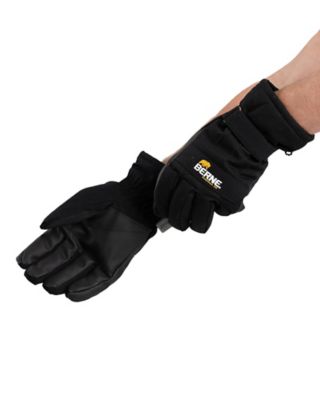
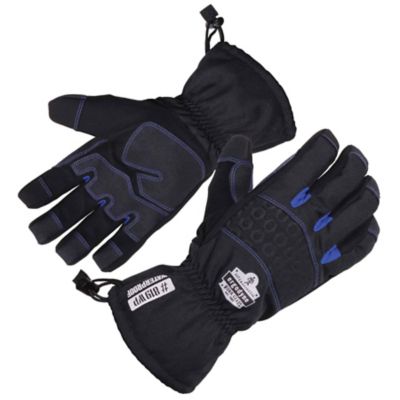
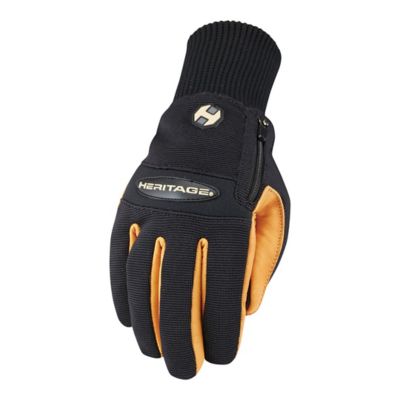
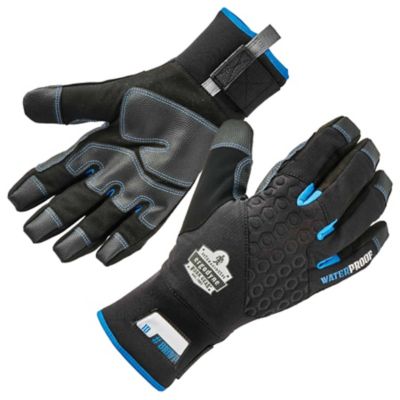
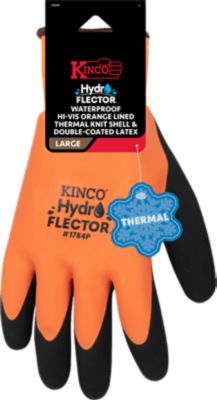
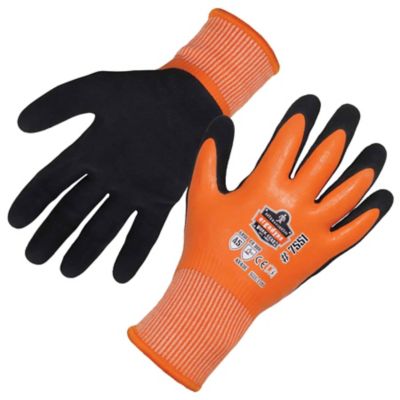
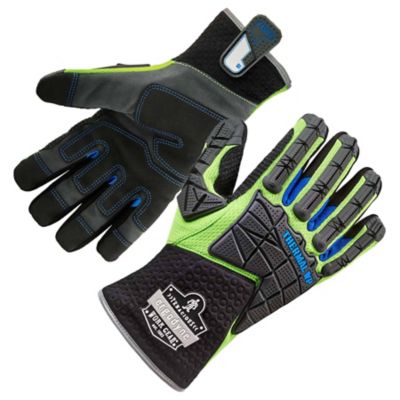
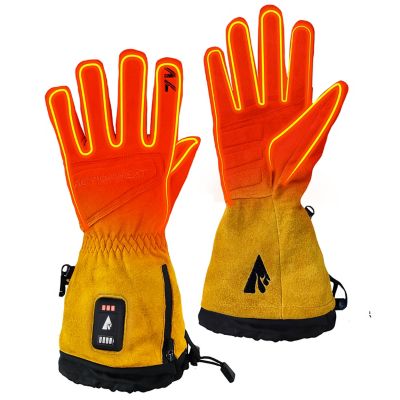
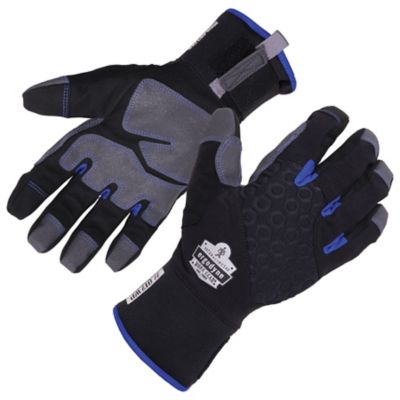
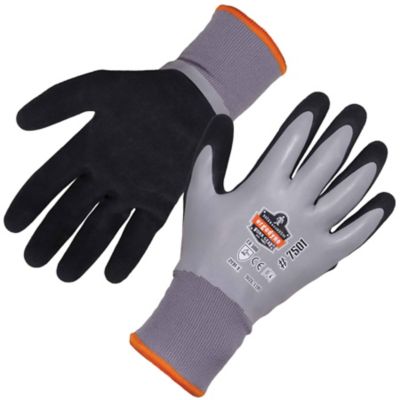
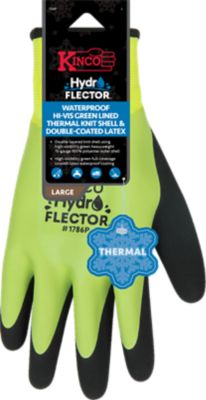
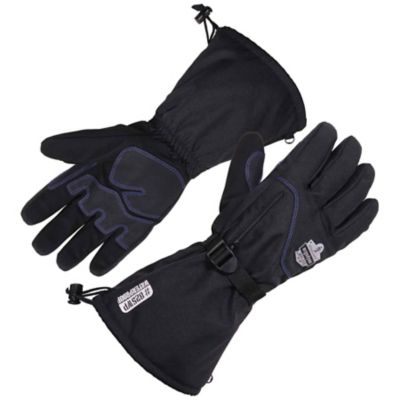
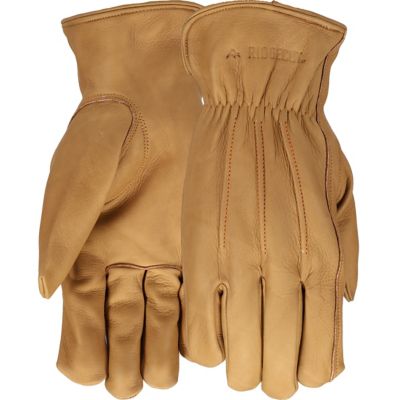
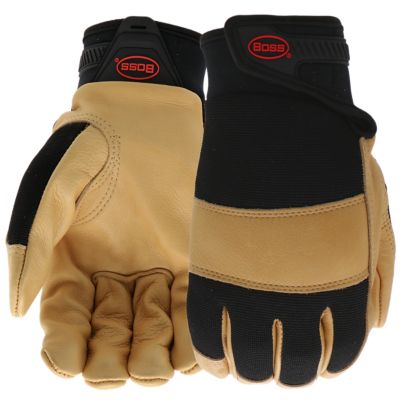
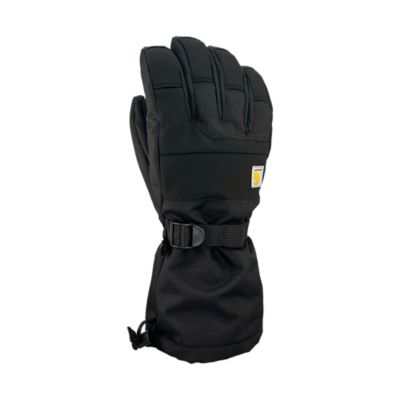
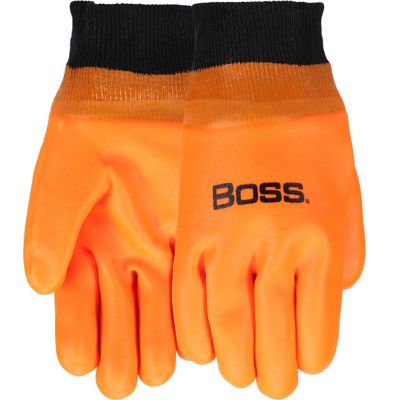
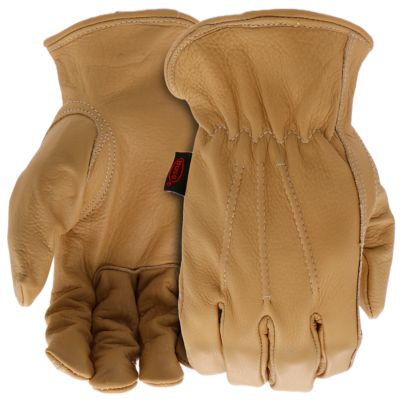
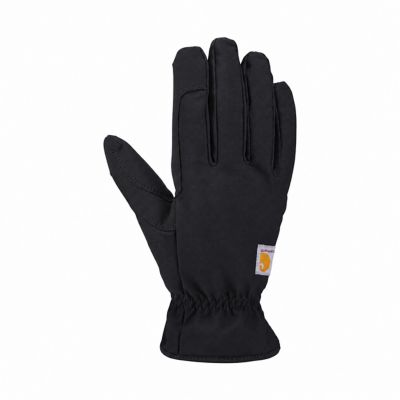
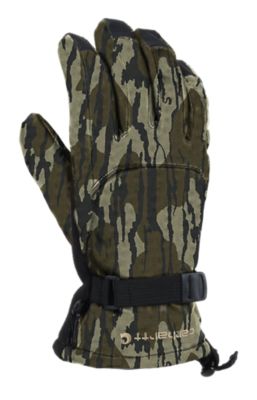
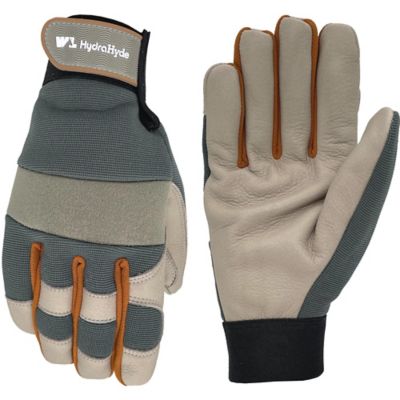
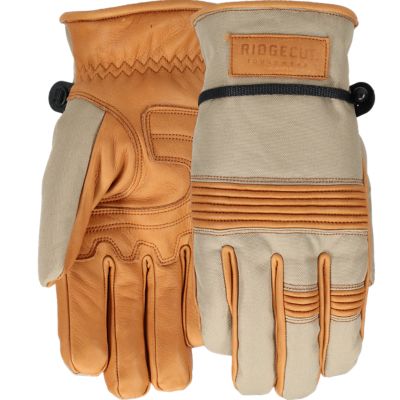
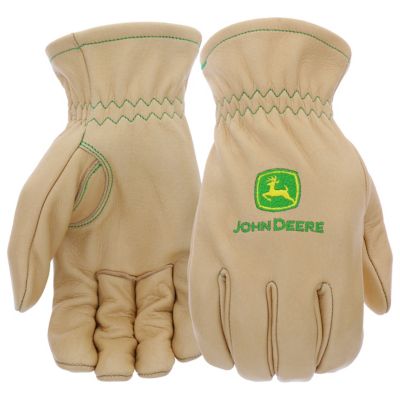
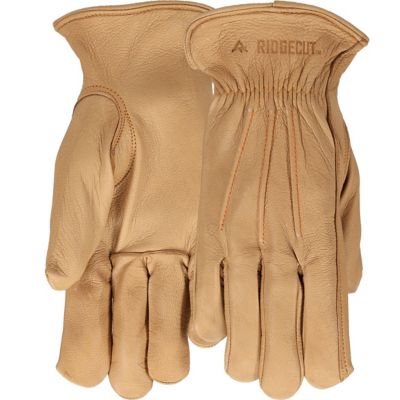
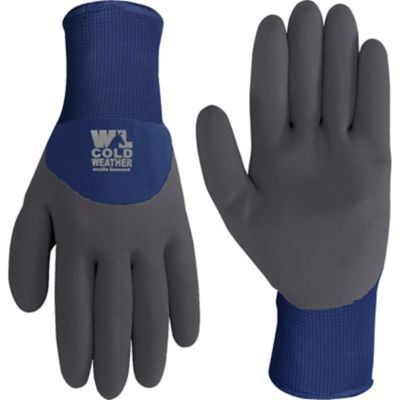
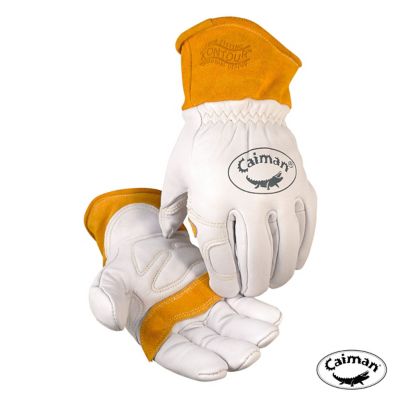
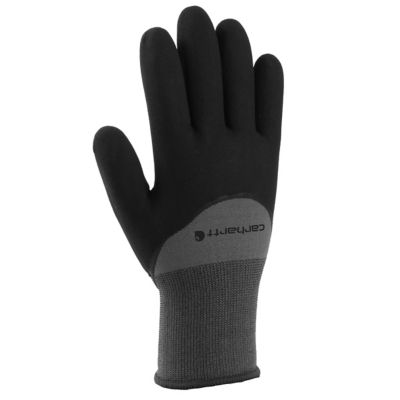
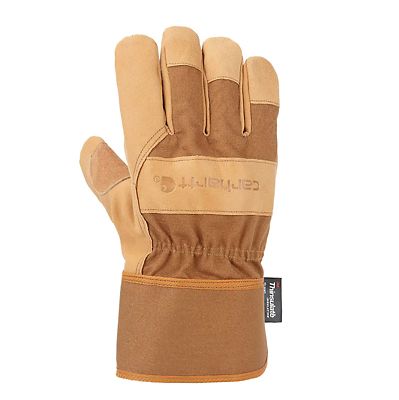
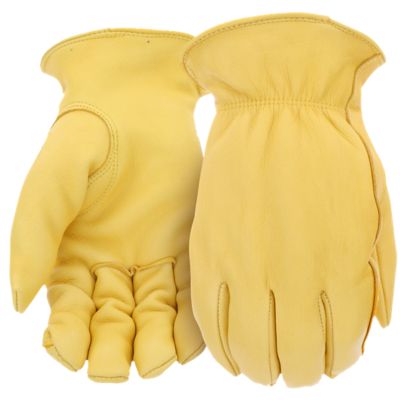
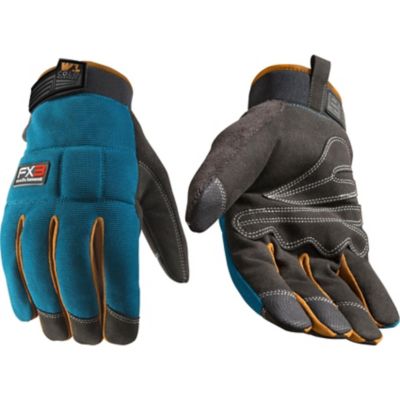
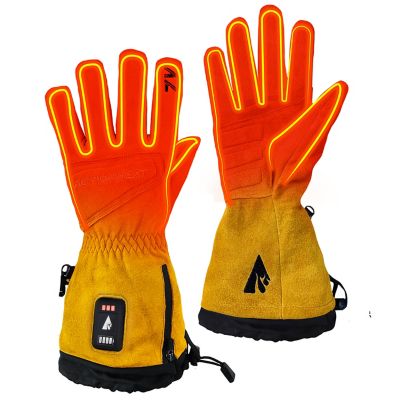
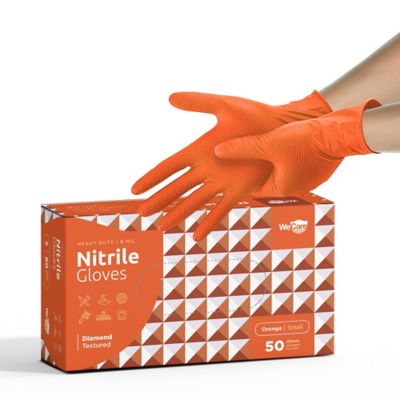
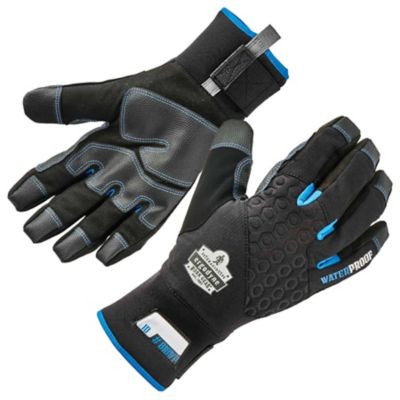
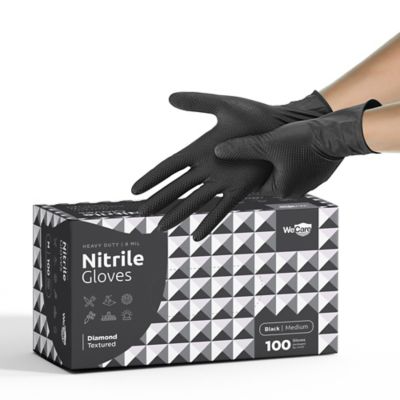
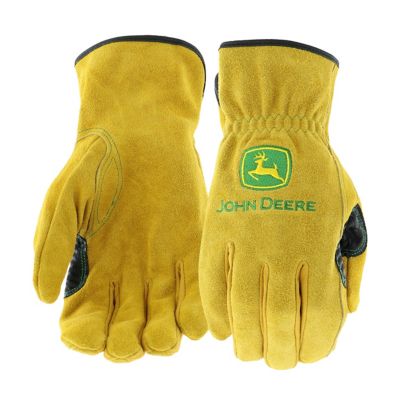
Heavy-duty waterproof work gloves help keep hands dry through wet, demanding chores, from moving rain-soaked lumber to clearing muddy drainage lines and tending livestock waterers. Their job is to pair a barrier against water with the grip, flexibility, and wear resistance the task calls for. Waterproof and water-resistant are not the same thing: water-resistant materials can shed light moisture, while waterproof construction is intended to block water from passing through the protected areas of the glove. That protection may come from a full outer coating or an internal membrane beneath a fabric or leather shell. Neither design keeps water from running in through an open cuff, and protection during prolonged immersion depends on the glove’s stated limits. Common materials include nitrile, latex, PVC, synthetic fabrics, and leather, each bringing different strengths to the job. Nitrile coatings can provide abrasion resistance and grip, though performance on wet or oily surfaces depends on the coating and its texture. Latex coatings offer flexibility and traction for many wet handling tasks, but natural rubber latex is a concern for anyone with a latex allergy. PVC-coated gloves are another option for wet handling, with flexibility varying by thickness and formulation. Leather can offer a comfortable feel and stand up to rough handling, but leather alone does not establish that a glove is waterproof; a separate membrane or other specified construction may supply that protection. Fully coated knit gloves cover more of the hand than palm-coated styles, which may leave the fabric back open to moisture. A sandy, crinkled, or otherwise textured palm can help maintain a hold on slippery handles and wet materials. For farm chores, grounds maintenance, construction, and equipment cleanup, those details matter more than a heavy-looking exterior. Grip should suit the object in hand, whether that is a shovel handle, a slick bucket, or a length of damp pipe. A glove that feels substantial still needs enough flexibility for the work.
Fit makes a big difference when a chore involves both hard pulling and small adjustments. Heavy-duty waterproof work gloves should allow a full fist without pulling tightly across the knuckles, while the fingertips should sit close enough to make handling clips, fasteners, and gate latches manageable. Too much loose material can bunch around a tool handle; a glove that is too tight can restrict movement and make a long stretch of work uncomfortable. Sizing charts and hand measurements offer a better starting point than assuming every glove fits the same. Lined designs also need room for the lining without leaving the hand swimming inside. For cold, wet work, insulation can help with comfort, but thicker insulation usually trades some fingertip feel for warmth. A lighter lining may better suit active chores that keep hands moving, while more insulation may suit slower work with longer pauses. Breathable waterproof membranes can help moisture vapor escape, although no glove construction guarantees sweat-free hands during strenuous work. Cuff design deserves attention, too. A close-fitting wrist can keep the glove from shifting, while a longer gauntlet extends coverage beyond the wrist during splash-prone jobs. Sleeve and cuff positioning affect where runoff goes, especially when reaching up or leaning over a tank. Reinforced palms, fingertips, and thumb areas can add protection against wear where ropes, handles, and rough materials rub most often. Those reinforcements do not automatically establish cut, puncture, or impact protection. Any such protection needs its own stated rating, matched to the task. Waterproofing also does not establish chemical resistance, electrical protection, or suitability for hot work. Handling cleaners, fuels, pesticides, or other chemicals calls for checking the glove material against the substance and exposure conditions listed by the manufacturer. Around exposed rotating machinery, gloves can present an entanglement hazard, so equipment instructions and workplace rules take priority. Keeping these distinctions separate helps match hand protection to the actual job rather than relying on a broad heavy-duty description.
Wear life depends on construction, the surfaces being handled, and what happens after the gloves come off. Dragging rough blocks, gripping abrasive rope, and working against sharp edges put different demands on palms and fingers than carrying feed buckets or washing tools. Seams, coating coverage, and reinforcement placement can make a noticeable difference over time. Small cracks, worn fingertips, peeling coatings, or damaged seams can compromise water protection even when the rest of the glove still looks serviceable. An interior that stays damp after work may reflect trapped perspiration, water entering at the cuff, or damage to the barrier; those possibilities call for a closer look rather than an assumption that more insulation will solve the problem. Care instructions vary by material, so washing and drying methods should follow the glove label. Some coated gloves tolerate a rinse or gentle cleaning, while leather and membrane-lined designs may need different treatment. Strong solvents, bleach, high dryer heat, and direct heat from a stove or heater can damage certain coatings, leather, adhesives, or liners. Gloves generally benefit from drying fully before storage, with cuffs open for airflow and removable liners separated when the care instructions allow it. A spare dry pair can make a long chore day more comfortable while another pair dries. For jobs that cross into framing, building repairs, and handling construction materials,
Heavy Duty Construction Gloves are another category to consider, with waterproofing and task-specific protection checked separately. Waterproof work gloves can also make a practical gift for someone who spends time maintaining acreage, caring for animals, repairing equipment, or keeping a property running. Knowing the person’s hand size and regular chores matters more than choosing the thickest pair. The best match leaves enough feel to work a latch, enough grip to hold a wet handle, and the right protection for the work ahead.