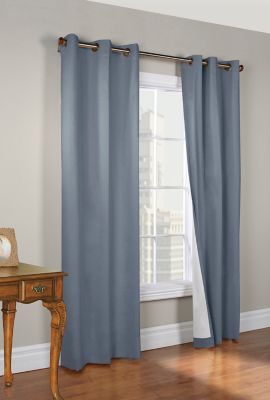
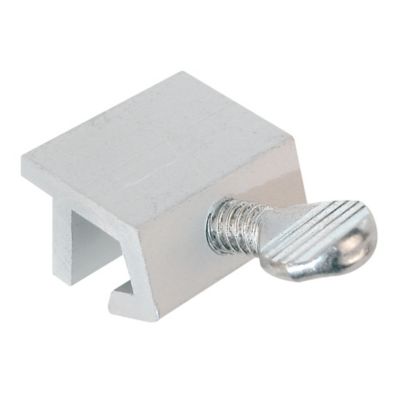
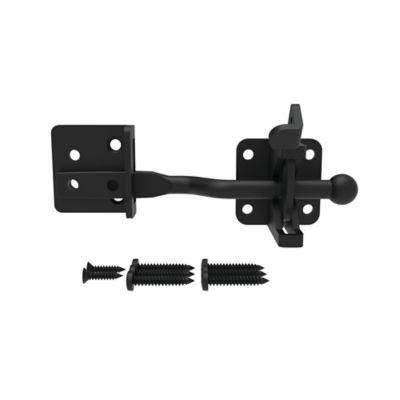
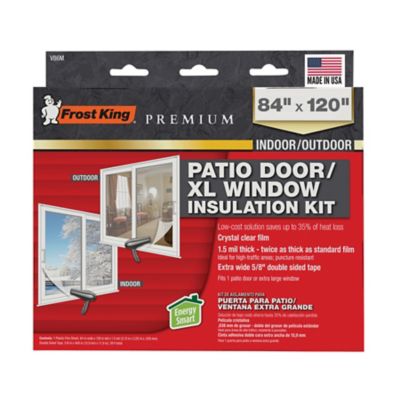
Window fixtures bring together the practical hardware and finishing touches that help a room feel more comfortable, private and put together. This broad category includes blinds, shades, curtains, drapes, shutters, rods, tracks, brackets, fasteners, sash lifts and pulls. Some pieces are made to control sunlight and glare, while others help hold a covering securely, make a window easier to operate or add a little character around the trim. In a farmhouse kitchen, a simple shade can soften the bright morning sun without hiding the view of the pasture. In a bedroom, a fuller covering can help darken the room and make cooler nights feel more settled. Living rooms, porches, workshops, guest rooms and outbuildings can all benefit from the right window fixtures, especially when a bare window leaves a space feeling unfinished. When shopping, start by considering what the window needs to do. Blinds with adjustable slats allow you to tilt light up, down or away from furniture and flooring, while shades offer a clean panel that can roll, fold or gather out of the way. Curtains and drapes add softness and can help block light, drafts and outside views, and shutters provide a sturdy, built-in look with louvers that can be adjusted for privacy and airflow. Rods and tracks support fabric coverings, while brackets and fasteners keep the setup steady on the wall or inside the window opening. Sash lifts and pulls can make older or frequently used windows easier to raise, lower or adjust. For more choices that can help complete a window project, browse
Window Accessories. Whether you are refreshing one tired-looking window or outfitting several rooms, matching the fixture to the way the space is used will make the finished setup more useful day after day.
Taking accurate measurements is one of the most important parts of choosing window fixtures. Measure the width in more than one place, since older frames and handmade trim may not be perfectly square, then use the narrowest measurement when an inside mount needs to fit within the opening. Measure the height as well, and check for handles, locks, cranks, deep sills or other hardware that could interfere with movement. An inside mount sits within the window recess for a neat, tailored appearance and lets the trim remain visible. An outside mount attaches to the wall or trim around the opening, which can make a window look taller or wider and may help cover gaps around the edges. Outside mounting can also be useful when the window opening is shallow or uneven. Pay attention to how far the fixture will project from the wall, particularly near cabinets, narrow walkways and busy kitchen work areas. Hardware should be installed into a solid surface whenever possible; drywall anchors or other suitable fasteners may be needed when a stud is not in the right spot. A level, pencil and tape measure can prevent a crooked row of curtains or a shade that rubs at one side. In homes with children or pets, choose operating features and cord arrangements with safety in mind, and keep loose cords away from cribs, beds, kennels and favorite climbing spots. Material matters, too. Moisture-resistant choices suit bathrooms, laundry rooms and enclosed porches, while easy-clean surfaces can be a better fit above a sink or in a mudroom where dust, flour and muddy fingerprints are part of everyday life. In rooms that face strong afternoon sun, look for coverings that help reduce glare and protect furnishings from fading. During the cooler months, a close-fitting covering can add a layer between the room and the glass, while lighter options can keep a space feeling open as the weather warms.
Style is worth considering, but function should lead the way. Neutral shades, natural-looking textures and simple hardware can blend with wood trim, painted walls and country furnishings without competing with the rest of the room. A more decorative rod or fuller drape can frame a large picture window, while a compact shade may suit a narrow bathroom or utility room. If several windows share a wall, keeping their top lines consistent often makes the room look more orderly, even when the windows are different sizes. Layering can also solve more than one problem: a shade can manage daytime glare while curtains add softness and privacy in the evening. In a bedroom or nursery, room-darkening coverage may help create a calmer setting for rest. In a den, home office or sewing room, adjustable light can reduce screen glare and make detailed work easier on the eyes. Farmhouses and rural homes often have a mix of newer windows, older sash windows and unusual openings, so flexible hardware and careful measurement can be especially helpful. Window fixtures can also make a thoughtful housewarming gift for someone settling into a new home, fixing up a guest room or giving an older farmhouse a fresh finish; a set of useful hardware or a well-chosen covering feels personal without requiring you to know every detail of the recipient’s decorating style. Before installation, check the wall material, window operation and clearance around the frame, and follow the hardware instructions for weight limits and placement. A secure bracket, a straight track and a covering sized for the opening can turn a drafty, overly bright or exposed room into a more comfortable part of the home.