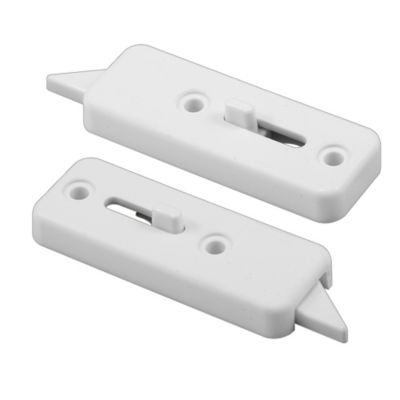
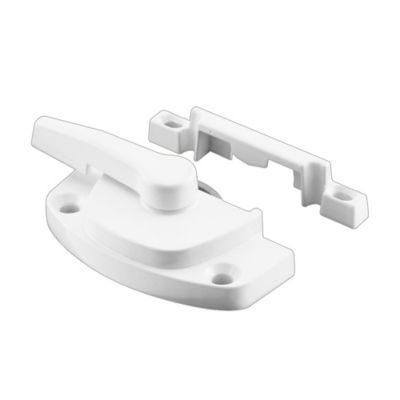
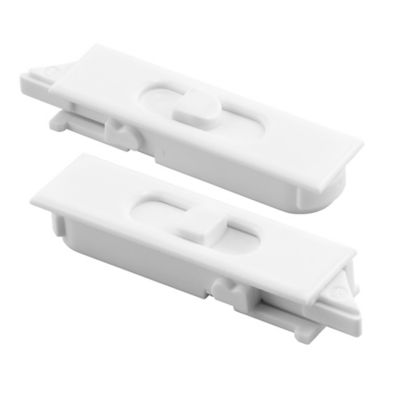
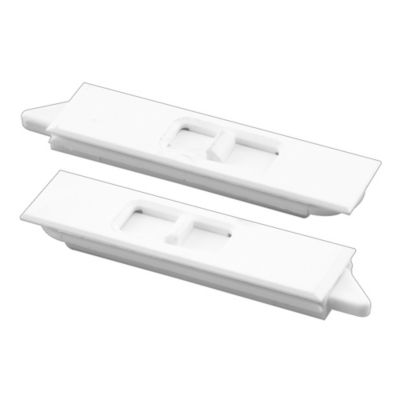
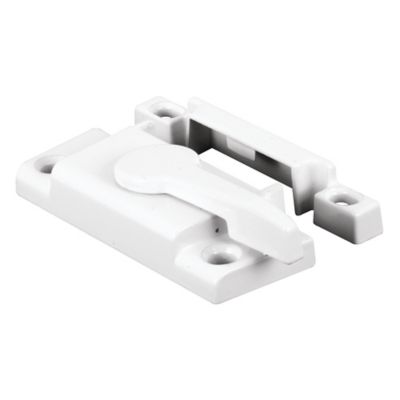
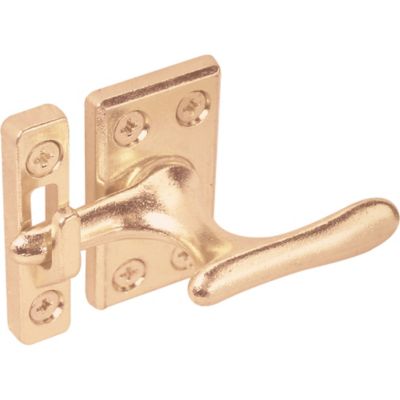
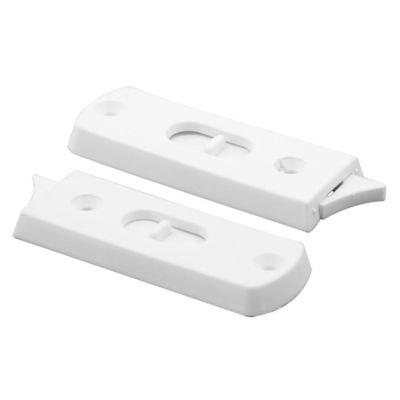
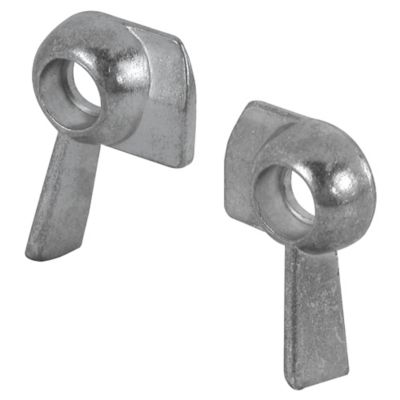
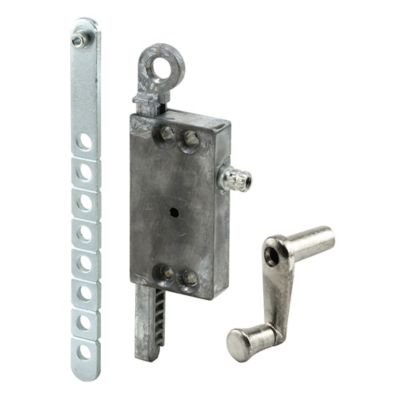
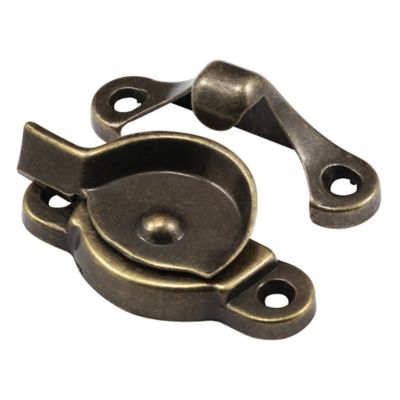
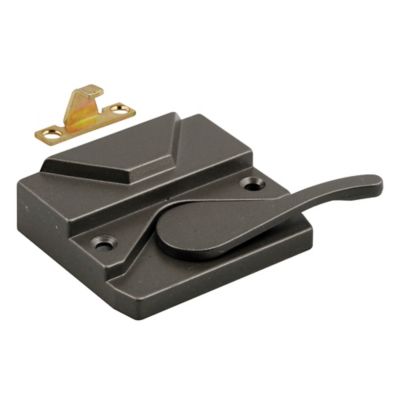
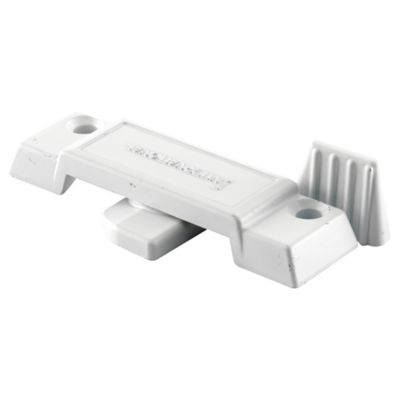
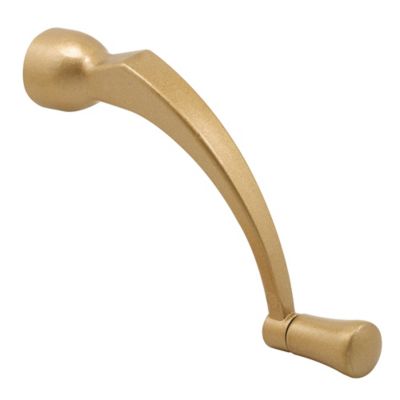
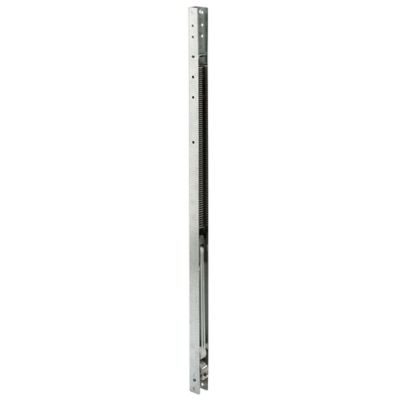
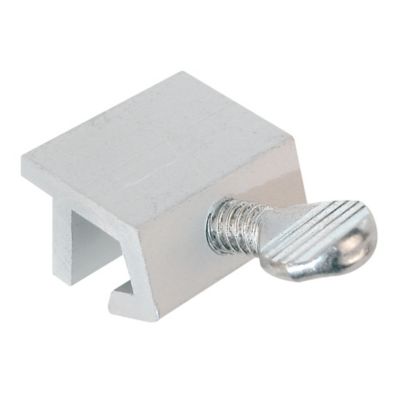
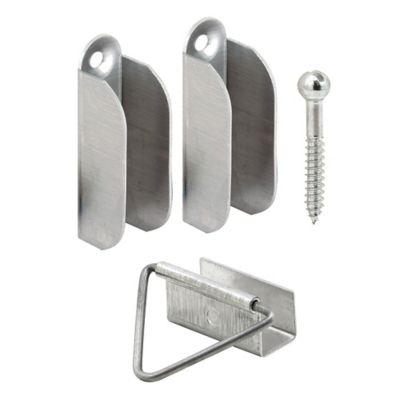
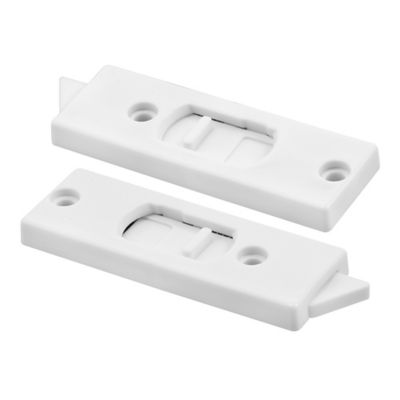
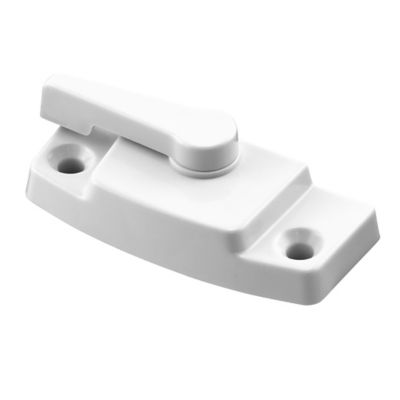
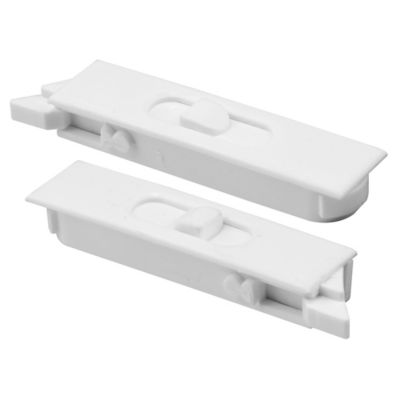
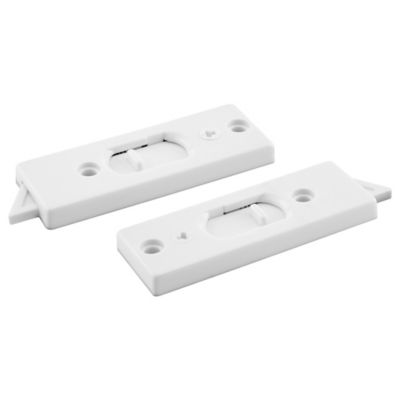
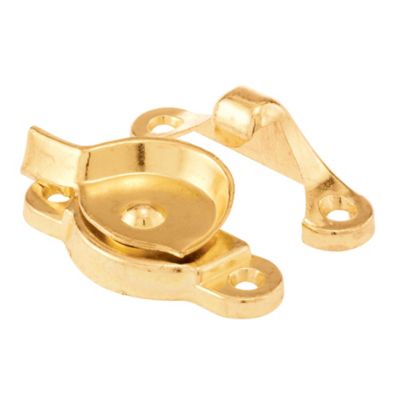
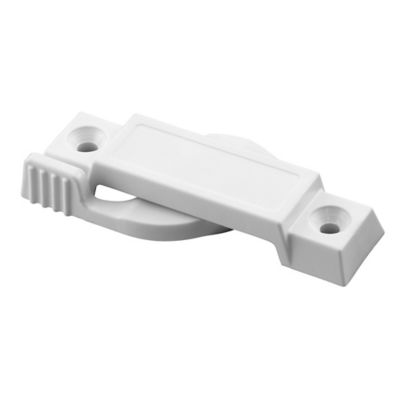
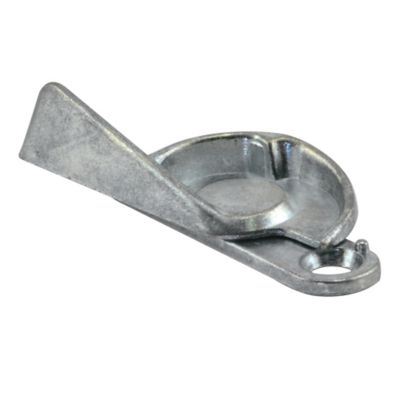
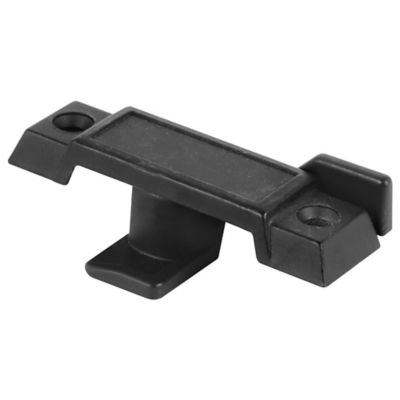
Window fittings are the working parts that help a window open, close, stay in place, and keep a room secure. They include handles, hinges, latches, sash lifts, tilt latches, and other small pieces of hardware fitted to the frame or sash. While these parts may be easy to overlook, a worn handle or missing latch can make a good window hard to use and leave a drafty room feeling less comfortable during the cooler months. The right replacement fitting can bring back smooth movement without replacing the entire window. Start by identifying the window style. Sliding and double-hung windows move up and down along tracks, so they commonly use sash lifts, spring-loaded tilt latches, sash locks, or handles that help hold the meeting rails together. Casement windows are hinged at the side and swing outward, often using a crank handle, locking mechanism, or casement hinge to control their movement. Awning windows are hinged along the top and open outward from the bottom, while hopper-style windows are typically hinged at the bottom and open inward. A fitting made for one style may not work properly on another, so checking how the window moves is an important first step. Pay attention to the shape and position of the existing part, the direction it operates, the distance between screw holes, and the size of the opening where the fitting sits. Taking a quick picture before removing old hardware can also make it easier to compare replacement parts and remember how everything was arranged.
Choosing window fittings is usually a matter of matching function, measurements, and the conditions around the window. For a handle or latch, look for a comfortable grip and a secure closing action without forcing the sash. A good latch should hold the window firmly while still releasing cleanly when you need fresh air. Sash lifts are useful on taller or heavier double-hung windows because they give your fingers a solid place to pull the lower sash upward. Tilt latches are especially handy when a vertical sliding window tilts inward for cleaning or maintenance; both latches need to engage evenly so the sash stays level and secure. On a casement or awning window, hinges should match the original length, mounting pattern, and opening direction. Stainless or corrosion-resistant hardware can be a practical choice in damp rooms, barns, utility areas, kitchens, and homes near humid conditions. Before buying, inspect the frame for rot, swelling, cracked wood, loose screws, or damaged tracks. A new fitting cannot correct a warped frame or a sash that has dropped out of alignment, though it can often solve a straightforward hardware failure. Keep the old part nearby until the replacement has been confirmed, and measure twice before drilling new holes. For added security, browse
Window Locks that fit the window style and frame. When the original brand or part number is not clear, note the window type—sliding, casement, double-hung, awning, or hopper—along with any brand name visible on the frame, the part that is broken or missing, and the measurements between mounting holes. Those details are useful when comparing fittings or asking for help finding a suitable match.
Window fittings can be useful for homeowners, renters with permission to make minor repairs, landlords, maintenance crews, and anyone caring for an older farmhouse, workshop, cabin, shed, or outbuilding. They also make a thoughtful practical gift for a new homeowner or a friend fixing up an older place, especially when a small repair has been sitting on the to-do list for too long. Many repairs are manageable with a screwdriver, a measuring tape, and a little patience. Lay a towel beneath the work area to catch screws, support a heavy sash while removing hinges or handles, and avoid putting pressure on glass or thin trim. If the window has been painted shut, work slowly around the edges rather than forcing the sash and risking cracked glass. Once the fitting is installed, open and close the window several times to check that it moves squarely, latches fully, and does not bind. A light application of a lubricant made for the hardware or window track may help with stiff movement, but keep oily products away from areas where dust and grit can collect. During early fall and the cooler stretch that follows, properly working fittings make it easier to air out a room on mild days, close windows tightly when the wind picks up, and keep frequently used spaces comfortable. In a mudroom, tack room, or workshop, sturdy hardware also stands up to regular use when windows are opened to clear out dust, feed smells, or lingering moisture. A small fitting may not draw much attention when it works, but anyone who has wrestled with a window that will not latch knows how much difference the right part can make.