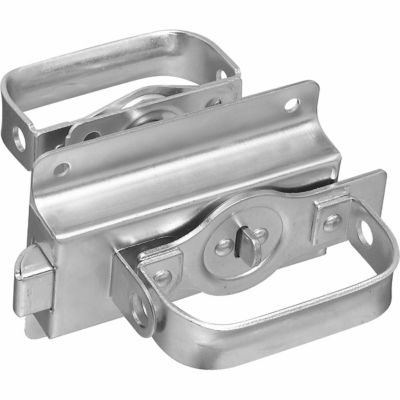
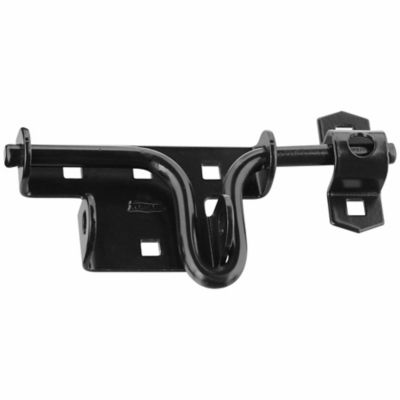
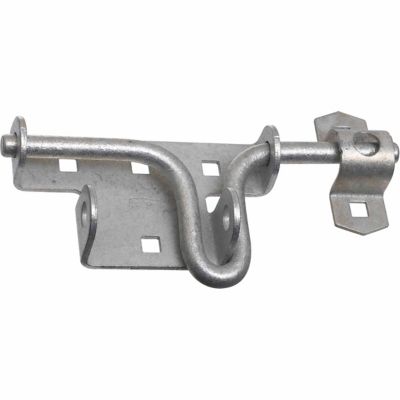
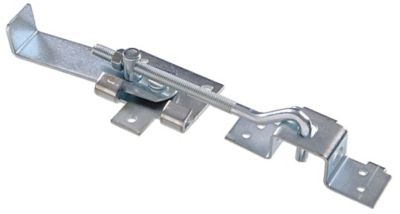
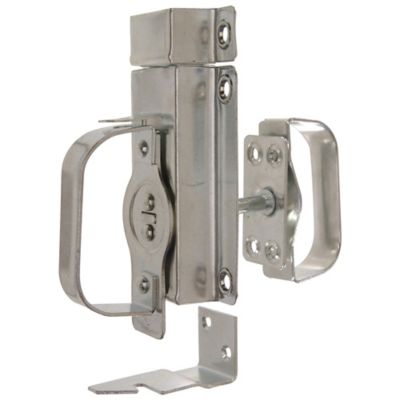
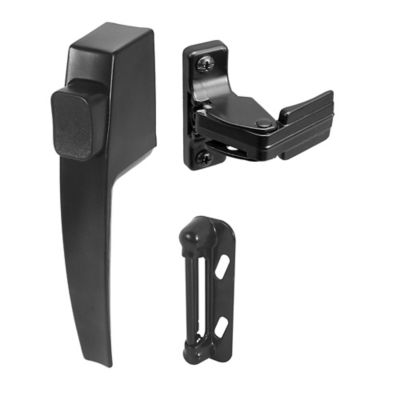
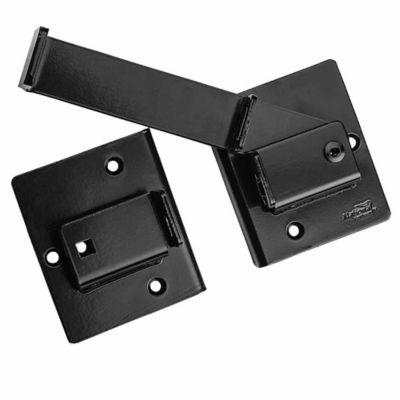
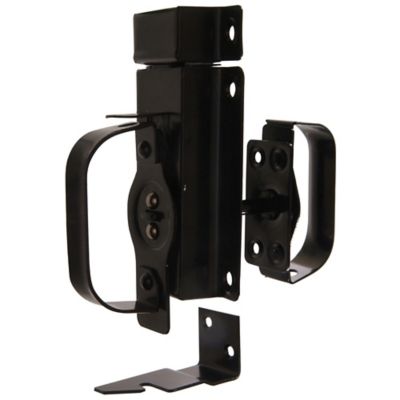
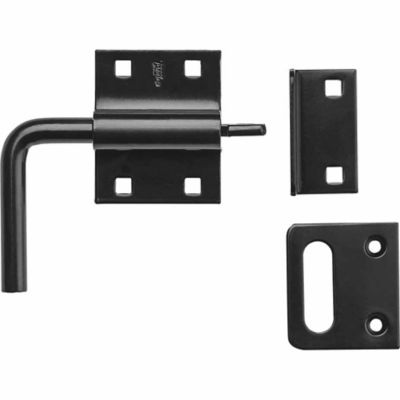
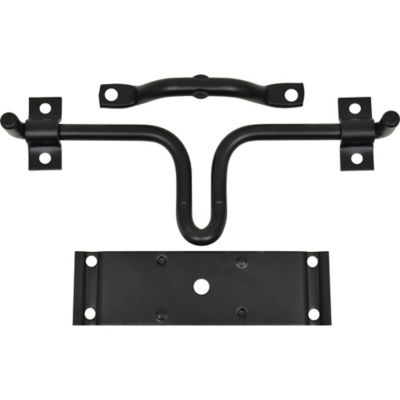
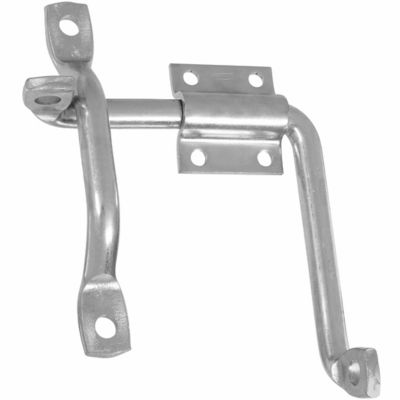
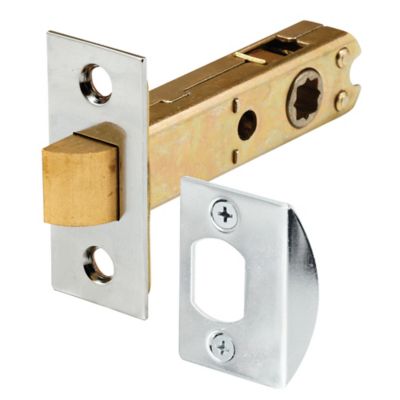
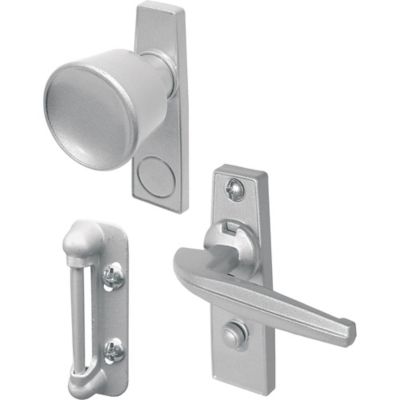
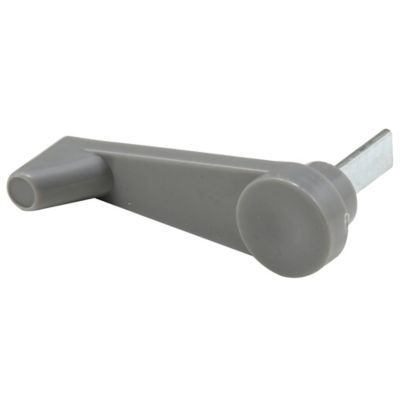
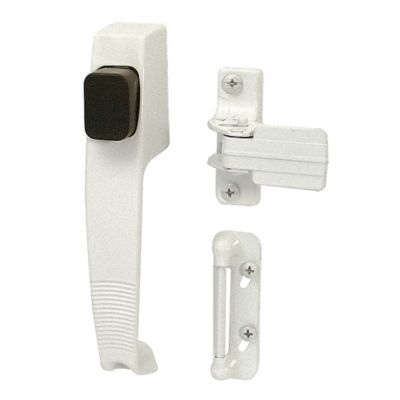
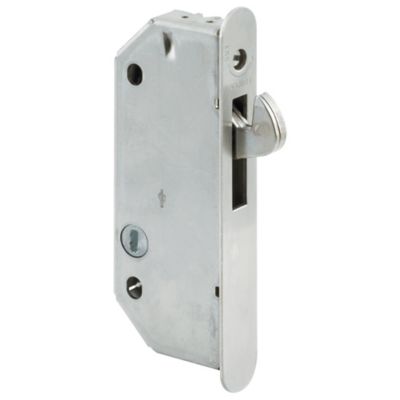
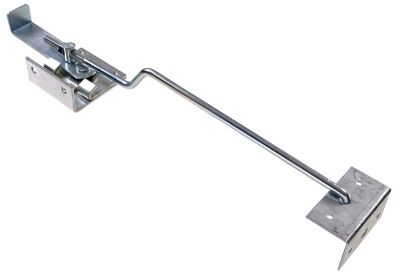
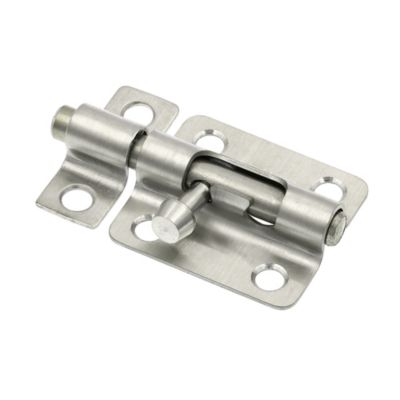
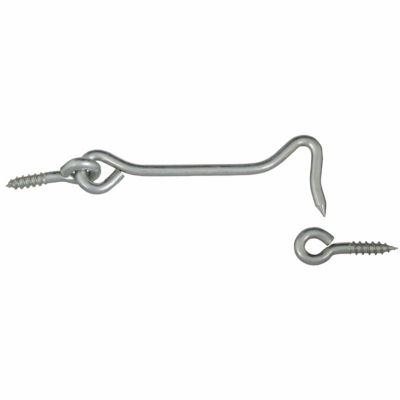
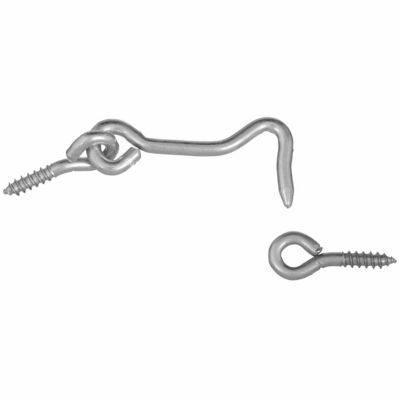
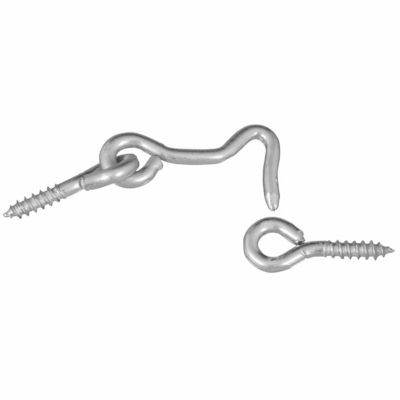
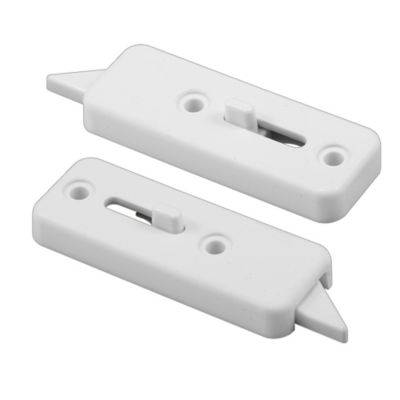
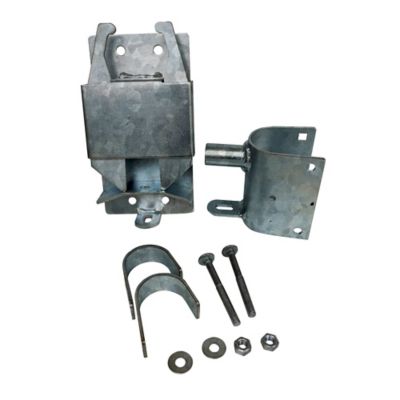
Door latches are hardware mechanisms that hold a door closed by engaging a bolt, hook, roller or catch with a matching strike or keeper. Some fit into the edge of the door and connect to a knob or lever; others mount on the surface and operate with a handle, thumb piece or sliding bolt. Around a house, barn or workshop, the right latch keeps a door from drifting open while making everyday access straightforward. A spring latch has a beveled bolt that retracts as the door closes, then springs into the strike opening. Turning the knob or pressing the lever pulls the bolt back so the door can open. A deadlatch adds an auxiliary plunger that helps prevent the main bolt from being pushed back when the door is shut and the hardware is properly aligned. That plunger must rest against the strike rather than drop into the strike opening. Roller latches work differently: a spring-tensioned roller engages a strike and releases with a push or pull, making them suited to certain interior doors where a turning handle is not needed. Sliding bolts provide a direct, manual closure for applications such as shed doors and storage compartments, while gravity-style latches can suit swinging utility doors when their mounting requirements match the opening. These differences matter when one door gets opened dozens of times a day and another stays shut between chores. A workshop door calls for easy operation with a comfortable grip, while a feed-room door may need positive engagement that is easy to check at a glance. A latch and a lock also serve different purposes. The latch holds the door closed; a locking feature restricts access. Not every latch provides protection against forced entry, and a light-duty catch is no substitute for security hardware intended for an exterior entry. The best match starts with the job the door needs to do, not just the appearance of the handle.
Materials, mounting style and door fit all affect how a latch performs over the long haul. Steel brings strength to many utility applications, while stainless steel offers corrosion resistance for locations such as wash areas where splashing and frequent cleaning are part of the routine. Zinc alloys and brass also appear in door hardware, with finishes that affect appearance and surface protection. A plated or painted finish does not make every underlying metal equally resistant to rust, so the material and finish deserve separate attention. Smooth edges, a comfortable handle and mounting hardware suited to the door help the latch feel right in daily operation. For a replacement latch connected to a knob or lever, important measurements include door thickness, the existing bore size and the backset, which is the distance from the door edge to the center of the handle opening. Common residential backsets are 2-3/8 inches and 2-3/4 inches, but the existing measurements and the latch specifications should determine the fit. The faceplate matters, too: rounded corners, square corners and drive-in fittings are not automatically interchangeable without changes to the door. Surface-mounted latches need enough flat mounting space on both the door and frame, along with a keeper positioned to match the latch’s travel. Door swing and handing can affect operation, especially with designs that are not reversible. On a sliding barn door, the latch must suit the overlap and clearance between the door and its mounting surface rather than assume the close fit of a hinged entry door. A thick plank door, a hollow interior door and a metal utility door each present different fastening needs. Screws must anchor into suitable material, and heavier applications may call for through-bolting when the hardware and door construction allow it. Matching the strike, latch and mounting surface helps prevent a good mechanism from becoming a frustrating fit.
Day-to-day performance often comes down to alignment and care as much as the latch itself. A door that sags on its hinges can drag the bolt across the strike, making the handle stiff and wearing contact points faster. The latch should engage without lifting the door, slamming it or pulling hard against the frame. A positive click can help confirm engagement on some spring-latch designs, but the door should also stay closed under a gentle pull without operating the release. In a busy shop, that simple, consistent action matters when someone walks through carrying a toolbox or a sack of feed. Handles and release points should be easy to reach without creating a pinch point near the jamb. Around animal areas, latch placement deserves extra thought: a curious horse or determined goat may nose or lift a simple release, so the closure needs to suit the animal as well as the door. For storage areas that need controlled access,
Lockable Latches add a locking option to the basic task of holding a door closed. Any locking arrangement still depends on the strength of the door, frame, hinges and fasteners, and occupied spaces need a safe way out that meets applicable requirements. Routine care includes clearing grit from moving parts, checking for loose screws and watching for wear where the bolt meets the keeper. Cleaning methods and lubricants should follow the hardware manufacturer’s recommendations; a heavy coating of grease can collect dust in a workshop or barn. Worn springs, cracked components and badly corroded fasteners are reasons to replace affected hardware rather than keep forcing it to work. From a frequently opened utility room to a storage shed behind the barn, well-matched door latches make a familiar chore feel simple: close the door, confirm it has caught and get on with the next job.