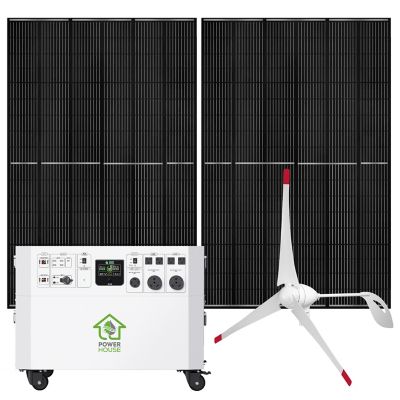
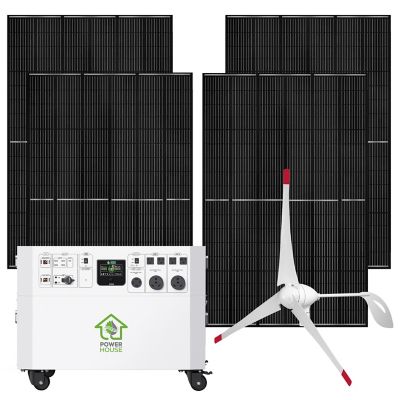
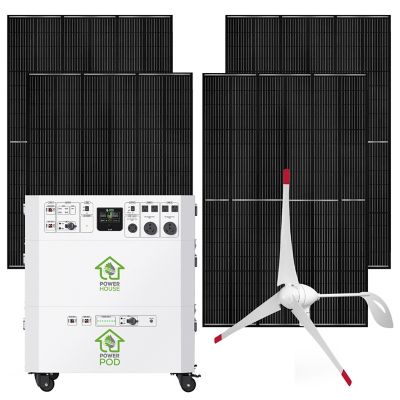
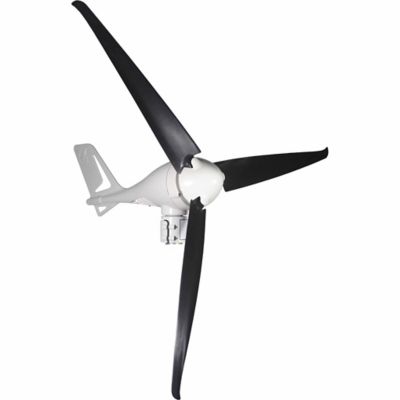
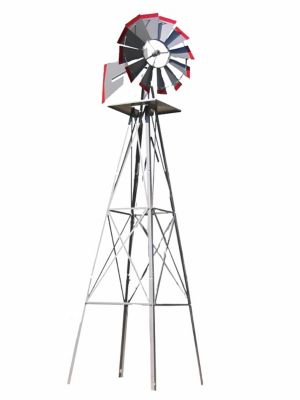
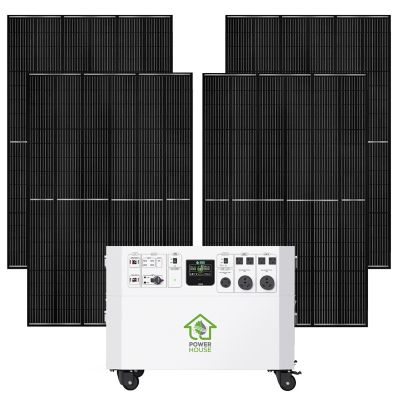
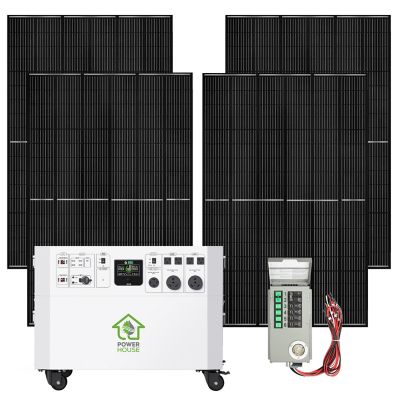
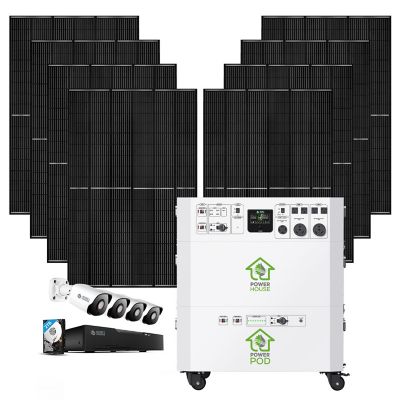
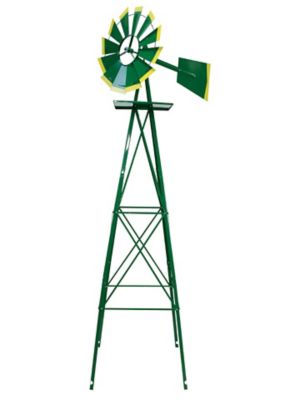
Wind energy generators use the steady movement of air to make electricity for a home, cabin, workshop, barn, campsite or remote piece of property. As wind moves across the rotor blades, the blades turn a central hub and shaft, and that mechanical motion powers a generator made with magnets and coils. A controller then regulates the electricity, helping send it to a battery bank or another part of an off-grid power system. In simple terms, the wind does the work, the turbine captures that movement, and the electrical components make the energy useful. Small wind generators can be a practical way to power lights, communications equipment, monitoring systems, small tools or other low-demand loads, while larger systems may help support a more complete off-grid setup. They are especially useful on rural acreage, hunting land, pasture, farm buildings and cabins where utility service is limited or where a property owner wants another source of renewable power. Wind energy can also work alongside solar panels, since windy conditions often arrive when cloudy weather limits solar production. That kind of mixed setup gives a property more flexibility through changing conditions, including during cooler months when equipment, gates, water systems and outbuildings still need dependable attention.
Choosing the right wind energy generator starts with the property itself. Wind speed matters more than simply seeing trees sway from time to time. For many small systems, a steady average wind speed of roughly 10 to 12 miles per hour is a useful starting point for evaluating whether the equipment can produce worthwhile power, though the actual requirement depends on the generator, tower height, intended load and local conditions. A wind resource map can offer helpful background, but conditions at the installation site are just as important. Open fields, ridgelines and unobstructed shoreline areas generally have better airflow than spaces surrounded by woods, buildings or steep terrain. Trees, silos, roofs and other obstacles create turbulence that can reduce output and put extra strain on the turbine. Raising the generator on a properly designed tower or mount helps it reach cleaner, stronger air above ground-level turbulence. Horizontal-axis wind turbines have the familiar propeller-style shape and are often a good fit for open, consistently windy locations. Vertical-axis wind turbines use a different blade arrangement and can accept wind from more directions, which may make them useful in certain tighter or changing-airflow locations. Whichever style fits the property, check local zoning rules, tower-height limits, setback requirements, noise expectations and utility interconnection regulations before installation. A safe setup needs a solid foundation, suitable guy wires or structural support, grounding and protection from lightning and electrical surges. The surrounding area should remain clear enough for maintenance and safe operation, and rotating equipment should be kept away from children, livestock and regular foot traffic.
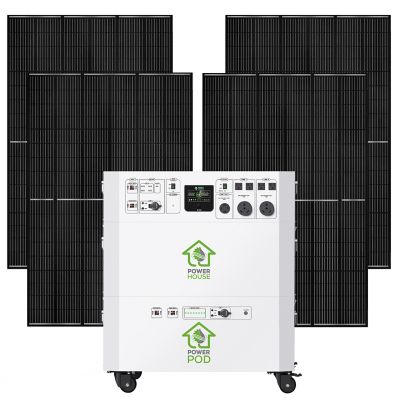
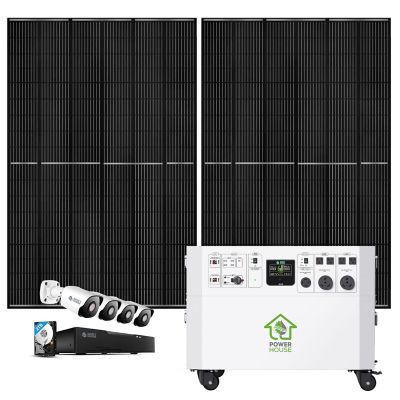
A wind energy generator is only one part of a working power system, so take a close look at the included controller, wiring, inverter requirements and battery compatibility before making a purchase. The generator’s rated wattage describes its output under specific conditions; it does not mean that amount of electricity will be available every hour. Wind is intermittent, and production rises and falls with the weather, which makes energy storage important for many off-grid applications. A battery bank can hold excess electricity for calm periods, nighttime use or short-term backup, while an inverter may be needed to change stored power into the type of electricity used by household outlets and common equipment. Match the system to the actual load by adding up the wattage of the lights, pumps, chargers, cameras, radios, fans or tools you plan to run, then allow room for starting surges and future needs. A farm owner may use a wind generator to support an electric fence monitor, livestock camera or remote watering location; a cabin owner may value it for lighting and communications; and a land manager may use one to keep weather stations or gate controls operating where running utility lines is difficult. During warm weather, it can help with ventilation or irrigation controls, while cooler, stormier conditions make dependable battery storage and secure mounting even more important. Routine care generally includes checking fasteners, tower hardware, wiring, blades and signs of wear, along with keeping nearby vegetation from growing into the equipment’s clearance area. For properties that need a larger fuel-powered source for heavy tools, extended outages or high-demand equipment, compare wind power with options such as
Industrial Generators and consider using more than one type of power equipment. Whether you are outfitting a remote homestead, improving a hunting camp or giving a practical gift to someone who enjoys self-sufficient living, focus on dependable construction, appropriate output, compatible storage and an installation plan that suits the land.