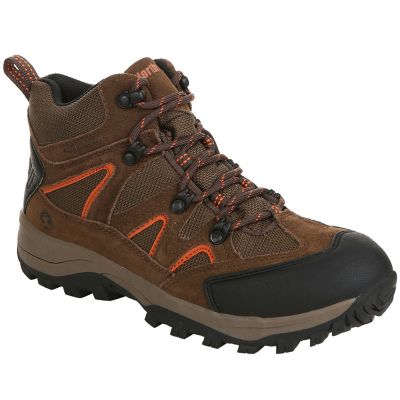
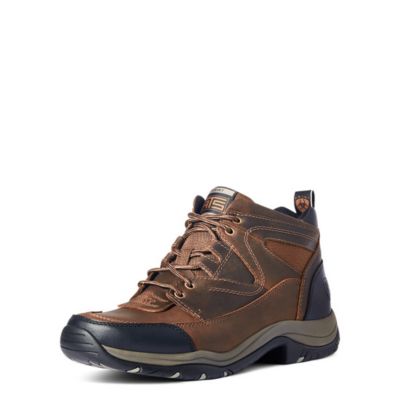
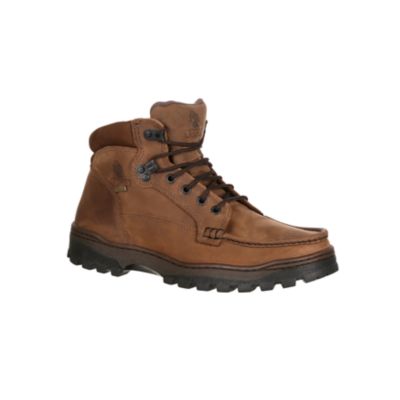
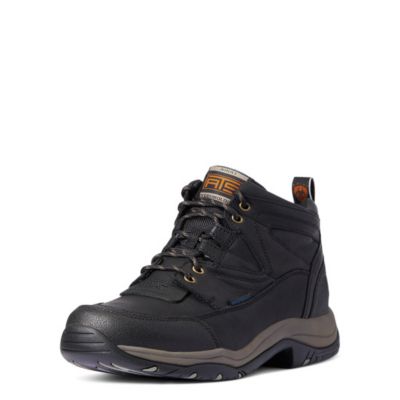
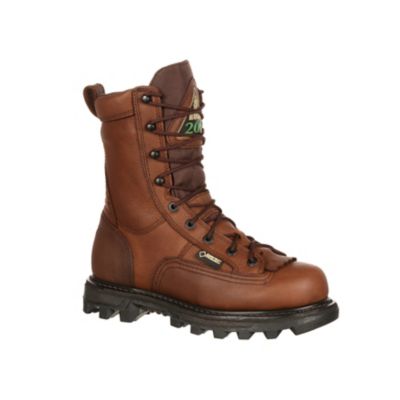
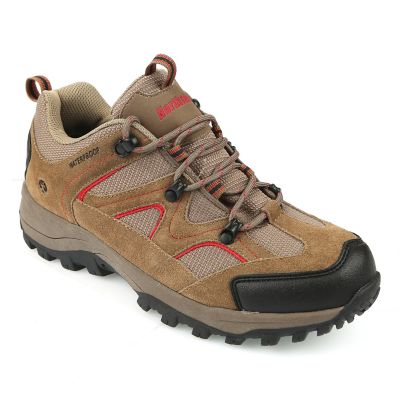
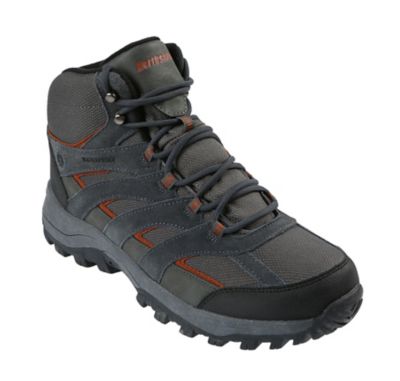
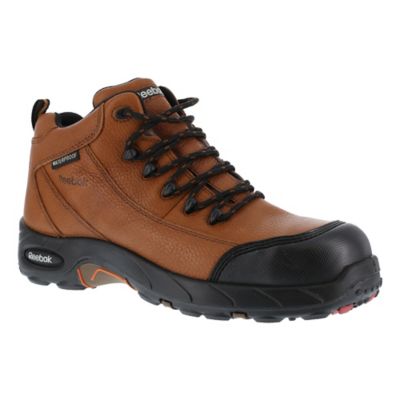
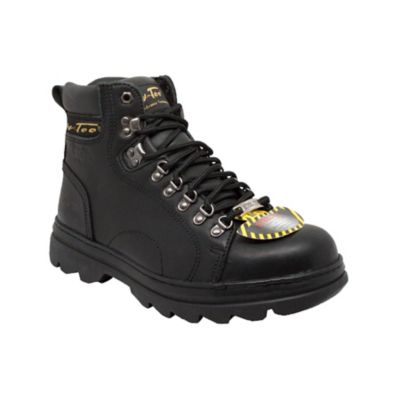
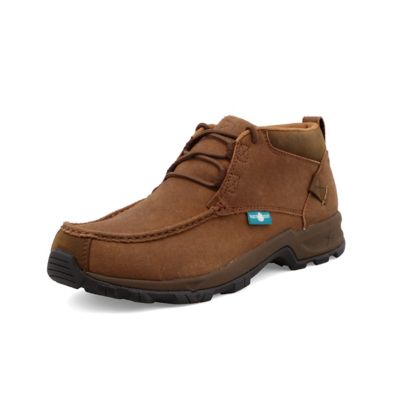
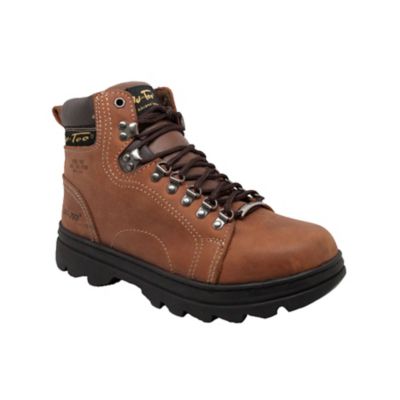
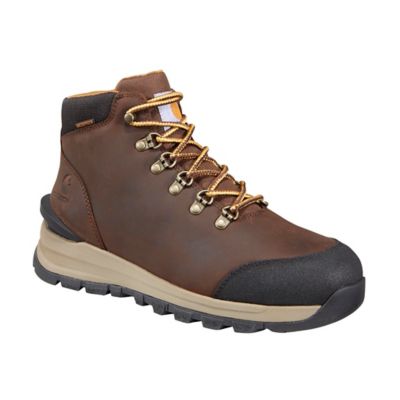
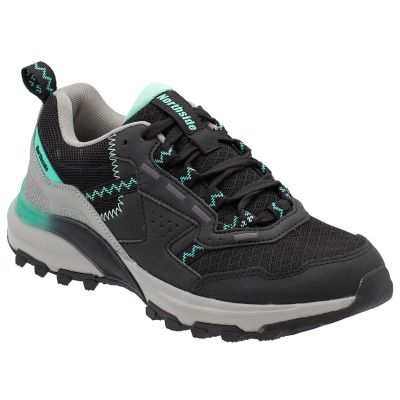
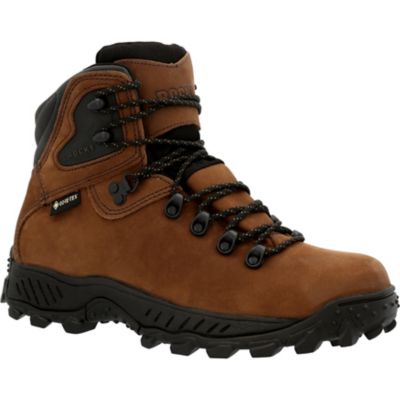
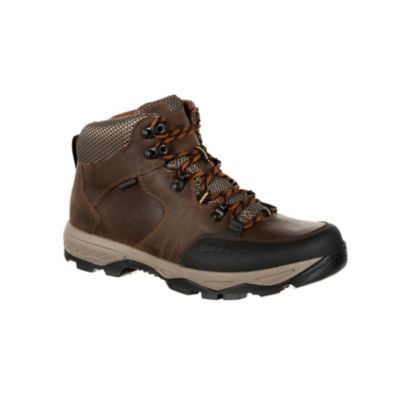
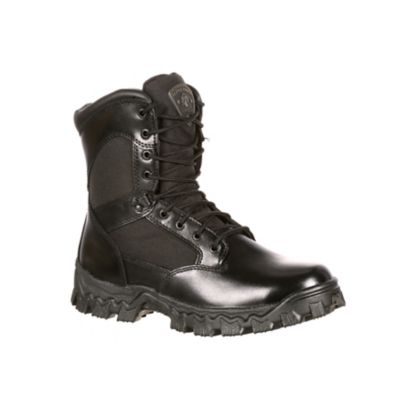
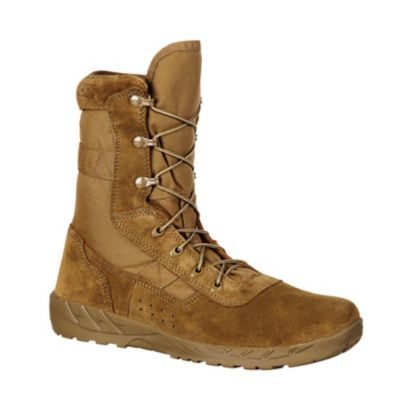
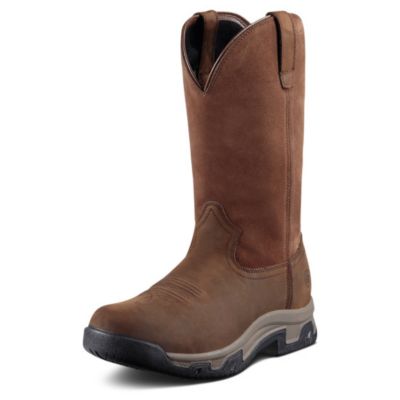
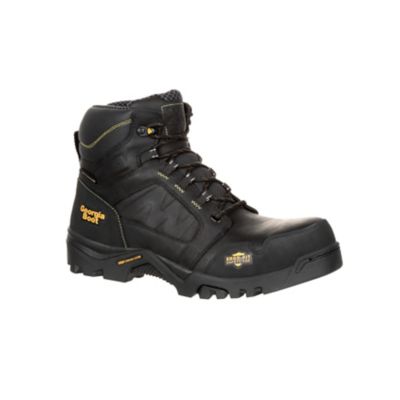
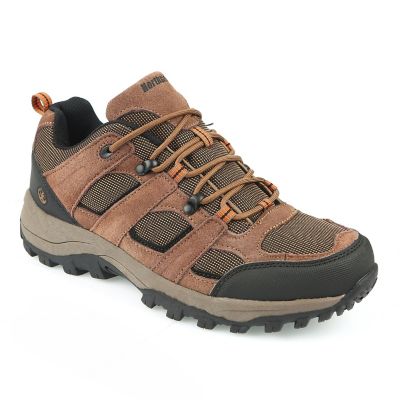
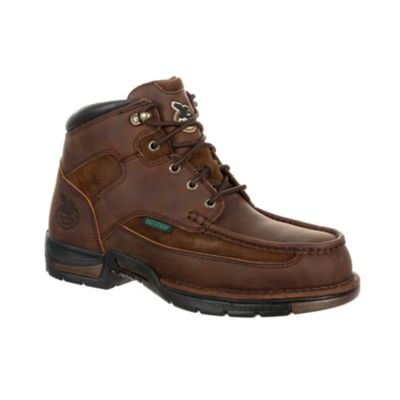
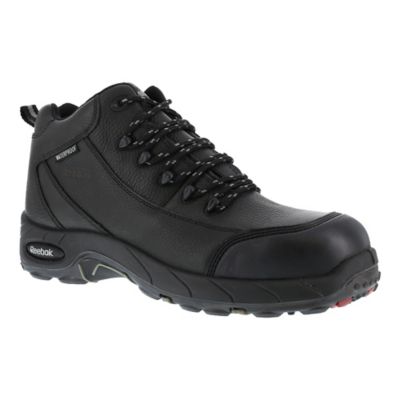
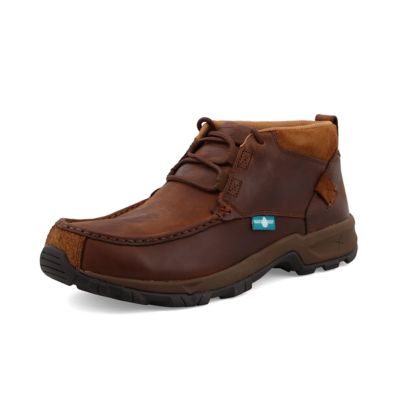
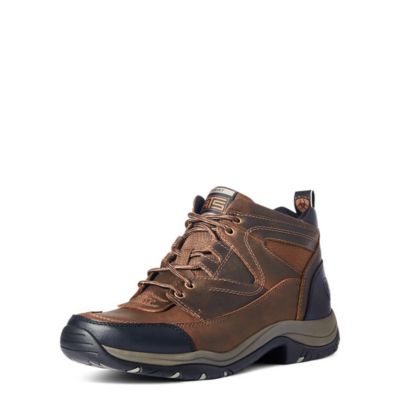
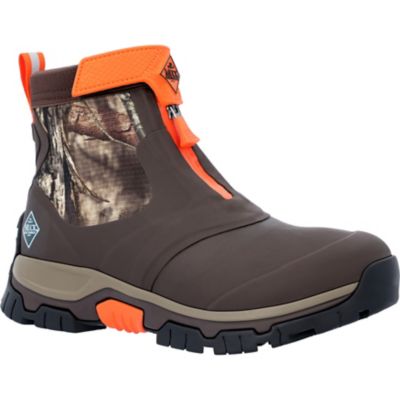
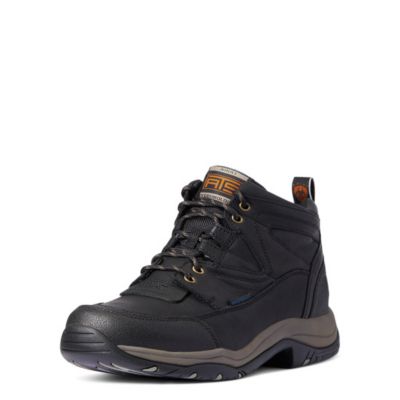
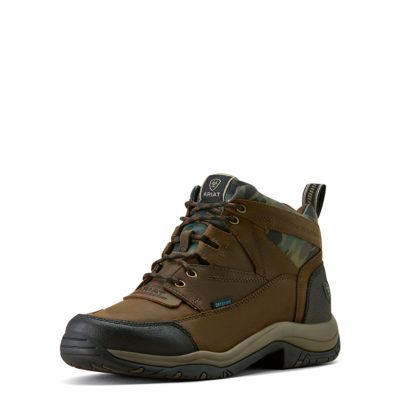
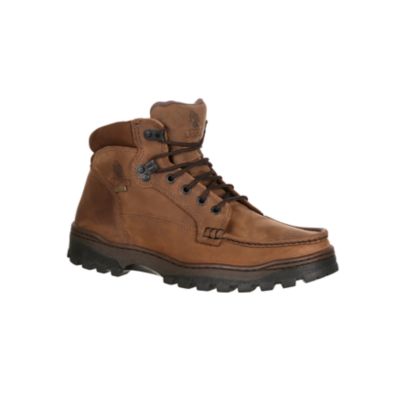
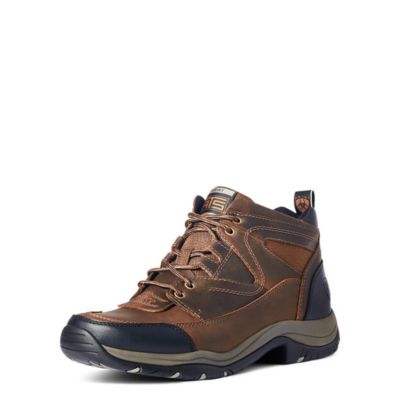
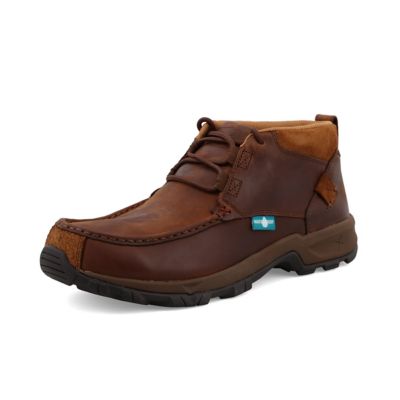
Wide width hiking shoes give your feet a little more room to work, whether you’re walking a wooded trail, checking fence lines, exploring a state park or spending a long day on your feet outdoors. A roomy fit is especially helpful for hikers with broad feet, a wide forefoot, bunions, high-volume feet or toes that feel cramped in standard footwear. Look for shoes offered in dedicated wide or extra-wide sizes, often marked W, 2E or 4E, and compare the brand’s measurement chart instead of relying on the label alone. Sizing can vary from one maker to another, and a shoe that feels generous across the toes may still run narrow through the midfoot or heel. Some hiking shoes are shaped with an anatomical toe box that follows the natural outline of the foot, allowing the toes to spread and grip more comfortably. That extra space should not mean your foot slides around. The heel and midfoot should feel secure, with enough room in front of the longest toe for downhill walking and the natural swelling that can happen after several hours outdoors. Try hiking shoes on near the end of the day while wearing the socks you plan to use on the trail. Feet often expand during a long walk, and a fit that seems perfect first thing in the morning may feel tight after miles of uneven ground. Walk up and down an incline, bend your knees and check for pressure at the little toe, bunion area and top of the foot. Your toes should be able to move, while your heel stays put without rubbing. A comfortable pair of wide width hiking shoes can make everyday outdoor work easier, too, from hauling firewood and walking the dog to taking the family down a gravel path during the cooler months. They also make a practical gift for a hiker, camper, hunter, gardener or anyone who spends time outdoors and appreciates footwear that feels good from the first step.
Pay close attention to the ground you plan to cover. For smooth park paths, packed dirt and casual walks, lightweight hiking shoes with flexible midsoles may provide the easygoing feel you want. Rocky trails, loose gravel and uneven hills call for a stable platform, supportive midsole and outsole with dependable rubber traction. Look for lugs with a pattern suited to the terrain: shallower tread can roll comfortably on maintained paths, while deeper, well-spaced lugs help shed mud and bite into soft ground. A broad base can add a steady feel when crossing roots or side slopes, and a reinforced toe cap helps protect against stray stones and rough brush. Cushioning is another personal choice. Plush cushioning can take the edge off long miles and hard surfaces, while a firmer midsole may offer a more grounded feel for carrying a pack or working around the property. If you expect wet grass, shallow puddles or changing weather, consider water-resistant materials, sealed seams or a waterproof construction, keeping in mind that waterproof shoes may feel warmer and less breathable than mesh designs. For warm days, breathable panels and moisture-wicking linings can help manage sweat; during cooler, damp conditions, pair the shoes with wool or synthetic hiking socks rather than cotton, which tends to hold moisture. Give new shoes a gradual break-in before a long hike, and pay attention to hot spots early. Adjusting the laces can improve the fit: snug the lower section enough to keep the foot from sliding, then use the upper eyelets to secure the heel without cutting off circulation. If you enjoy comparing comfort-focused footwear for men, you can also browse
Mens Comfortable Hiking Shoes for additional options. Store hiking shoes clean and dry, brush off packed dirt after each trip and let them air out naturally instead of placing them against a heater. With the right width, dependable traction and a fit that matches your foot shape, wide hiking shoes can carry you comfortably from late-summer walks through crisp fall trails and all the everyday miles in between.