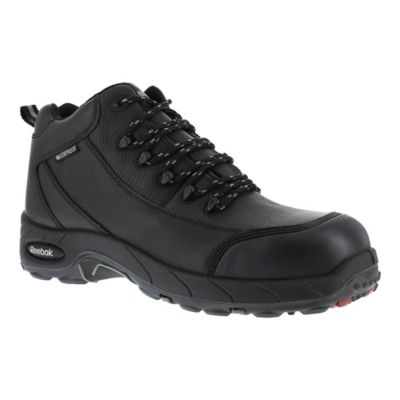
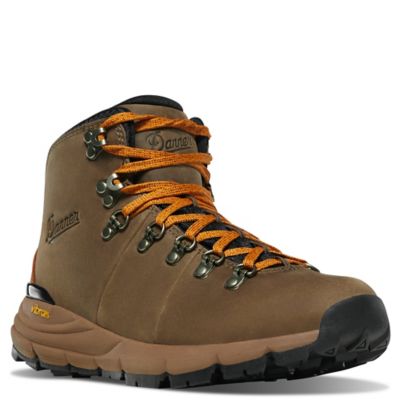
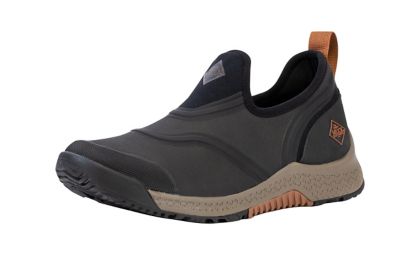
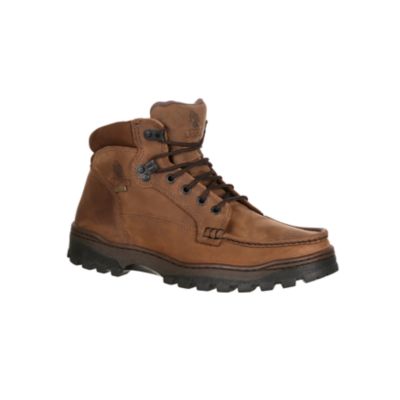
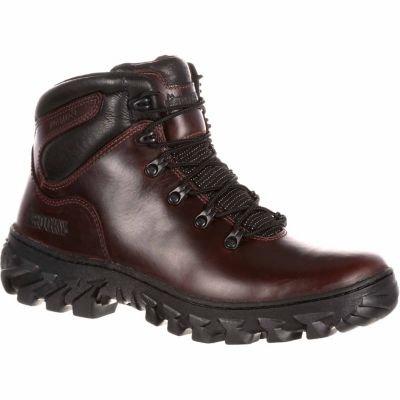
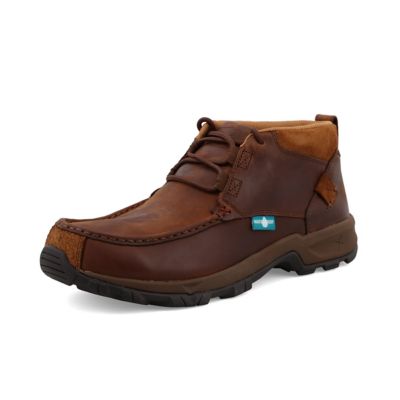
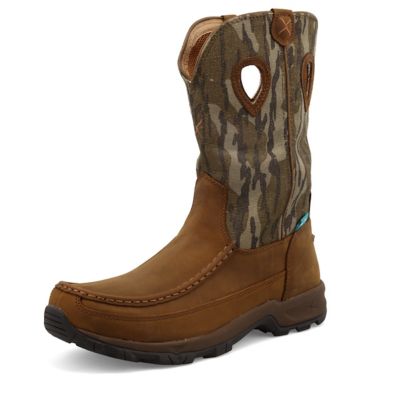
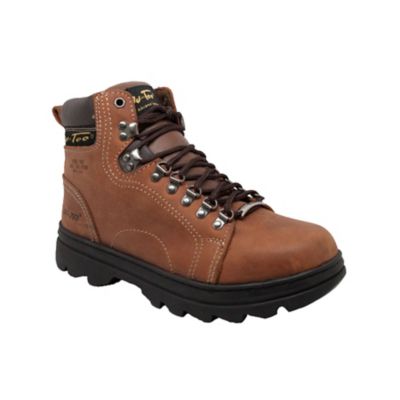
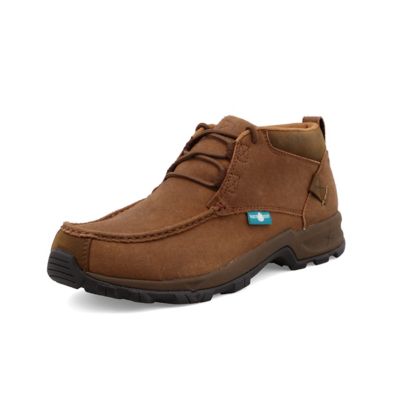
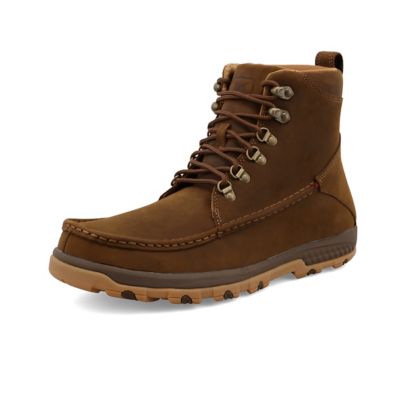
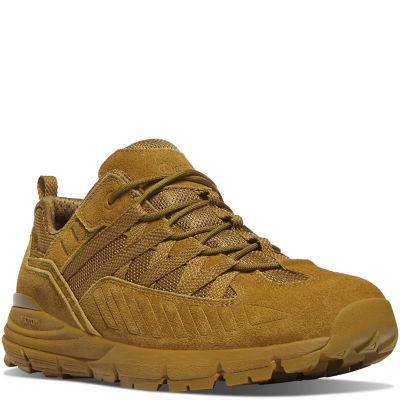
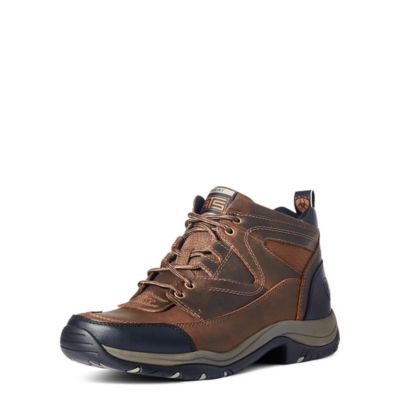
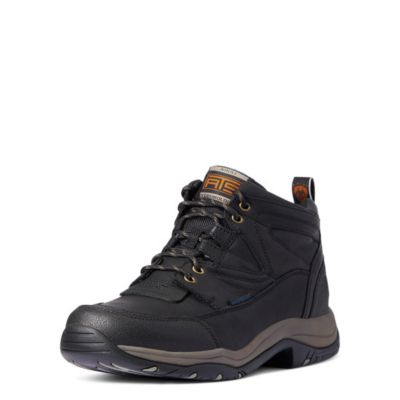
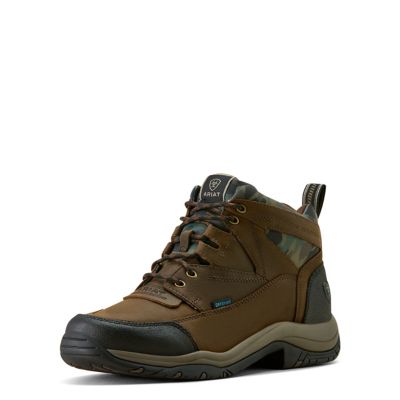
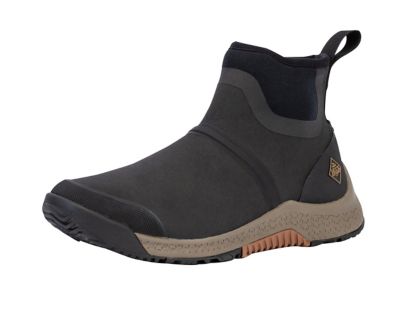
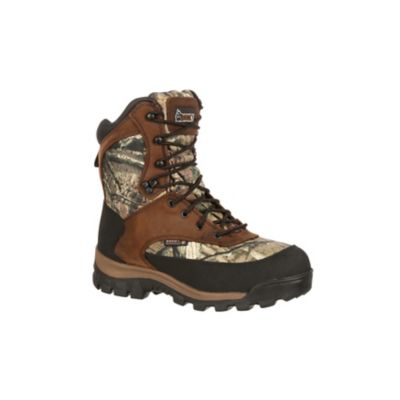
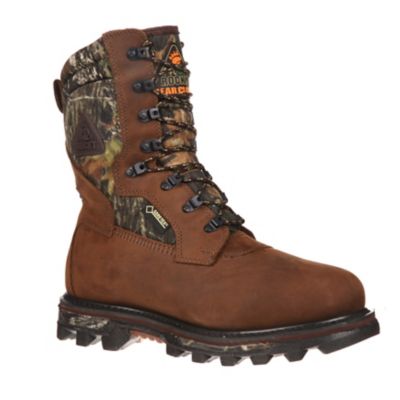
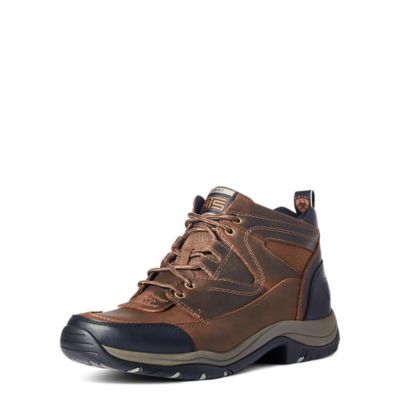
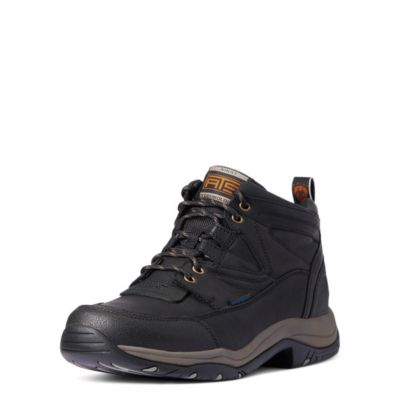
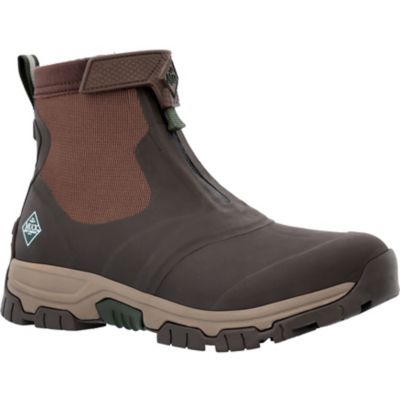
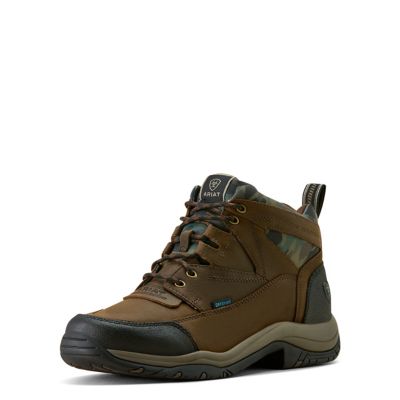
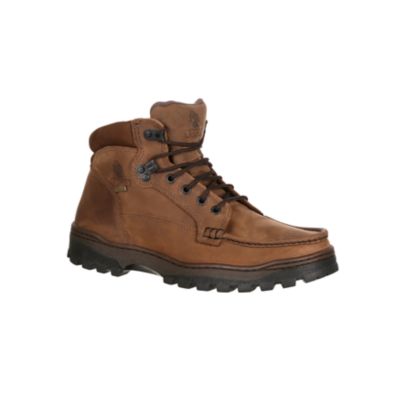
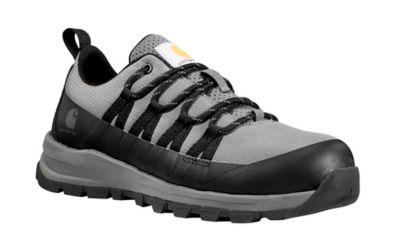
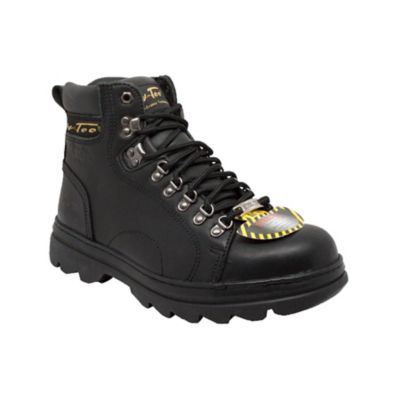
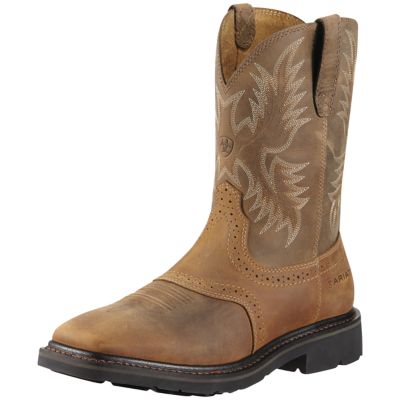
Men’s wide width hiking shoes bring together extra room across the foot, underfoot cushioning, and tread built for uneven ground. They suit men whose feet feel squeezed in standard-width footwear, whether the outing is a loop around a local trail, a walk along a fence line, or a few miles down a gravel path. A good fit gives the forefoot room to spread without letting the heel slide around. That balance matters when stepping over roots, crossing loose stones, or heading downhill, where a foot that shifts forward can leave toes pressing against the front of the shoe. Width is only part of the picture, though. Toe-box shape, instep height, heel shape, and overall length all affect how a shoe feels once it is laced. Some men need more space across the ball of the foot but still have a narrow heel; others need added room through both the forefoot and the instep. Men’s wide sizing is often marked 2E, while extra-wide sizing may be marked 4E, but the shape and measurements can differ among makers. A longer standard-width shoe is not the same as a properly fitting wide shoe, since added length can put the flex point in the wrong place and leave the heel loose. The most comfortable fit leaves space ahead of the longest toe, holds the midfoot without squeezing, and allows toes to move naturally. Checking both feet with the socks intended for the trail helps account for differences in foot size and sock thickness. There should also be enough depth for an insole or prescribed orthotic if one is normally worn. For men who spend much of a hike on their feet rather than stopping often, that combination of room and hold can matter more than an initially soft, slipper-like feel. Pressure at the sides, tingling, or toes crowded together are signs that the shape or width needs another look rather than more time to break in.
Materials and construction matter as much as width when comparing
Hiking Shoes For Wide Feet. Mesh panels let air move through the upper and can give the forefoot a more flexible feel, while leather and synthetic overlays add structure in areas that rub against brush or rocks. Leather often needs more attention to cleaning and conditioning, and lighter textile uppers may offer a different balance of flexibility and abrasion resistance. Reinforced toe areas can help shield the upper from scuffs when a trail gets rocky, although they are not a substitute for safety-toe footwear around equipment or other workplace hazards. A padded tongue helps soften lace pressure over the top of the foot, and a shaped heel collar can improve comfort without taking up too much room. Lacing systems also make a difference: well-spaced eyelets allow tension to be adjusted along the foot instead of pulling every section equally tight. Underneath, foam midsoles cushion repeated steps, while firmer support through the midfoot can make rough ground feel less tiring. Some constructions include a protective plate or shank that helps spread pressure from pointed stones. More cushioning is not automatically better for every trail; a very soft platform can feel less settled on side slopes or scattered rock. Outsole design deserves the same attention. Deeper, more widely spaced lugs can help bite into loose ground, while broader contact areas may feel smoother on hard-packed paths. Rubber compound, tread shape, and the surface underfoot all influence grip, so no tread should be treated as slip-proof. A low-cut hiking shoe leaves the ankle free to move and often suits day hikes, park trails, and everyday outdoor walking. Longer routes with a loaded pack or especially rough terrain may call for a different balance of stiffness, coverage, and support. The right match depends on the ground covered and the load carried, not simply how rugged a shoe looks. Even the bend through the forefoot matters, since a shoe should work with the stride rather than fight it at every step.
For everyday trail miles, the small details often decide which pair feels right after the first hour. A smooth interior, a tongue that stays centered, and seams that do not press against the toes can make a noticeable difference on a long stretch of walking. Socks should lie flat rather than bunch beneath the arch or gather near the toe seam. Thick socks take up space, so a roomy shoe with a thin sock may feel quite different with a heavier hiking sock. Trying footwear late in the day, when feet may be a little fuller, can give a better sense of the room needed for longer outings. Walking on an incline is helpful for checking whether the heel lifts excessively uphill or the toes strike the front downhill. A snug midfoot should not require cranking the laces tight enough to leave pressure marks. Care matters after the trail, too. Brushing away loose dirt keeps grit from working into fabric and seams, while a damp cloth can lift surface grime before it settles in. Insoles can be taken out for airing when the care directions allow, and shoes should dry away from direct heat that can affect leather, adhesives, and cushioning materials. Leather treatments and fabric cleaners should match the upper material and the maker’s care directions rather than being applied across every surface. Tread that has worn smooth, a heel lining that has rubbed through, or cushioning that feels uneven can signal that footwear deserves closer inspection. Rotating between pairs can also give interiors more time to dry between outings. For a man who enjoys walking wooded acreage, exploring public trails, or taking the long route around the campground, wide hiking shoes can make a thoughtful gift when his size and fit preferences are known. Room where it is needed, steady footing, and construction suited to the route are what make these shoes a practical part of time outdoors.