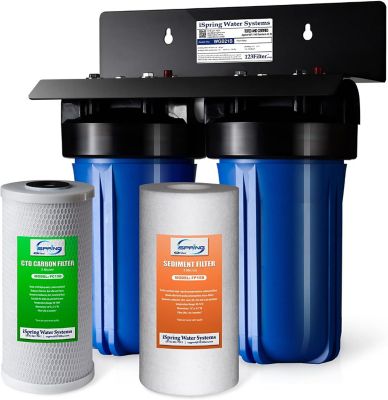
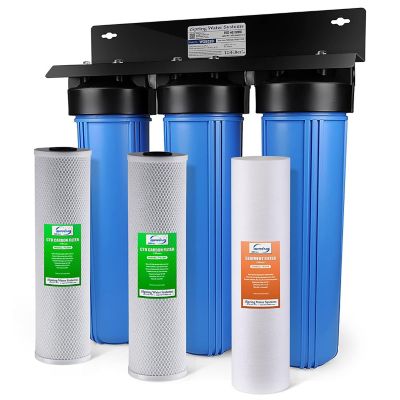
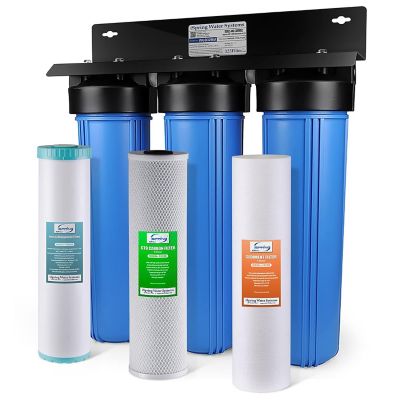
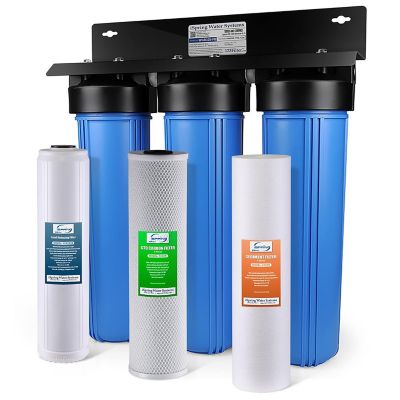
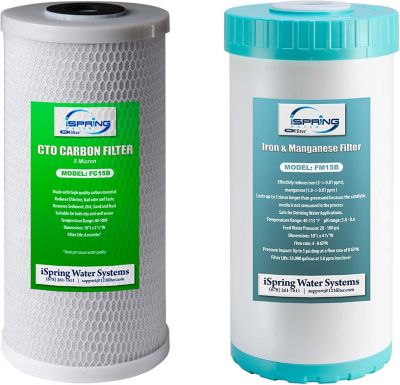
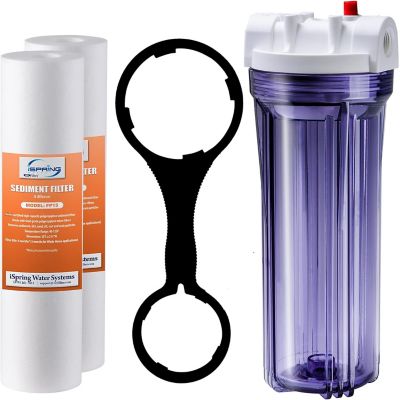
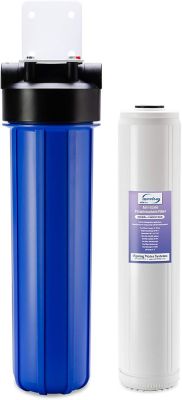
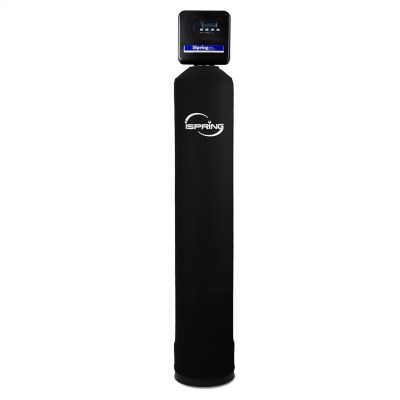
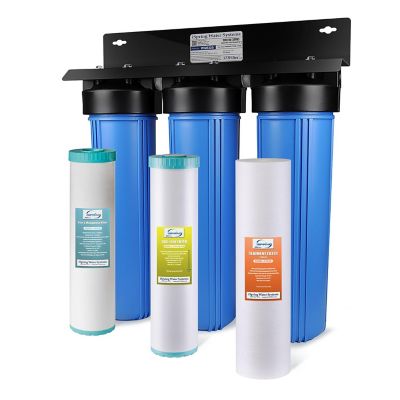
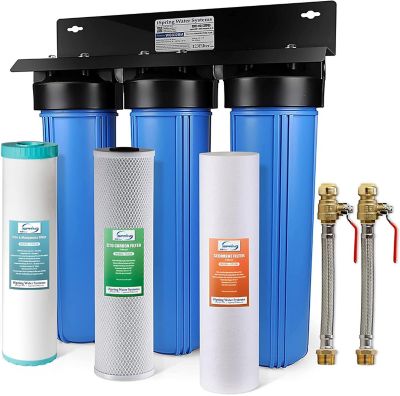
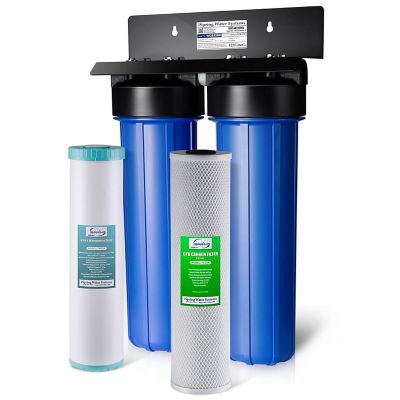
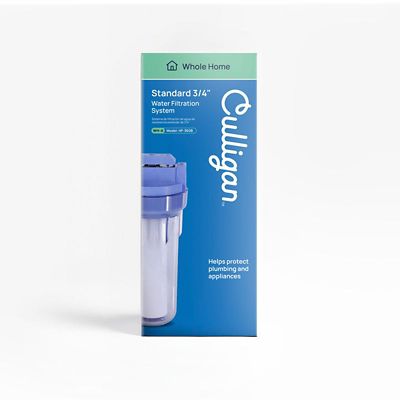
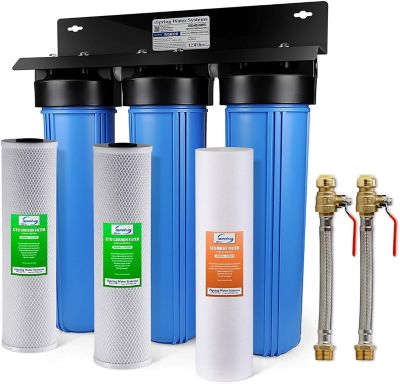
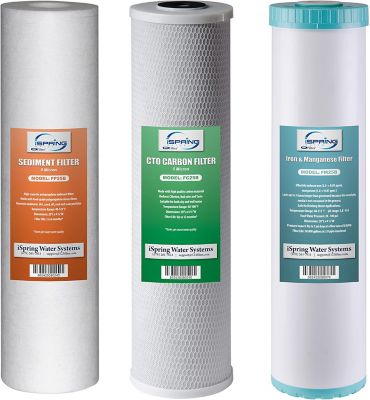
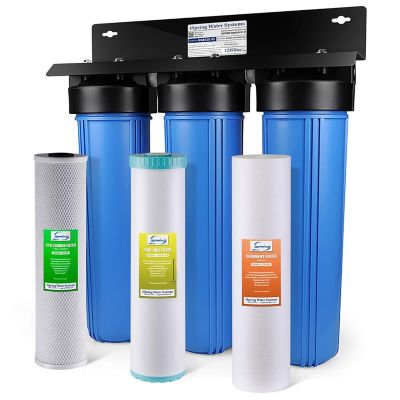
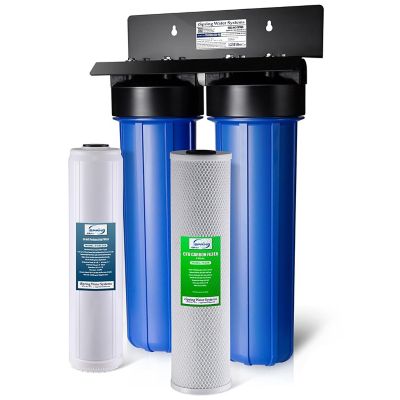
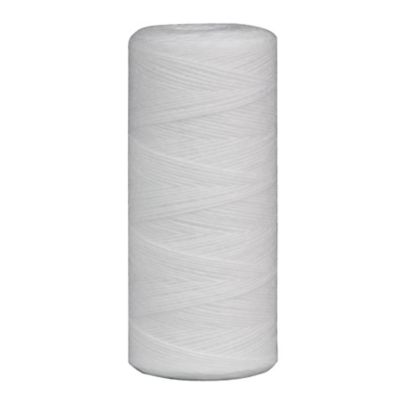
Whole house sediment water filters help keep dirt, sand, rust, silt and other suspended particles from traveling through the plumbing in your home, cabin, barn office or workshop. Unlike a filter fitted to one faucet, a whole house system connects to the main water supply line so treated water can reach sinks, showers, toilets, washing machines, water heaters and other fixtures. This can be especially helpful for homes supplied by a private well, where a heavy rain, a change in groundwater levels or work near the well may stir up fine grit. Municipal water can carry sediment, too, particularly after a water main repair or when older plumbing sends bits of rust through the line. If your home uses city water, you can also browse
Whole House Water Filters For City Water for systems suited to that type of supply. Sediment filtration is often used as the first step in a broader water treatment setup, protecting water softeners, carbon filters, ultraviolet systems and appliances from the steady wear caused by abrasive particles. It may help reduce cloudy water, grit in a glass, rusty-looking water and the sandy residue that collects in an aerator or showerhead. It is important to keep expectations clear: a sediment filter is designed for suspended particles, not dissolved minerals, odors, chemical contaminants or microorganisms. Homeowners with concerns about bacteria, nitrates, lead or other water-quality issues should have the water tested and choose treatment equipment made for those specific concerns.
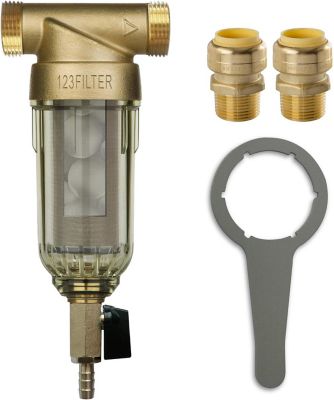
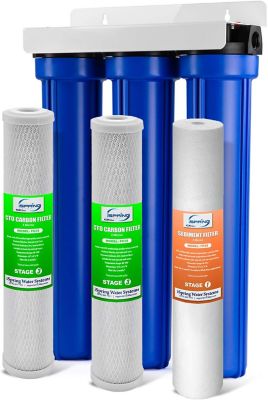
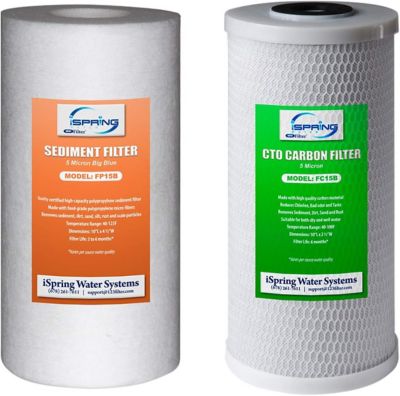
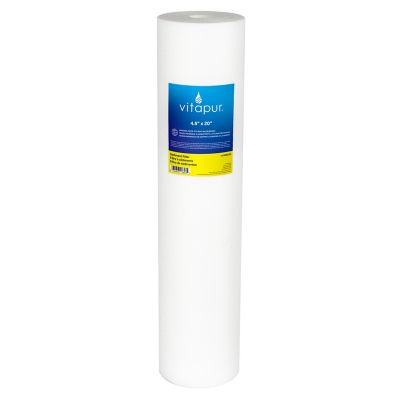
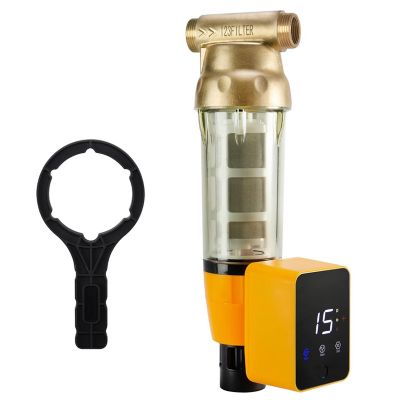
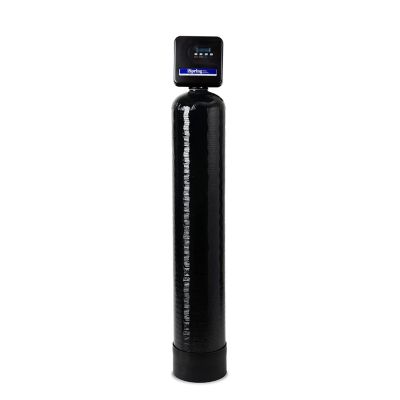
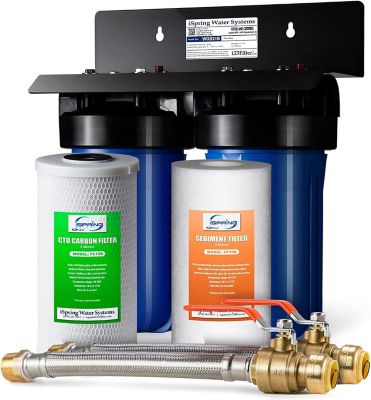
When comparing whole house sediment water filters, start with the water source and the kind of debris you are seeing. Well owners may notice coarse sand or small gravel, while a home with older service lines may need help with finer rust and silt. Spin-down or flushable filters use a screen or mesh to catch larger particles and can be opened or flushed instead of replacing a filter element each time. They are handy as a first line of defense when the water carries visible sand, especially in a rural home where the well pump runs often or irrigation activity stirs up the supply. Cartridge systems use replaceable elements, commonly made from pleated polypropylene or string-wound material. Micron ratings give a general idea of the particle size a filter is built to catch: a rating in the 50- to 100-micron range is commonly used for larger debris and as a prefilter, around 5 microns is a practical choice for general dirt and rust protection, and a 1-micron filter provides finer polishing but can fill more quickly. A smaller micron rating is not automatically better for every home. A very fine filter placed ahead of a large amount of sand may clog quickly, reduce flow and create extra maintenance. Some households use a coarse filter first and a finer cartridge farther along the water line. Backwashing sediment systems use a tank that reverses water flow on a schedule to send collected debris to a drain, reducing the need to lift and replace cartridges. These systems can be a good fit for larger homes, busy households or properties where changing filter elements is inconvenient, though they need a suitable drain connection, enough space and proper setup. In any style, check the inlet and outlet size, flow-rate requirements, available clearance and filter replacement cost before buying. One-inch ports are common for household plumbing and can help avoid an unnecessary drop in pressure, while a smaller connection may not keep up with several showers, a washing machine and a garden spigot running at once.
Installation usually takes place where the main water line enters the home, after the well pressure tank or water meter and before a water softener, carbon filter or other treatment equipment. A bypass valve is worth considering because it allows water to keep moving through the house while the filter is being serviced. Shutoff valves on both sides make it easier to isolate the housing, and a pressure gauge can help show when a cartridge is beginning to restrict flow. Leave enough room beneath a cartridge housing to remove the bowl and enough space above a tank for service work. Protect outdoor or unheated plumbing from freezing, and follow the equipment instructions for pressure limits, seals and drain connections. Filter life depends on the amount of sediment in the water and how much water the household uses, so a calendar estimate of six to 12 months is only a starting point for many cartridge systems. A home with a lot of well sand may need changes more often, while a lightly loaded filter can last longer. Keep an eye on lower water pressure, a slower shower, weak flow at several fixtures or a cartridge that has turned noticeably brown; these are useful signs that service may be due. It is also smart to keep a spare cartridge or replacement screen on hand before the old one is packed with rust and silt. During the warmer part of the year, extra outdoor water use can increase demand, and during the cooler months, families often spend more time indoors using showers, laundry and kitchen fixtures, making steady flow especially noticeable. Whole house sediment filters can be a practical housewarming gift for someone moving to a country property, setting up a hunting cabin or taking on an older farmhouse, particularly when paired with a recent water test and a clear understanding of the property’s plumbing. With the right filter size, micron rating and maintenance routine, this equipment helps give the rest of a home’s water system a cleaner place to start.