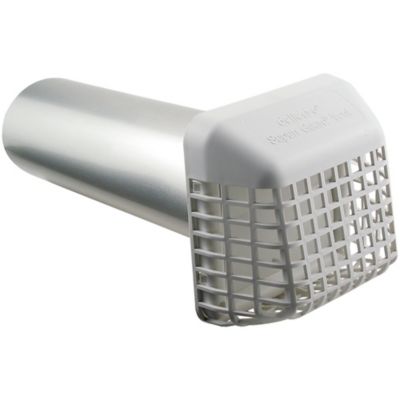
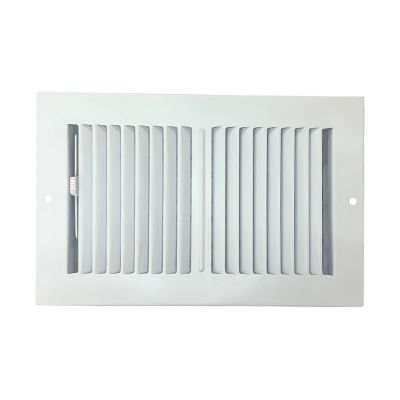
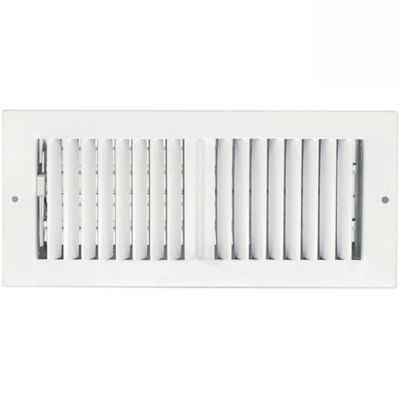
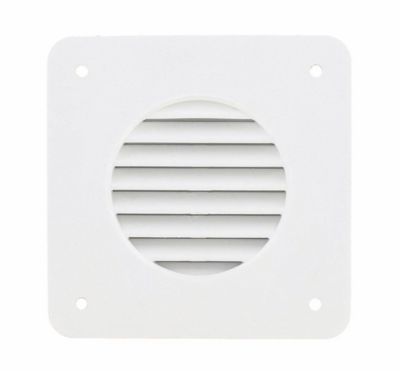
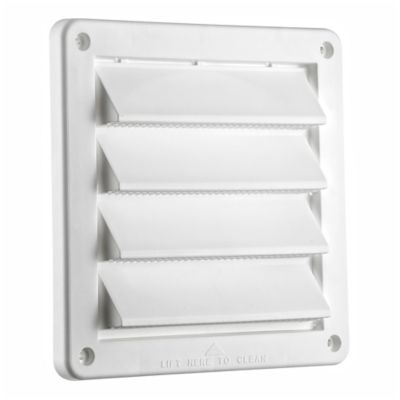
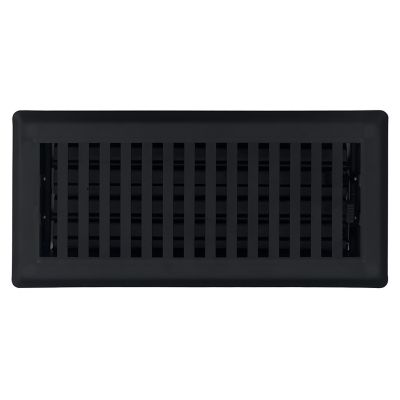
White vent covers give air openings a clean, finished look without drawing much attention away from the rest of a room. Against white baseboards, pale walls, or a light ceiling, they can blend into the background; against wood flooring or darker paint, they create a crisp outline. That makes them a practical finishing touch in everything from an older farmhouse with painted trim to a finished basement or a busy laundry room. The right fit involves more than color, though. Vent covers include several types with different jobs. Supply registers typically have louvers and an adjustable damper that help direct and regulate air coming from a forced-air system. Return air grilles let air travel back toward the system and generally do not have a shutoff damper. Some return grilles also have a hinged face that provides access to a filter, but that feature needs to match the system’s filter arrangement. A plain grille and an adjustable register may look similar from across the room, yet they are not always interchangeable. Sizing also takes a closer look than comparing the outside edges. For most standard registers and grilles, the listed size refers to the duct opening rather than the full faceplate. A 4-by-10-inch opening, for example, calls for a cover sized for that opening, while the outer frame extends beyond it. Both opening dimensions matter, along with the space around the opening and the depth behind it. Baseboards, cabinet toe kicks, nearby walls, and shallow ductwork can all affect how a cover sits. The faceplate needs enough overlap to cover the edge neatly, and any damper assembly needs room to move without catching inside the duct. Those details help distinguish a cover that merely looks close from one that fits properly and works as intended.
Material and mounting style make a big difference in how white vent covers handle everyday life. Painted or powder-coated steel offers a firm structure, making it a common choice for many floor, wall, and ceiling applications. The coating helps protect the metal, although scratches that expose steel can leave it vulnerable to rust where moisture is present. Aluminum brings a lighter feel and resistance to rust, while plastic or resin avoids metal rust altogether. Neither material alone tells the whole story: construction, thickness, mounting design, and the manufacturer’s intended application still matter. A lightweight wall grille is not a substitute for a floor register built for foot traffic, even if both fit the same opening. Near a back door where muddy boots come through, a floor cover needs to suit that location and sit securely without rocking. Floor registers are not supports for furniture legs, ladders, or other concentrated loads unless the manufacturer specifically rates them for that purpose. The range of
Floor Vent Covers centers on this floor-level fit, where frame height, edge shape, and seating depth deserve attention alongside the opening size. Wall and ceiling covers have different demands, including secure fastening appropriate to the surface and the cover’s weight. Screw-hole spacing matters when matching an existing installation, and a ceiling cover should never depend on a loose friction fit intended only for a floor opening. In bathrooms, laundry areas, and other spaces where dampness can occur, the finish and material need to suit the conditions. A white finish can range from soft matte to a brighter gloss, too. Matching that sheen to nearby trim helps the cover settle into the room, while a smooth surface makes everyday dust easier to wipe away.
Airflow and upkeep are just as important as appearance, especially in a home where pet hair, tracked-in dirt, and daily chores keep everyone busy. Louvers help shape where supply air travels, but their layout varies. Some direct air in two directions, others spread it across several directions, and adjustable designs offer more control over where the air goes. That can matter beside a favorite chair, beneath a window, or along a walkway where a straight blast of air would be distracting. The cover still needs to suit the system rather than simply offering the most adjustments. Grille design affects how freely air passes through, and a restrictive replacement can change airflow or contribute to noise. Large return openings, in particular, need an appropriately sized grille with enough open area for the system’s requirements. Blocking a return, covering a register with a rug, or pushing a couch tight against an opening can interfere with circulation. Closing several supply dampers is not a substitute for correcting a system balance problem; persistent whistling, rattling, or uneven airflow is worth discussing with an HVAC professional. For routine care, many finished covers need only a soft brush or vacuum attachment for loose dust, followed by a lightly damp cloth when the manufacturer permits it. Abrasive pads and harsh cleaners can scratch or dull a white finish. Removable covers should be dry before they go back in place, and damper controls, hinges, and filter-access latches need to remain clear of buildup. Painting over louvers or moving parts can narrow openings and make adjustments difficult. In households with children or pets, a secure fit also helps keep a cover from shifting when it gets bumped during play or cleaning. For homeowners, renters with permission to make replacements, and folks tending a family property, white vent covers bring together a tidy appearance, sensible airflow, and straightforward care without making a small household detail into a bigger chore.