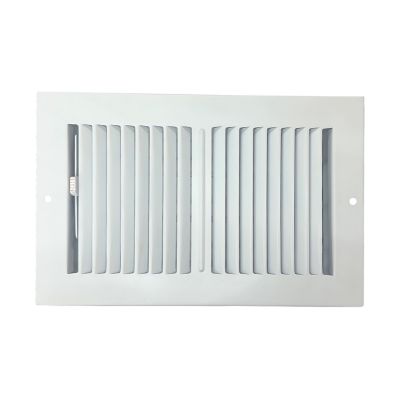
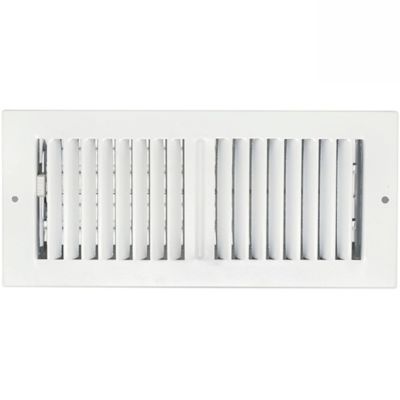
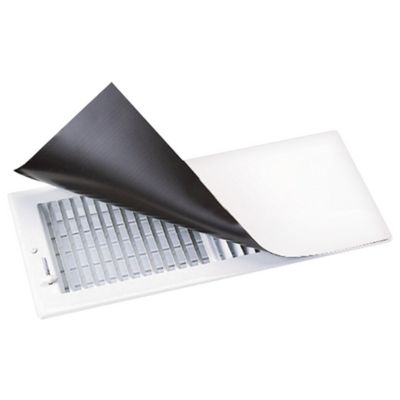
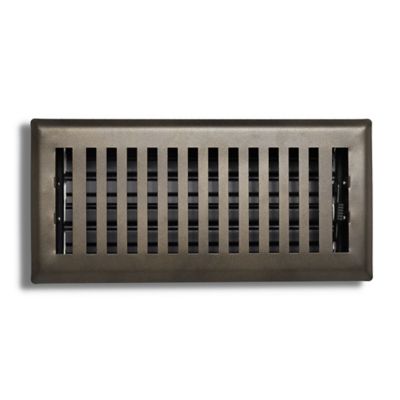
Floor vent covers give heating and cooling openings a finished edge while letting air move between the ductwork and the room. They’re a small part of a house, but they sit right where everyday life happens: beside a favorite chair, along a bedroom wall, or near the kitchen table where muddy boots get kicked off after chores. The right fit helps a cover stay seated without rocking, and the right design keeps the opening clear while working with the floor around it. Floor registers generally include a damper that adjusts airflow, while grilles typically cover an opening without that adjustment. Those terms sometimes overlap in everyday conversation, so the construction and intended placement matter more than the name alone. Supply openings deliver conditioned air, while return openings draw room air back toward the system; covers for those jobs aren’t always interchangeable. For homes with floor-level ductwork,
floor HVAC vents and their covers are part of keeping those air paths open through the cooler months and beyond. Materials make a difference in how a cover looks and holds up to daily wear. Steel offers a firm, substantial feel, often with a painted or coated finish. Cast iron has more heft and can suit rooms with dark hardware or traditional woodwork, though it needs protection from lingering moisture. Aluminum is lighter and resists rust, while plastic avoids metal corrosion but may not tolerate the same weight or impact as a metal cover. Wood brings a warmer appearance alongside plank flooring, with care needs that depend on the species and finish. None of those materials tells the whole story on its own. The thickness, underside support, finish, and manufacturer’s intended application all help determine whether a cover belongs in a quiet bedroom corner or a busier stretch of the house. A cover near the back door faces a different day than one tucked safely out of the main walking path.
Fit starts with the duct opening rather than the visible outside edge of an existing cover. Many floor vent covers are sized by the opening they fit, with a wider top flange that rests on the surrounding floor. That flange needs enough overlap for support, but it also needs room to lie flat beside baseboards, cabinet toe kicks, and other nearby trim. Two covers marked for the same opening can have different outside dimensions, underside depths, or damper arrangements. Those differences show up quickly in an older farmhouse, where a duct boot may sit a little crooked, or in a room where new flooring has changed the height around the opening. A deep damper assembly can run into a shallow duct or another obstruction underneath, while a thick top edge may sit higher than expected above the floor. Rectangular openings are common, but the actual shape and measurements still deserve attention rather than a guess based on what was there before. Secure seating matters in homes with children, pets, or frequent foot traffic, although a floor cover shouldn’t be treated as a step or support unless it’s rated for that purpose. A properly supported, low-profile edge is less likely to catch a passing shoe than a cover that rocks or sticks up at one corner. Airflow deserves just as much attention as the fit. Closely spaced openings, mesh inserts, and added filters can change how freely air passes through, so any accessory needs to suit the vent and the heating or cooling system. Adjustable louvers offer some control over air direction or volume, but closing several registers isn’t a substitute for addressing an unevenly heated room. Furniture placement matters, too. A sofa skirt draped across a supply register or a rug laid over a return can block the air path even when the cover itself fits just fine. In a lived-in home, enough open space around the vent helps the system do its job without making the room harder to arrange.
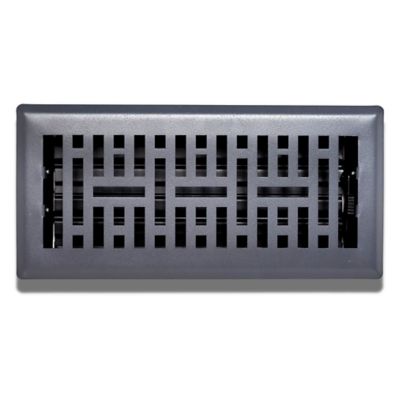
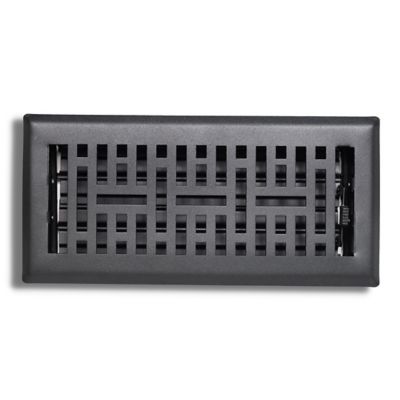
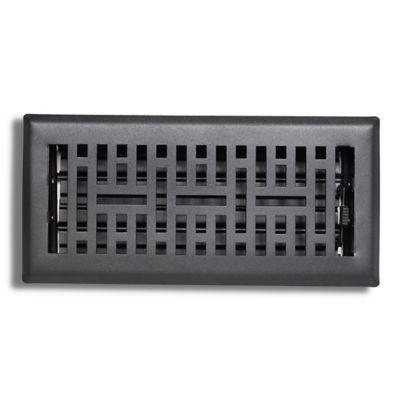
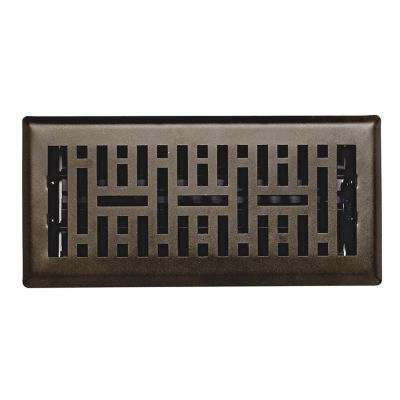
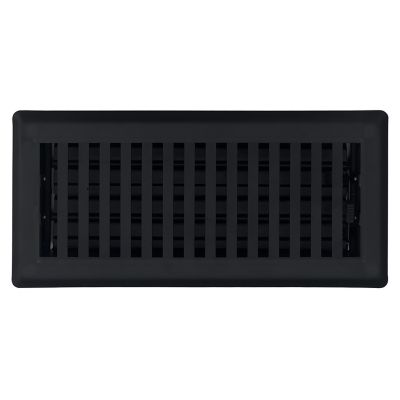
Appearance and upkeep round out the choice, especially when floor vent covers sit in plain view. Simple slotted patterns blend easily into a mudroom or utility area, while more detailed grille patterns can complement a front room with older millwork. Dark finishes tend to settle in alongside dark floors and iron hardware; lighter finishes can look less noticeable against pale flooring or painted trim. Wood tones may coordinate with a floor without matching every board, which can be helpful where grain and color vary naturally. Beyond looks, smoother surfaces and wider access between openings can make routine cleaning less fussy. A house with shedding pets, gravel carried in on work boots, or a wood-burning stove nearby can collect plenty of dust around floor openings. Vacuuming the face and accessible edges helps remove loose debris before it gathers in the slots. For covers that lift out, removal gives access to the underside and the lip of the duct opening, provided the cover can be handled safely and the manufacturer allows it. Most finishes benefit from a soft cloth and gentle cleaning rather than abrasive pads or harsh chemicals, and a damp-cleaned cover should be fully dry before it goes back in place. Wood generally needs less moisture during cleaning, while scratched metal coatings deserve attention because exposed steel or iron can rust. In kitchens, laundry rooms, and entryways, repeated splashes or wet footwear make the finish and moisture tolerance especially important. Bent corners, broken slats, cracked frames, and loose damper parts are signs that a cover may no longer sit or function as it should. For homeowners freshening up a room, landlords preparing a property between occupants, or folks maintaining a country home through changing seasons, floor vent covers bring together practical fit and a tidy finish. The best match suits the opening, leaves the air path clear, and stands up to the everyday dust, cleaning, and foot traffic that come with the room.