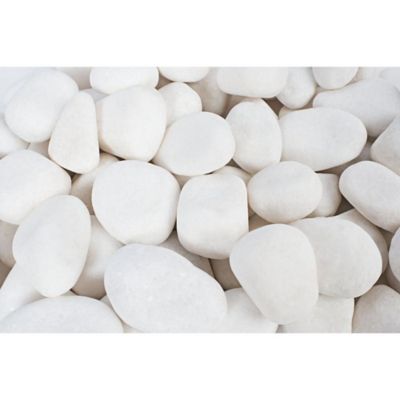
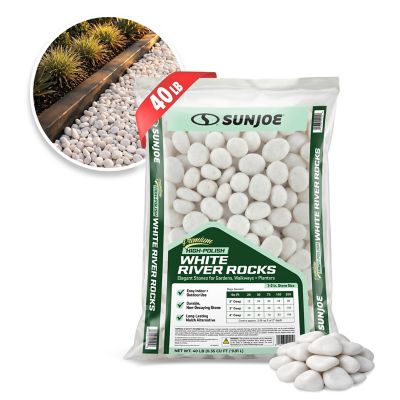
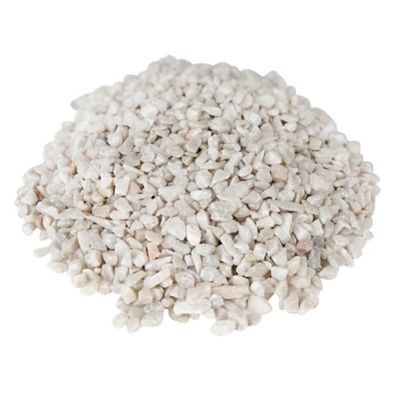
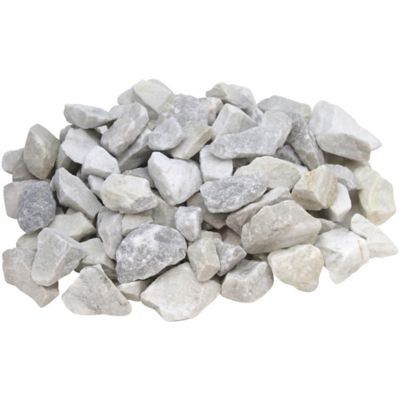
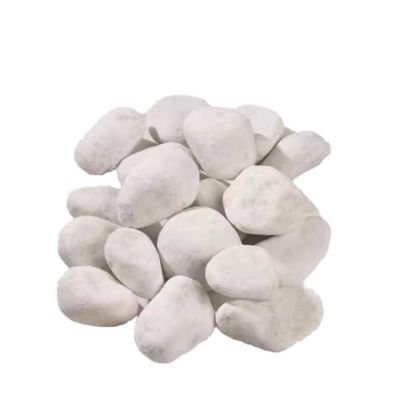
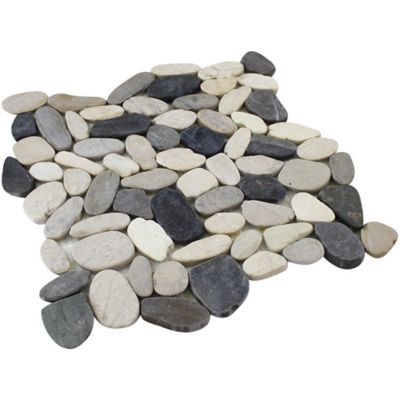
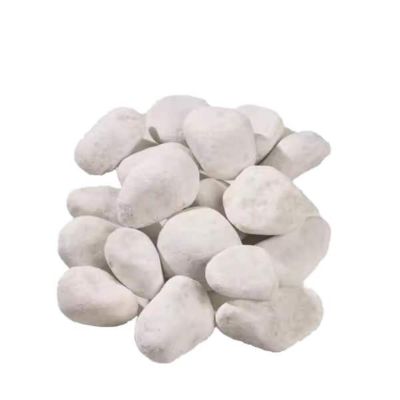
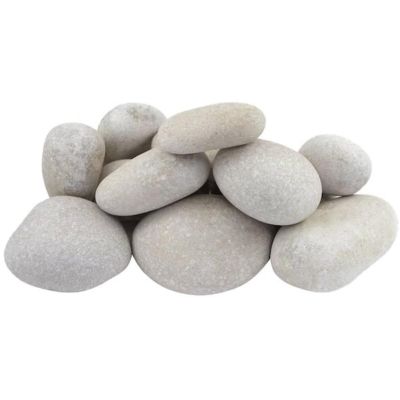
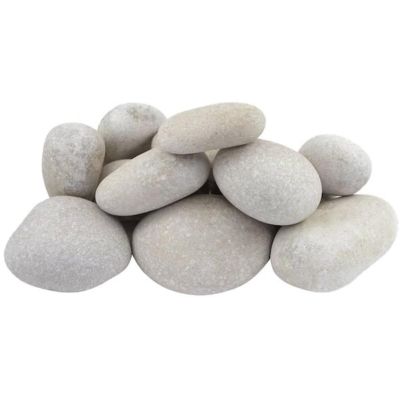
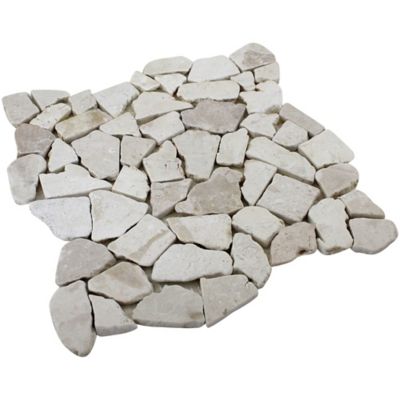
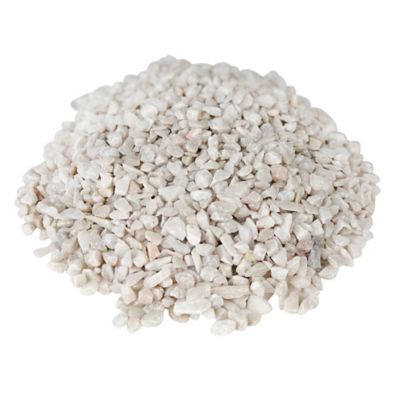
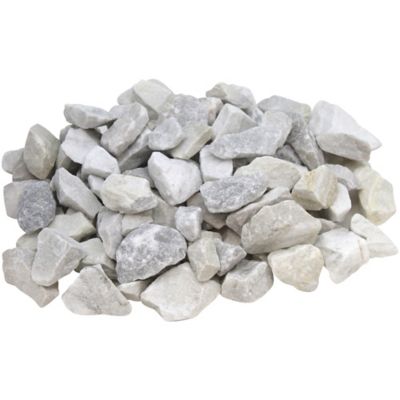
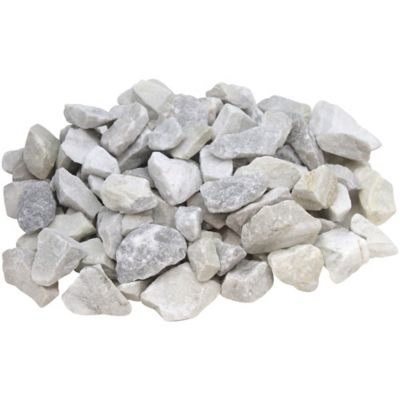
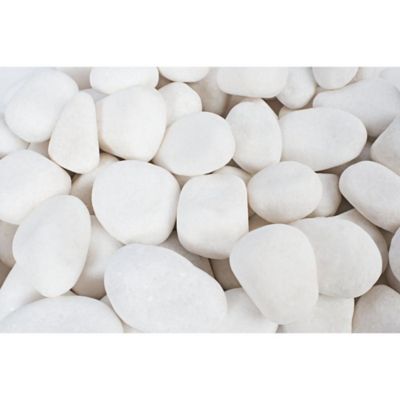
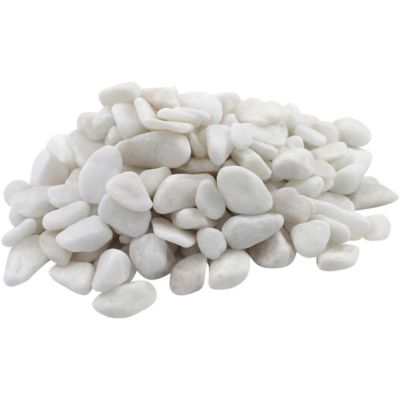
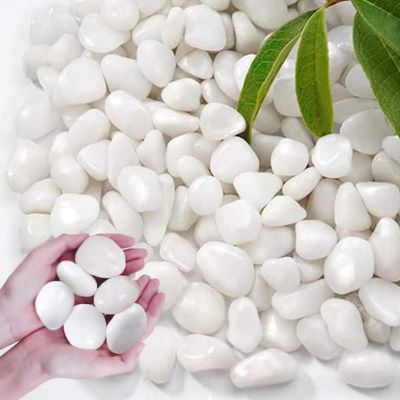
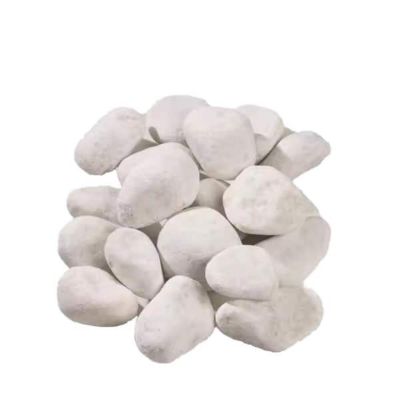
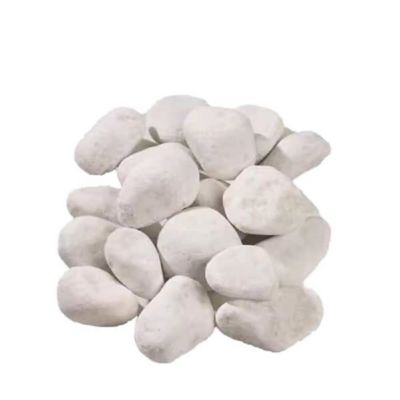
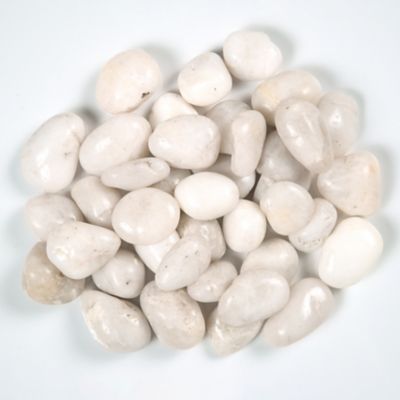
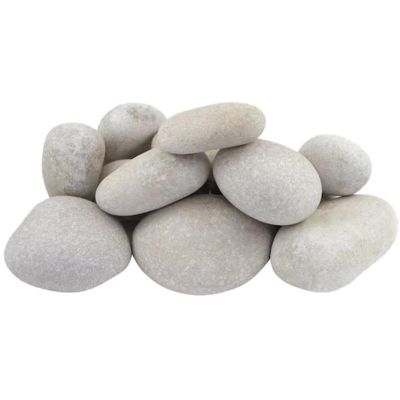
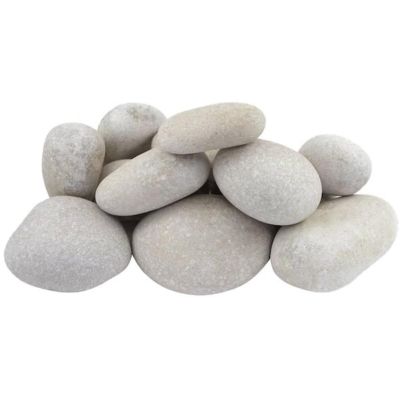
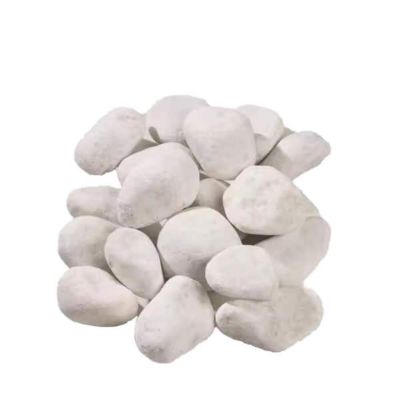
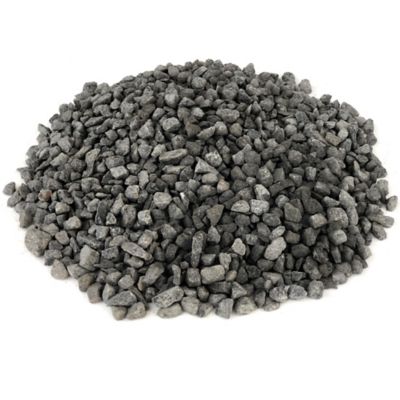
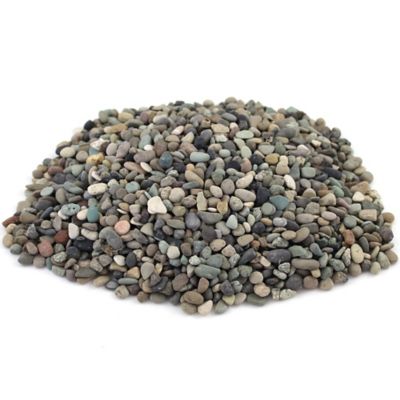
White rocks for flower beds bring a clean, bright finish to garden spaces, walkways and other parts of the landscape. Their light color makes green leaves and colorful blooms stand out, whether they are used around a small porch bed, along a fence line or across a larger planting area. White marble pebbles, crushed marble chips and smooth white landscape stones each create a slightly different look. Small pebbles, often less than half an inch, work well in narrow borders, detailed arrangements and the top of large containers where a neat layer helps finish the planting. Medium chips and stones are a practical choice for covering open areas around flowers, shrubs and ornamental grasses, while larger rounded rocks can add texture along a bed edge or give a natural, river-washed appearance. When choosing white rocks for flower beds, consider the size and shape of the stone, the total area to cover and the kind of look that fits your home. Smooth, rounded stones give a softer, more relaxed feel, while crushed chips have a crisp, tailored appearance that suits straight borders and modern landscape designs. A light-colored stone ground cover can also help reflect sunlight and may keep the soil surface from heating as quickly during hot weather. It will not replace proper watering or shade for plants that need cooler conditions, but it can be a helpful part of a well-planned bed. Stone also lasts longer than many organic mulches, so it does not need to be replaced every season as it breaks down. That makes white rock a useful choice for homeowners who want a tidy, low-maintenance finish, families refreshing an older flower bed and gardeners getting a new home’s outdoor spaces in shape. It can even make a thoughtful gift for someone moving into a house with unfinished landscaping, especially when paired with flowering plants, edging or other garden supplies. For ideas on plants that can make a fresh stone border shine, browse
Landscape Flowers and look for varieties suited to the light, soil and moisture conditions in the planting area.
Good preparation makes a noticeable difference when installing white rocks for flower beds. Start by clearing away weeds, grass, leaves and loose debris, then level the soil so the finished stone layer looks even instead of lumpy. Landscape fabric placed beneath the rock can help slow weed growth and keep stones from sinking into the soil, though it should be installed with overlapping seams and secured around the edges. Fabric is especially useful in beds with a broad, open surface, while a smaller decorative border may only need careful hand-weeding and a solid edge. Edging made from metal, plastic, brick or another landscape material helps hold the rocks in place and keeps them from blending into the lawn or washing into nearby paths. Drainage matters, too. White rocks allow water to move through open spaces, but they should not be piled against plant stems, tree trunks or the siding of a building. Leave enough room around each plant for air circulation and spread the stone in a steady layer suited to the bed; a thin layer may not cover the soil well, while an overly deep layer can make planting and maintenance harder. Natural white stone often arrives with dust from crushing, tumbling or handling. Rinsing it with water after installation helps reveal a brighter color and removes loose grit, and it is wise to protect nearby doors, walls and delicate plants from muddy runoff while washing. Over time, leaves, soil, mulch and organic debris can dull the surface or leave white rock looking greenish or brown in damp, shaded areas. A leaf blower, garden rake or occasional hose rinse can help keep the bed looking fresh, particularly during the cooler months when fallen leaves collect around plantings. For deeper staining, follow the care directions for the material and test any cleaning solution in a small, hidden spot first; a mild vinegar-and-water treatment may help with some buildup, but it should be kept away from sensitive plants and used carefully. White rocks are a lasting landscape material, but their best appearance comes from choosing the right size, laying them over a prepared surface and giving the bed simple upkeep through the changing seasons.