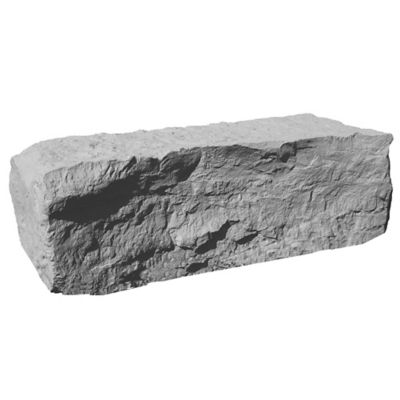
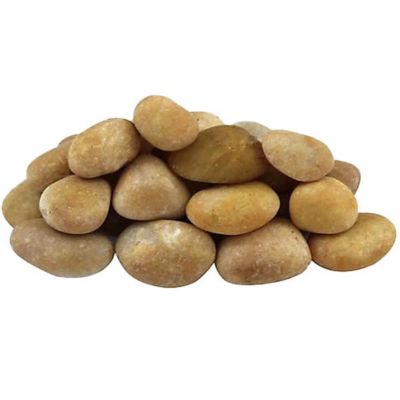
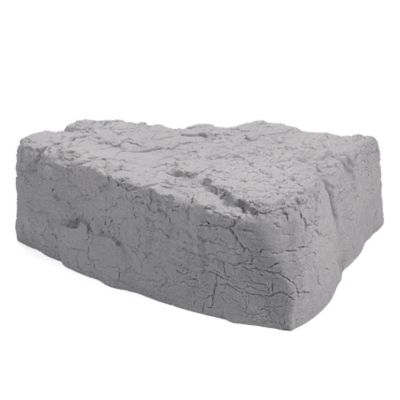
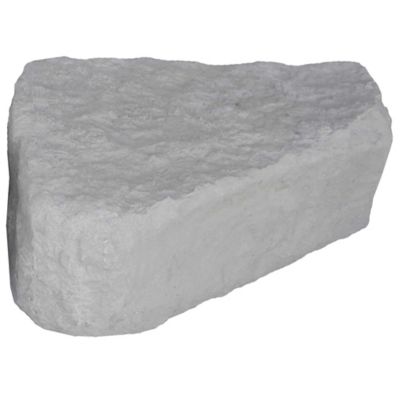
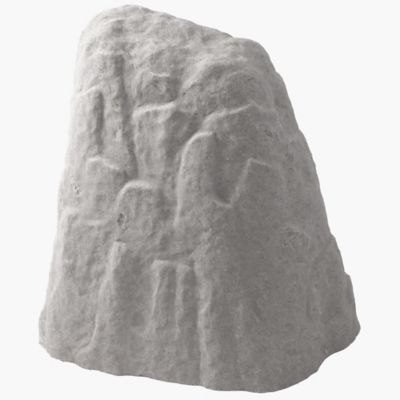
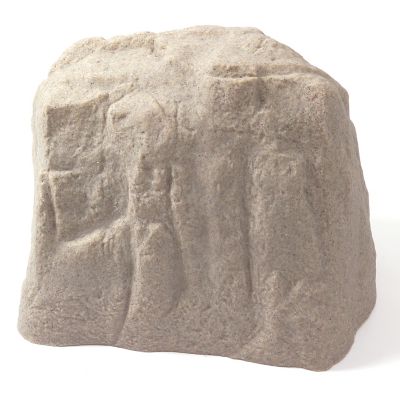
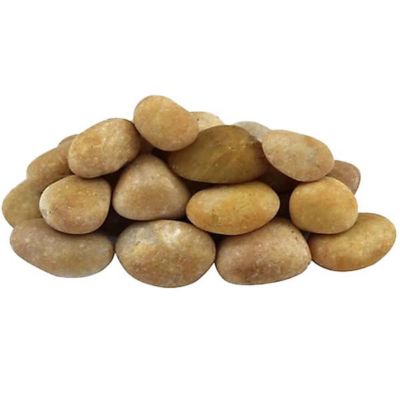
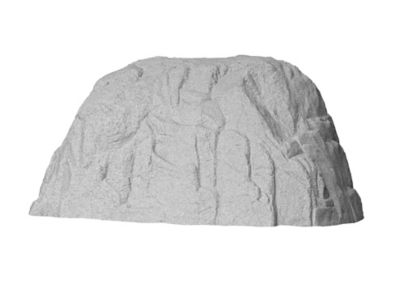
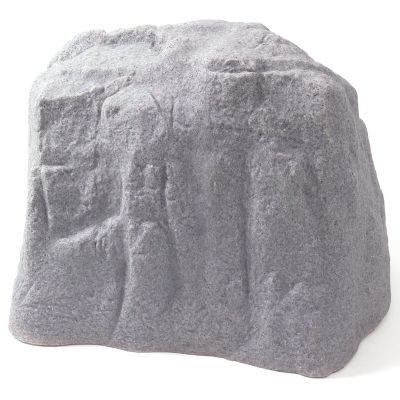
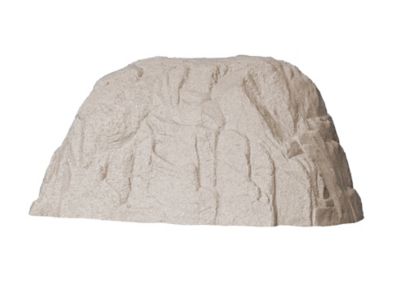
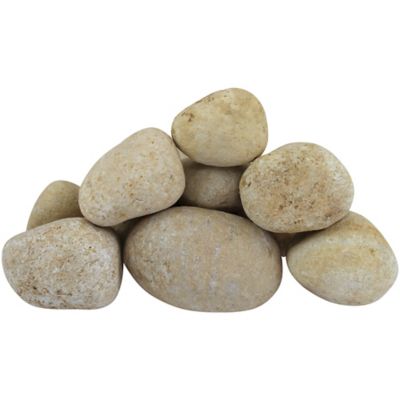
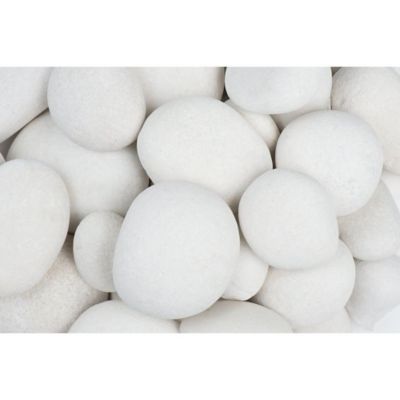
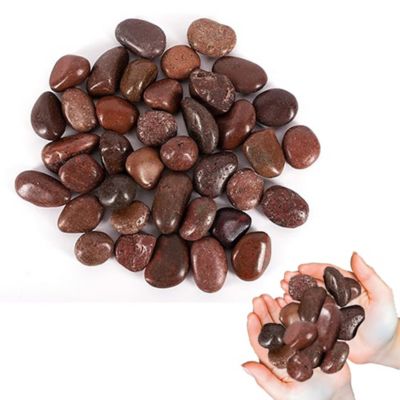
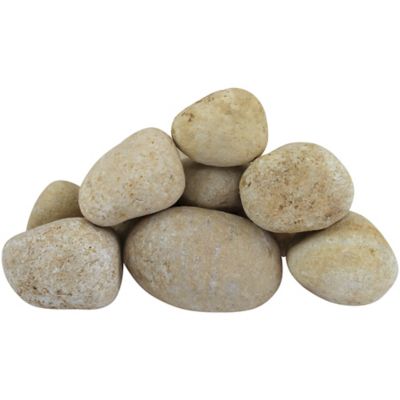
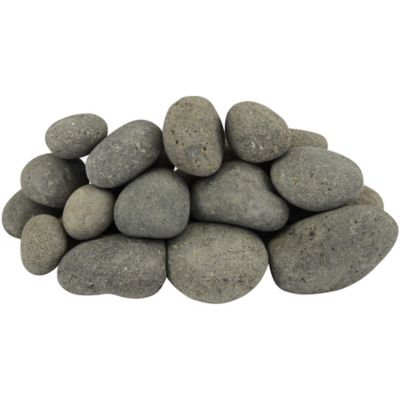
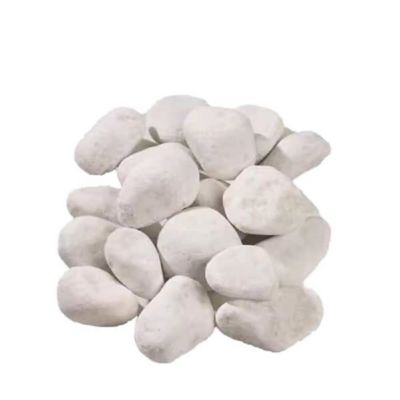
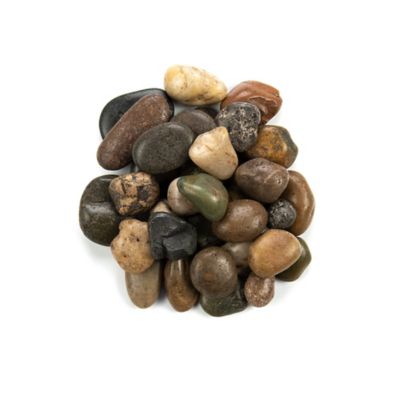
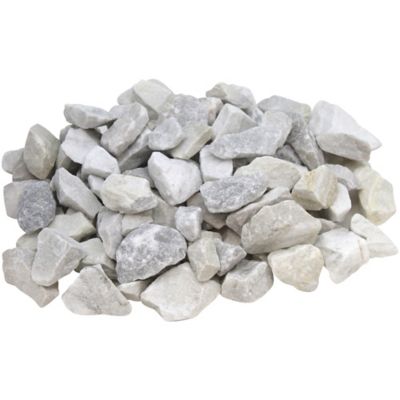
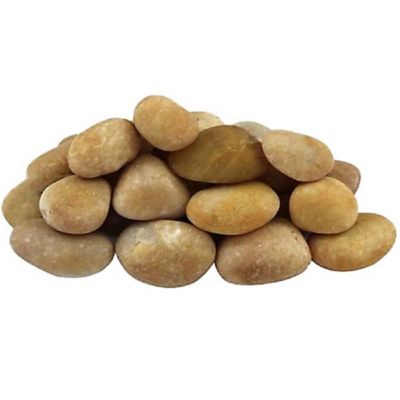
Large landscaping stones bring a grounded, settled-in look to a property, whether they frame a farmhouse entrance, mark the edge of a gravel drive or give a broad planting bed a little more shape. Their appeal comes from more than size alone. A boulder with a rounded face feels different from a sharply layered slab, and a cluster of stones can create a softer boundary than a straight row of edging. Natural variations in color, grain and surface texture help stone sit comfortably beside wood fencing, brick paths, open lawns and established trees. Gray, tan, brown and reddish tones offer different ways to tie the landscape back to the house, barn or surrounding ground without making every surface match. Material matters, too. Granite generally has a dense structure and a visible mineral pattern, while sandstone often shows layers and a grainier surface. Limestone can range from pale cream to deeper gray, with textures that vary by source. Those differences affect appearance, porosity and how readily edges may chip during handling. A broad, flat stone can create a low visual anchor beside a walkway, while an upright rock adds height without another shrub to prune. Rounded stones tend to suit flowing bed lines, and angular shapes fit neatly into rugged rock groupings. For homeowners with a long fence line or a wide front yard, larger stones can help a space feel intentional without filling every inch with plants. Around a small porch or narrow side yard, one well-proportioned stone may have more impact than several oversized pieces crowded together. The best fit comes from the relationship between the stone and everything around it: the width of the path, the height of nearby plants, the colors of existing masonry and the amount of open ground. Even at a distance, a substantial rock can give the eye somewhere to land and make a sprawling property feel a little more connected.
Size and weight are practical considerations with large landscaping stones, especially on properties where access means a narrow gate, a sloped lane or a tight turn beside an outbuilding. Length, width and height tell only part of the story; an irregular shape may have a broad base, a narrow balance point or a heavy section that is not obvious from one angle. Natural stone can weigh far more than its appearance suggests, so equipment capacity, delivery access and the route to the final location all matter. A stone intended for a planting bed has different requirements from one beside a driveway, where vehicle clearance and clear sightlines are part of the fit. Along walking paths, flatter faces and placement outside the travel area help keep the route open, while sharp projections deserve extra space near places where children play or people carry feed, tools and garden supplies. Large rocks can define the edge of a yard, separate gravel from planting areas or frame the entrance to a garden, but they should not be treated as structural retaining material without a suitable design. Their ability to stay put depends on their shape, the supporting ground and the demands of the site. A firm, stable base matters more than simply choosing the biggest stone. Soil that settles unevenly can change how a rock sits, and a tall, narrow piece calls for particular attention to stability. Space around the stone matters as well. Mowers need room to pass, irrigation lines need protection from pressure and abrasion, and utility access should remain clear. For a ranch entrance or a long gravel drive, a few substantial stones set back from the travel lane can create a clear visual border without turning the area into an obstacle course. In a garden bed, room between rocks and plants lets mature foliage spread while keeping the stone’s shape visible.
Living with large landscaping stones is generally straightforward, though the material and finish influence their care. Soil splashes, fallen leaves, grass clippings and buildup from nearby irrigation can change the appearance of the surface over time. Plain water and a soft brush are often enough for routine cleaning, while any cleaner needs to suit the stone rather than the stain alone. Acidic cleaners, for example, can damage limestone and other carbonate-based rock. Heavy scrubbing or aggressive pressure washing can also loosen softer surfaces or draw attention to weak layers. Some homeowners prefer the softened look of natural surface changes; others want lighter-colored stones to stay bright against dark mulch or gravel. Either way, keeping plant debris from piling up around the base makes routine care easier. The surrounding ground deserves attention, too, since settling can leave a stone tilted or expose more of its base than intended. Large stones also pair well with simple plantings: low ground cover can soften the bottom edge, upright grasses can echo the height of a taller rock, and compact shrubs can create a balanced backdrop without hiding the stone. Around working areas, leaving a clear buffer makes mowing and trimming less of a chore and reduces the chance of equipment striking an edge. When the goal is to cover an exposed pipe, utility feature or other small fixture rather than add the weight of natural stone,
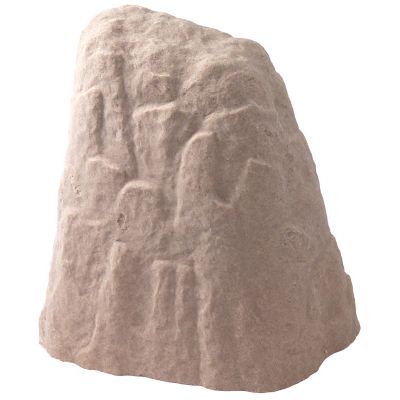
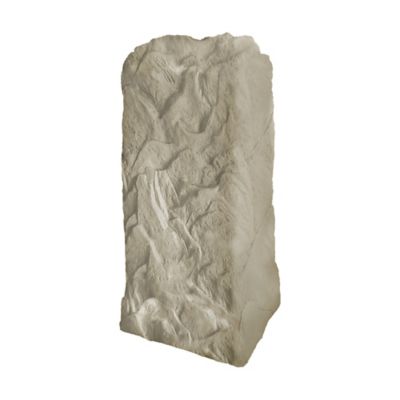
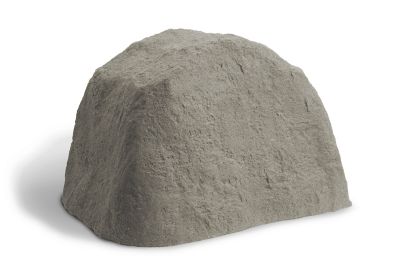
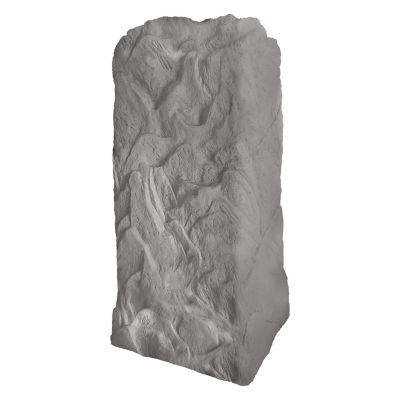
Large Faux Rocks for Landscaping offer another approach, with interior clearance, access needs and ventilation requirements helping determine the right fit. Natural stones and rock-shaped covers serve different purposes, so appearance is only one part of the decision. Across a country yard, garden entrance or open acreage, well-chosen landscaping stones bring shape and definition while leaving room for the everyday work that happens around them.