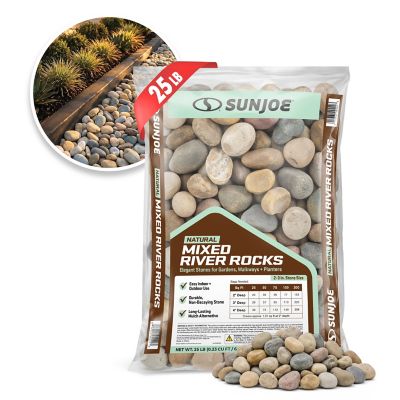
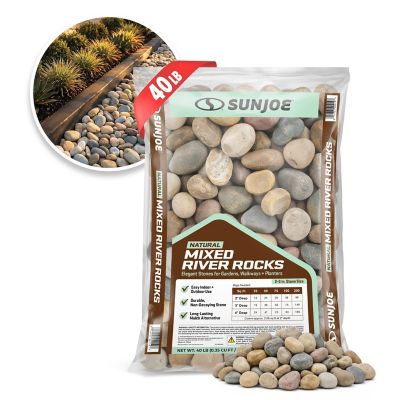
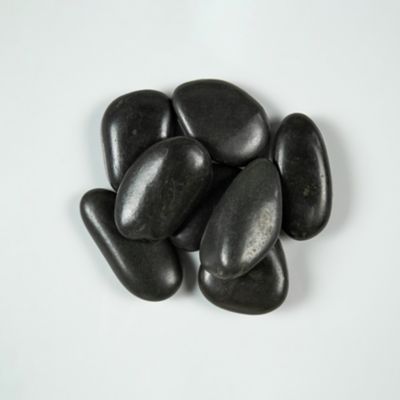
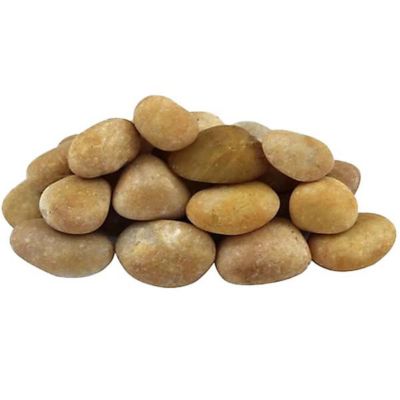
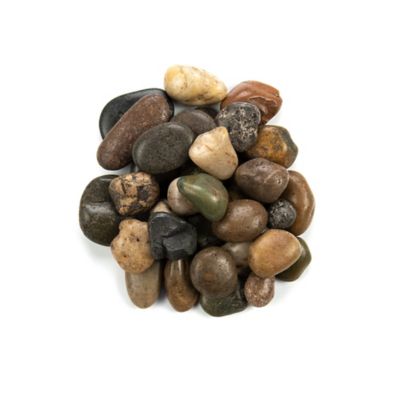
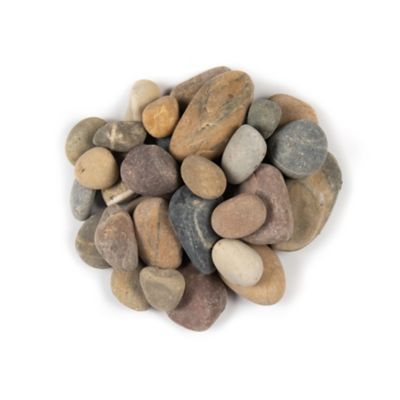
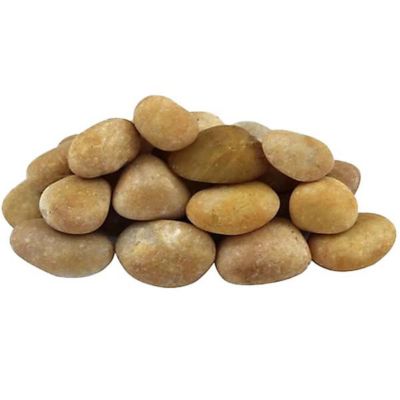
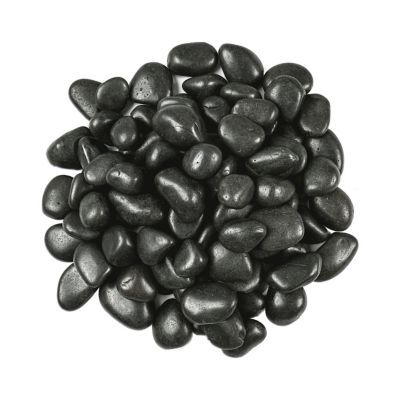
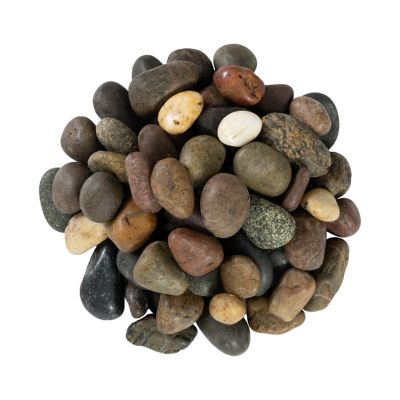
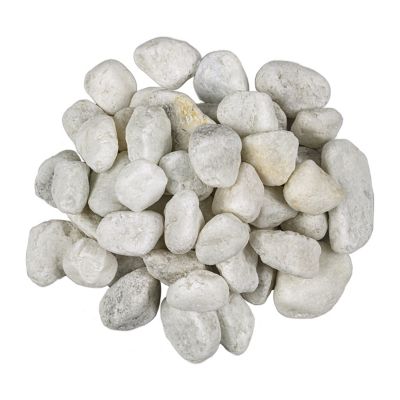
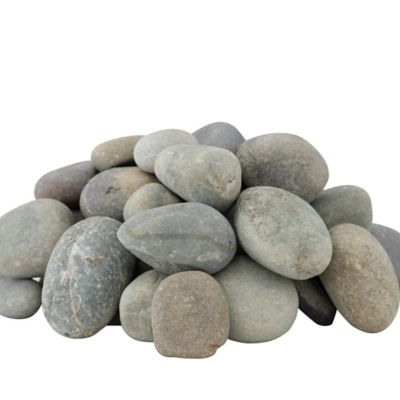
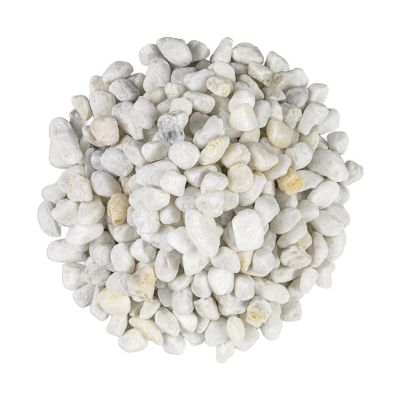
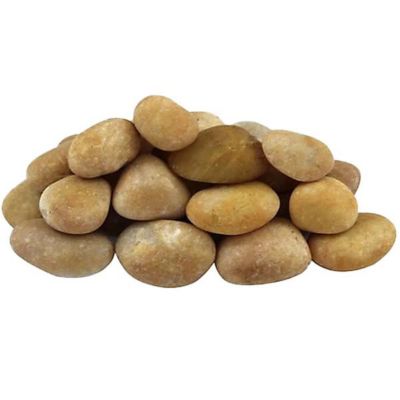
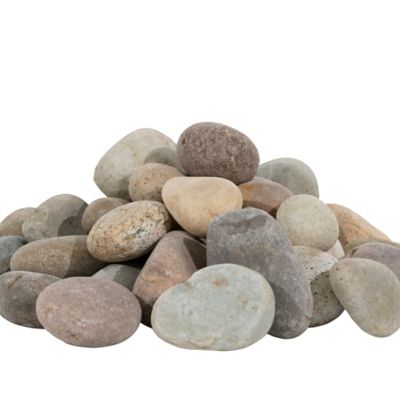
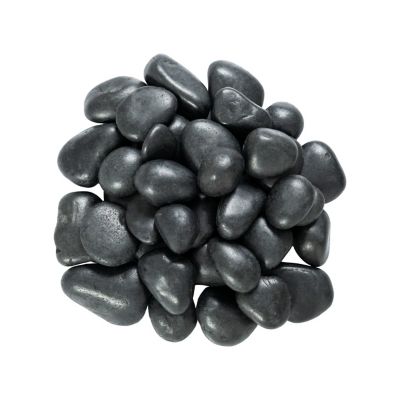
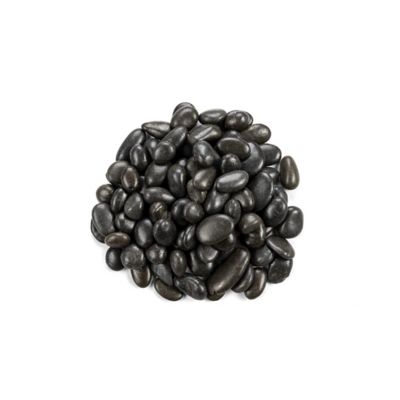
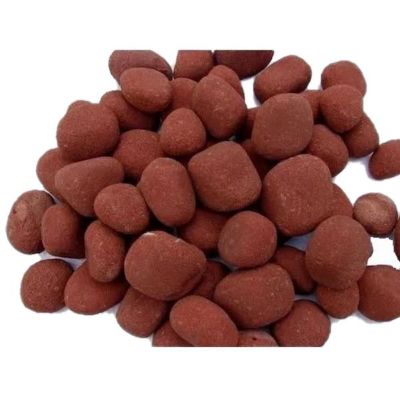
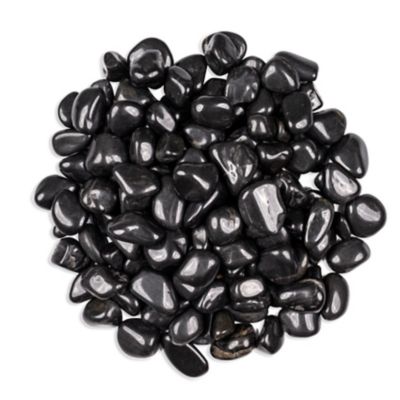
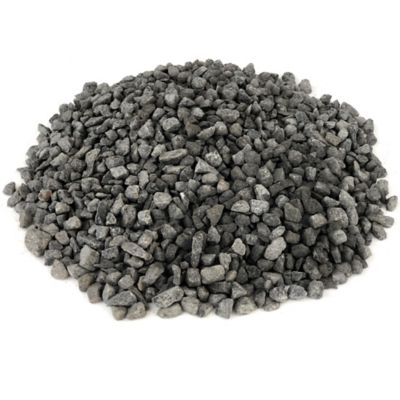
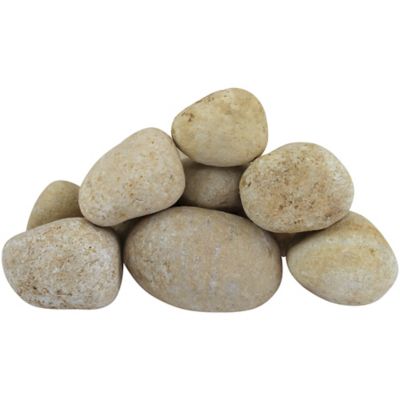
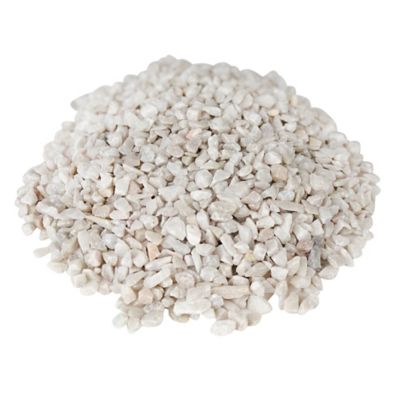
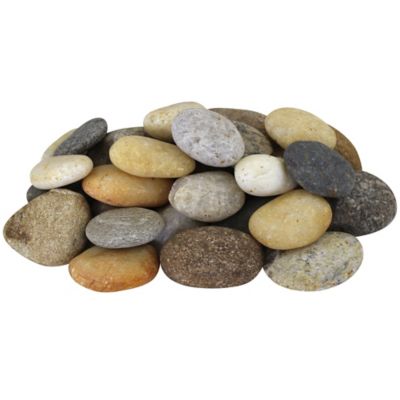
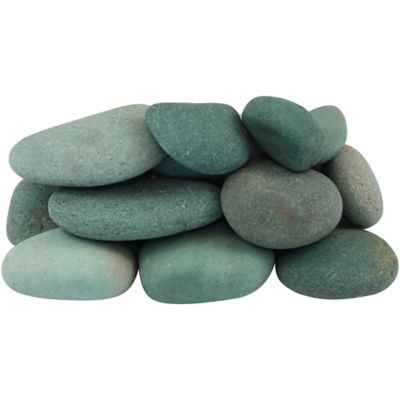
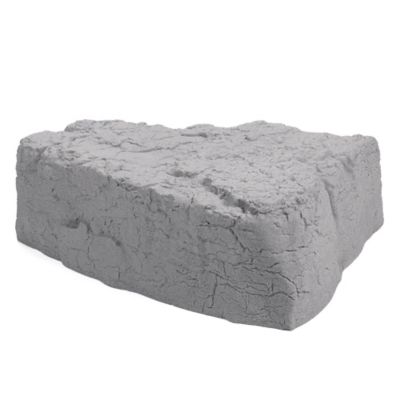
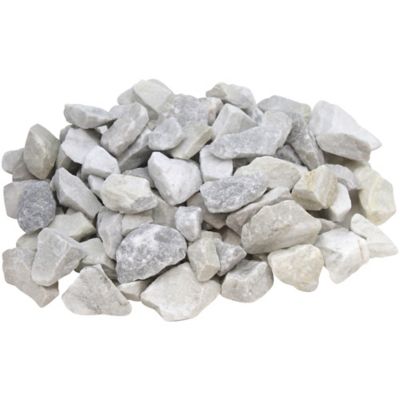
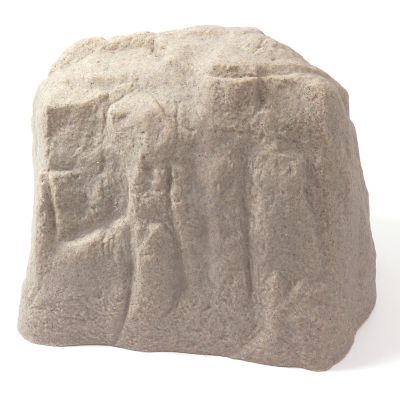
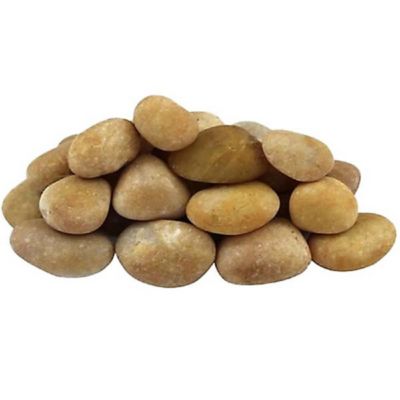
Natural landscaping stones bring a grounded, finished look to the places where yard, garden, and working property meet. A ribbon of river rock beside a porch, a crushed-stone border along a fence, or a few larger stones near the driveway can give each area a clear purpose without making the place feel overly dressed up. Natural stone works with wood posts, brick foundations, metal gates, and the uneven lines of an established garden. Its appeal comes from real differences in color, grain, shape, and texture. Earthy browns and grays blend into the surrounding ground, while lighter shades create contrast around shrubs and along building edges. Even stones from the same material can vary, so a finished bed often has more depth than a perfectly uniform surface. Rounded stones tend to create a softer look, with smooth contours that suit garden borders and open beds. Angular stone has a more rugged appearance, and the way its edges fit together can make it a better match for certain paths and utility areas. Larger rocks add weight and definition around an entrance or planting bed, while smaller pieces fill spaces between established features. The right scale depends on the setting: a broad stretch beside a barn can handle a bolder stone size than a narrow strip near the front steps. For homeowners, gardeners, and folks caring for acreage, these materials offer a way to connect practical ground coverage with the character of the property. A tidy stone border can separate a lawn from a flower bed, frame a well-established tree, or make a hard-to-mow corner easier to manage. Stone also pairs well with native plants and informal planting arrangements, keeping the overall look close to the land rather than stiff or fussy. Whether the goal is a neat front entrance or a simple border around an outbuilding, natural landscaping stone gives the space a defined finish while leaving room for the plants, structures, and everyday activity that belong there.
Appearance is only part of the fit. Material, stone size, shape, and the surface underneath all influence how a landscaped area performs over time. Granite, limestone, marble, and other natural rock types differ in mineral makeup and resistance to wear, so the intended location matters as much as the color. Smooth river rock can look right at home around a planting bed, but loose rounded pieces may shift beneath a boot or wheel. Angular crushed stone tends to settle together more firmly, although a path or driveway still depends on a properly prepared base and suitable depth. Stones beside a porch do a different job from stones in a drainage channel, and neither arrangement automatically suits a parking area. Drainage applications need material sized for the flow and setting; spreading rock over a low spot does not correct an underlying drainage problem by itself. For walking areas, footing deserves attention, especially where someone carries feed sacks, pushes a wheelbarrow, or moves between the house and a workshop. Flat stepping surfaces can make those routes easier to navigate than a deep layer of loose rock. Coverage is another practical consideration. The square footage of the space, the planned depth, and the size of the stones all affect the amount of material needed. Weight alone does not tell the whole story, since equal weights of different rock types may cover different areas. Narrow borders also call for attention to edging, which helps keep stones from wandering into turf or onto a walkway. Near mower routes, a contained bed reduces the chance of loose pieces ending up where equipment travels. Around livestock areas and pet spaces, stone placement should account for gates, animal traffic, and the possibility of small pieces being swallowed. Bigger rocks bring their own handling demands, with weight and awkward shapes that may call for lifting equipment. A good match balances the look of the property with the work that happens there, rather than treating every stone-covered space as the same kind of surface.
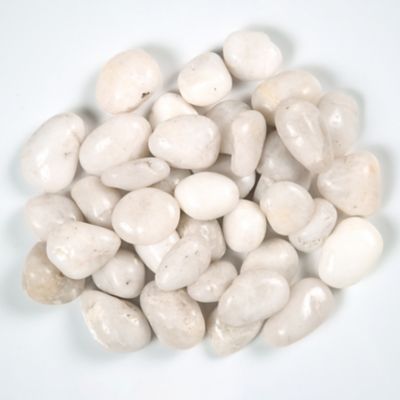
Long-term care is usually straightforward, but natural stone is not a set-it-and-forget-it ground cover. Leaves, grass clippings, and soil can collect between pieces, gradually creating places where weeds take hold. Keeping that buildup in check helps the original color and texture remain visible. A landscape fabric beneath a bed may separate stone from soil and limit some weed growth, but it does not prevent every weed, especially when seeds settle into material on top. Edging, occasional leveling, and removing stray pieces from nearby turf help maintain a clean boundary. A gentle rinse can clear ordinary dust, while tougher staining needs a cleaning approach suited to the mineral composition of the rock. Acidic cleaners can etch marble and limestone, and runoff from any cleaning treatment deserves consideration around plants and animal areas. For a bright contrast against dark soil, green foliage, or a wood fence,
White Marble Landscaping Rocks offer a pale surface with natural variation rather than a painted-looking finish. Light-colored stone can make scattered leaves and soil more noticeable, so the upkeep expectations should match the location. Plant needs matter, too. Calcium-rich stones such as limestone and marble can influence nearby soil chemistry, making compatibility worth considering around plants that prefer acidic conditions. Stone beds also have different characteristics from bark mulch: rock does not break down into organic matter, and relocating it later takes more effort. Around trees and shrubs, room at the base keeps the stone from piling against trunks or covering the root flare. That space also makes it easier to inspect irrigation lines and tend the planting. Natural landscaping stones can stay part of a property for many years, with the finish shaped by foot traffic, settling, and regular care. From a narrow strip beside the shop to a broad garden border near the house, the most satisfying result is one that looks at home, stays manageable, and supports the way the space gets everyday work done.