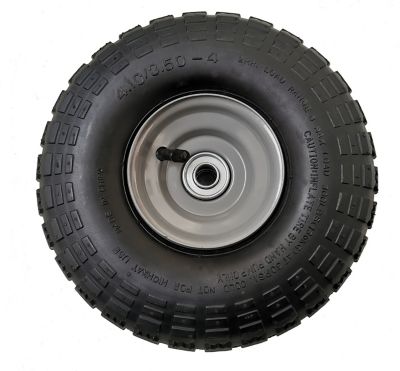
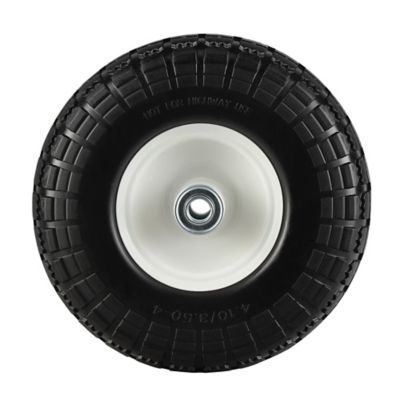
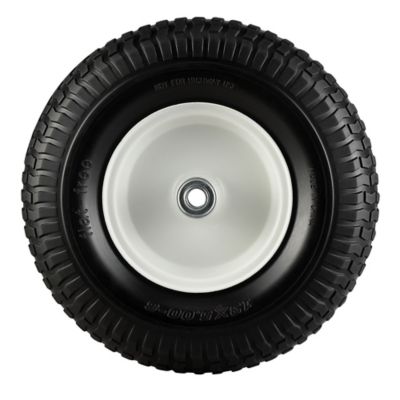
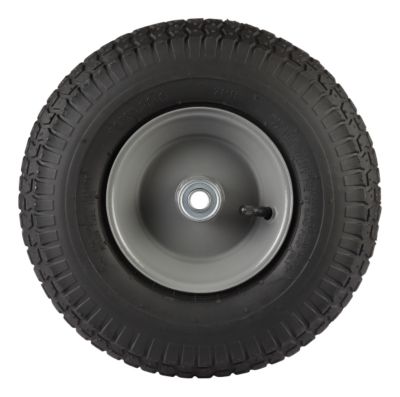
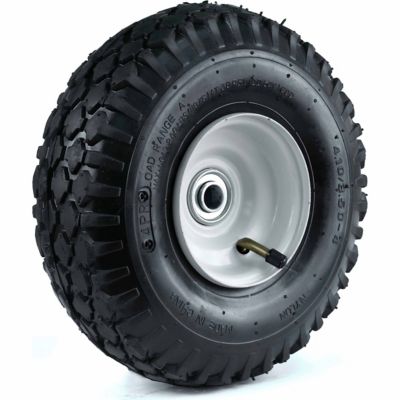
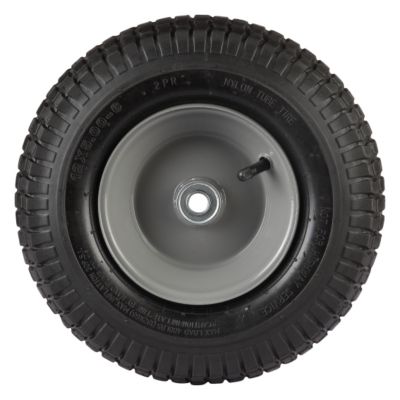
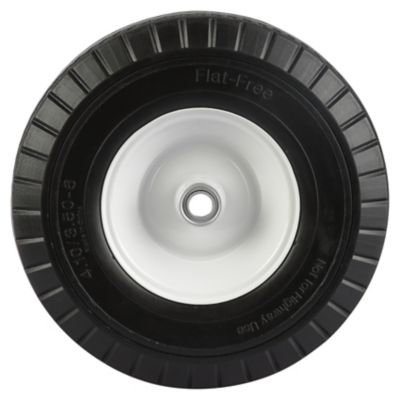
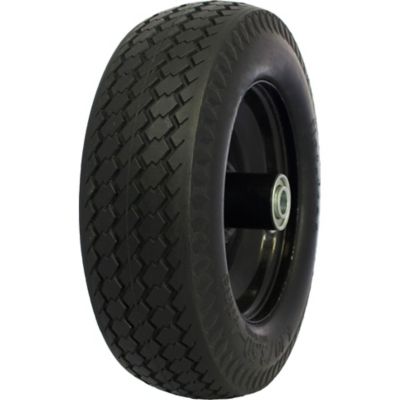
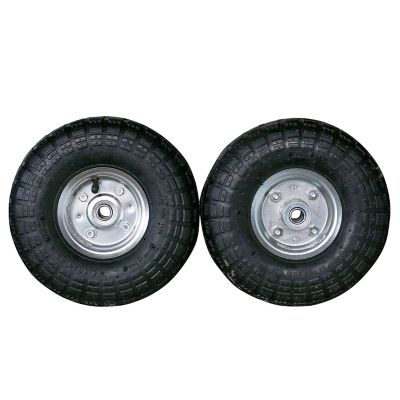
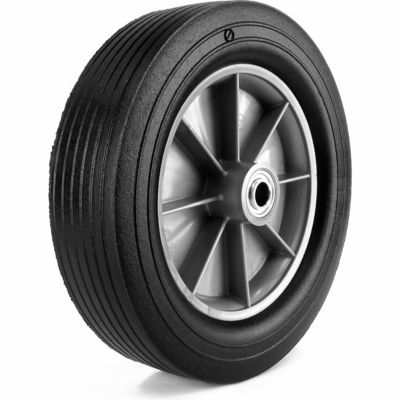
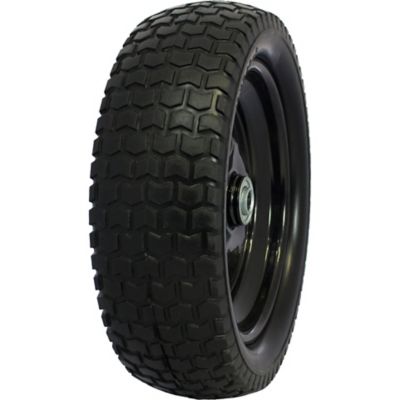
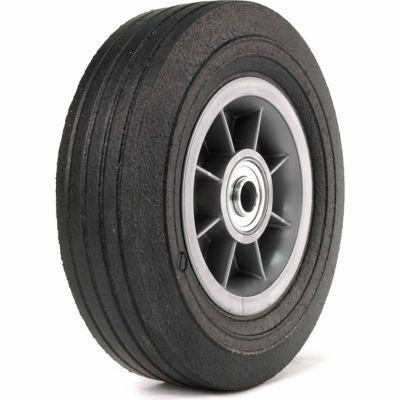
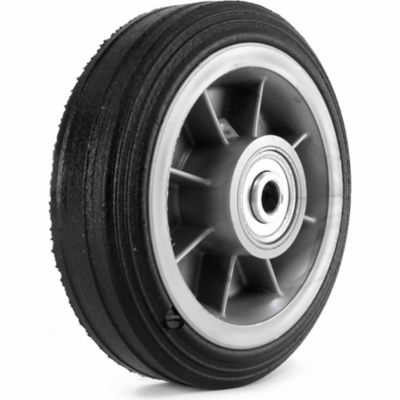
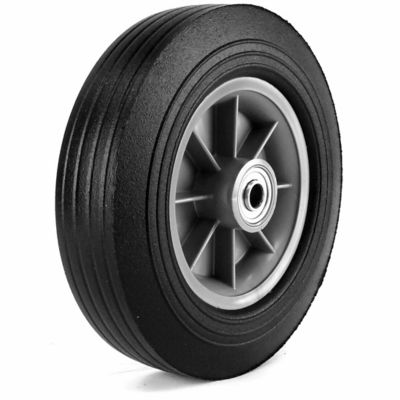
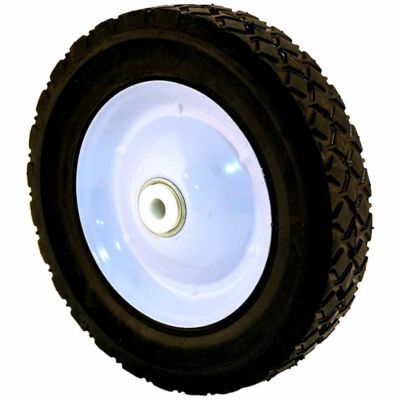
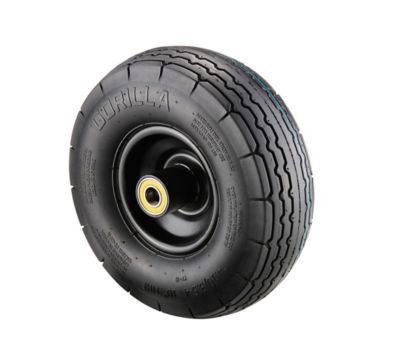
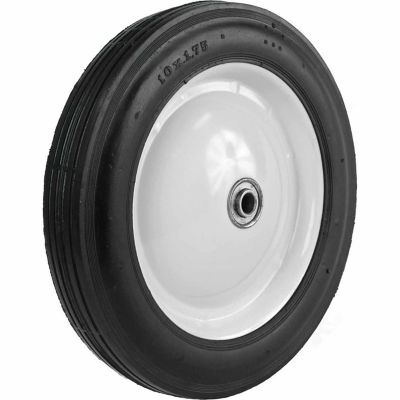
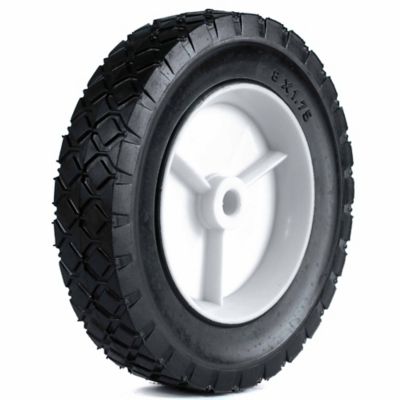
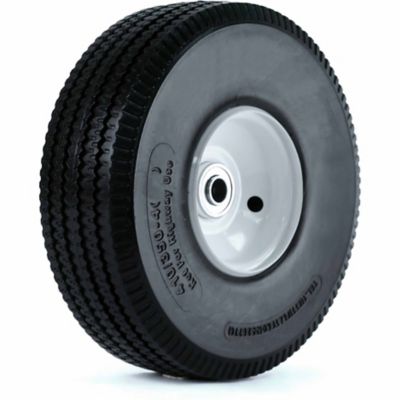
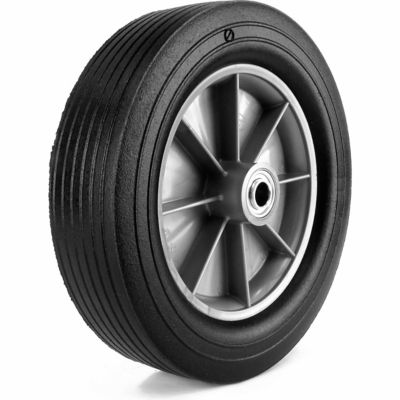
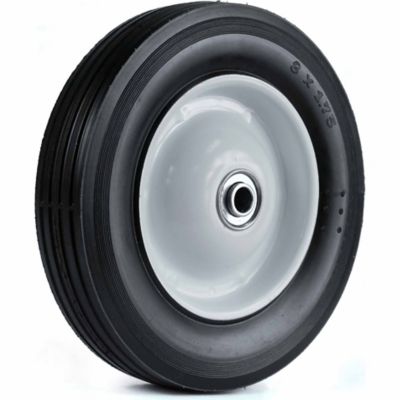
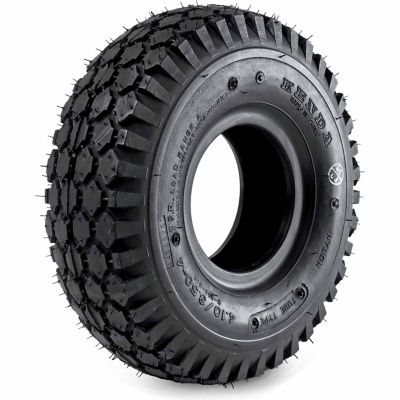
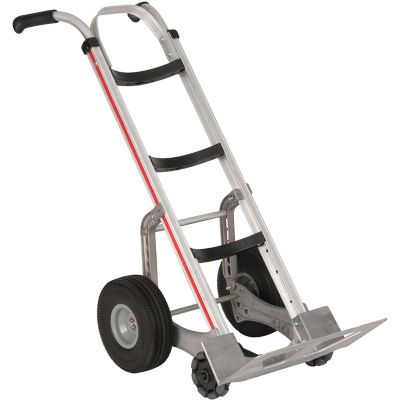
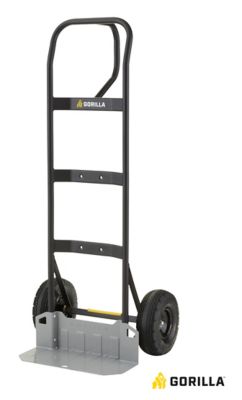
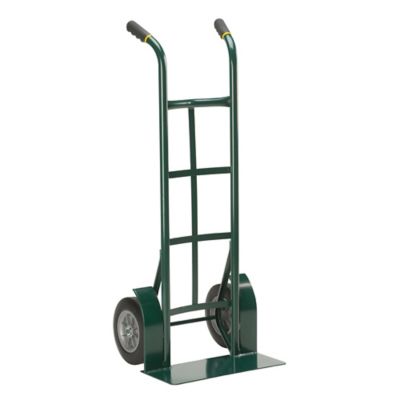
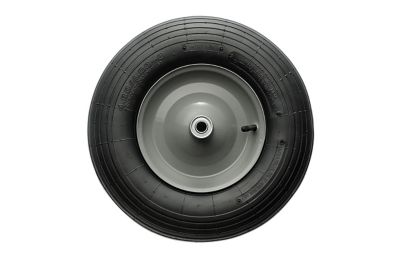
Wheels for hand trucks do more than keep a load moving; they affect how much effort it takes to cross a shop floor, clear a doorway or haul feed sacks from a truck to the barn. Common replacement wheel types include pneumatic, flat-free, solid rubber and semi-pneumatic designs. Pneumatic wheels have air-filled tires that help cushion loads and roll over gravel, uneven ground and small obstacles. They suit chores where a little give between the load and the ground makes a difference, though they need pressure checks and can suffer punctures. Flat-free wheels generally rely on foam-filled construction or solid materials such as polyurethane instead of an air chamber that needs inflation. They take puncture concerns out of the job, but their cushioning and weight vary by construction. Solid rubber wheels often make sense on firm surfaces where a straightforward wheel design fits the work. Semi-pneumatic tires have a hollow interior without a pressurized air chamber, providing some flex without routine inflation; their load ratings still need to match the task. The right choice depends on the route as much as the load. A feed-room doorway with a raised sill presents a different challenge than a clear concrete aisle, and loose gravel calls for different rolling characteristics than a finished floor. Larger wheels generally climb small obstacles more easily than smaller wheels, provided the hand truck has enough clearance for them. Tread shape, tire width and material also influence traction, steering effort and how the wheel handles uneven footing. A broader tire may help keep a load from sinking into softer ground, while a narrower wheel may suit a compact truck working through tight spaces. Farm crews, delivery drivers, shop owners and folks hauling supplies around an acreage all benefit from matching the wheels to the surfaces they cross every day. That match helps keep a simple hauling job from turning into a wrestling match at every threshold.
A replacement hand truck wheel needs to fit the axle and frame, not just look about the same size as the old one. Outside wheel diameter, tire width, axle bore and hub length are the main measurements that determine compatibility. The axle bore is the opening through the wheel’s center, while hub length is the distance the hub occupies along the axle. Two wheels with the same tire diameter can have different hub lengths or bore sizes, so matching only the number printed on the tire can leave the assembly too loose, too tight or unable to mount at all. Hub position matters, too. A centered hub and an offset hub place the tire differently relative to the frame, which can affect clearance around the uprights, axle brackets and wheel guards. Bearing or bushing style should also match the truck’s requirements. Bearings help the wheel turn around the axle, but their dimensions, construction and maintenance needs differ. Spacers, washers and retaining hardware belong in that fit check because they help position the wheel and keep it secured without binding. Load capacity deserves the same attention as dimensions. A wheel’s rating is not permission to exceed the hand truck’s rated capacity, and adding the ratings of two wheels does not account for every operating condition. Uneven ground, impacts at thresholds and an off-center load can shift more weight onto one side. Manufacturer ratings and fit requirements provide the proper starting point, with the frame, axle, wheels and attachment hardware all staying within their limits. For a truck that regularly carries stacked feed bags or heavy shop supplies, the expected working load matters more than an occasional light trip. Matching wheel diameter and construction across a pair also helps the truck sit evenly and track as intended. Extra wheel size offers little benefit if the tire rubs the frame, and a higher load rating cannot make up for an axle bore that does not fit.
Day-to-day care helps hand truck wheels keep rolling without turning routine chores into repair work. For air-filled tires, pressure should follow the tire and equipment manufacturer’s recommendations rather than a guess based on how firm the sidewall feels. Too little pressure can increase rolling resistance and strain the tire, while too much can reduce cushioning or exceed the assembly’s limits. For routes where nails, thorns or sharp scraps are a concern,
Flat Free Tires for Hand Trucks offer an alternative that does not depend on maintaining air pressure. Flat-free construction still needs regular attention to tread wear, hub condition and secure mounting. Across wheel types, twine, plastic wrap and baling string can wind around an axle and interfere with rotation, especially around feed rooms, loading areas and storage sheds. Keeping that debris clear helps prevent drag and makes developing problems easier to spot. Cracked tires, missing chunks, uneven wear, wobbling hubs or rough-turning bearings call for attention before the next heavy load. Some bearings require lubrication, while sealed designs may have different care requirements, so maintenance should follow the assembly’s instructions. Floor contact matters as well. Rubber compounds can leave marks on certain surfaces, and a nonmarking designation should be confirmed when the truck travels through finished spaces. Cleaning methods should suit the wheel material and bearings; harsh chemicals or forceful washing can harm parts that are not designed for that treatment. Storage away from chemicals and direct sunlight can also help limit material breakdown. For a hand truck that moves between a concrete shop, a gravel drive and a barn aisle, wheel choice is a balance of cushioning, rolling effort, fit and upkeep. A well-matched set keeps the load supported and the truck tracking properly, whether the job is moving one heavy sack or making repeated trips across the property.