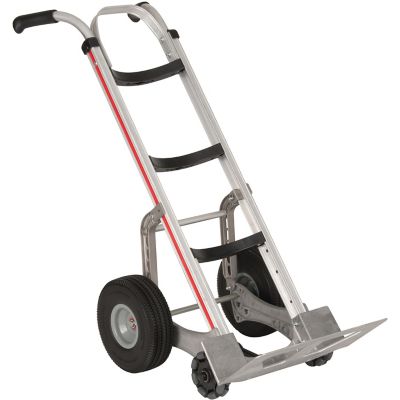
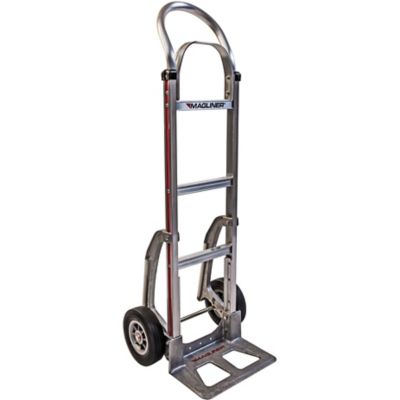
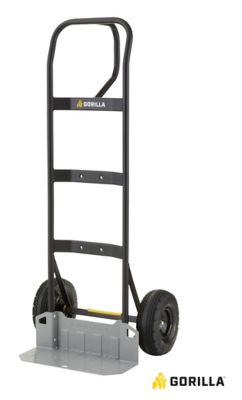
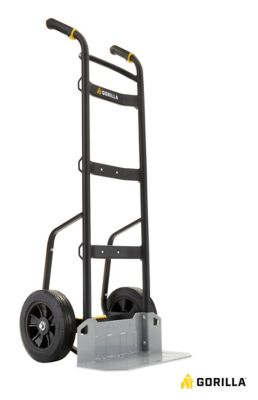
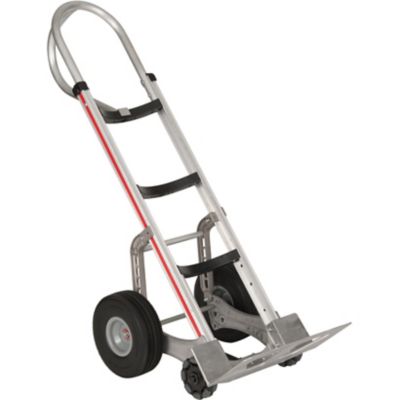
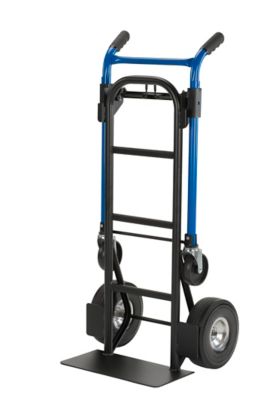
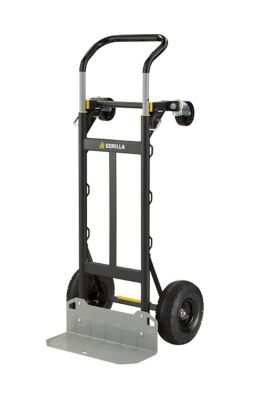
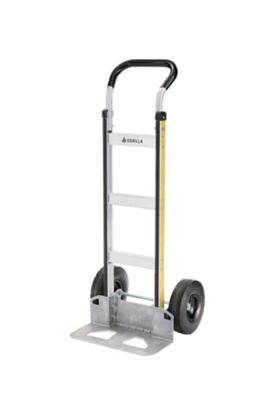
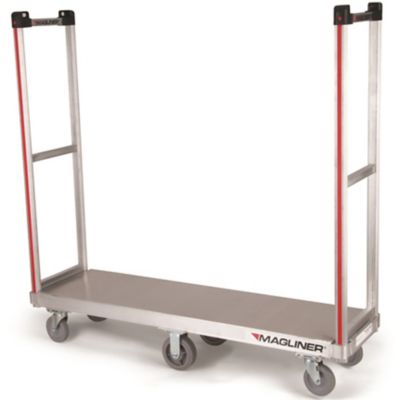
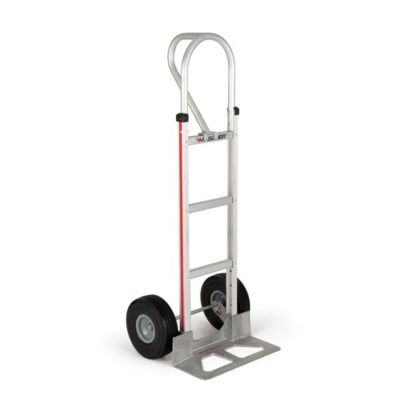
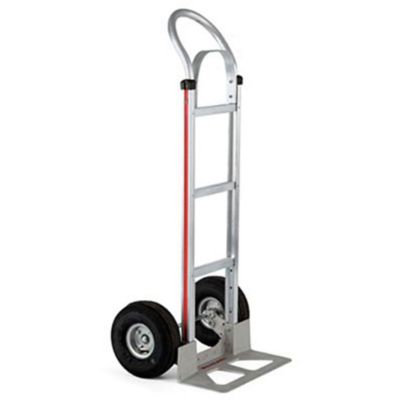
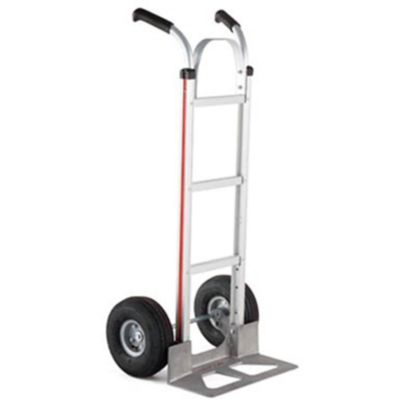
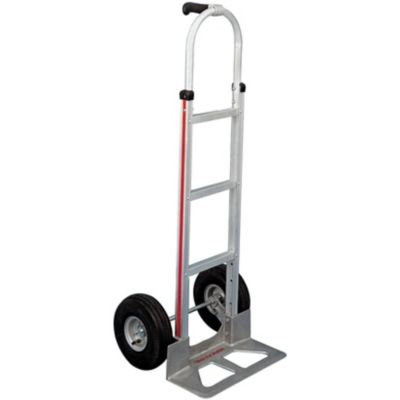
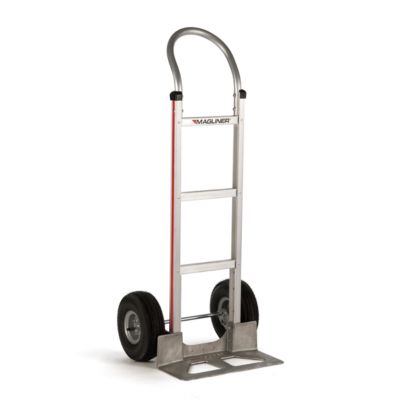
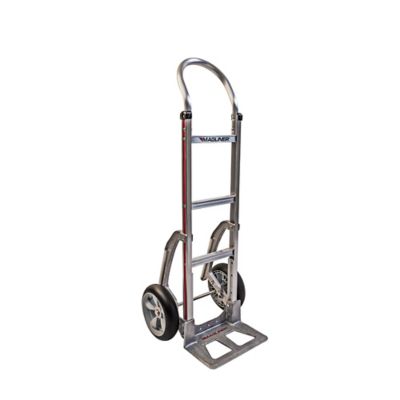
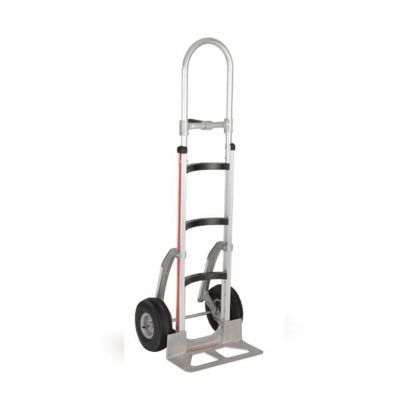
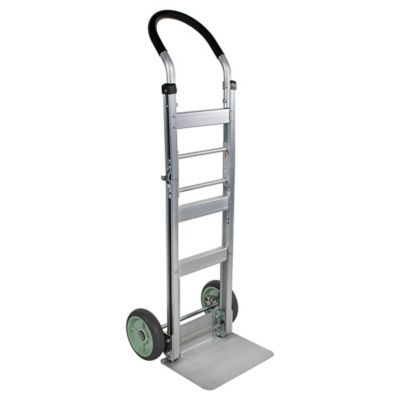
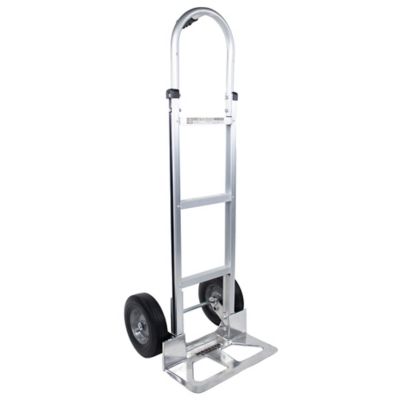
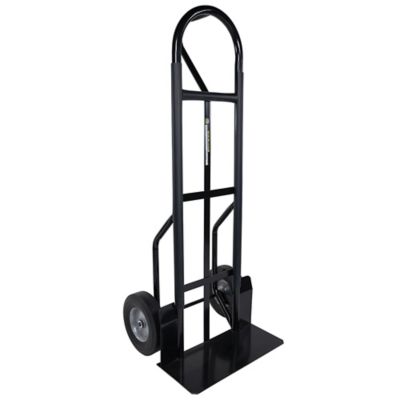
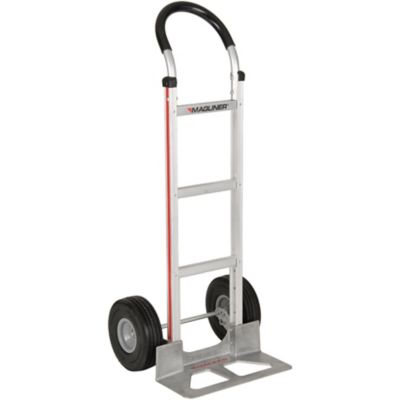
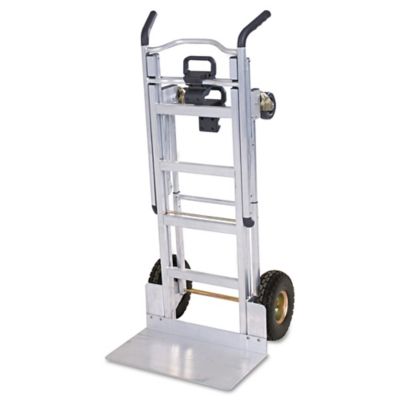
Commercial hand trucks are built for the kind of work where lifting and carrying by hand can wear a person down fast. With a sturdy L-shaped frame, a load-supporting nose plate and two rolling wheels, a hand truck helps move cartons, feed bags, buckets, tools, appliances and other bulky items with less strain. They are useful in warehouses, stockrooms, farms, barns, workshops, delivery routes, retail back rooms and busy loading areas. A good hand truck can make a noticeable difference when unloading a shipment from a trailer, moving stacked boxes across a concrete floor or taking supplies from a storage building to a job site. During the cooler months, it can also help move firewood, bagged bedding, animal feed and other heavy supplies without dragging them through mud or carrying them one awkward load at a time. When choosing commercial hand trucks, start with the weight and shape of the loads you handle most often. Capacity ratings can range from a few hundred pounds to well over 1,000 pounds, but the best choice is not always the truck with the highest number. Match the rating to your heaviest regular load, and leave some room for unexpected weight, uneven surfaces and repeated daily use. A truck that is overloaded may be difficult to steer, harder to stop and more likely to tip, especially when a tall stack blocks the operator’s view. For routine work, a balanced load placed close to the frame is easier to control than a load that hangs far out over the toe plate. Securing straps, bands or other tie-downs can help keep boxes and round containers from shifting as the truck moves.
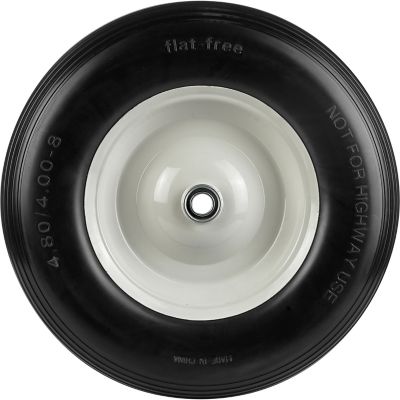
Frame material is another important consideration. Steel hand trucks offer excellent rigidity and are a dependable choice for demanding industrial work, heavy equipment and frequent loading. They can stand up to hard use around warehouses, shops and farm buildings, though they may weigh more than aluminum models. Aluminum frames are lighter and naturally resistant to rust, making them convenient for delivery work, outdoor use and tasks that involve lifting the truck in and out of a vehicle. A lighter frame can reduce fatigue when an employee has to reposition the truck throughout a long shift, but it should still have a capacity suited to the job. Look closely at the nose plate, too. A broad toe plate gives large cartons, feed sacks and equipment a steady place to rest, while a narrower or tapered plate may slide more easily under tight stacks or between shelves. Wheel design has just as much impact on performance. Pneumatic tires cushion bumps and roll smoothly over gravel, packed dirt, thresholds and rough pavement, making them a practical fit for farms, nurseries, construction areas and outdoor delivery routes. They do require air-pressure checks and can be vulnerable to punctures. Solid rubber and flat-free tires are convenient for warehouses, stores and maintenance areas where avoiding downtime matters, and they do not need inflation, though they may transmit more vibration across uneven ground. Wheel size also affects how easily the truck crosses door thresholds and rough patches. Larger wheels generally roll over obstacles more confidently, while compact wheels can be easier to maneuver in narrow aisles. Before buying, measure tight turns, doorway clearances, ramps and storage spaces so the truck fits the places where it will actually be used.
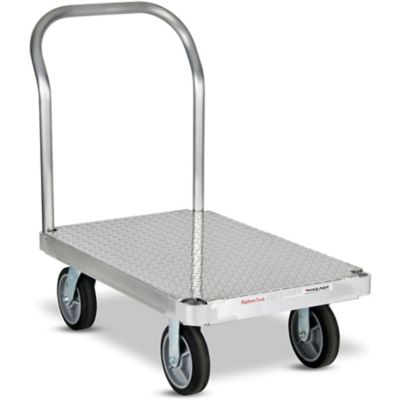
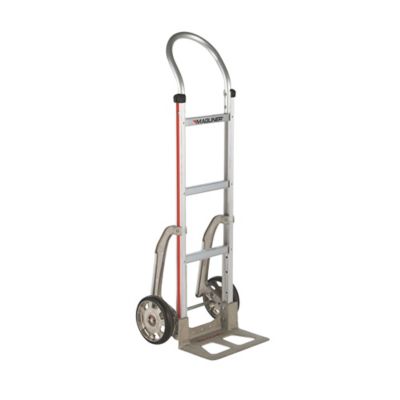
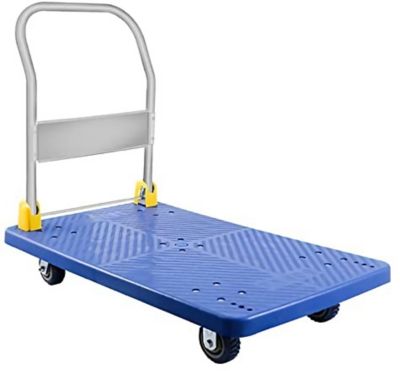
The right configuration depends on the workday. A standard two-wheel commercial hand truck is a straightforward choice for moving upright loads through stockrooms, loading docks and delivery areas. Convertible models can shift between a vertical hand truck and a four-wheel platform cart, which is handy when moving a tall box one minute and a low, wide load the next. Stair-climbing designs use specialized wheel arrangements or tracks to make steps more manageable, but they still require a controlled pace, a secure load and careful attention to the truck’s rated capacity. These options are especially useful for delivery crews, maintenance staff, hospitality workers, warehouse teams and small businesses that handle a mix of packages and equipment. A hand truck can also be a practical addition to a farm shop, feed room or home workshop. It may help a rancher move mineral tubs, a kennel operator shift stacked supplies, or a property owner bring bags of soil and fencing materials from the truck to a shed. For anyone outfitting a new business, maintaining a rental property or preparing a work area for the cooler season, a dependable commercial hand truck is a useful investment rather than a short-lived convenience. If your work includes frequent package drops, loading routes or customer deliveries, browse
Delivery Hand Trucks for options suited to moving goods from a vehicle to a doorstep, dock or receiving area. Store the truck where it stays protected from unnecessary moisture, inspect wheels and fasteners regularly, and keep the nose plate clear of grease and debris. Used with sensible load handling and proper footing, a commercial hand truck can save time, limit back strain and keep heavy work moving steadily from one end of the property to the other.