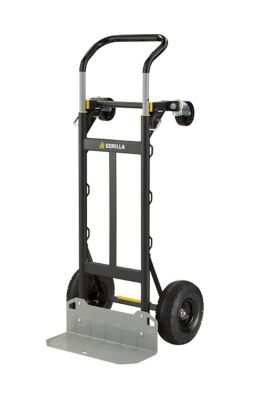
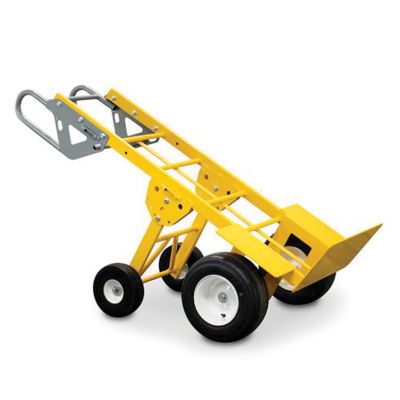
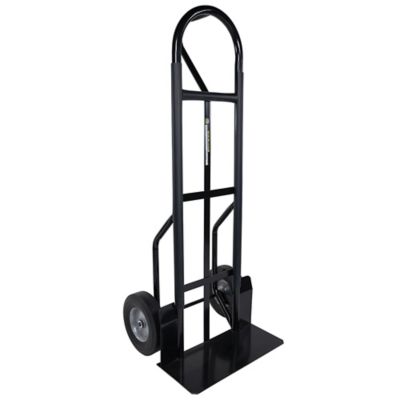
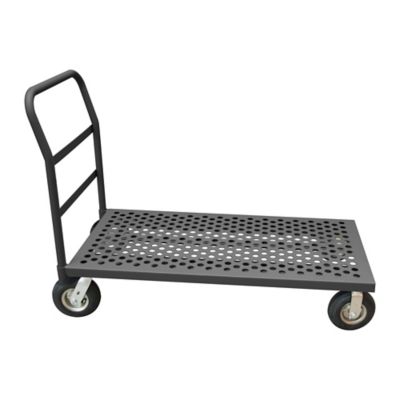
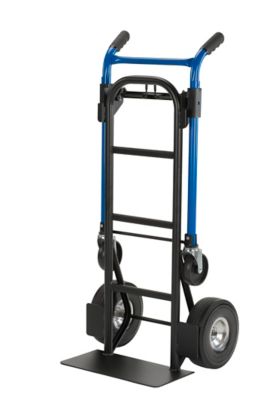
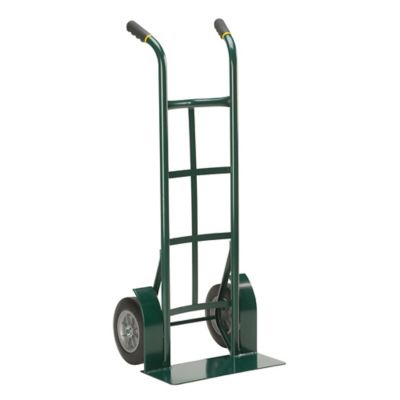
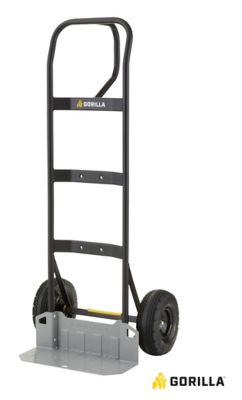
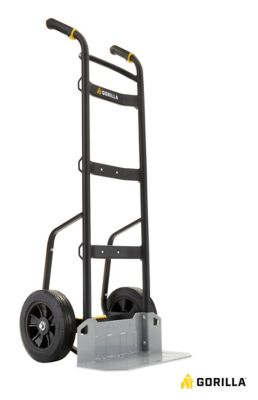
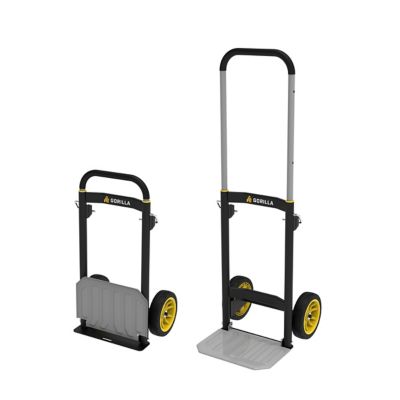
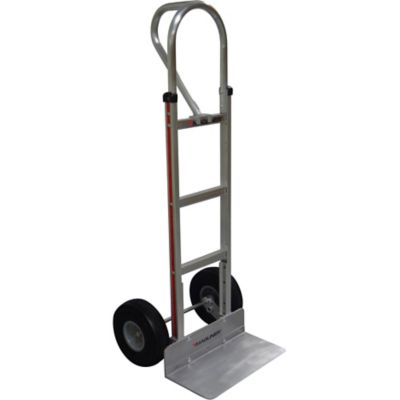
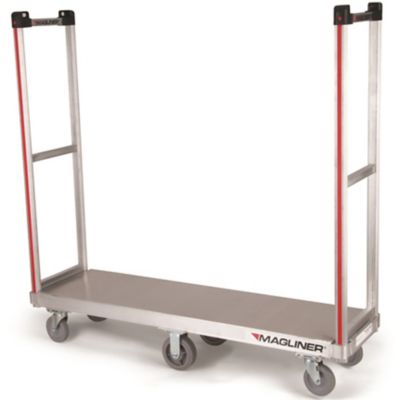
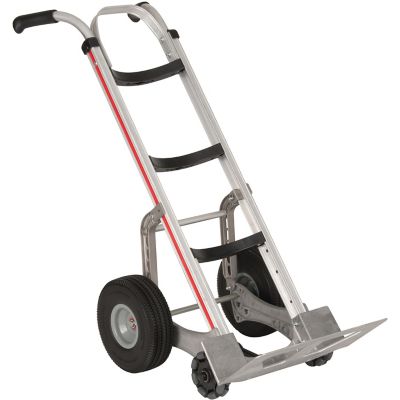
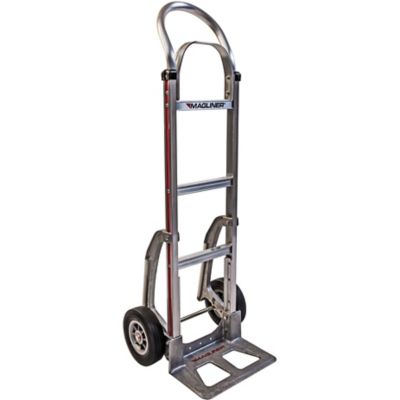
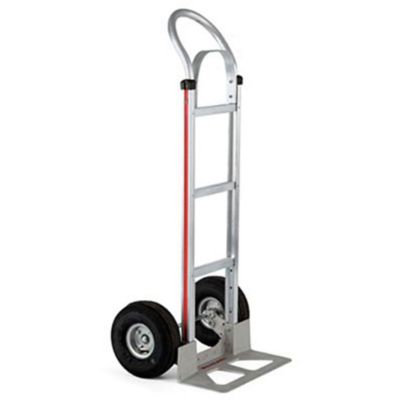
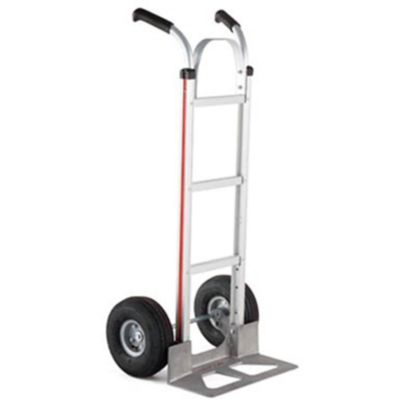
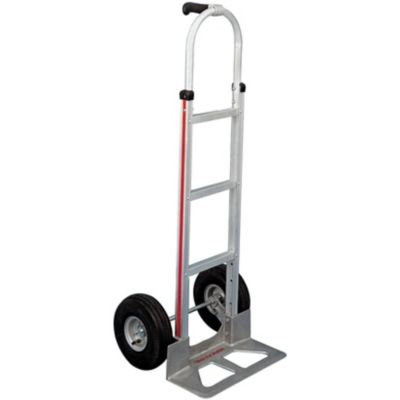
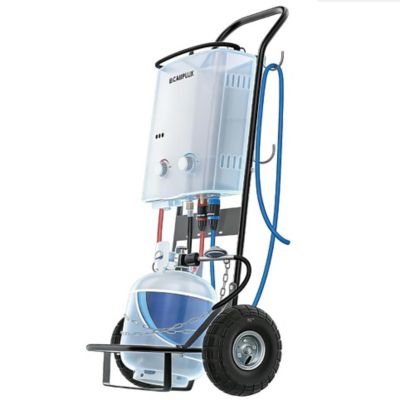
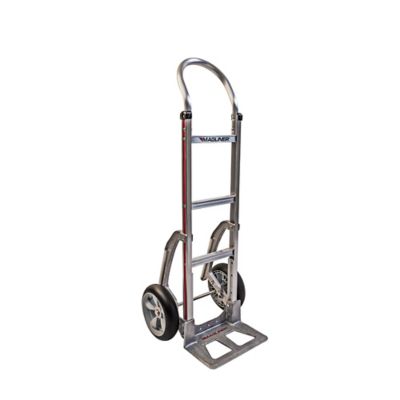
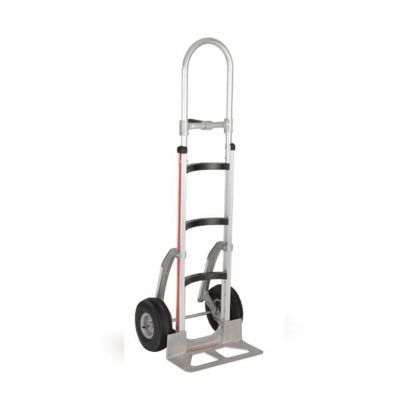
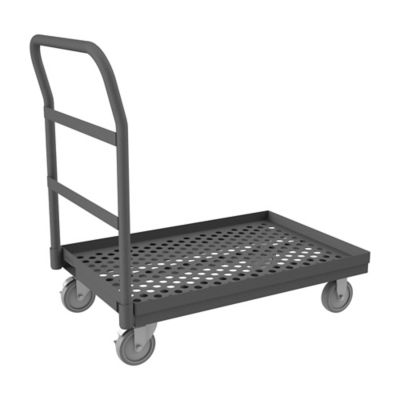
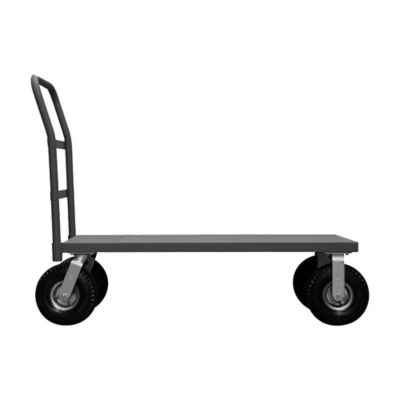
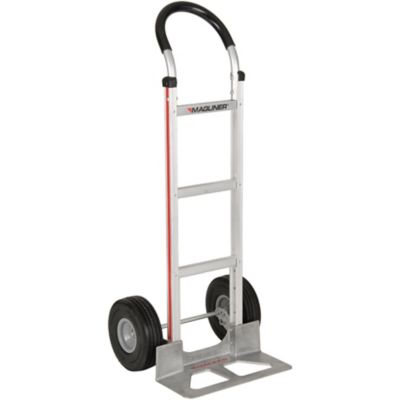
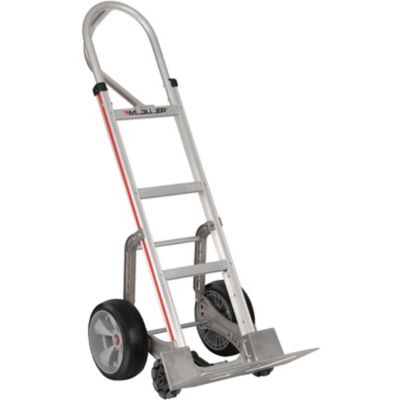
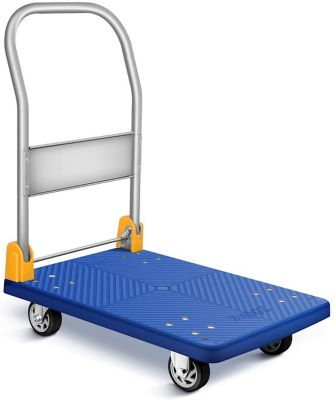
Steel hand trucks are dependable workhorses for moving heavy, awkward, or stacked loads without putting all the strain on your back. Built with sturdy steel frames, these two-wheel carts are useful around farms, ranches, workshops, warehouses, garages, garden sheds, and busy homes where there is always something that needs to be hauled from one place to another. Bags of feed, boxes of supplies, fence posts, pails, tools, small appliances, firewood, and bundled materials are much easier to move when the weight is balanced on a hand truck instead of carried by hand. A well-chosen model can help one person handle jobs that might otherwise require two people, especially when the path is reasonably clear and the load is secured. Steel construction is a practical choice for regular use because it stands up well to bumps, scrapes, and the rough treatment that comes with loading and unloading around concrete floors, gravel drives, barn aisles, and shop entrances. When comparing options, start with the type of work you do most often. Check the stated load capacity, but also consider the shape and size of the items you plan to move. A hand truck with a taller frame may help keep large boxes or stacked bags in place, while a broader nose plate can provide better support for bulky loads. Look for sturdy handles that feel comfortable in your grip, well-placed bracing, and a base that gives the load enough support without making the cart difficult to steer. The best fit is the one that matches your everyday chores, not simply the model with the biggest numbers on the label.
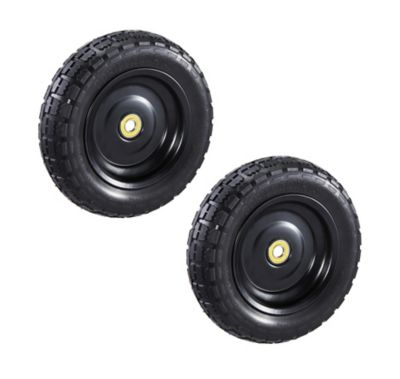
Wheels make a big difference in how a steel hand truck feels on the job. Pneumatic tires can provide a smoother ride across uneven ground, packed dirt, gravel, and thresholds, while solid or puncture-resistant wheels can be handy in work areas where nails, wire, thorns, and other sharp debris are common. Consider the surfaces between your storage area and the place where the load will be used. A cart that rolls easily across a smooth warehouse floor may handle differently on a sloped driveway or a rough path beside the barn. Larger wheels generally help when crossing small bumps and door sills, while a compact wheel setup may be easier to maneuver in tight stockrooms, trailers, and crowded workshops. Balance matters, too. Place the heaviest part of the load low and close to the frame, keep the nose plate fully under the item, and use straps or other appropriate restraints when a box, cylinder, bundle, or tall stack could shift. Move at a controlled pace, keep both hands on the handles when possible, and watch for wet floors, loose gravel, steps, and overhead obstacles. For more choices suited to everyday hauling and general-purpose work, browse
Utility Hand Trucks. Taking a minute to match the cart to the terrain and the load can make a long afternoon of lifting feel far more manageable. It also helps protect the things being moved, from bags that can split when dropped to finished surfaces that can be scratched by dragging.
A steel hand truck earns its keep in all kinds of routines. During the warmer part of the year, it can help carry soil, planters, animal bedding, and supplies for outdoor projects, then stay useful through the cooler months when boxes, pellets, firewood, storage totes, and maintenance materials need to be moved indoors. In a farm setting, it may travel from the feed room to the barn several times a day. In a garage, it can make it easier to shift a heavy toolbox or bring equipment in from the driveway. Small businesses, delivery areas, community buildings, and maintenance crews can use one to move cartons and supplies while keeping walkways more orderly. They can also be a thoughtful gift for someone who spends weekends repairing equipment, caring for livestock, managing a homestead, or improving an older property. Before choosing one, measure the tightest doorway or gate it will pass through and think about where it will be stored when the work is done. A hand truck that fits the available space is more likely to be used regularly than one that must be leaned awkwardly against a wall or left outside in the weather. Look over welds, fasteners, handles, wheel condition, and the frame finish from time to time, and clean off mud, feed dust, salt, or other buildup before storing it. With sensible loading habits and basic care, a steel hand truck can become one of those quiet, reliable tools that saves effort on ordinary chores and comes through when a heavy job lands on the schedule.