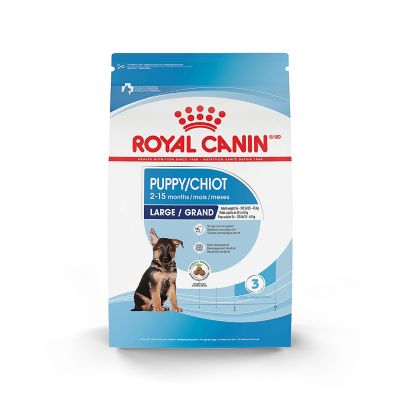
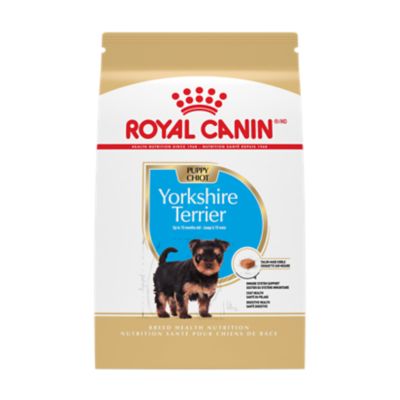
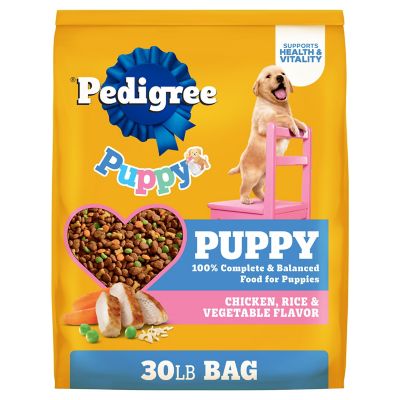
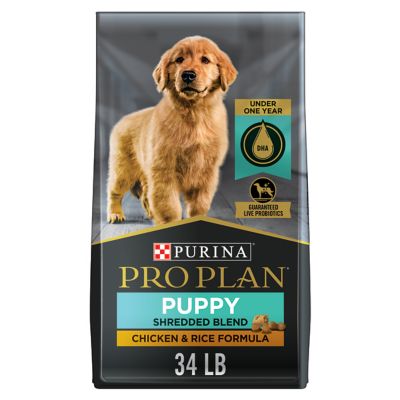
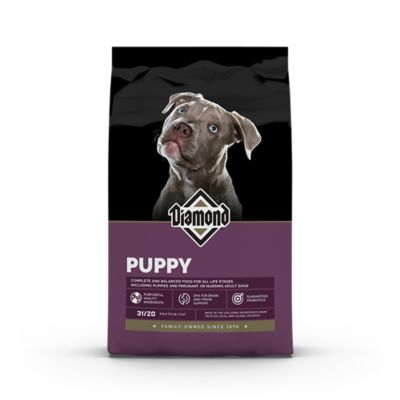
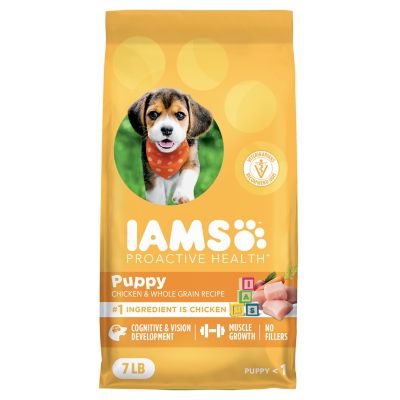
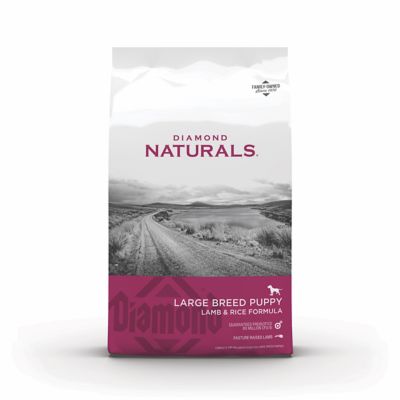
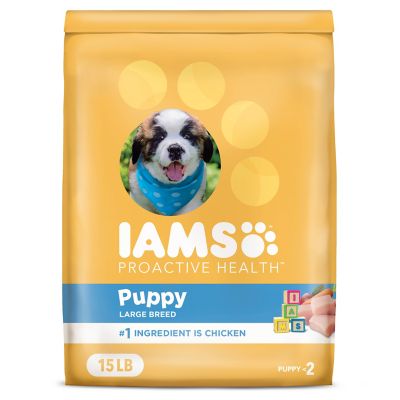
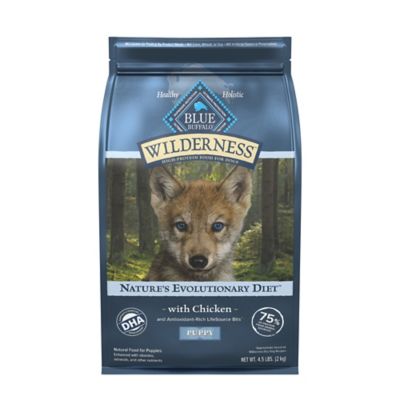
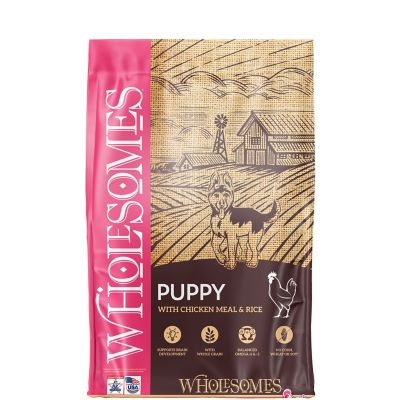
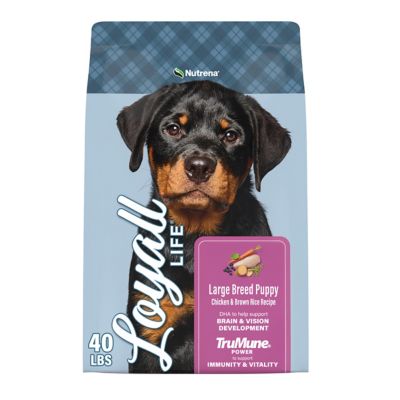
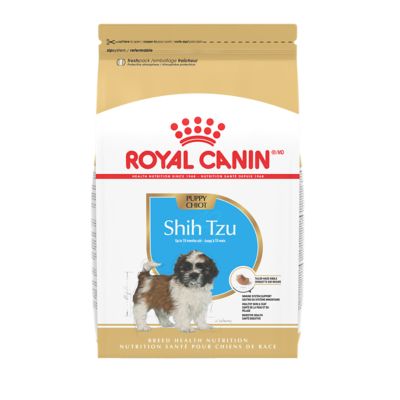
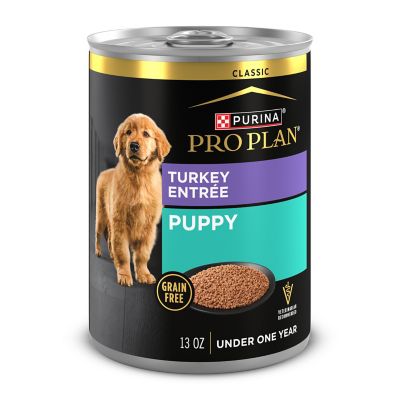
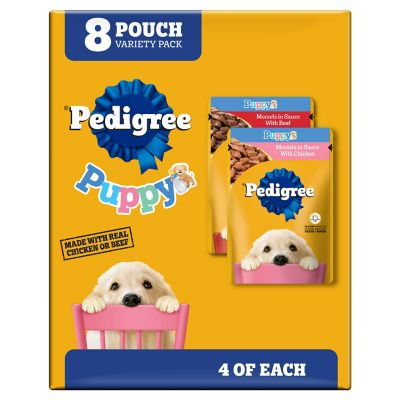
Puppy food supports the busy stretch between leaving the litter and growing into an adult dog, when meals need to provide more than a full belly. Food formulated for growth supplies energy, protein, fat, vitamins, and minerals in proportions intended for developing bodies. Protein supports growing muscles and other tissues, while fat provides concentrated energy and helps the body absorb certain vitamins. Some recipes include DHA, an omega-3 fatty acid that supports brain and vision development. Calcium and phosphorus also matter, especially for bone development, but more is not automatically better. The balance of nutrients in the complete diet matters more than adding a spoonful of something extra. For everyday wellness, a helpful starting point is the nutritional adequacy statement on the package, which identifies whether a food is complete and balanced for growth or another life stage. A food labeled only for adult maintenance is not intended to meet a puppy’s growth needs. Large-breed puppies deserve particular attention because their diets need to support a controlled growth rate rather than the fastest possible weight gain. For puppies expected to weigh 70 pounds or more as adults, look for an adequacy statement that includes growth of large-size dogs. A veterinarian can help sort out the right approach when adult size is uncertain, as it often is with a mixed-breed pup. The little dog snoozing beneath the kitchen table and the long-legged pup tagging along for chores may have very different calorie needs, even at the same age. Breed, expected adult size, activity, and body condition all belong in the decision. A suitable food helps a puppy grow steadily while keeping a lean shape, with ribs that can be felt beneath a light covering and a waist visible from above. Regular weight checks and veterinary visits help put that growth in perspective, especially when a puppy seems to change size between one bag of food and the next.
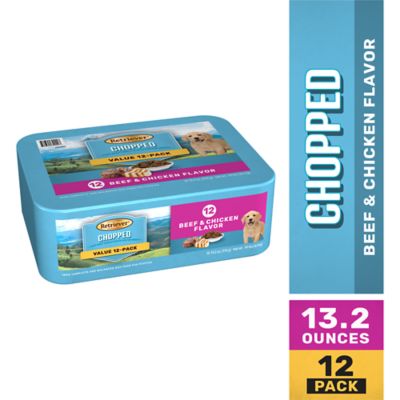
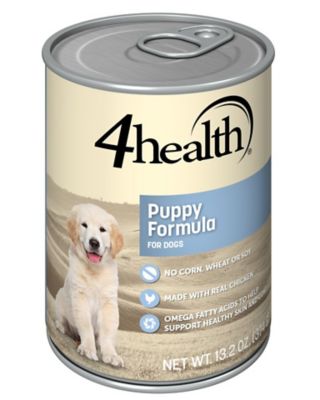
Texture, ingredients, and meal format also make a difference in how puppy food fits into daily life. Dry food is easy to measure, portion into a training pouch, and serve in a bowl or an appropriate food puzzle. Kibble size and shape deserve a look, particularly for a small puppy with a little mouth or a larger pup that tends to gulp meals. Wet food offers a softer texture and contributes moisture to the diet, which can make it a practical option for puppies that prefer that consistency. Either format can provide complete nutrition when its label identifies it as appropriate for growth. When comparing
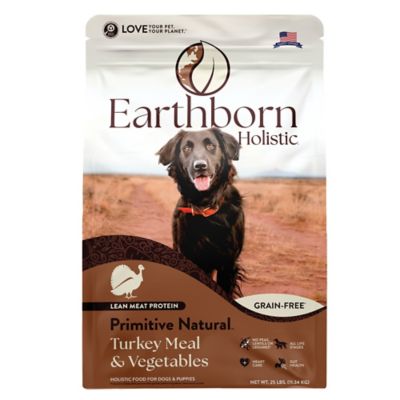
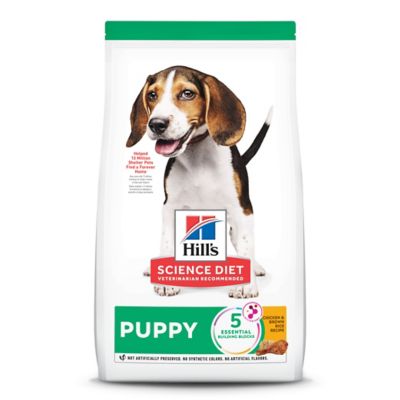
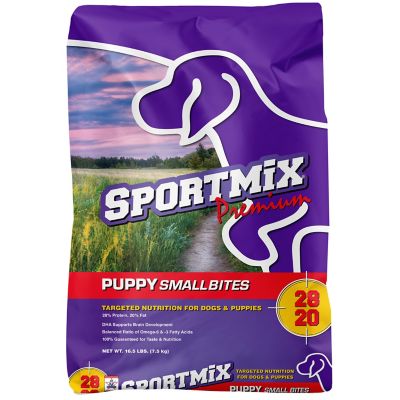
Puppy Food, the nutritional adequacy statement, calorie content, and feeding directions tell more about suitability than an appealing ingredient name alone. Recipes may feature poultry, fish, lamb, or other animal proteins, along with grains or other carbohydrate sources that provide energy. Grain-inclusive and grain-free describe recipe choices, not a simple ranking of nutritional value. Many puppies can digest properly prepared grains, and removing grains does not automatically make a food easier on the stomach or better for a growing dog. Grain-free diets warrant a conversation with a veterinarian, especially in light of ongoing research into diet-associated heart disease. Itchy skin, recurring ear trouble, or loose stool also deserve a closer look rather than repeated food changes based on guesswork. A veterinarian can help determine whether food, parasites, an infection, or something else is involved. For a puppy with a sensitive stomach, consistency may matter as much as the ingredient list. Mixing several foods, treats, and table scraps can make it harder to tell what agrees with that puppy. When wet and dry foods share the same bowl, both contribute calories, so portions need to account for the whole meal. Toppers should not crowd out the balanced food that supplies the foundation for growth. Fresh drinking water belongs alongside every feeding approach, whether meals are crunchy, soft, or a combination of both.
A puppy food that fits the household routine is easier to serve consistently, whether breakfast happens before barn chores or after the first trip outside. Many young puppies do well with several measured meals spread across the day, with the schedule adjusted as they mature. Very small or very young puppies may need more frequent feeding and individual veterinary advice. Package feeding charts offer a starting amount, not a fixed allowance for every dog. Check whether the chart is based on present weight or expected adult weight, then consider the puppy’s age, body condition, and everything else eaten that day. A level measuring cup is more consistent than an overflowing scoop, while a kitchen scale can help when feeding directions include weights in grams. Setting aside part of the daily kibble portion for rewards keeps sit, stay, and recall practice from quietly adding an extra meal. Treats generally should account for no more than 10 percent of daily calories, leaving most nutrition to complete and balanced food. A puppy learning to settle beside the porch steps still needs that balance, even when every good choice seems worth rewarding. Food changes usually go more smoothly when the new food is introduced gradually over about a week, unless a veterinarian recommends a different plan. Storage and bowl care matter, too: keep dry food in its original bag inside a clean, tightly closed container, follow storage directions, and retain the package information in case it is needed later. Refrigerate opened wet food as directed and discard leftovers according to the label. Wash bowls regularly and clean food puzzles after meals. As adulthood approaches, the timing of a switch to adult food depends on expected size and growth, not just a birthday. Smaller dogs generally mature sooner than large and giant breeds. A steady routine, sensible portions, and food suited to the puppy’s life stage help make mealtime a dependable part of growing up.