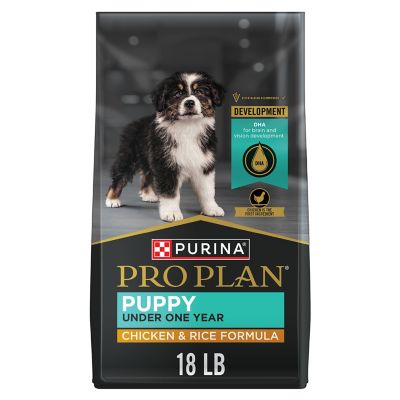
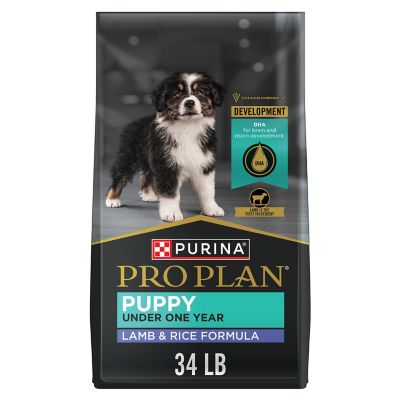
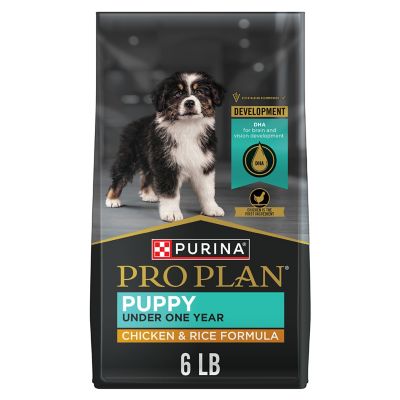
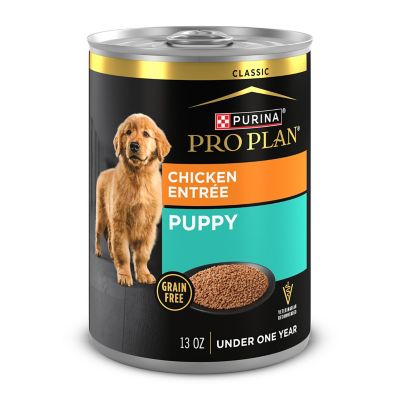
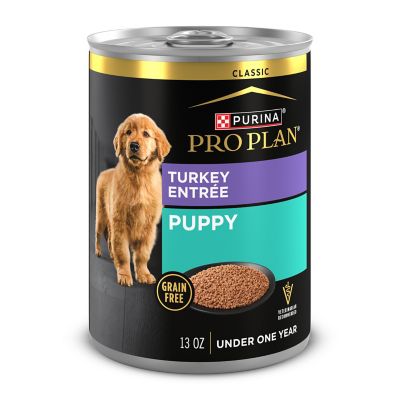
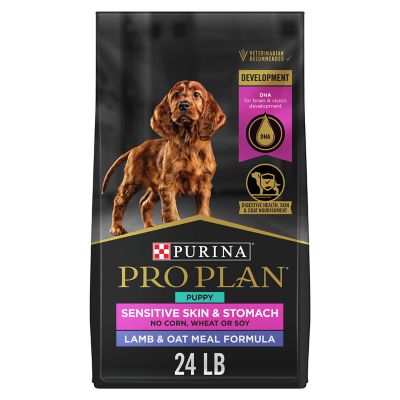
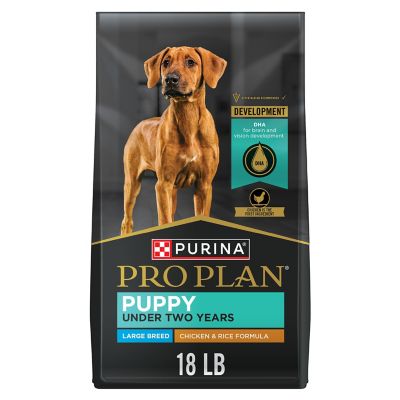
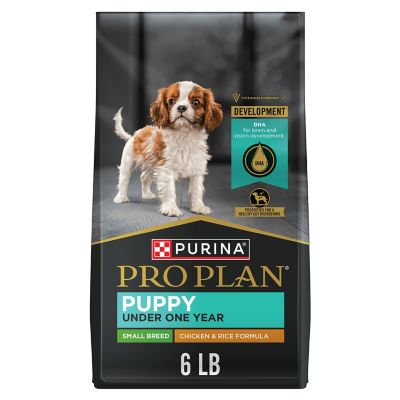
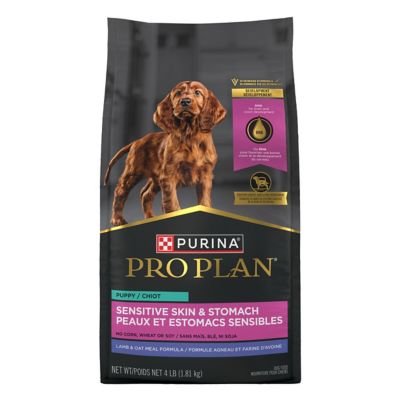
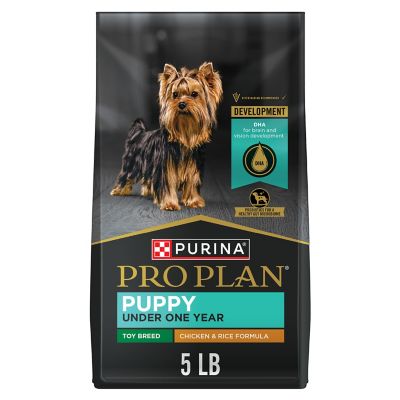
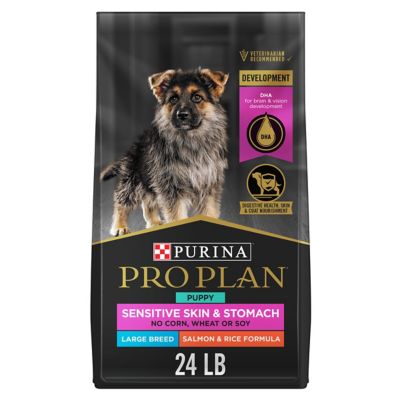
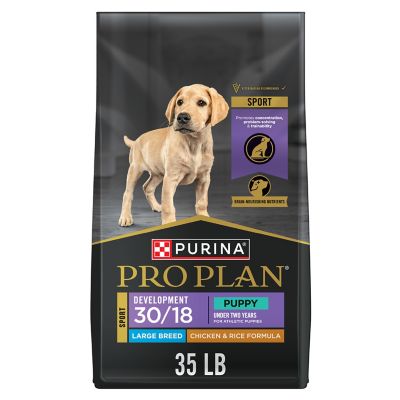
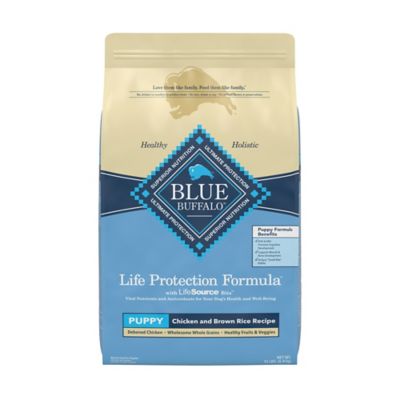
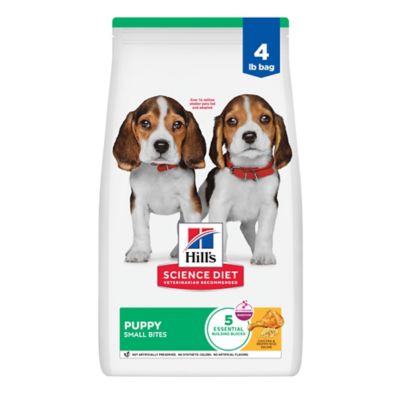
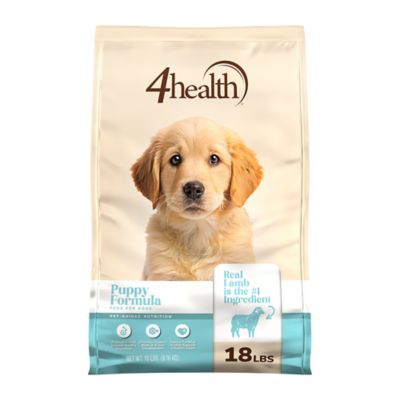
Puppy food is formulated for the busy work of growing, supplying the nutrients young dogs need as their bones, muscles, brains, and immune systems develop. A complete and balanced diet for growth provides protein, fat, vitamins, and minerals in proportions suited to this life stage, rather than simply offering a smaller serving of adult dog food. Protein supplies amino acids for growing tissues, while fat provides concentrated energy and essential fatty acids. DHA, an omega-3 fatty acid often supplied by fish oil, supports brain and vision development. Calcium and phosphorus help support bones and teeth, but their balance matters just as much as their presence. That makes the nutritional adequacy statement on the package an important part of comparing puppy formulas. It identifies whether a food meets established nutritional standards for growth or another life stage. Recipes may feature chicken, lamb, or salmon as the first ingredient, giving shoppers a straightforward starting point when comparing protein sources. Still, the whole formula matters more than any single ingredient on the front of the bag. Grains, fats, fiber sources, and added nutrients each have a role in the finished diet. Some formulas also include live probiotics or prebiotic fiber to support digestive health; those features should be confirmed on the label rather than assumed. For the little pup learning where the back door is or the lanky youngster tagging along across the yard, steady nourishment helps lay the groundwork for everyday life. The best fit depends on age, expected adult size, appetite, and any needs a veterinarian has identified. A puppy with frequent loose stools, itching, or poor weight gain needs more than a change in flavor. Those signs deserve veterinary attention so feeding choices address the actual concern instead of turning mealtime into a string of guesses. A clear picture of growth and health makes the differences between puppy formulas more meaningful when it is time to choose a daily diet.
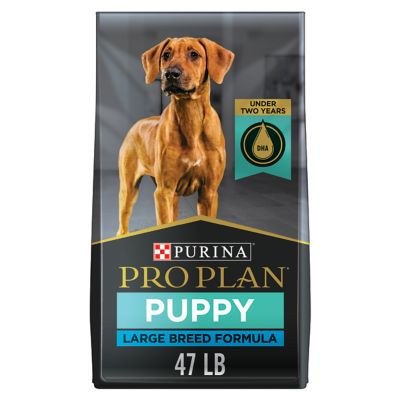
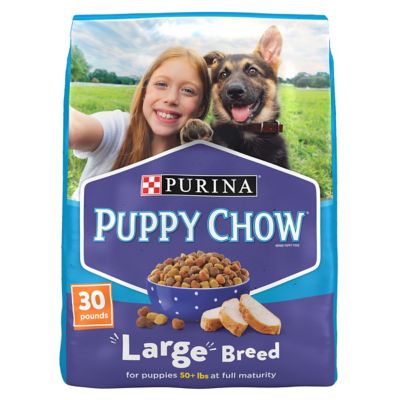
Expected adult size helps narrow the choice because a small-breed puppy and a large-breed puppy do not grow at the same pace or need the same feeding approach. Small-breed formulas often pair smaller kibble with concentrated nutrition, which can suit little mouths and modest meal sizes. Large-breed puppy formulas are designed to support controlled growth, with particular attention to mineral balance and energy intake. Bigger puppies do not benefit from being pushed to grow as fast as possible, and extra calcium should not be added to a complete and balanced diet unless a veterinarian recommends it. For a puppy expected to weigh 70 pounds or more as an adult, the nutritional adequacy statement should indicate suitability for the growth of large-size dogs. Exploring the
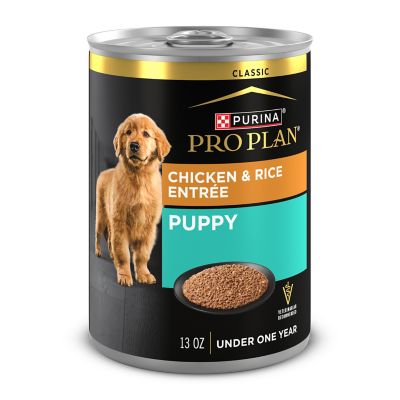
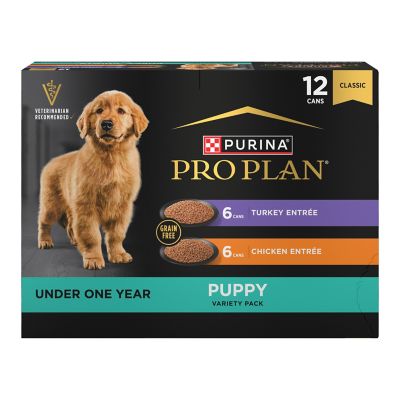
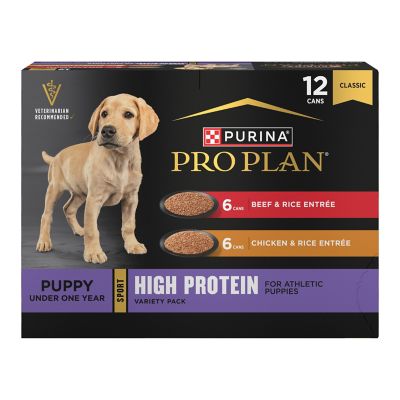
Puppy Food category also means considering how different food formats fit a household’s feeding routine. Dry kibble is easy to measure and portion into meals, while wet food adds moisture and offers a softer texture. Either format can serve as the main diet when its label confirms complete and balanced nutrition for the puppy’s growth needs. When both are fed together, their combined calories count toward the daily amount. Kibble shape and size can affect how comfortably a puppy picks up and chews each bite, although dry food alone is not a substitute for dental care. Aroma and texture may matter to a hesitant eater, especially during the adjustment to a new home. A splash of warm water can soften dry food when appropriate, but moistened portions need prompt attention rather than sitting out between meals. Protein choices also deserve a practical look. A familiar recipe may make settling in easier, while a different protein source may be part of a veterinarian’s plan for a puppy with a suspected food reaction. Labels that sound appealing do not establish whether a recipe will agree with a particular dog. Consistent appetite, comfortable digestion, body condition, and steady growth tell a more useful story over time.
A good feeding fit also has to work at home, whether meals happen beside the kitchen table or in a quiet corner of the mudroom. Package feeding amounts provide a starting point, not a fixed serving for every puppy. Age, body condition, activity, and the calorie content of the food all influence how much belongs in the bowl. Two foods can have different calories per cup, so the same scoop may deliver a different amount of energy after a change. Measured meals make those differences easier to manage, especially in a household where more than one person handles feeding. Young puppies generally need several meals spread through the day, with the schedule adjusted as they mature and according to veterinary advice. Treats and food rewards count, too. Setting aside part of the daily kibble portion for short training sessions lets a puppy practice coming when called or settling beside the door without adding a pile of extra calories. Food changes generally go more smoothly when the new diet is mixed into the familiar one gradually over about seven to ten days, with a slower transition when a veterinarian recommends it. Fresh drinking water belongs within easy reach throughout the day. Storage is another everyday consideration: dry food stays best in its original bag, closed securely and kept in a cool, dry place away from pests and curious noses. If the bag sits inside a storage bin, keeping the packaging preserves the lot number, feeding information, and best-by date. Opened wet food needs refrigeration and handling according to its label, and bowls need regular washing. Puppy feeding is not a race toward a full bowl or a bigger dog. Regular weigh-ins, a lean body condition, and conversations at veterinary visits help show whether the diet and portions remain a good match. The move to adult food depends on physical maturity, which arrives later for many large and giant breeds than for smaller dogs. Until then, growth-stage nutrition supports a puppy through the ordinary, important business of learning the household routine and growing into a companion.