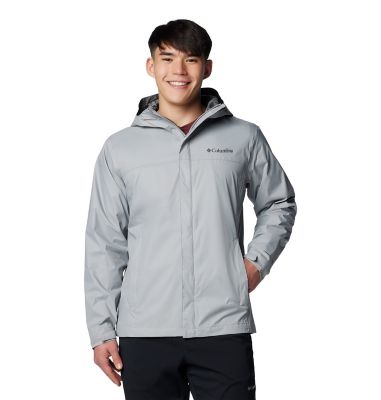
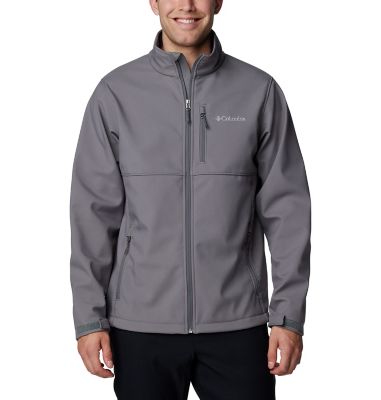
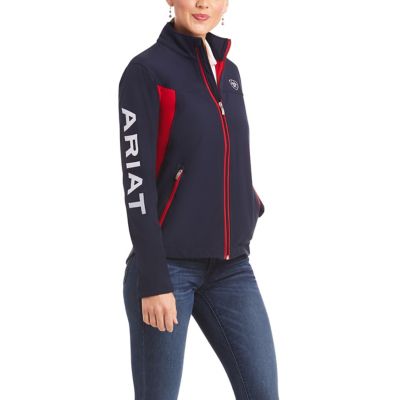
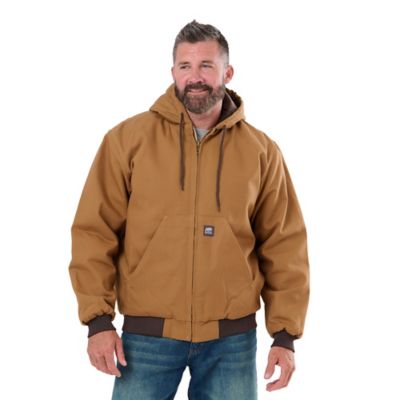
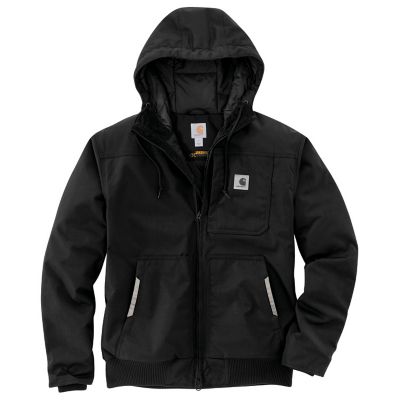
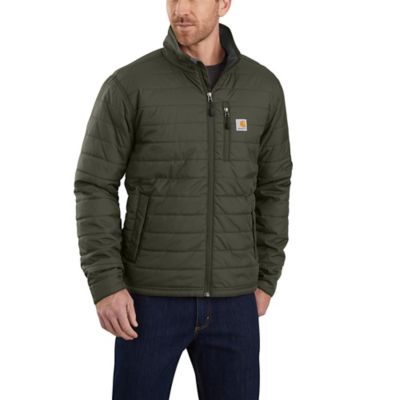
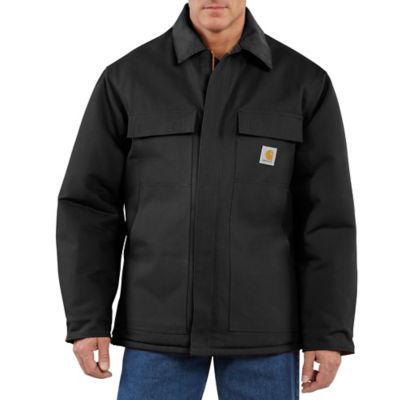
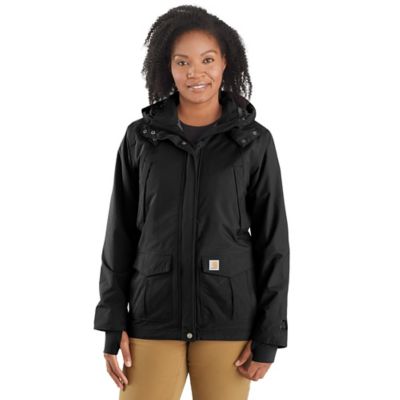
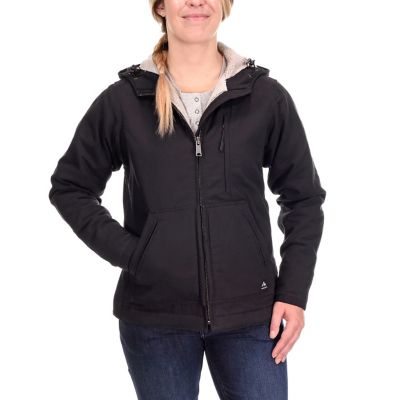
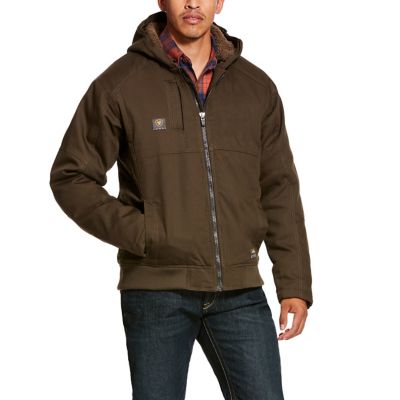
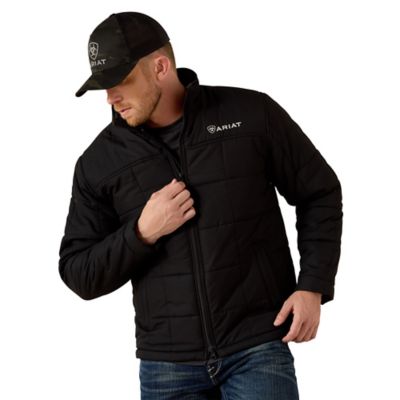
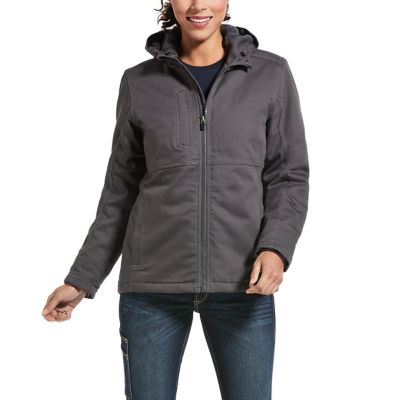
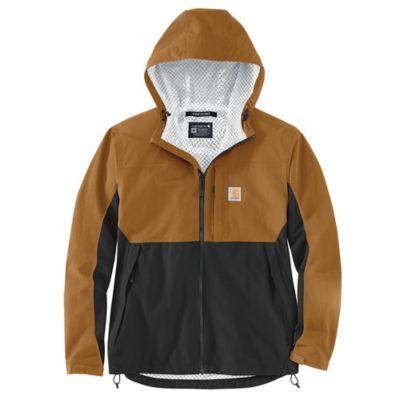
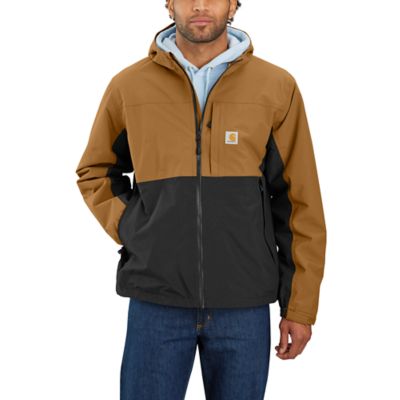
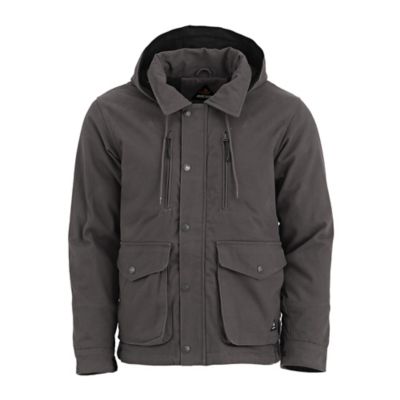
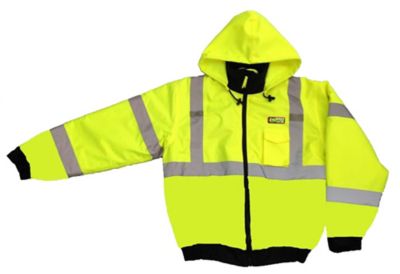
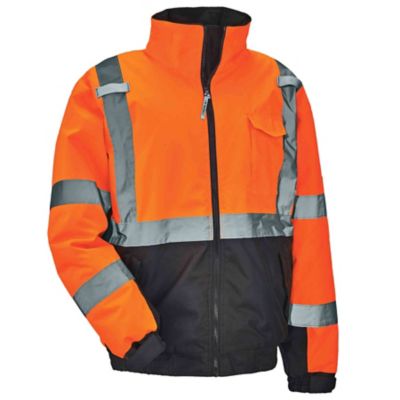
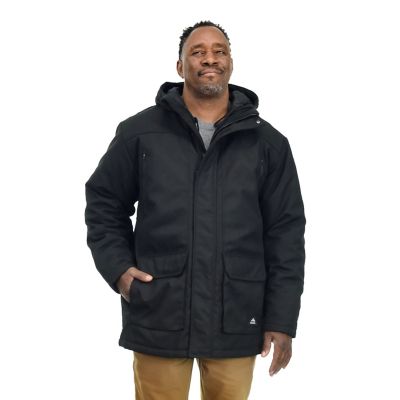
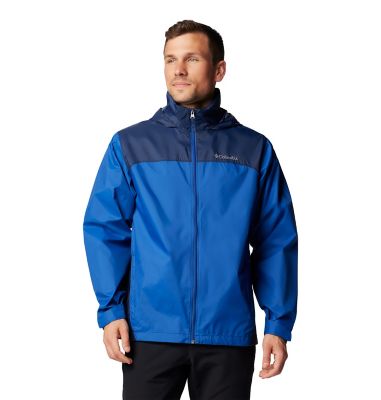
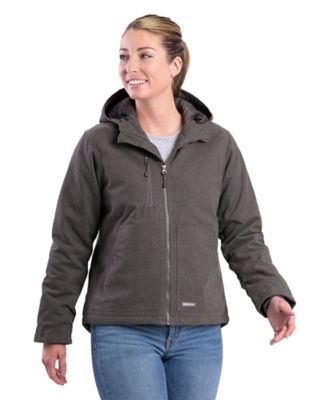
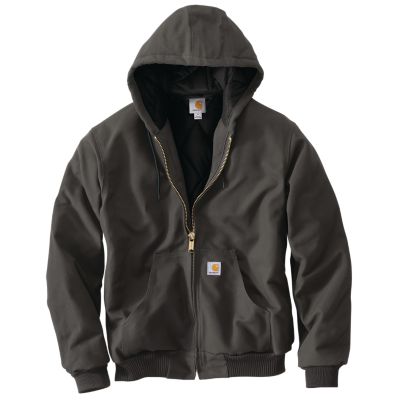
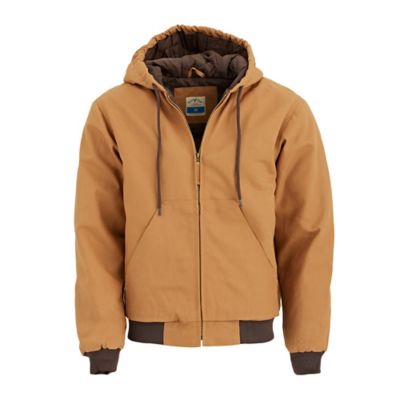
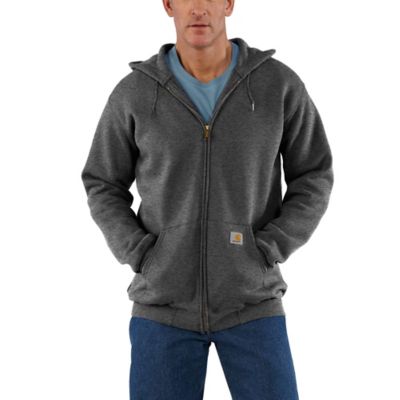
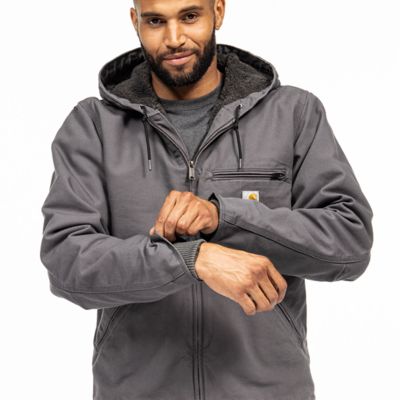
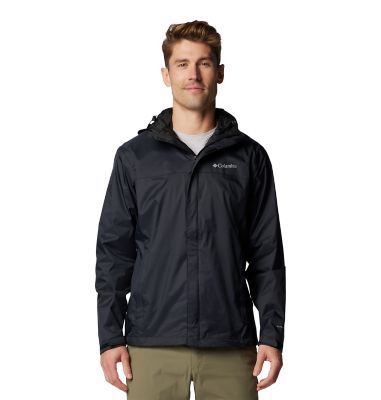
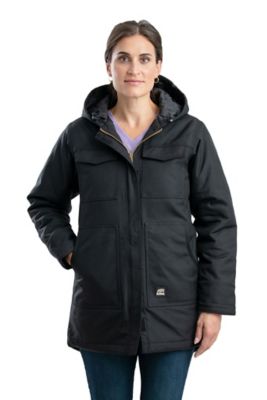
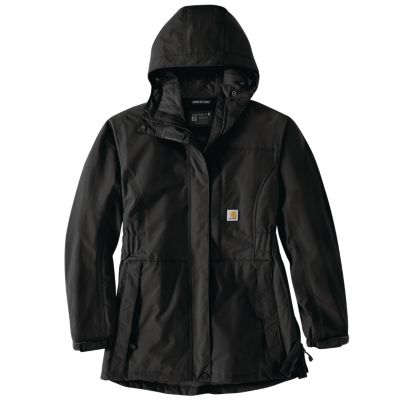
Weather-resistant jackets help block wind and shed light precipitation, with different fabrics and construction details suited to different kinds of outdoor work. Weather resistance is not the same as waterproof protection: a water-resistant jacket may handle a passing shower or snow flurries, while steady rain calls for closer attention to waterproof fabric, sealed seams and protected openings. That distinction matters when a quick trip to the mailbox turns into fixing a gate, or when feeding livestock means staying outside longer than planned. A water-repellent finish encourages droplets to bead on the surface, but it does not, by itself, make a jacket waterproof. Wind resistance is another consideration, especially in open pastures, along fence lines and on exposed trails. Tightly woven fabrics and wind-blocking membranes can help reduce the chill that cuts through ordinary layers. Nylon and polyester shells often offer lighter weight and shorter drying times than heavier cotton fabrics, though fabric weight, weave and construction all affect performance. Treated canvas brings a sturdy feel for chores around rough boards and brush, while stretch softshell fabrics allow easier movement when reaching, bending or climbing into a truck. An uninsulated shell focuses on weather protection and leaves room to adjust warmth underneath. Fleece-backed styles add a softer layer of warmth, and insulated jackets help hold body heat during slower tasks or longer stretches outdoors. Breathability matters, too. Carrying feed, stacking firewood and walking uneven ground generate heat, so a jacket needs to suit both the weather and the effort involved. Breathable materials and ventilation openings can help release heat and moisture, although no fabric can eliminate perspiration during hard work. For someone moving between a warm barn and a windy yard, balancing protection with ventilation may matter more than choosing the heaviest jacket. The most suitable combination depends on how long the jacket will be outside, how wet conditions may get and how much moving around the day requires.
Fit makes a noticeable difference in how a weather-resistant jacket feels through a full day. Enough room for a flannel shirt, sweatshirt or insulating midlayer helps keep the jacket useful across a wider range of conditions, but excess fabric can bunch at the waist or catch on equipment. Shoulder room and sleeve shape matter when lifting a saddle, reaching for a latch or carrying an armload of wood. Articulated elbows, stretch panels and gusseted construction can make those movements feel less restricted without requiring an oversized fit. Sleeves should still cover the wrists when arms extend, and cuffs that adjust over or beneath gloves help close gaps against wind and drifting moisture. A longer back hem offers coverage while bending, while a shorter cut may feel easier when sitting in a vehicle or spending time in the saddle. Neither shape suits every job, so the way a jacket moves is as important as how it looks standing still. A hood with a secure adjustment can stay in place when the wind picks up; a well-shaped brim helps direct drips away from the face without blocking the view. Collar height, chin coverage and zipper backing also affect comfort when a jacket stays fastened for hours. Pockets deserve the same practical attention. Covered openings help shield small belongings, interior pockets keep essentials close, and a zipper pull that is easy to grip makes a difference with cold fingers or work gloves. Shoppers comparing
women's water-resistant jackets can consider shoulder width, sleeve length and room through the hips alongside the labeled size. Measurements and the intended layering setup tell more than a size letter alone. A jacket for brisk walks with the dog may call for a different fit than one worn over several layers for early chores, even when both need protection from the same wind and drizzle.
Construction and care help determine how well a weather-resistant jacket holds up to repeated wear. Reinforced elbows, firmly attached pocket openings and neat stitching are worth considering for jackets that spend time against fence posts, truck seats and rough work surfaces. Heavier fabric is not automatically the best answer; a lighter shell may be more comfortable for an active day, while a substantial outer fabric may make more sense around brush and barn chores. Abrasion resistance, freedom of movement and protection from moisture each serve a different purpose. Even a tough outer fabric can suffer around sharp wire, hot surfaces or moving machinery, and ordinary weather protection does not replace task-specific protective clothing. Care also varies by material. The garment label should set the washing method, detergent choice and drying temperature, particularly for jackets with membranes, seam tape, insulation or water-repellent finishes. Fabric softeners, bleach and high heat can interfere with some performance fabrics or finishes, so routine laundry habits may need adjusting. Dirt and body oils can affect breathability, while mud left around cuffs and zippers adds wear where the jacket already gets plenty of handling. A water-repellent surface may need a compatible treatment over time, following the jacket maker’s directions. Beading on the outside is only one part of moisture protection, and a refreshed finish will not repair a torn membrane or separated seam tape. Letting a jacket dry fully before hanging it in a mudroom or closet helps avoid leaving damp fabric folded against itself. For ranch hands, gardeners, outdoor workers and folks who simply spend plenty of time beyond the porch, these everyday details make a jacket easier to live with. Weather-resistant outerwear can also be a practical gift when the recipient’s measurements, usual activities and preferred layers are known. The right match feels comfortable on the first reach for a gate latch and stays suited to the work, walking and weather ahead.