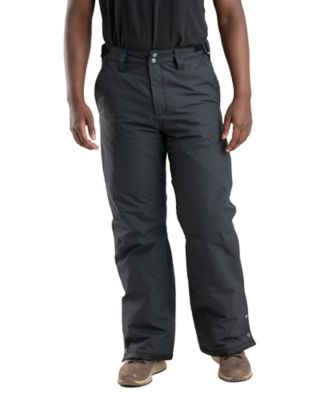
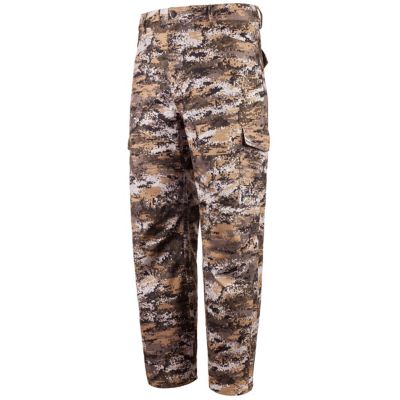
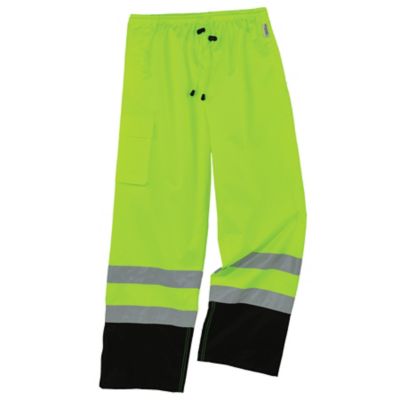
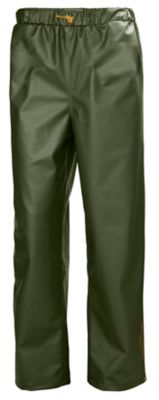
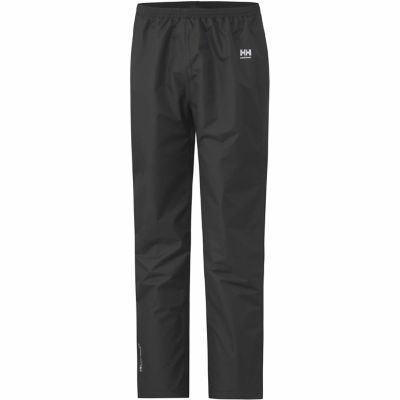
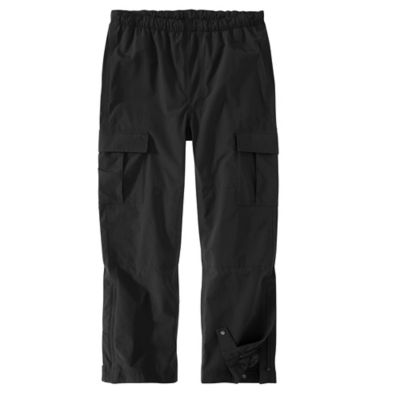
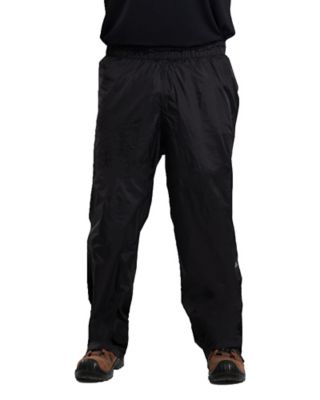
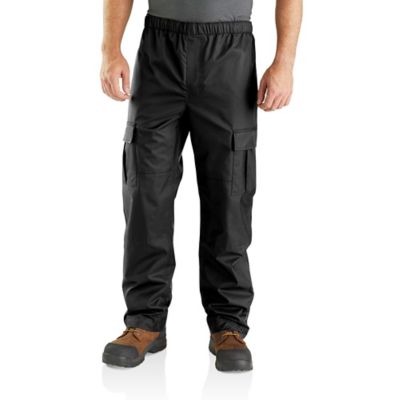
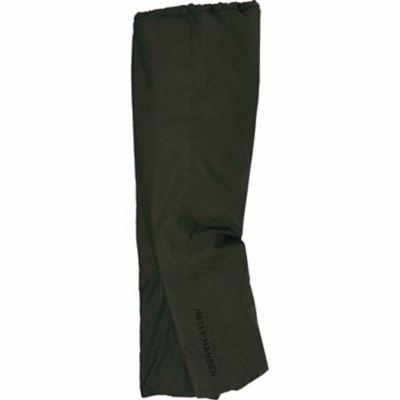
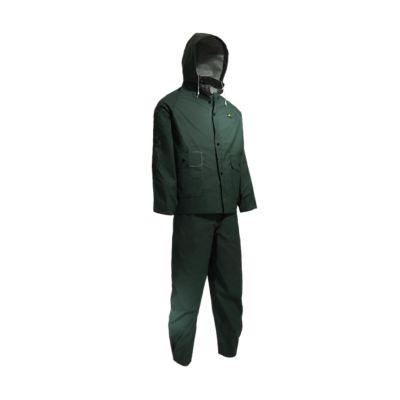
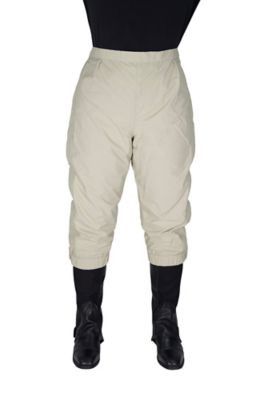
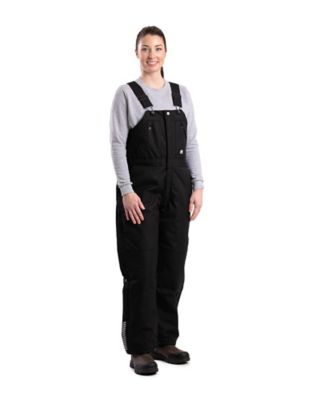
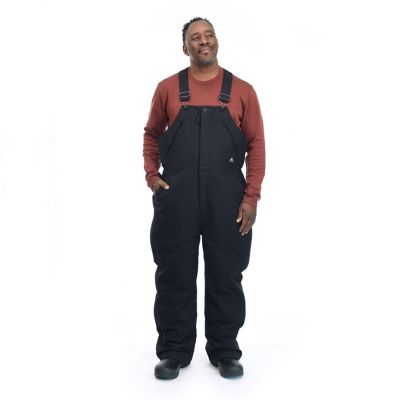
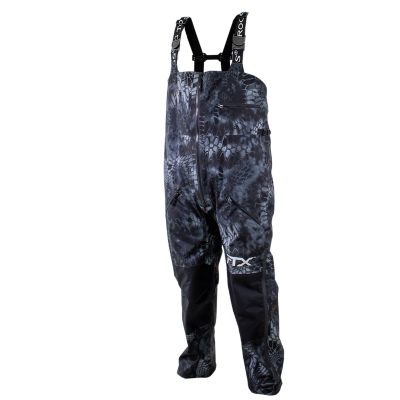
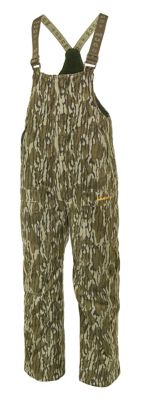
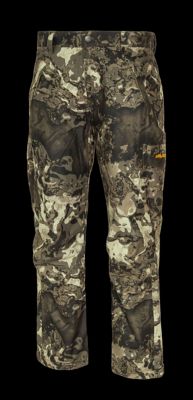
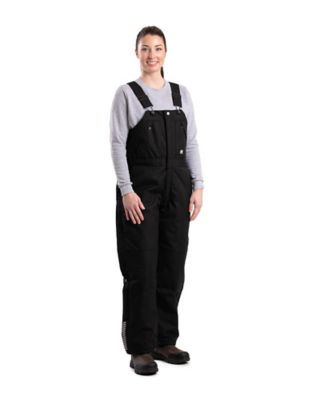
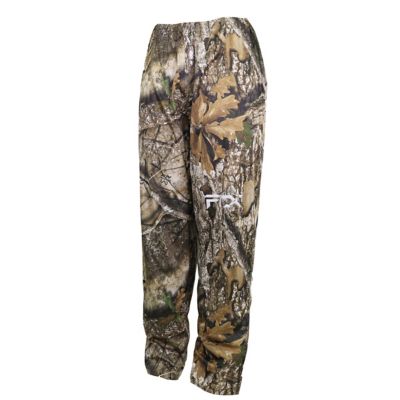
Waterproof work pants help keep rain, wet grass, and splashes from soaking through while there’s still work to finish. They make sense for farm chores, fence repairs, landscaping, construction, and other jobs that don’t stop just because the ground is muddy. Walking a pasture after a downpour puts different demands on clothing than standing beside a loading dock in steady rain, so construction matters as much as the waterproof label. Waterproof pants typically rely on a coated fabric or a waterproof membrane to block water, along with sealed seams that help close off needle holes from stitching. Polyester and nylon are common shell materials, while polyurethane coatings can provide a barrier against rain and splashes. Ripstop fabric has a reinforcing grid that helps limit the spread of small tears, although it isn’t tearproof. Heavier shells may stand up better to rubbing against rough surfaces, while lighter fabrics can feel less cumbersome when walking between buildings or climbing in and out of a truck. Waterproof and water-resistant work pants aren’t the same thing. A water-repellent finish encourages droplets to bead on the surface, but that finish alone doesn’t establish that a garment is waterproof. Water-resistant stretch pants may handle brief showers or damp brush, yet prolonged rain can call for a waterproof barrier and sealed construction. Breathability is another separate consideration: some waterproof fabrics allow moisture vapor to escape, while others can feel clammy during hard physical work. A waterproof rating describes resistance to water pressure under testing, not a guaranteed number of dry hours on the job. Seam treatment, closures, wear, and the way the garment fits all affect real-world performance. For someone checking livestock, hauling supplies, or repairing a gate in driving rain, the most useful combination is protection suited to the exposure, enough freedom to move, and fabric that can handle the day’s contact with tools, equipment, and rough ground.
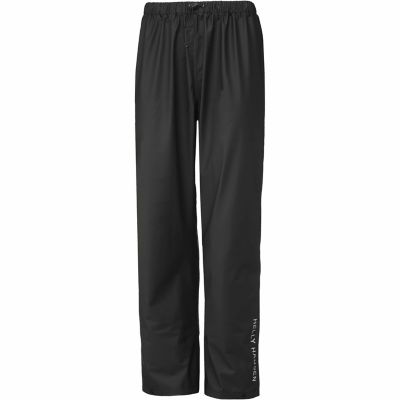
Fit determines whether waterproof work pants feel helpful or get in the way. Some styles serve as the main pair of work pants, while rain overpants are cut to go over jeans or another work layer. Overpants need room through the seat, thighs, and knees without so much loose fabric that it bunches around the boots. For anyone comparing
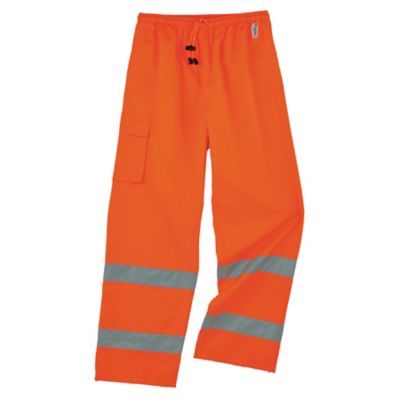
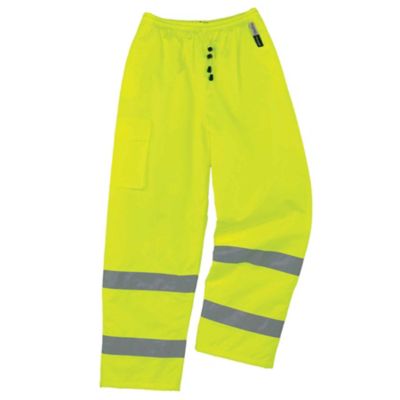
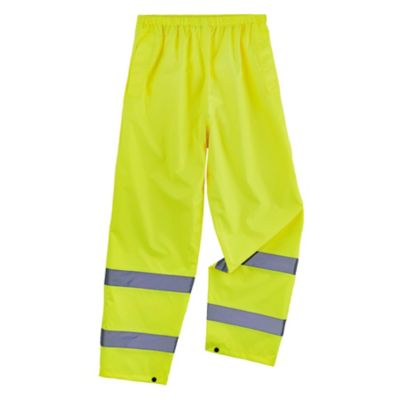
Men's Waterproof Pants, waist size and inseam are only part of that picture; the intended layers underneath matter, too. A comfortable standing fit can change quickly when crouching to fix a trough float, stepping onto a tractor, or kneeling beside a fence post. Articulated knees, a gusseted crotch, and flexible fabric can make those movements easier when they’re part of the garment’s design. Reinforced knees and seat panels can help in areas that take repeated rubbing, though reinforcement alone doesn’t indicate waterproof protection. Elastic waistbands, adjustable tabs, and drawcords offer different ways to manage fit, while suspender attachments can help support overpants without cinching the waist tightly. Leg openings deserve attention when muddy boots stay on throughout the day. Long ankle zippers can make pulling pants over boots simpler, and storm flaps help shield the zipper area from rain. Adjustable cuffs can reduce excess fabric at the ankle, but hems still need to clear the ground and stay away from moving equipment. Pocket layouts also affect everyday convenience. Pass-through openings provide access to pants underneath, while cargo pockets offer separate storage for small essentials. Either arrangement needs thoughtful closure placement because an uncovered opening can give water a route inside. A pocket isn’t necessarily waterproof just because the surrounding fabric is. High-visibility colors and reflective details may be helpful around vehicles or low-light work areas, but required safety classifications depend on the jobsite. Color alone doesn’t establish compliance with a workplace visibility standard.
The way waterproof work pants fit into a full work outfit matters just as much as their individual features. A rain jacket that overlaps the waistband helps keep runoff from reaching the layers underneath, especially while bending or reaching. Pant legs worn over waterproof boot shafts can help shed rain outside the footwear rather than funnel it into the tops, provided that arrangement suits the task and workplace requirements. Waterproof pants don’t turn ordinary boots into waterproof footwear, and rain protection shouldn’t be mistaken for protection during wading or immersion. Insulation is a separate feature as well. An uninsulated shell can block rain without providing much warmth on its own, leaving room for layers when the job calls for them. During strenuous chores, breathable construction and appropriate layering can help manage perspiration, although no rain garment eliminates moisture buildup in every condition. Long-term performance also depends on care. Mud, grit, and repeated rubbing can wear on fabric, while harsh washing methods can affect coatings, membranes, and seam tape. The garment’s care label sets the washing and drying limits; fabric softener, bleach, high heat, or certain detergents may be unsuitable. Giving wet pants a chance to dry before storage helps prevent lingering dampness, and keeping them away from sharp tools reduces avoidable damage. Periodic checks around the knees, seat, seams, and cuffs can reveal worn spots before the next long stretch outdoors. Some fabrics benefit from renewing their water-repellent surface treatment according to the maker’s directions, but that treatment won’t repair a torn membrane or peeling seam tape. Waterproof work pants can also be a practical gift for someone who spends plenty of time tending animals, maintaining property, or working outside. Knowing their measurements, usual layers, and daily tasks makes the choice more personal than guessing by size alone. The goal is straightforward: rain protection that works with the wearer’s routine, from the first walk across a wet barnyard to putting equipment away at the end of the day.