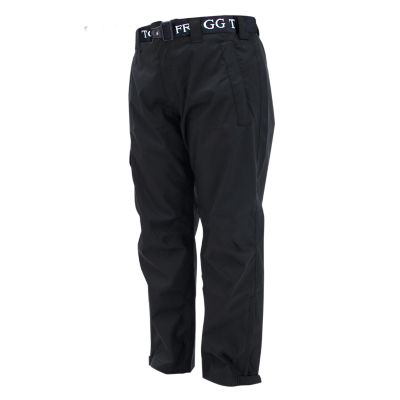
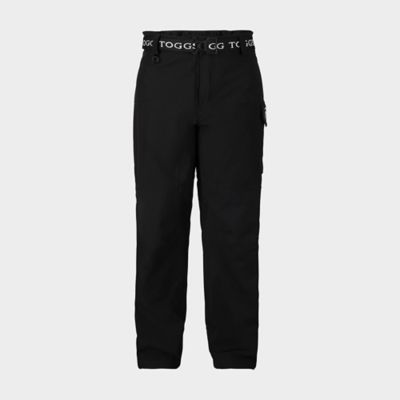
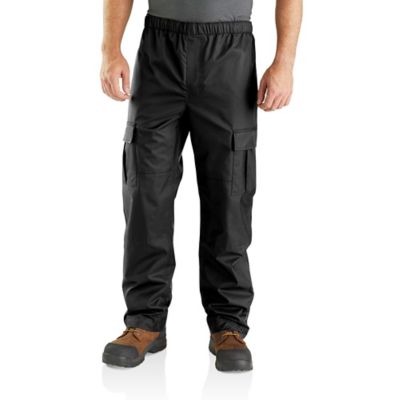
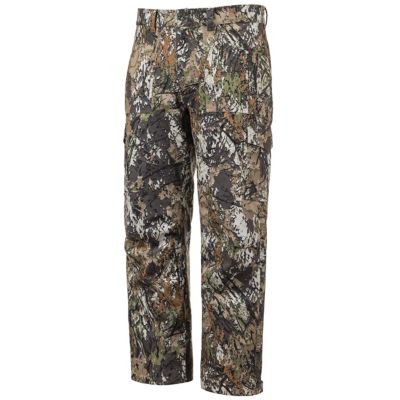
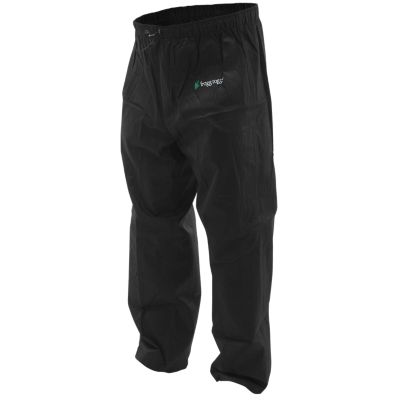
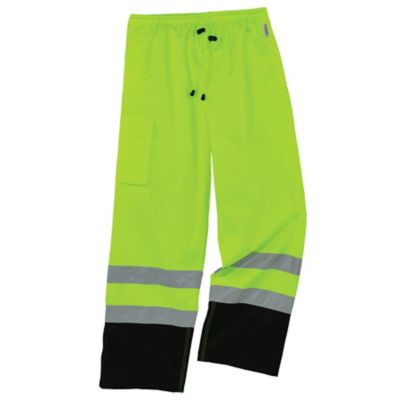
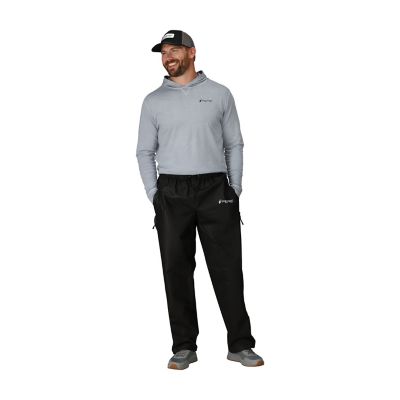
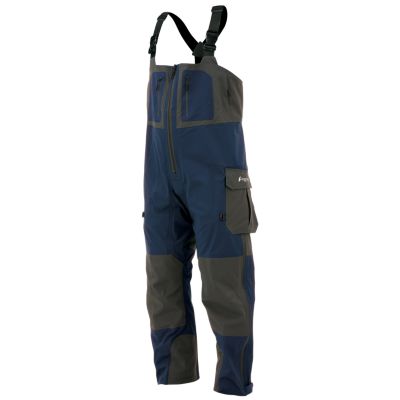
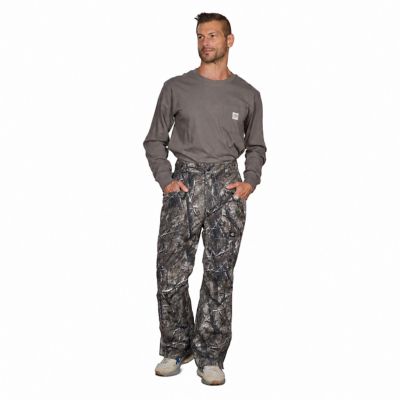
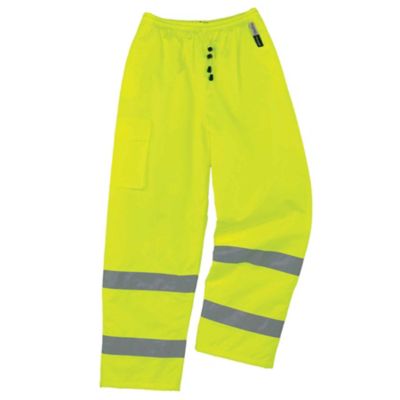
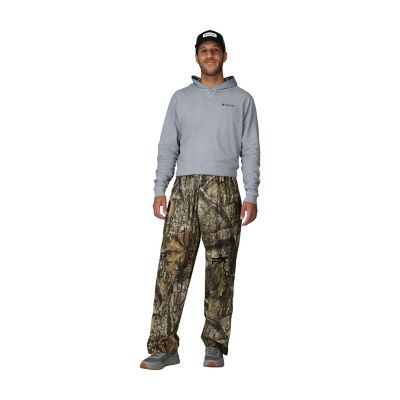
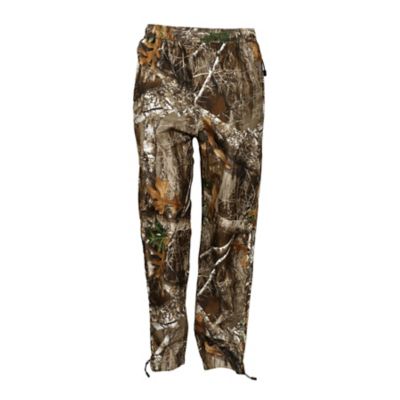
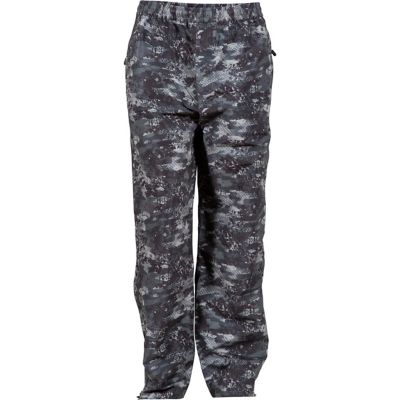
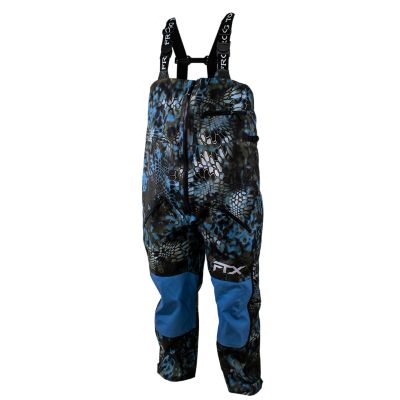
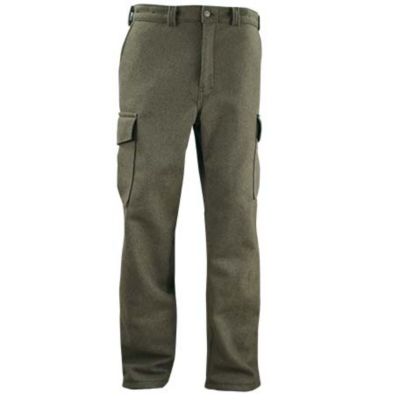
Men's waterproof cargo pants combine leg-pocket storage with protection against rain and splashes, making them a practical choice for farm chores, outdoor work, trail time and other days spent away from shelter. Styles range from lightweight rain shells worn over regular pants to lined or insulated designs meant for colder, wetter conditions. Their weather protection comes from the fabric and construction working together, not simply from a slick outer surface. Nylon and polyester are common shell materials because they shed less weight into a pack than heavier fabrics and generally dry faster than cotton. A coating or waterproof membrane helps block water from passing through, while sealed seams close off the tiny openings left by stitching. Stretch panels, reinforced sections and different lining materials can change how a pair feels when bending over a feed bin or climbing into a truck. Waterproof and water-resistant pants offer different levels of protection: waterproof construction is intended to prevent water penetration within its stated limits, while water-resistant fabric generally handles light moisture for a shorter period before water can soak through. A water-repellent surface finish helps droplets bead up, but that finish alone does not make pants waterproof. Breathability matters, too, especially when carrying fence posts, walking uphill or working at a steady pace. Breathable waterproof fabrics allow some moisture vapor to escape, though sweat can still build up when exertion outpaces ventilation. Mesh linings or protected vent openings may help with comfort, depending on the design. Protection also depends on details around the fly, pockets and lower legs; an uncovered zipper or open pocket can let water reach clothing underneath. For lighter exposure, such as brief showers or damp grass,
Men's Water Resistant Pants provide a related option worth considering. The difference is especially noticeable when a quick walk across the pasture turns into several hours of checking fence in steady rain.
Fit makes a big difference in how waterproof cargo pants perform through a full day of moving, reaching and kneeling. A relaxed cut leaves space through the seat and thighs, while a more streamlined shape can reduce loose fabric around brush and equipment. Neither should pull tight across the knees when stepping onto a trailer or crouching beside a gate latch. Articulated knees and a gusseted crotch can give the fabric room to move without requiring an oversized waist. For shell pants worn over jeans or work trousers, sizing needs to account for the clothing underneath; everyday pants with their own lining generally call for a different fit. Waist measurements, inseam length and the intended layering setup all matter more than a size label alone. A waistband should stay put without digging in beneath a belt, and cuffs should reach over boot tops without dragging under the heel. Adjustable hems and ankle zippers can make that lower-leg fit easier to manage, although opening width determines whether pants can slide over work boots. Cargo pockets add carrying space for gloves, a folded task list or small supplies, but their placement affects comfort. A loaded pocket that sits directly over the knee can interfere with bending, while one that hangs too low may swing against the leg with every step. Flaps and closures help keep contents in place, but a covered pocket is not necessarily a watertight pocket. Phones and paper records still benefit from their own waterproof protection when heavy rain is part of the job. Reinforced knees, seat panels and sturdy pocket attachments can help high-wear areas stand up to repeated contact with rough ground and tools. Heavier fabric may suit demanding chores, while lighter construction can feel less restrictive on a long walk. Waterproof cargo pants are not automatically cut-resistant or protective around machinery, so task-specific safety requirements remain separate from rain protection.
Care has a direct effect on how waterproof cargo pants handle moisture over time. Mud, oil and detergent residue can interfere with the outer finish, and a shell that starts soaking up water at the surface may feel clammy even when its waterproof layer is still intact. The garment's care label should set the washing method, water temperature and drying process because coatings, membranes, insulation and stretch fabrics do not all respond the same way. Emptying cargo pockets, fastening closures and brushing off loose dirt before washing helps prevent grit and forgotten hardware from tumbling against the fabric. Mild detergent or a cleaner intended for waterproof clothing may be appropriate when the label allows it. Fabric softener and bleach can interfere with certain finishes or materials, so they should stay out of the wash unless the manufacturer specifically permits them. Some garments allow low heat to refresh the water-repellent finish, while others require air drying. An approved treatment may help restore surface beading, but it cannot repair a damaged membrane or replace missing seam tape. Small tears, worn cuffs and lifting seam tape deserve attention before the next long stretch outdoors; any repair material needs to suit the garment's construction. Pants should dry fully before being folded away, with damp linings and pocket corners given extra time. For regular wear, the most practical pair matches the work rather than simply having the most pockets or the heaviest shell. Someone walking property lines may appreciate lower weight and room for a steady stride, while someone kneeling beside livestock waterers may place more value on reinforced knees and secure cuffs. For a gift, waist size, inseam, preferred fit and whether the wearer layers over work clothes are helpful details to know. Those everyday habits make the difference between pants that feel awkward halfway through chores and a pair that earns a place beside the boots by the door.