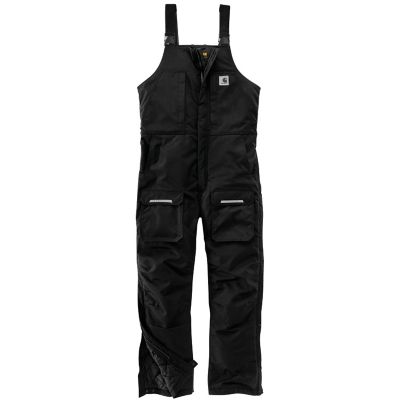
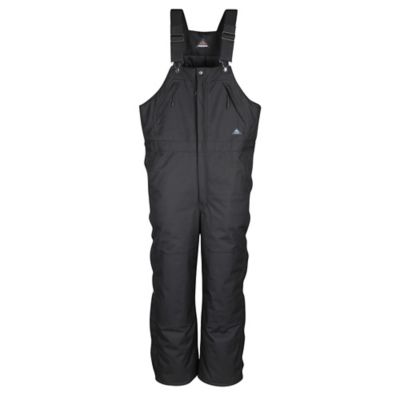
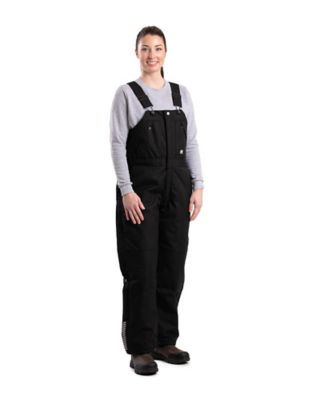
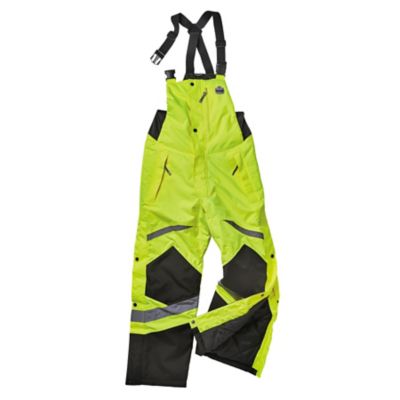
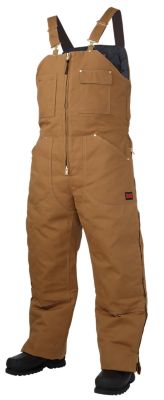
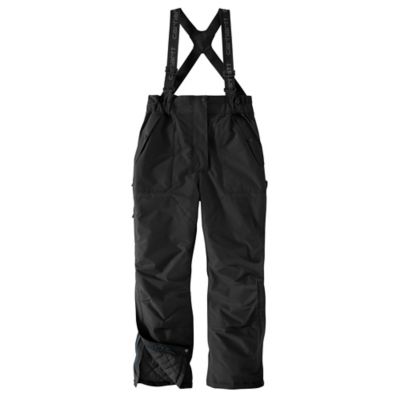
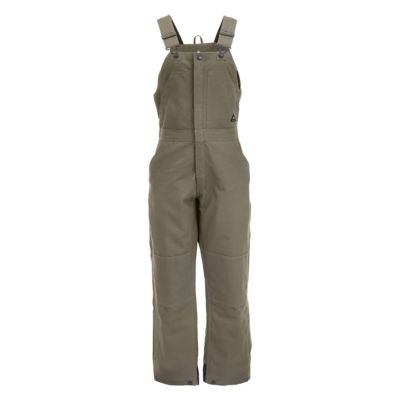
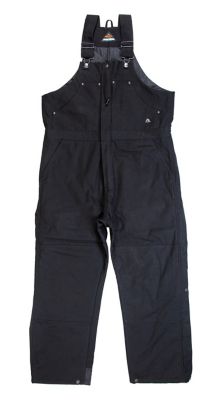
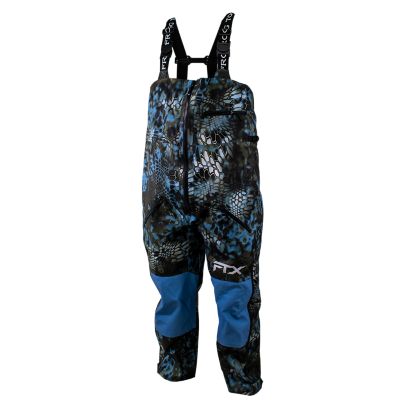
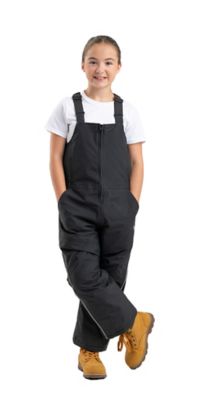
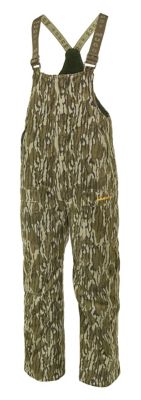
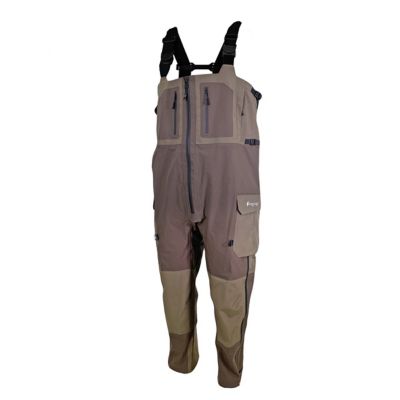
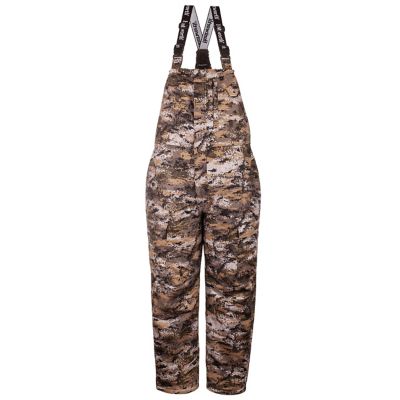
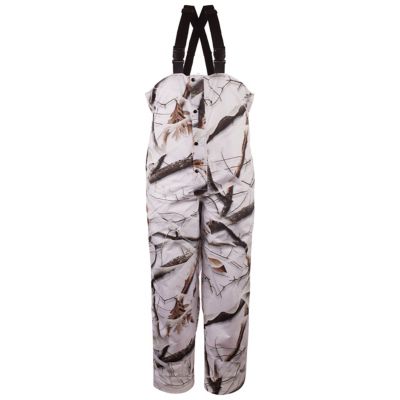
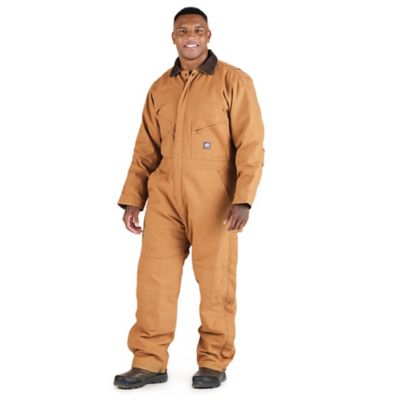
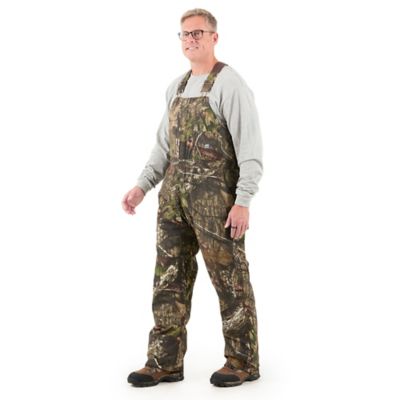
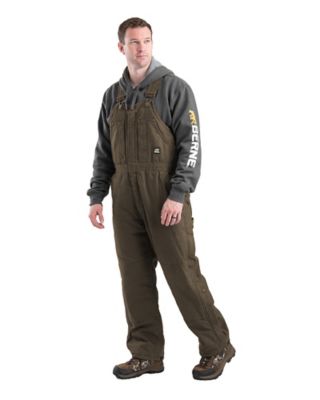
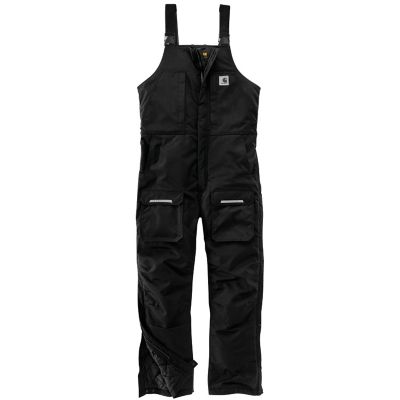
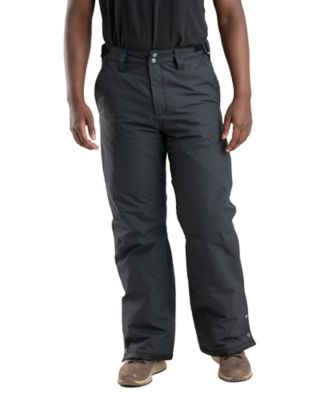
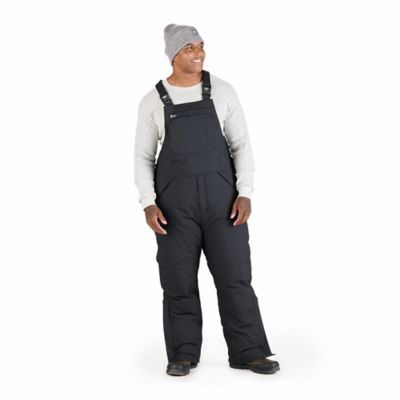
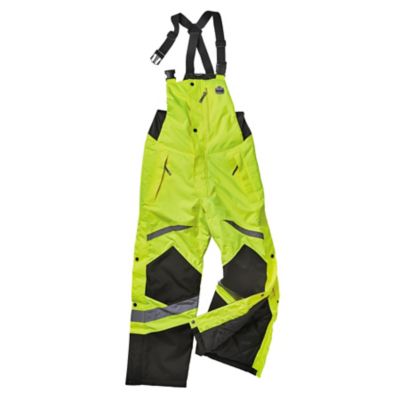
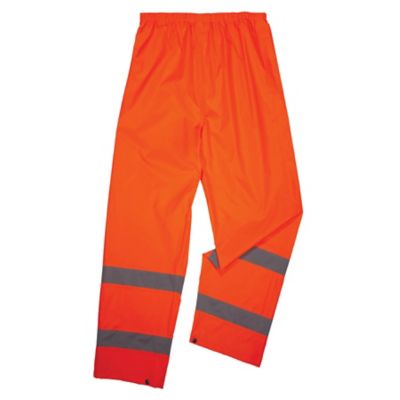
Rain doesn’t put feeding time, fence repairs or a muddy jobsite on hold. Waterproof rain bibs for outdoor work add coverage where rain pants leave off, extending over the chest and back to help keep wet grass, splashing water and steady rain away from work clothes. That higher cut comes in handy when leaning against a damp gate, hauling feed through a downpour or kneeling beside a water trough. Paired with a rain jacket that overlaps the waist, bibs help close the gap that can open when bending and reaching. The right construction depends on what the day has in store. Coated polyester and nylon fabrics can balance flexibility with protection, while PVC-coated materials often have a heavier feel suited to repeated contact with water and mud. Some waterproof fabrics include a breathable membrane to help moisture vapor escape; others focus on blocking outside water and may feel warmer during hard work. Fabric weight alone doesn’t tell the whole story. Seam construction matters because stitching creates openings where water can enter, so taped or welded seams are worth a close look. Closures, pocket openings and side adjustments also affect how well a pair handles wind-driven rain. Reinforced knees and seat panels can help in areas that rub against gravel, tractor steps and rough lumber, though rainwear still needs protection from sharp wire and snagging branches. For livestock chores, landscaping, construction and property maintenance, the goal is coverage that suits the work without making every step feel stiff. A pair meant mainly for walking wet fields may have different features than one intended for frequent kneeling, washdown tasks or hours spent climbing in and out of equipment. Details such as protected pocket openings, smooth interior surfaces and hardware that works with gloves can make a noticeable difference over a long, wet day. Those everyday details often matter more than a heavy appearance, especially when chores call for both movement and coverage.
Fit has a lot to do with how waterproof rain bibs feel after the first hour. They need room for bending, squatting and stepping over low obstacles, along with enough space for the clothing underneath. Too little room can pull at the crotch and knees or leave suspenders digging into shoulders; too much loose fabric can catch on gates and equipment. Adjustable suspenders help position the bib at a comfortable height, while side closures can make getting dressed easier over a sweatshirt or work shirt. Stretch panels, shaped knees and a roomy seat may help with movement, depending on the design. Inseam length deserves attention, too. Legs should cover the tops of work boots without dragging through mud or bunching underfoot. For rain falling from above, wearing the outer leg over the boot shaft helps direct runoff away from the opening. Wide leg openings or ankle zippers can simplify pulling bibs on over bulky footwear, and adjustable cuffs help manage extra fabric around the ankle. Pocket placement matters when a rain jacket, tool belt or safety harness is part of the outfit. A chest pocket may keep small essentials within reach, but a closure alone doesn’t make a pocket watertight, so phones and paperwork may need separate protection. Uninsulated rain bibs offer flexibility for active chores and layering, while insulated options add warmth for slower work in cold, wet conditions. For tasks that call for both insulation and rain coverage,
Men's Insulated Waterproof Bibs offer another option to consider alongside the layers already worn on the job. Insulation adds volume, so sizing should account for work clothes without restricting movement. Whether the work involves tending animals before daylight or spending an afternoon checking fence lines, a comfortable fit should allow a full stride, an easy reach and a deep bend without constant readjustment. Size charts and garment measurements are especially helpful when choosing bibs as a gift for someone whose chores keep them outside.
Care and construction both influence how rain bibs hold up through repeated workdays. Mud, grit and dried manure can collect around cuffs, knees and closures, so bibs that are straightforward to clean make sense for farm and ranch chores. Cleaning directions vary by fabric and waterproof treatment. Some garments allow machine washing on a specified cycle, while others call for wiping or rinsing; the care label should settle that choice. Bleach, fabric softeners, harsh cleaners and excess heat can damage certain coatings or membranes, so routine laundry habits may not suit rainwear. Letting bibs dry fully before storage helps prevent lingering odors and mildew, and hanging them away from direct heat keeps coated fabric from sitting against a hot surface. Suspenders, buckles, seams and high-wear panels deserve an occasional check, especially after crawling over rough ground or brushing past fencing. Small punctures can be easy to miss until water starts reaching the clothing underneath, and any patch or seam treatment needs to suit the garment material. Waterproof coverage also has its limits: an open cuff, an unfastened side or a jacket hem sitting above the bib can give water a route inside. Rain bibs are not a substitute for chemical-protective clothing, flotation equipment or other task-specific gear, and reflective trim should not be mistaken for a required visibility rating. Around machinery, keeping straps secured and excess fabric clear of moving parts remains essential. For everyday outdoor work, practical details bring the whole outfit together: boots with traction for muddy footing, a jacket with enough overlap and bibs that move comfortably through the job. From carrying a feed bucket across a rain-soaked yard to cleaning up after a long day on the property, well-chosen waterproof bibs help keep attention on the work instead of wet knees, soaked pant legs and repeated trips back inside to change.