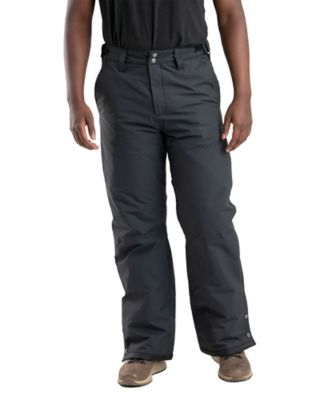
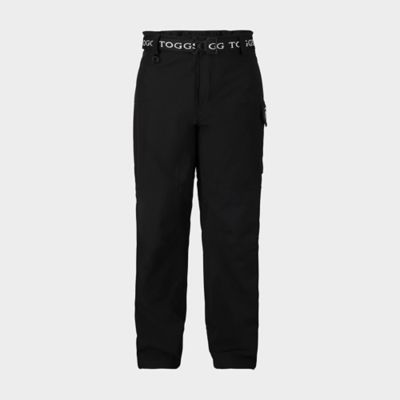
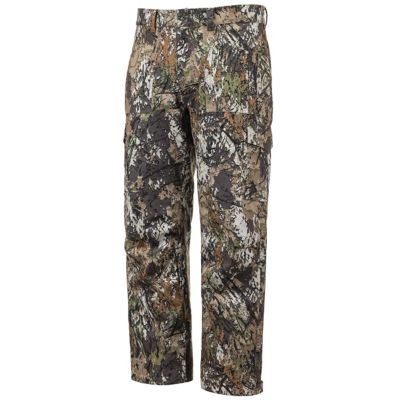
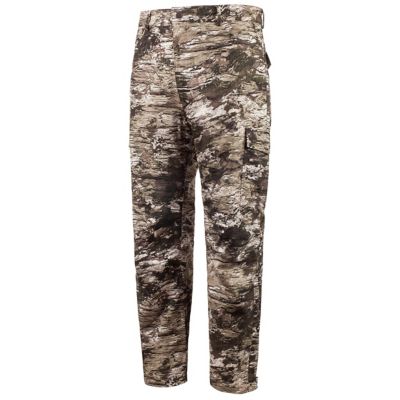
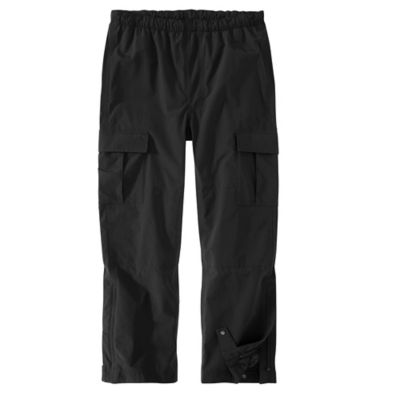
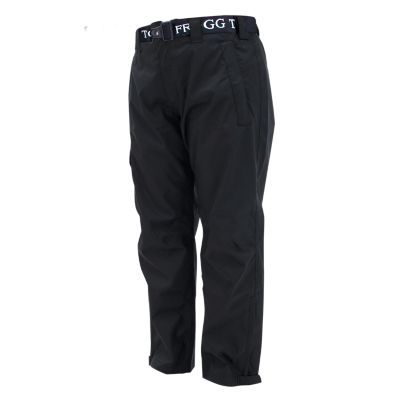
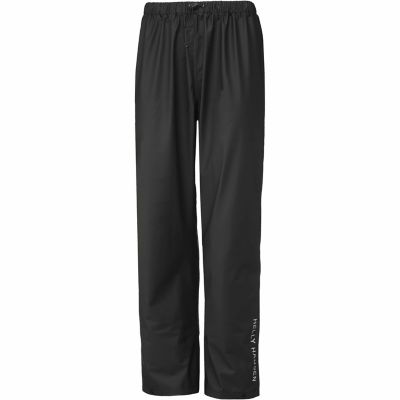
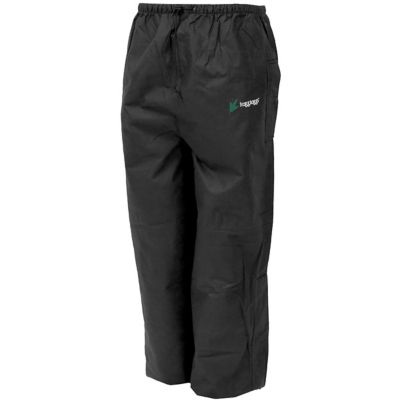
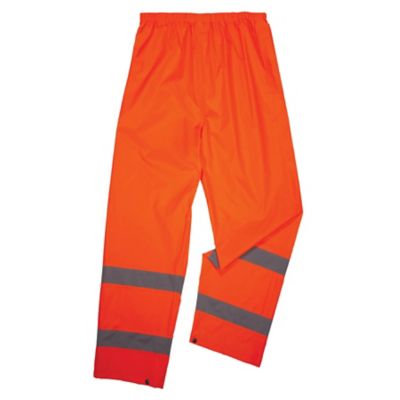
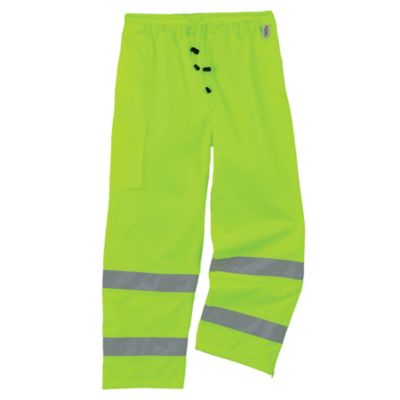
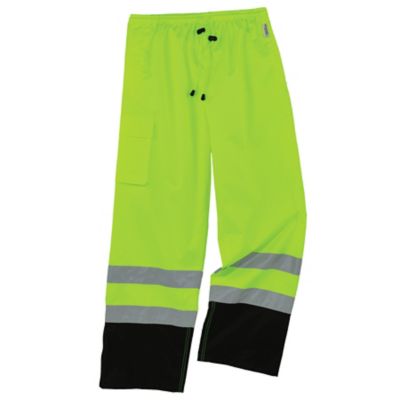
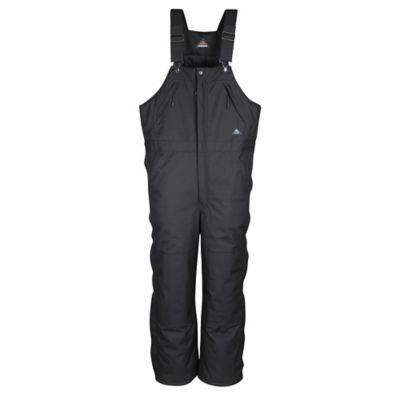
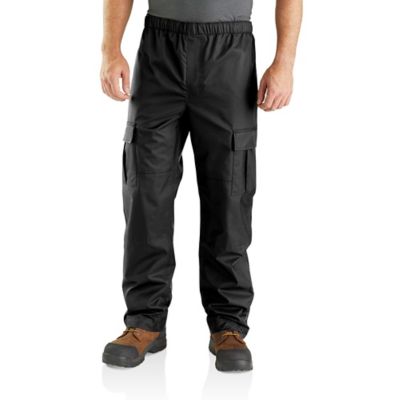
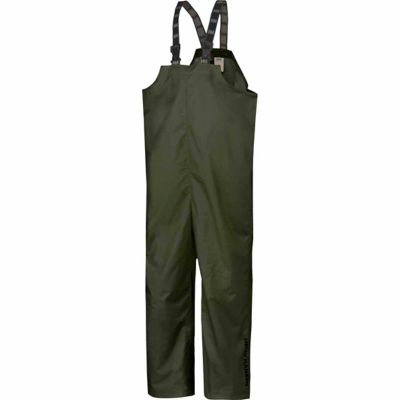
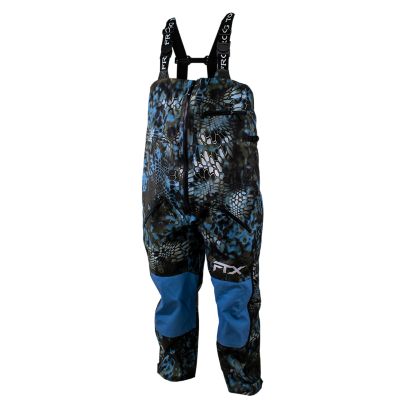
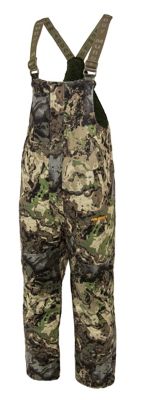
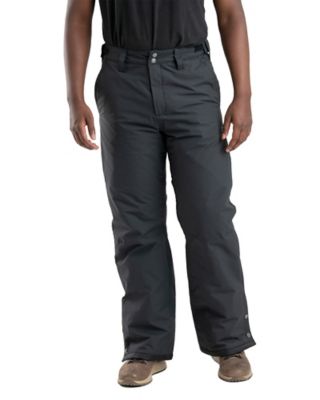
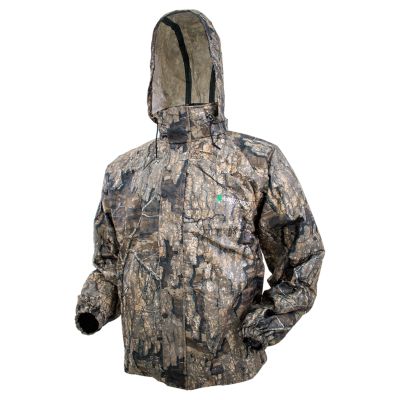
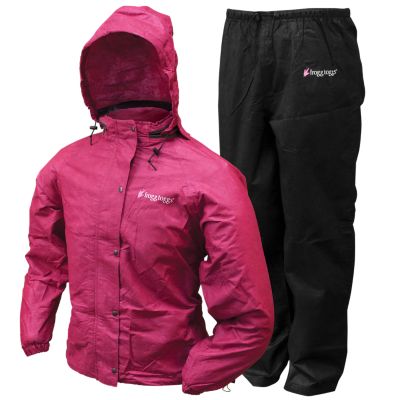
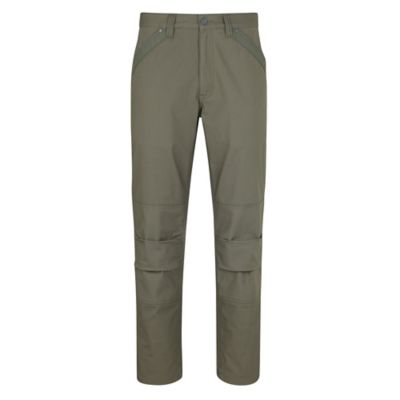
Waterproof pants put a rain-blocking layer between everyday clothing and the wet work that comes with life outdoors. They’re made for more than a quick dash across the driveway: feeding livestock in a steady drizzle, walking a fence line through soaked grass, and hauling supplies across a muddy yard all bring moisture against the legs. Unlike water-resistant pants, which shed light moisture but can soak through with longer exposure, waterproof pants have a coating, membrane, or other barrier designed to keep liquid water out. The fabric is only part of that protection. Fully taped or welded seams help close off the tiny openings where separate panels meet, while covered closures and protected pocket openings help limit other entry points. Nylon and polyester are common shell materials, giving rain pants a woven outer layer that can be light enough to pack or substantial enough for regular chores. Polyurethane coatings and waterproof membranes provide different approaches to blocking rain, and the overall construction affects weight, flexibility, and how much moisture vapor can escape. Some styles are simple pull-on shells worn over work pants; others have a lining or a heavier build for longer stretches outside. Bib designs extend coverage above the waist, which can come in handy when bending over a trough or reaching across a gate. A waterproof rating, when provided, describes resistance to water pressure under test conditions, but seams, closures, wear, and fit still matter in the field. Kneeling on wet ground puts more pressure on the fabric than walking through falling rain, so reinforced knees and a seat built for repeated contact are worth attention for hands-on work. Waterproof does not automatically mean insulated, either. A thin shell can block rain without adding much warmth, making the clothing underneath especially important during the cooler months. For farm chores, outdoor jobs, fishing, camping, or everyday walks, the right construction depends on how long the pants will be worn and how much movement the day calls for.
Comfort in waterproof rain pants comes down to room to move, moisture management, and the little details that make wet-weather clothing easier to live with. Overpants generally need enough space through the seat and thighs for jeans or work trousers underneath, without so much extra fabric that the legs catch on brush or drag through mud. An elastic waistband offers a straightforward pull-on fit, while adjustable tabs, drawcords, or suspenders help hold the pants in place as layers change. Shaped knees and a gusseted crotch can make a noticeable difference when stepping over a low fence, climbing a slope, or squatting beside a water line. Inseam length matters with boots: hems should cover the boot tops without bunching under the heels, and adjustable cuffs help keep loose fabric gathered at the ankle. Side zippers can make it easier to get rain pants on over muddy footwear, although the zipper length and opening need to accommodate the boots being worn. Storm flaps or water-blocking zipper construction help protect those openings from rain. For anyone moving steadily rather than standing still,
Waterproof Breathable Rain Pants offer a way to balance rain protection with the release of moisture vapor from inside the clothing. Breathable fabric does not work like an open window, and hard work can still create more sweat than a shell can release, especially in humid conditions. Venting openings, where included, provide another way for heat and moisture to escape, though an open vent can also admit rain. A smooth lining may slide more easily over other clothing, while an unlined shell often takes up less room in a day pack or truck bag. Pockets bring their own trade-offs. Pass-through openings allow access to trousers underneath but are not storage pockets, and covered storage pockets should not be assumed to keep a phone dry unless their construction specifically supports that claim. These details help separate a shell suited to occasional showers from pants that feel comfortable through a full round of chores.
Regular wear puts waterproof work pants through plenty besides rain. Gravel, barn boards, brush, and repeated bending can wear at the outer fabric, while mud and grit collect around cuffs and closures. Heavier fabric and reinforced contact areas can offer more resistance to abrasion, but they may also add weight and stiffness. A lighter pair is easier to carry along for changing weather, while a more substantial pair may make better sense for frequent ground-level work. Neither replaces protective clothing required for chainsaw operation, chemical handling, or other hazards. Care also affects how rainwear performs over time. The garment’s care label sets the rules for washing and drying because coatings, membranes, seam tape, and linings do not all tolerate the same treatment. Gentle cleaning with an approved detergent can remove dirt and body oils without exposing the waterproof layers to unsuitable cleaners. Fabric softeners, bleach, and high heat may harm performance, depending on the material. On pants with a water-repellent surface treatment, fading water beading can mean that the outer fabric needs cleaning or an appropriate treatment refresh; it does not necessarily mean the waterproof barrier underneath has failed. A soaked outer surface can still make the pants feel colder and less comfortable, so that finish has a practical role. Letting rain pants dry fully before storage helps prevent musty smells, and keeping them away from direct heaters protects heat-sensitive components. Occasional checks around the knees, seat, seams, and zipper edges can catch small problems before the next stretch of wet weather. For a practical gift, waterproof pants suit folks who keep doing chores, walking dogs, or heading down a trail when the forecast turns gray. Sizing deserves extra thought when the pants will go over everyday clothing, and adjustable features offer some flexibility without replacing a proper fit. From a damp morning at the barn to an afternoon along the creek, well-fitting rain pants help keep the day’s work from becoming a change-of-clothes chore.