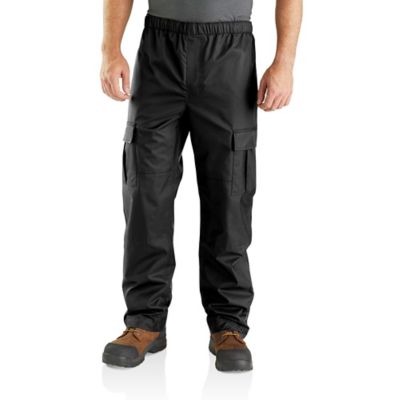
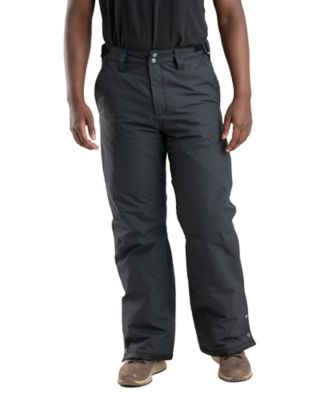
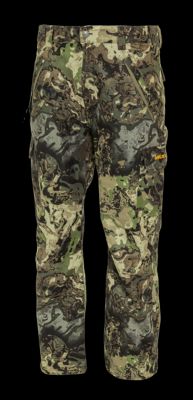
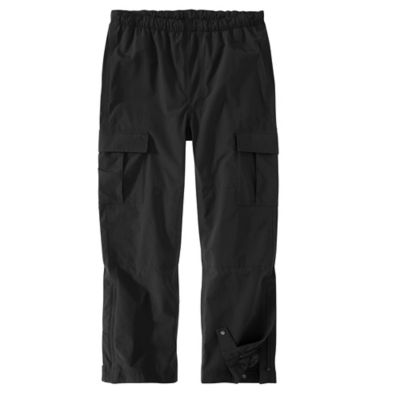
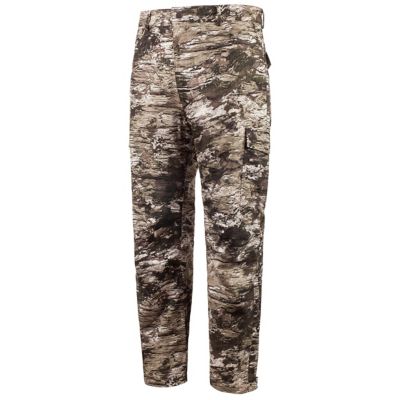
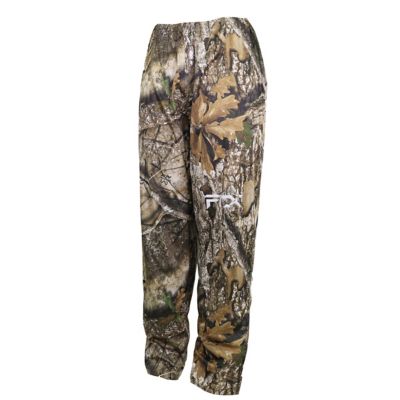
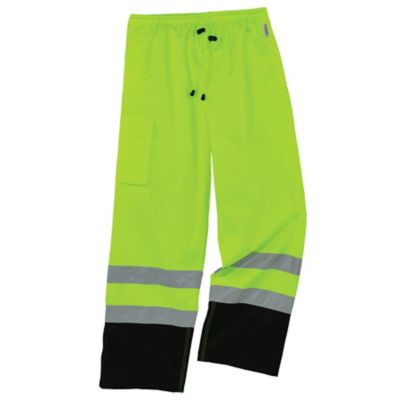
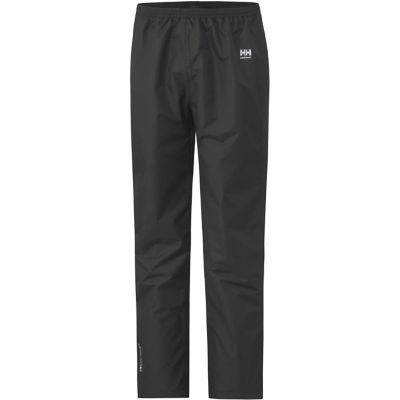
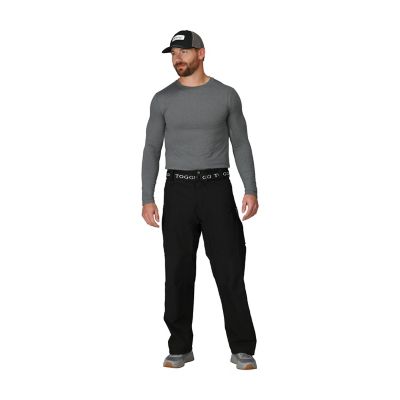
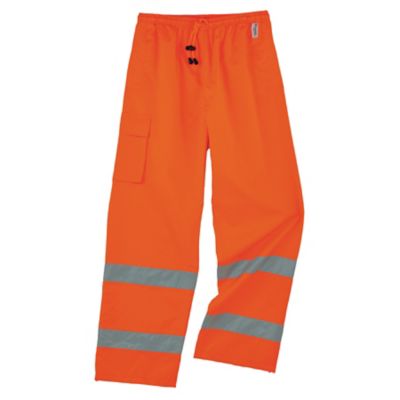
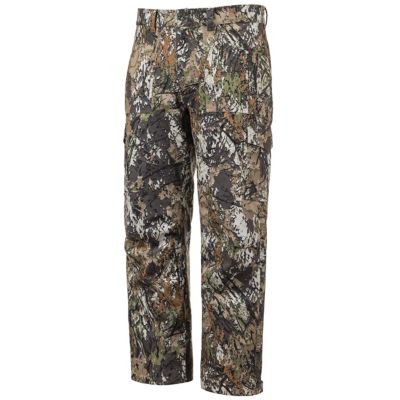
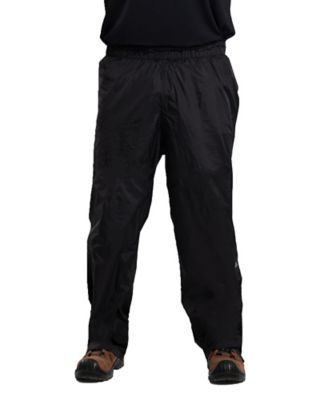
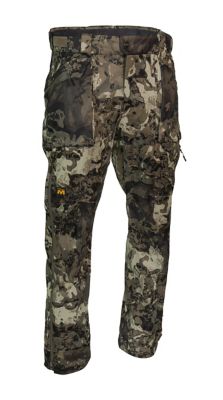
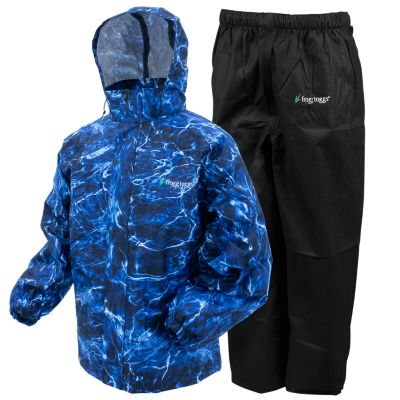
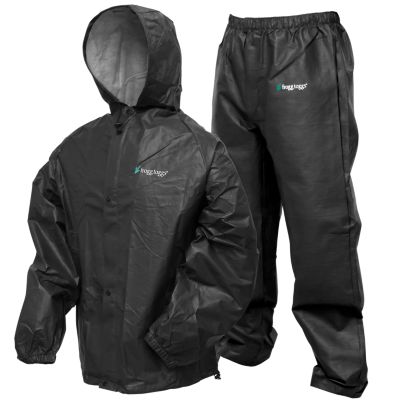
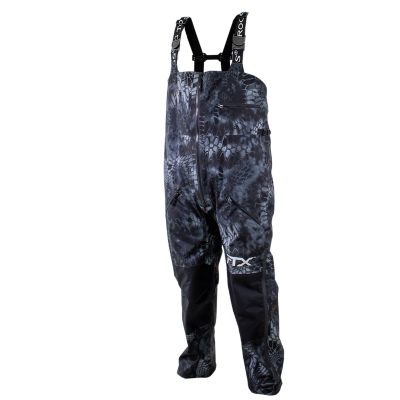
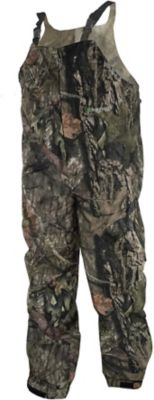
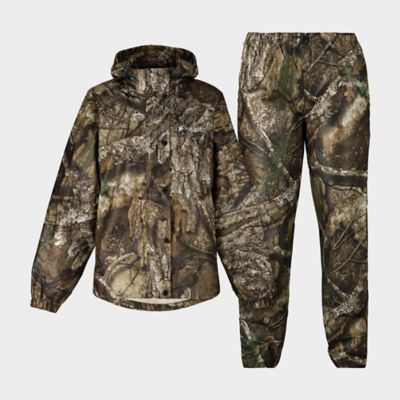
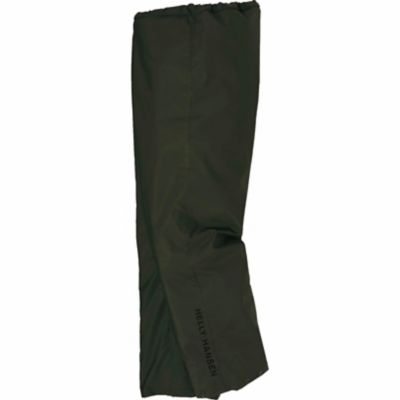
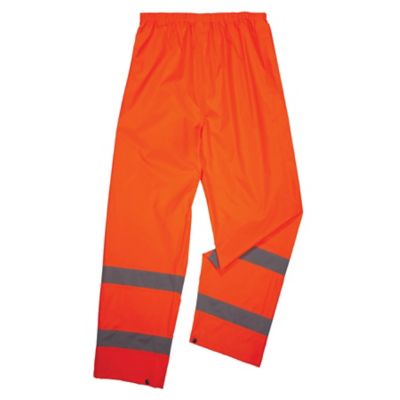
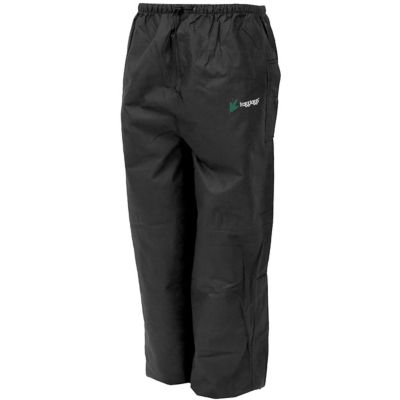
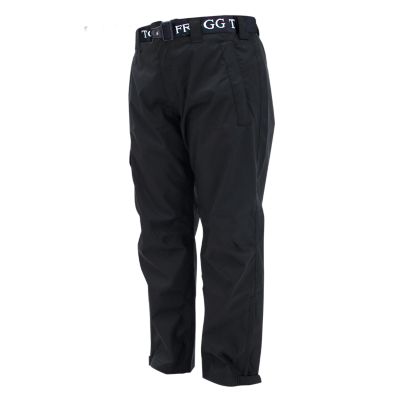
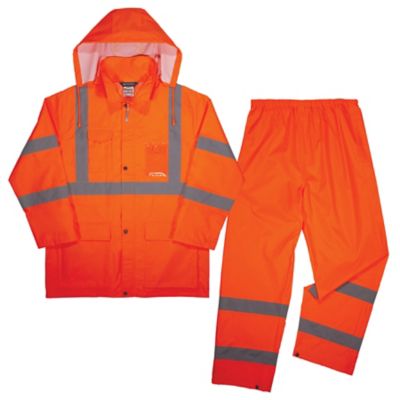
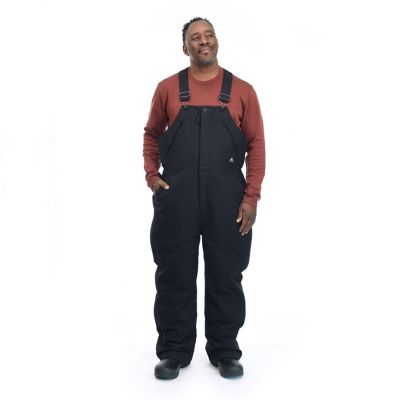
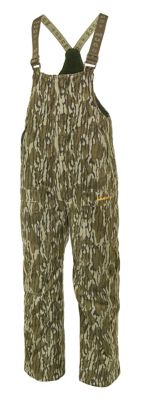
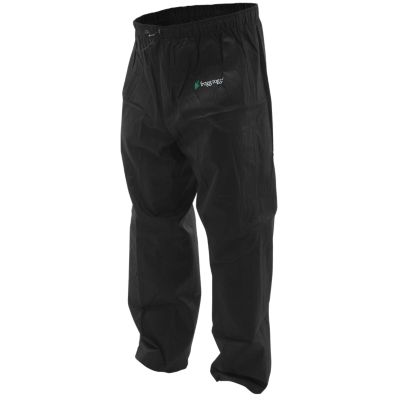
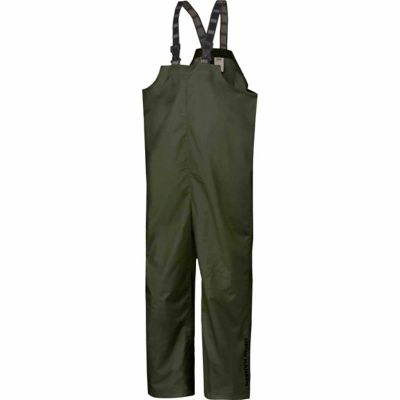
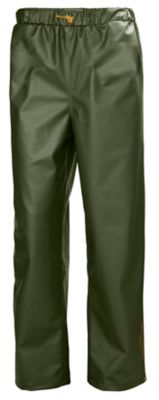
Waterproof breathable rain pants earn their place by the back door, in the truck, or alongside a rain jacket when chores won’t wait for a clear sky. They put a barrier between rain and the clothes underneath while allowing some moisture vapor from body heat to escape. That balance matters when a quiet walk to the barn turns into hauling feed, dragging a hose, or making several trips across a muddy pasture. A waterproof shell helps block outside moisture, while breathable construction can make steady movement more comfortable than a nonbreathable barrier. Breathability doesn’t mean sweat disappears, though; hard work, heavy layers, and damp air can still leave things feeling clammy. Fabrics vary, with nylon and polyester common choices for outer shells. Depending on the construction, a breathable coating or laminated membrane provides the waterproof barrier, while a surface treatment helps rain bead up and roll away. Those parts do different jobs: a water-repellent finish alone isn’t the same as a waterproof barrier. Sealed or taped seams help close off the small holes left by stitching, and covered openings help keep wind-driven rain from sneaking through vulnerable spots. Fabric weight and construction also affect how the pants feel and where they make sense. A lighter shell packs easily for checking fence lines or taking a walk when rain is possible. A more substantial fabric may stand up better to rubbing against rough boards, brush, and equipment, though no rain shell is immune to sharp edges or thorns. Reinforced knees or seat panels, where present, can add material in high-contact areas. Waterproof and breathability ratings can help explain a fabric’s performance, but the test method and the finished garment’s construction matter, too. Standing in a shower, kneeling on wet ground, and walking uphill with a load all put different demands on rainwear. The most useful pair suits the work at hand without making every step feel stiff or restricted.
Fit makes a real difference once waterproof breathable rain pants go over everyday work clothes. Enough room through the seat, thighs, and knees allows for stepping over a low fence, climbing a hill, or crouching beside a water trough without pulling the waistband down. Too much loose fabric can bunch behind the knees or drag through mud, so a roomy cut still needs sensible proportions. An elastic waist or adjustable waistband can help accommodate layers, while a drawcord gives some styles another way to stay in place. Belt loops and suspender compatibility are other features that may matter for longer stretches outdoors. For shoppers comparing
Womens Waterproof Rain Pants, the rise and room through the hips and thighs deserve as much attention as the waist measurement. Inseam length matters over boots, too: hems should provide coverage without catching under the heel. Measurements taken over the layers likely to be worn underneath give a better picture of fit than an everyday pants size alone. Leg openings shape the whole experience of getting rainwear on and off. Wide cuffs and ankle zippers can make it easier to pull pants over work boots, while longer side zippers may reduce the need to wrestle muddy footwear through narrow openings. Adjustable cuffs help gather the hem around the boot and limit flapping fabric. Zipper flaps and closures deserve attention because an opening that makes dressing easier also needs a way to shed rain. Pocket arrangements vary as well. Some pants have their own pockets, while others provide access to the pockets underneath; either design works best when its openings stay protected. Articulated knees and a gusseted crotch can add freedom of movement without requiring an oversized fit. These details matter to farmers, ranchers, grounds crews, anglers, and anyone who spends a good part of the day outside. They also make a difference on a short, soggy trip to gather eggs or bring in firewood.
Rain pants work as part of a complete setup, not as a substitute for every other layer. A jacket that overlaps the waistband helps keep runoff outside, and pant legs worn over suitable waterproof boots generally shed water better than hems tucked inside the boot tops. The goal is a continuous path for rain to run toward the ground rather than into clothing. Most shell-style rain pants provide little insulation on their own, so warmth comes largely from the layers underneath. That leaves room to pair them with lighter work clothes for active chores or warmer base layers when cold rain settles in. Smooth inner surfaces can make layering easier, while lined constructions may feel different against bare legs or thin clothing. For walking and steady work, freedom of movement and moisture management often matter more than extra fabric. For slower tasks, enough space for insulation can be especially welcome. Care is another part of keeping rainwear ready for the next wet day. Mud, body oils, and detergent residue can interfere with surface water repellency and affect comfort, so cleaning according to the garment’s care label matters more than leaving a shell dirty for fear of washing it. Some fabrics call for a particular cleaner, and fabric softeners or bleach may be unsuitable. Drying instructions vary as well; heat that helps one garment’s finish may harm another construction. When water stops beading on the outside, the surface treatment may need attention even if the waterproof barrier remains intact. Any renewal treatment should match the fabric and the manufacturer’s directions. Letting pants dry fully before storage helps prevent musty odors, and checking seams, cuffs, and high-wear areas can catch small problems before the next downpour. Tears and worn patches need a repair method suited to the shell material. With the right fit, construction, and care, waterproof breathable rain pants become practical working gear for wet grass, splashing puddles, and the long walk back from the far gate.