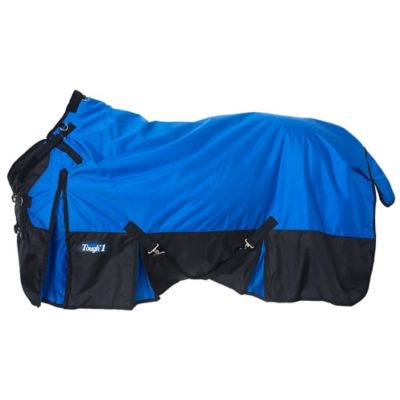
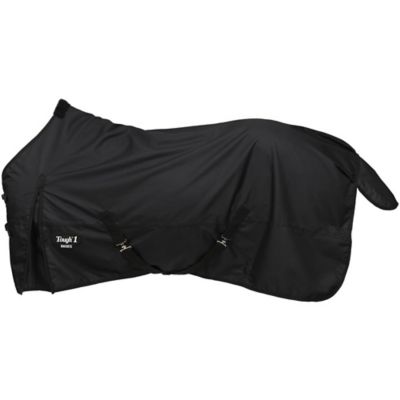
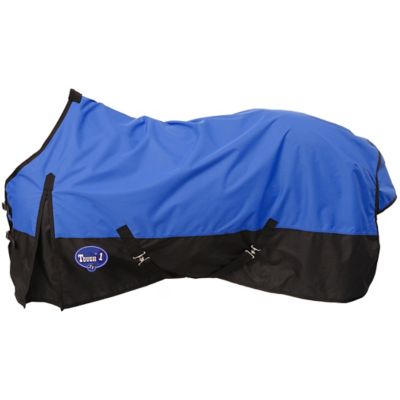
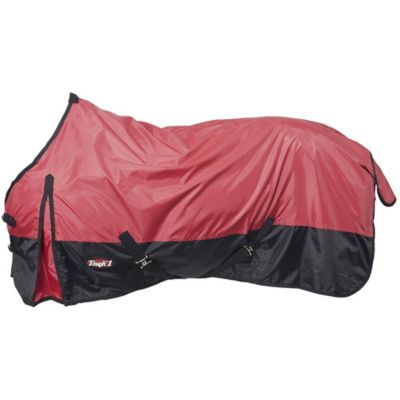
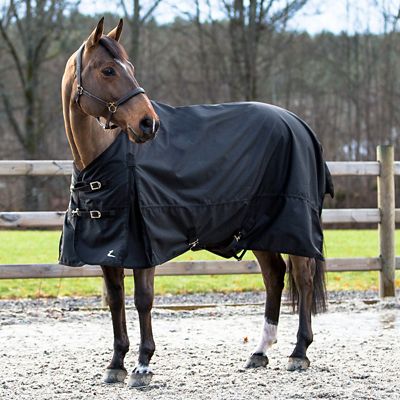
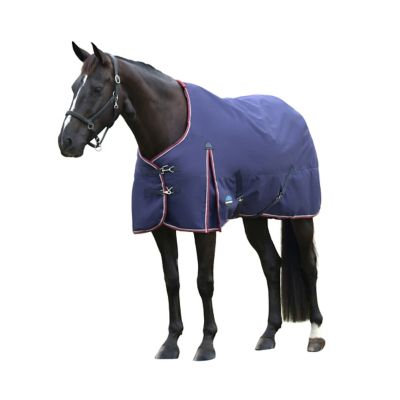
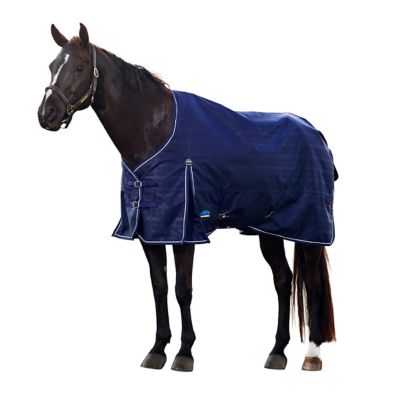
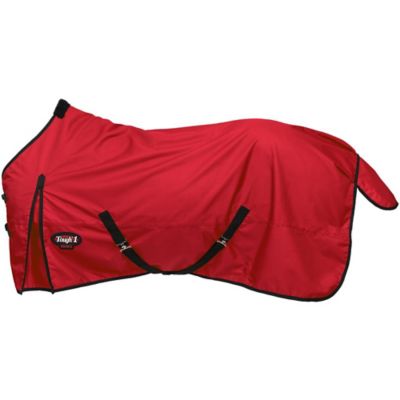
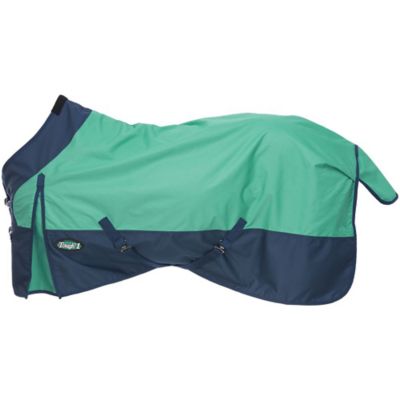
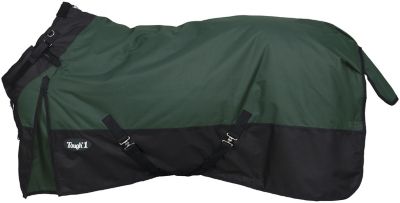
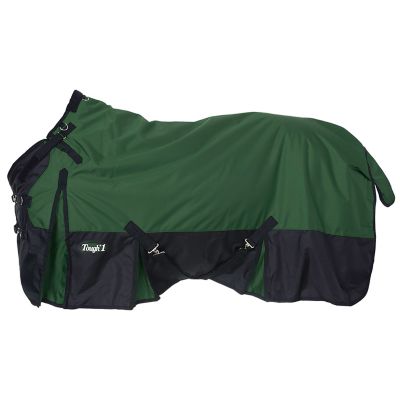
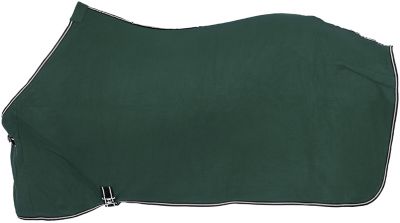
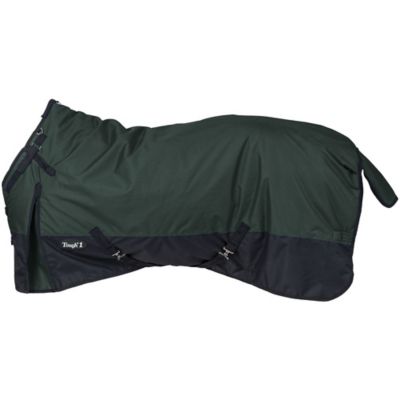
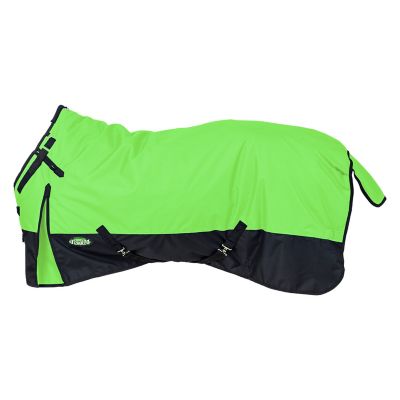
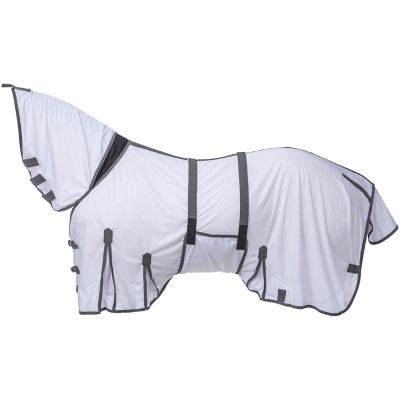
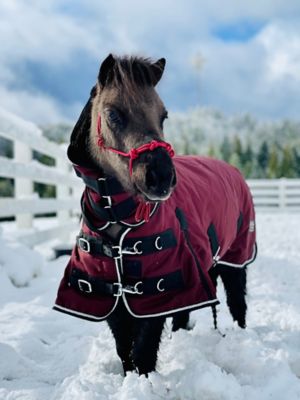
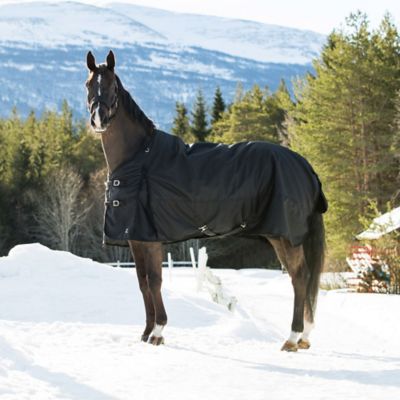
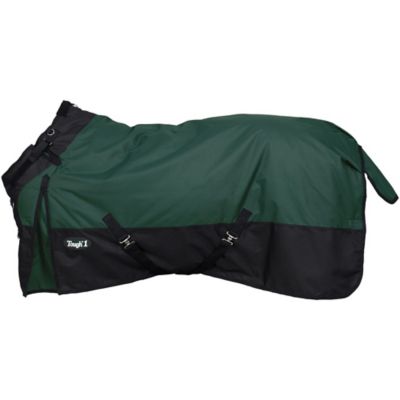
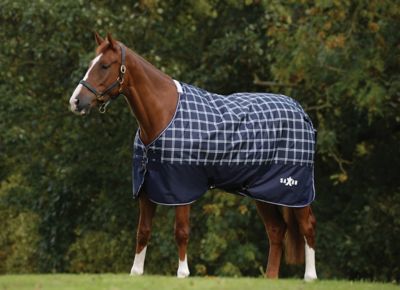
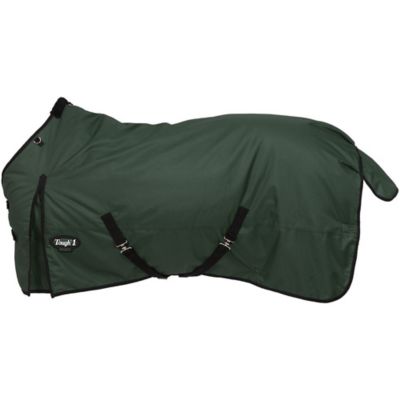
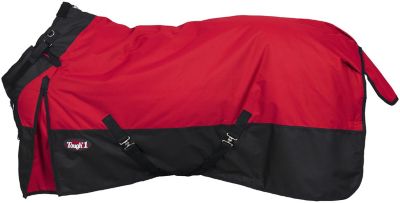
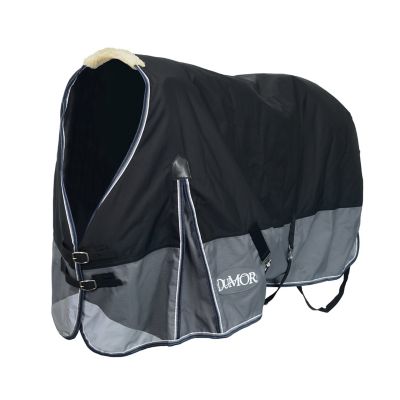
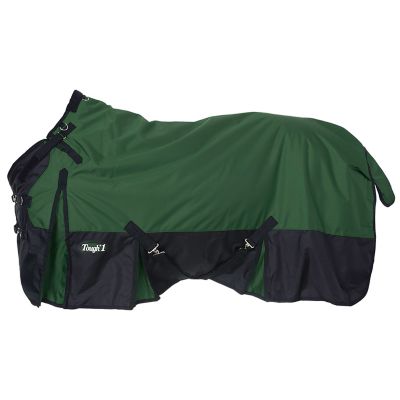
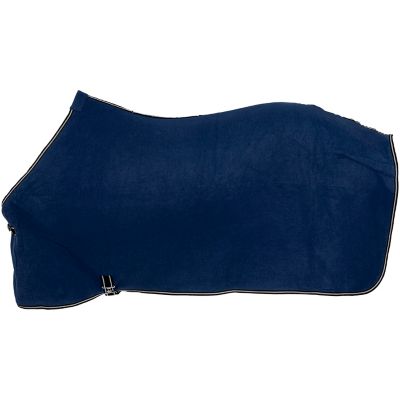
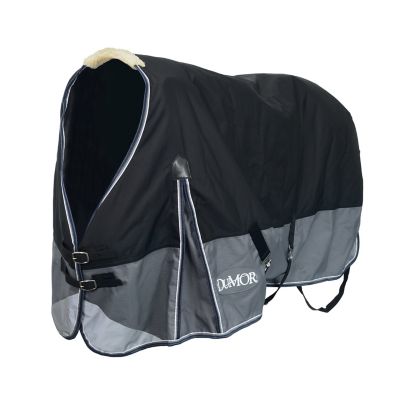
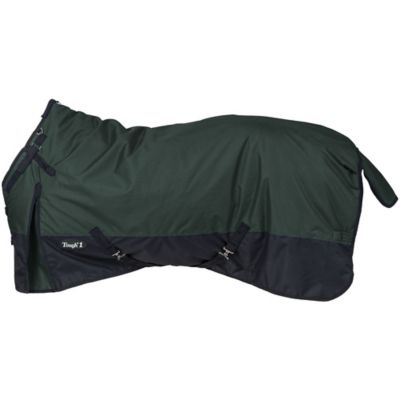
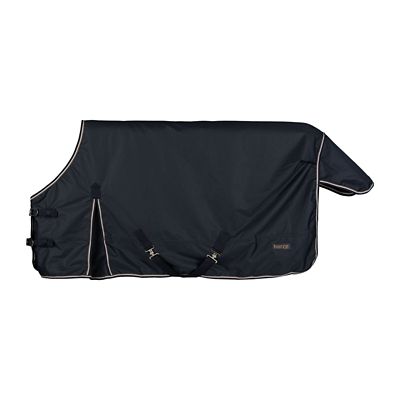
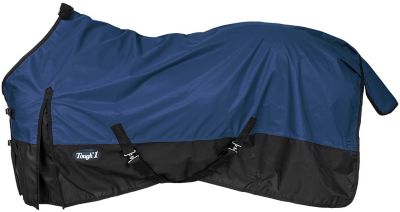
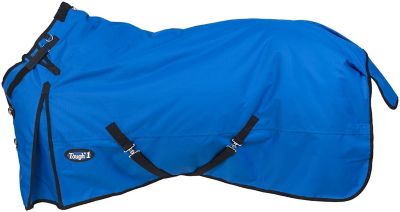
Horse turnout sheets for rain and wind help keep a horse comfortable when damp weather rolls across the pasture, without adding the heavy insulation found in a winter blanket. They are handy for horses that spend part or all of the day outside, especially during the cooler months when steady rain, gusty wind and muddy ground can leave a coat wet and chilled. A turnout sheet can also help protect a clean coat before riding, show days or farm visits, while giving a horse room to graze, walk and play. Look for a waterproof, breathable outer shell that sheds rain without trapping too much heat underneath. Breathability matters because a horse can sweat even when the air feels cool, particularly after moving around a large pasture or playing with a herd mate. A sheet with a durable ripstop weave can stand up to everyday use, rubbing against fences and branches, and the occasional rough moment at the hay feeder. Fabric strength is often described by denier; options made with 1200D or 1680D fabric are popular for turnout because they offer a sturdy balance of tear resistance and comfort. Lower-denier sheets may work well for lighter use or supervised wear, while horses that are hard on their blankets may benefit from a heavier outer shell.
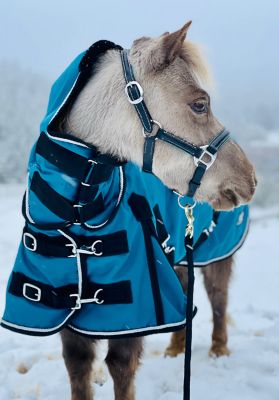
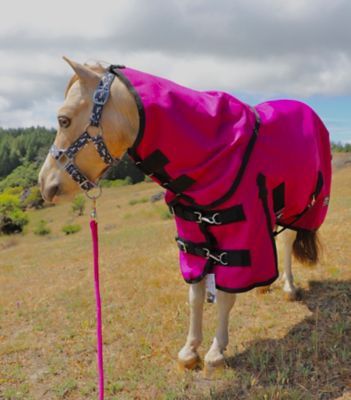
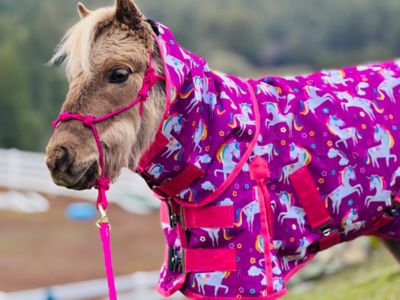
Fit is just as important as fabric. Measure from the center of the chest, across the shoulder and along the side of the body to the center of the tail, then compare that measurement with the manufacturer’s sizing chart. A properly fitted sheet should cover the back and rump without hanging so low that it catches on a hoof, and it should leave enough room at the chest for a full stride and a good grazing stretch. Deep shoulder gussets help the horse reach, roll and move freely while reducing pulling and rubbing around the withers. Adjustable chest closures make it easier to create a secure fit over different builds, while cross-surcingles should sit flat and fasten snugly beneath the belly without pinching. Elastic leg straps can help keep the sheet in place when wind picks up, and a generous tail flap gives extra coverage while helping block drafts from behind. For areas that see driving rain, a high-neck or Wug-style design may provide more protection around the mane and upper neck than a standard cut. Check that buckles, snaps and straps are easy to handle with cold or muddy hands, and choose closures that can be adjusted as your horse’s coat and body condition change. A growing youngster, a broad-bodied stock horse and a narrow, high-withered horse may all need different adjustments even when their back measurements are similar.
Turnout sheets are useful for many kinds of horse owners, from someone keeping one retired gelding at home to a busy barn managing a full herd. They can be put on before a wet turnout period, used after grooming to help keep mud from sticking to the coat, or kept folded in the tack room for a forecast that turns rough while horses are outside. Always check the horse underneath a new sheet, especially during the first few wears. Feel along the shoulders, withers, chest and elbows for heat, dampness or rub marks, and make sure the belly straps and leg straps have not shifted. A sheet is not a substitute for regular observation, shelter or appropriate feeding, and horses should be checked as conditions change. Some horses stay comfortable with only a rain sheet, while thin-coated, clipped, elderly or underweight horses may need a more insulated layer when temperatures drop; shoppers comparing coverage and warmth can also browse the
Waterproof Turnout Blanket selection. After use, shake off loose dirt and allow the sheet to dry fully before folding it away. Brush away dried mud, follow the care instructions for washing and waterproofing, and inspect seams, buckles and straps before the next turnout. A durable, well-fitting sheet can make wet pasture days easier on both horse and owner, and it makes a practical gift for a new horse owner, a young rider building a first tack collection or a barn friend who is always caught preparing for the next stretch of wind and rain.