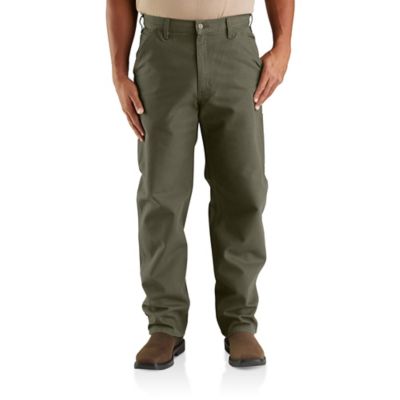
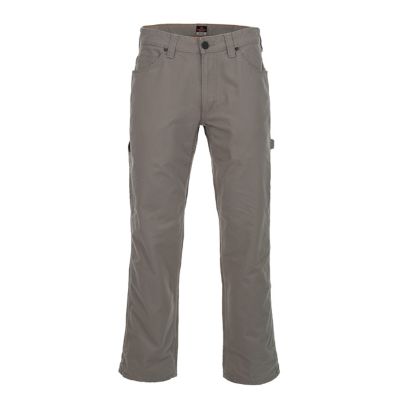
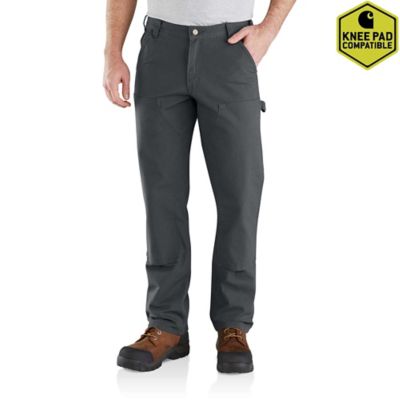
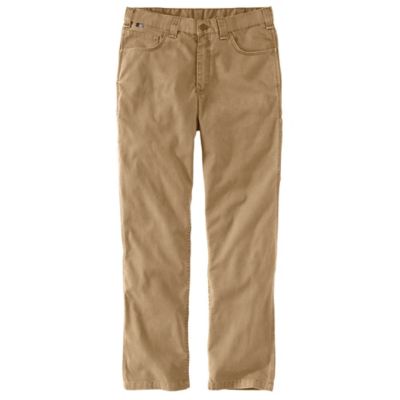
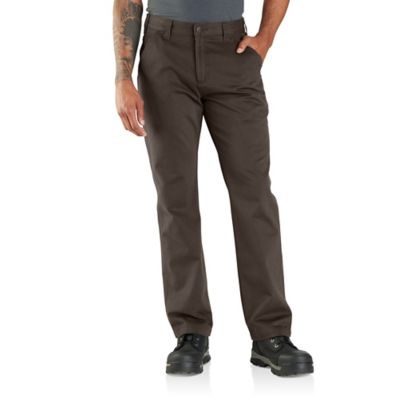
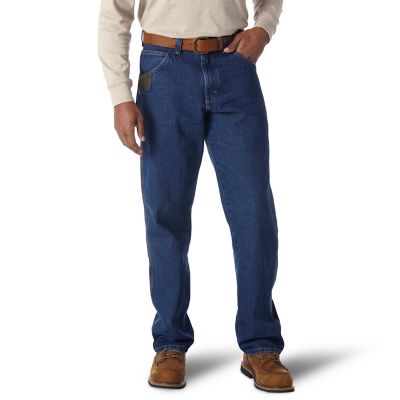
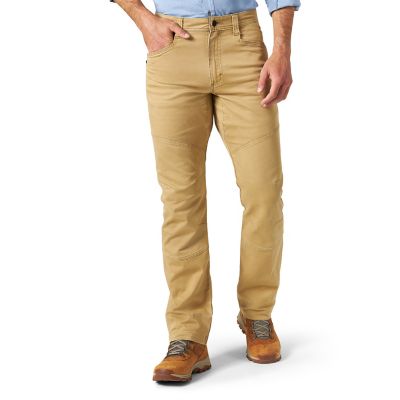
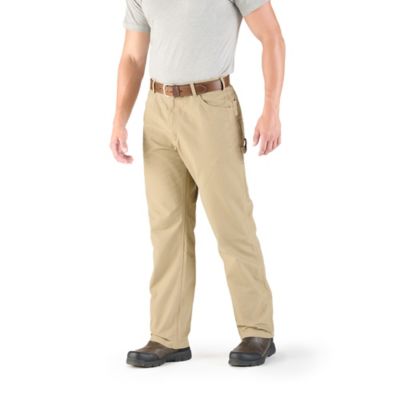
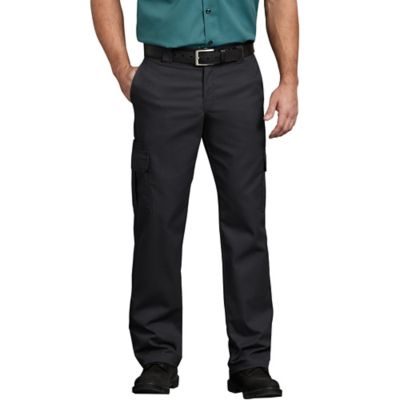
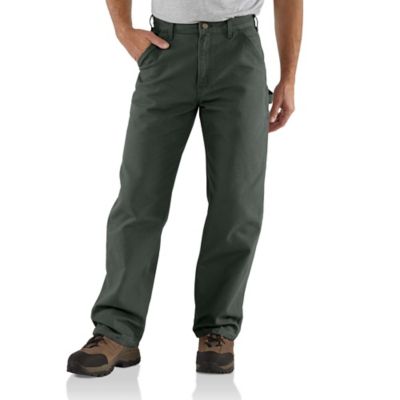
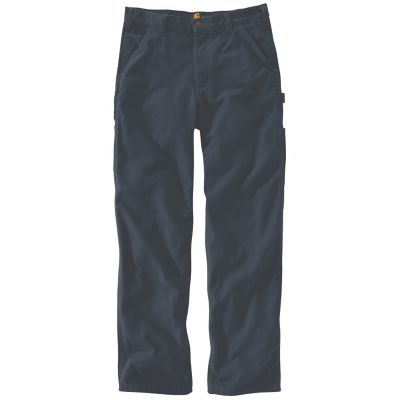
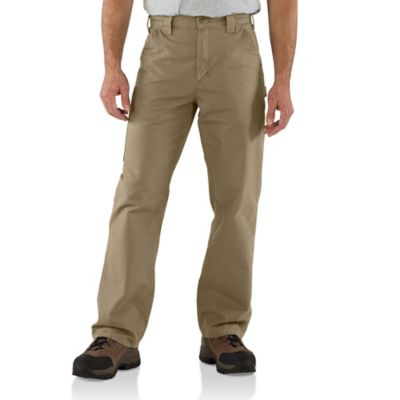
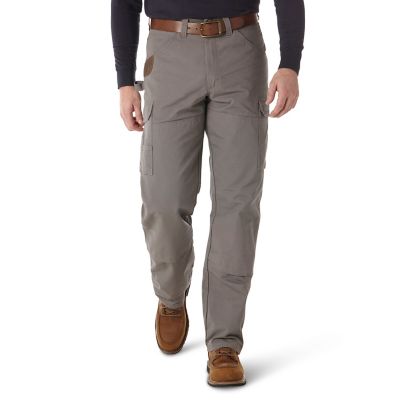
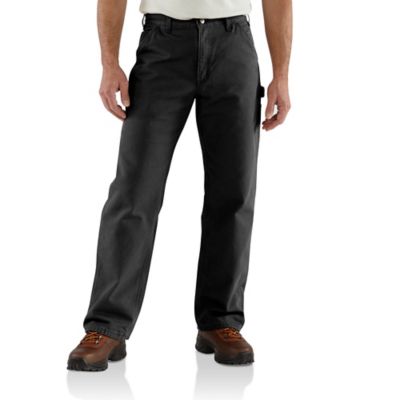
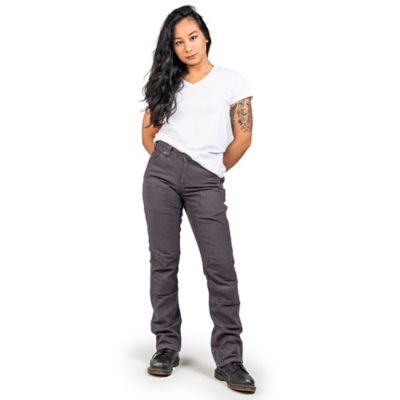
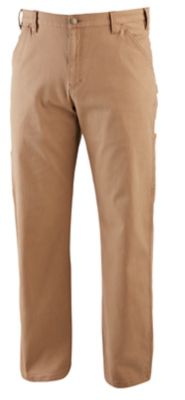
Warm work pants are built for the jobs that keep going when the temperature drops. They pair a hardworking outer fabric with an insulated or brushed lining to help hold in body heat without giving up the toughness needed around the farm, shop, jobsite or property. Common outer materials include cotton duck canvas, heavy twill, denim, stretch blends and weather-resistant softshell fabrics. Inside, you may find flannel, quilted insulation, fleece or a thermal lining that adds warmth from the waist through the seat and legs. Each construction has a different feel. Flannel-lined pants offer familiar, everyday comfort and a little extra bulk, while fleece-lined styles tend to feel softer and warmer when you are standing around in a cold barn or riding in an open utility vehicle. Thermal softshell pants can be a good choice for active work in wind or damp conditions because they are made to move with you and help shed light moisture. The best pair for a particular job depends on how cold the work area is, how much walking, climbing or kneeling is involved, and whether you need protection from wind, wet grass, mud or rough surfaces. A sturdy canvas or duck outer layer is well suited to handling fence posts, splitting wood and working around equipment, while a flexible stretch fabric may be more comfortable for climbing into a tractor cab, hauling feed or making repeated trips across a property. Look closely at the pocket layout, too. Deep front pockets are useful for gloves, a tape measure or a pocketknife, and secure back or tool pockets help keep small essentials from falling out when you bend or crouch. Reinforced seams, durable belt loops and roomy knees can make a noticeable difference over a long day. If you prefer a closer shape that stays out of the way around machinery, take a look at
Fitted Work Pants as another option.
Getting the fit right matters just as much as choosing the lining. Warm pants should leave enough room for a base layer without hanging loose enough to catch on brush, gates or equipment. Check the waist measurement and inseam, then consider how the pants feel when sitting, squatting and taking a long stride. A waistband that feels fine while standing may pinch when you climb stairs or settle into a tractor seat. The knees should bend easily, and the cuffs should meet the top of your boots without bunching heavily inside them. For especially cold work, allow room for thermal underwear, but avoid sizing up so far that the lining cannot sit close enough to keep you comfortable. Some work pants have a traditional straight cut, while others use a relaxed or athletic shape for a wider range of movement. A little stretch can be welcome for kneeling beside a livestock pen or reaching over a truck bed, but the fabric still needs to match the work. Check the care instructions before buying, especially if the pants will pick up grease, manure, sawdust or soil. Certain lined styles need a gentler wash or lower drying temperature to help protect the lining and preserve the fit. Darker colors can be practical for shop and equipment work, while earth tones blend naturally into outdoor chores and tend to look at home on the farm. For wet, windy conditions, warmth alone may not be enough; a water-resistant finish or tightly woven outer fabric can help keep cold moisture from soaking through. In dry cold, a soft insulated lining may be the feature you notice most. During the cooler months, many people keep more than one pair on hand—one for clean errands, town runs and light chores, and another reserved for muddy, greasy or especially demanding work. Rotating pairs gives each one time to air out and makes it easier to start the day with dry, comfortable clothing.
Warm work pants can be useful for farmers, ranchers, landscapers, delivery drivers, construction crews, hunters, maintenance workers and anyone who spends part of the day outside. They are also handy for homeowners who are clearing storm debris, stacking firewood, repairing fences or caring for animals before sunrise. On a crisp morning, the difference between ordinary pants and a lined pair can show up quickly: instead of feeling the cold settle through your legs while you unlatch a pasture gate, you can focus on the job and keep your hands moving. They work well with wool socks, insulated boots, a base layer and a sturdy work shirt, though the pants should not be so bulky that they interfere with boot fit or safe movement. For indoor jobs in an unheated shop, storage building or loading area, a lighter lining may be more comfortable than heavy insulation. For long hours in open wind, prioritize coverage, a secure waistband and an outer fabric that blocks drafts. These pants also make a practical gift for someone who works outdoors, maintains a large property or spends weekends tackling projects in the garage. They are a thoughtful choice for a new homeowner, a seasonal worker or a family member who is always the first one out to feed animals or clear snow, especially when you know their usual waist size and preferred fit. Consider the recipient’s routine before choosing a pair: a person who spends most of the day walking may value flexible fabric and a lighter build, while someone working around sharp lumber, rough fencing or heavy equipment may appreciate a tougher shell and reinforced construction. With the right balance of warmth, mobility, pocket space and durability, warm work pants help make cold-weather chores more manageable from the first frosty morning through the return of milder days.