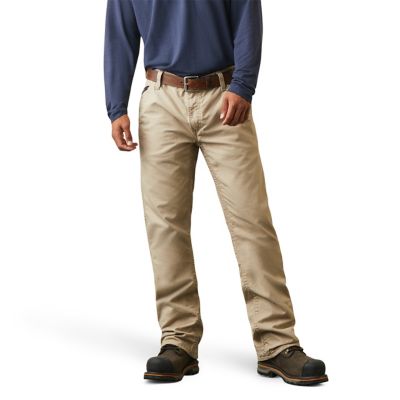
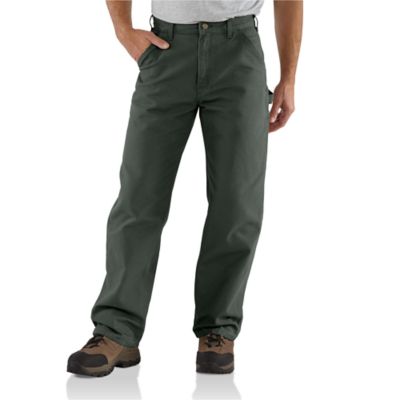
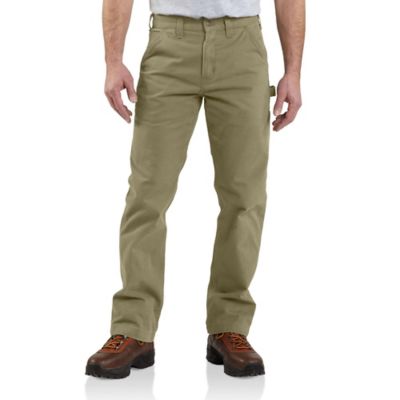
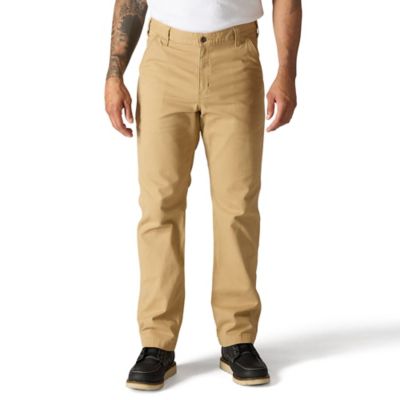
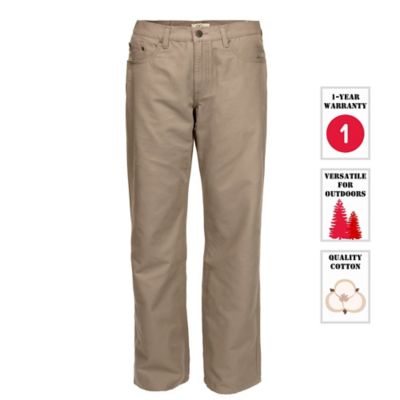
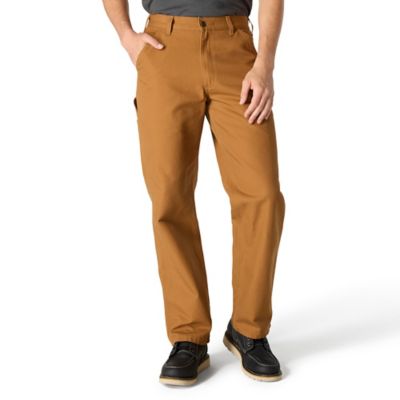
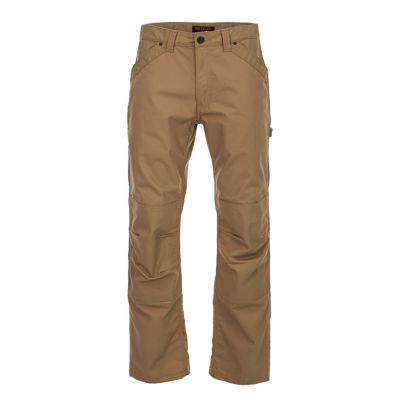
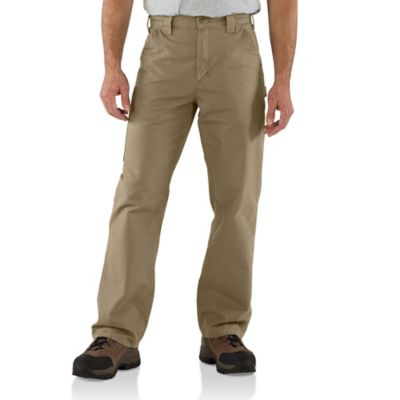
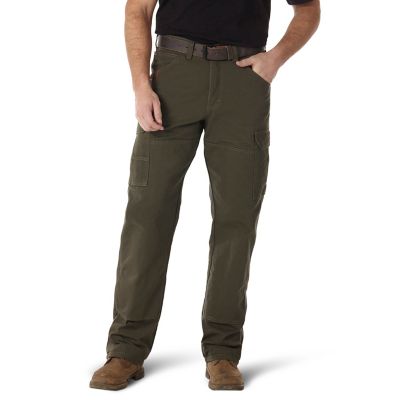
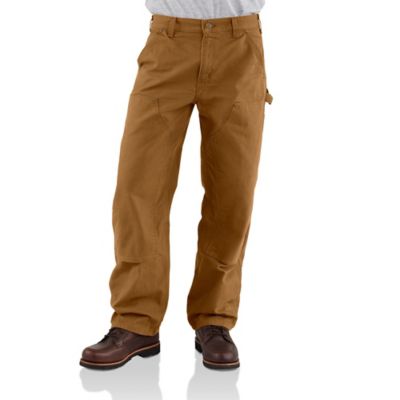
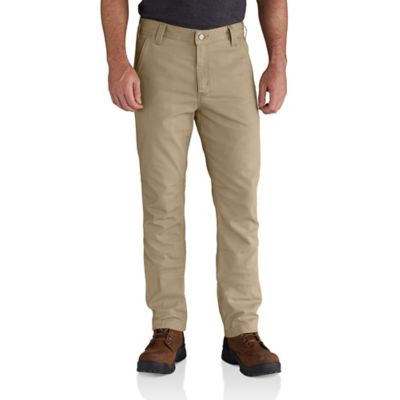
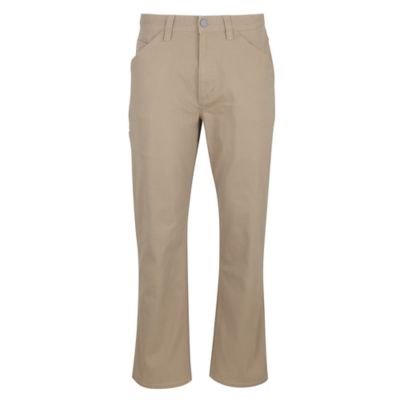
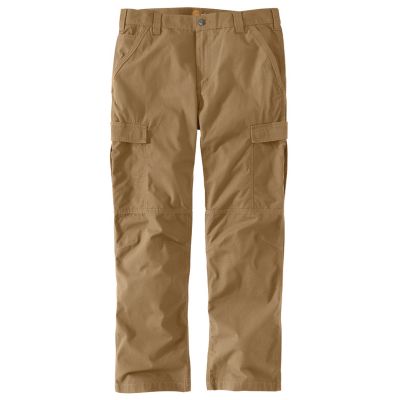
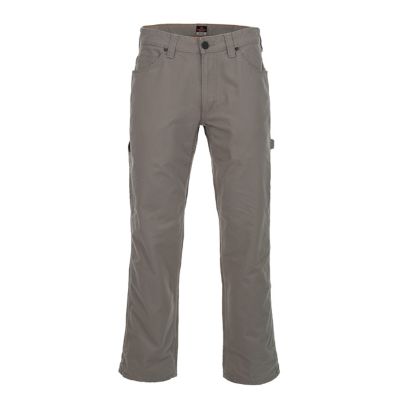
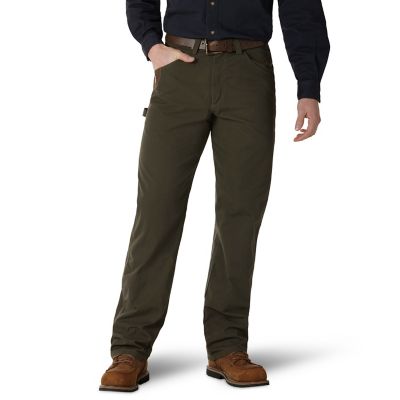
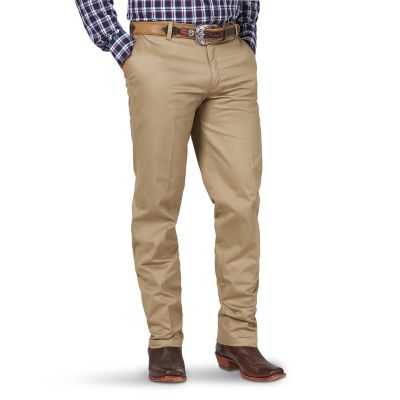
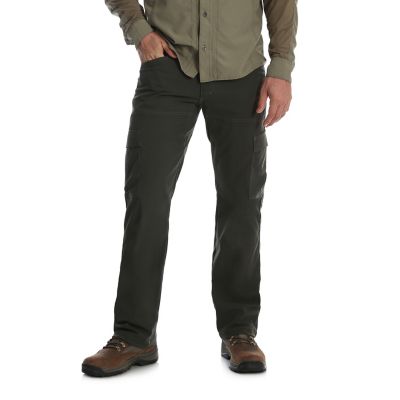
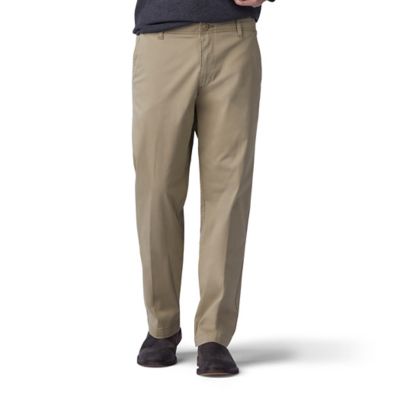
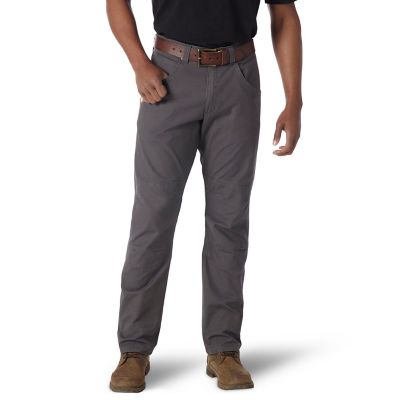
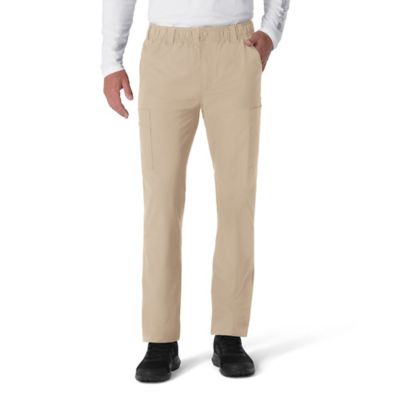
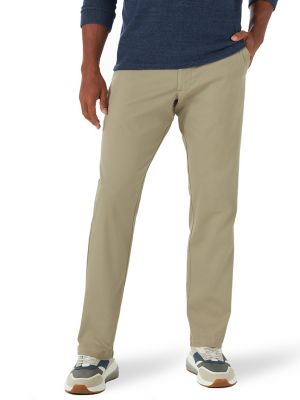
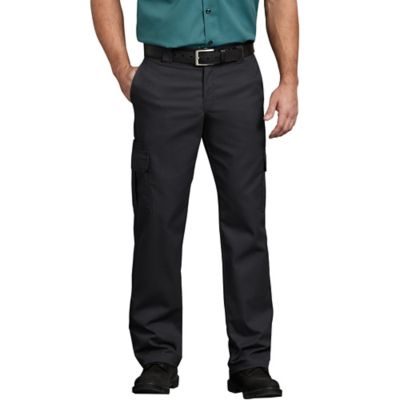
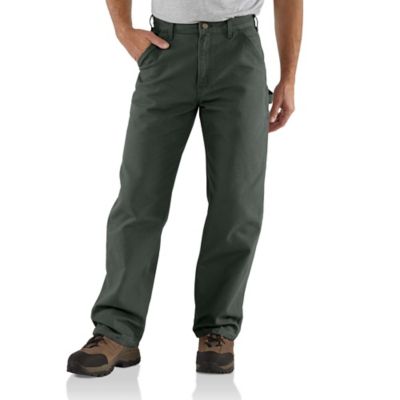
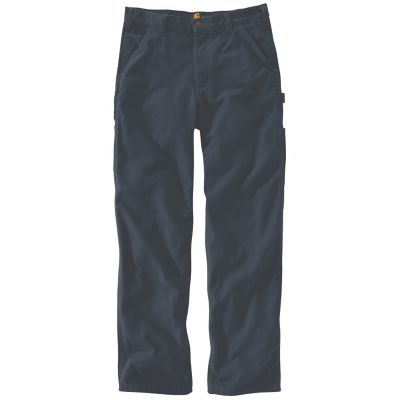
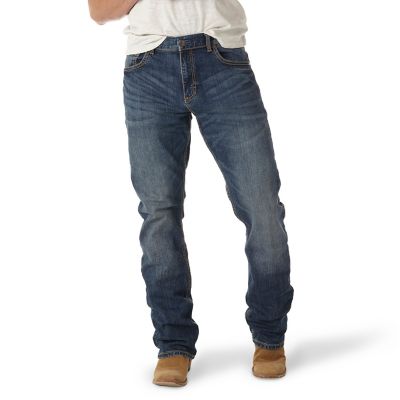
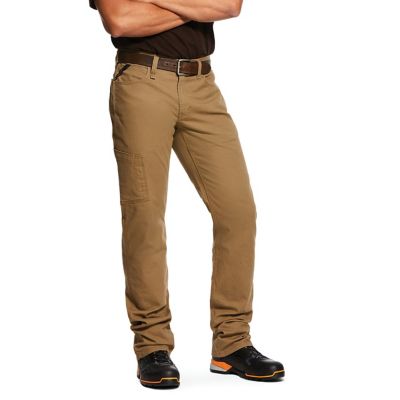
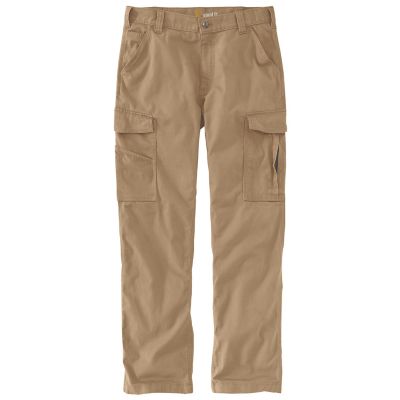
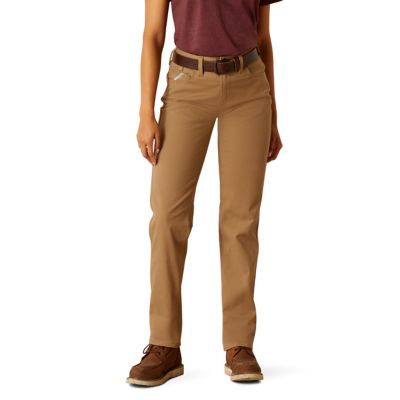
Men’s khaki work pants bring together job-ready construction and a neat, down-to-earth look that fits plenty of working days. Khaki describes the tan color, not a single fabric or level of protection, so pants in this category can range from substantial canvas workwear to lighter twill styles suited to a shop counter or office. That flexibility makes them a practical choice for farm operators, maintenance crews, tradesmen, warehouse workers, and anyone whose day mixes physical chores with face-to-face business. A pair can look right at home checking fence lines in the morning and handling paperwork after lunch, though the fabric and construction should match the tougher part of the day. Cotton twill has a diagonal weave and often feels softer with washing, while cotton canvas generally has a firmer feel that suits rougher contact with work surfaces. Fabric weight matters as much as the weave: lighter cloth can feel less cumbersome indoors, and heavier cloth provides more substance for jobs involving repeated rubbing and abrasion. Polyester-cotton blends often resist wrinkles and dry faster than all-cotton fabrics, making them worth considering for pants that go through a steady wash-and-wear routine. A small amount of stretch fiber can give the fabric extra movement when stepping onto a tractor platform or crouching beside a gate latch. Stretch content alone does not determine comfort, though; the cut through the hips and thighs still makes a difference. Moisture-wicking properties, stain-release finishes, and wrinkle resistance are features to check in the garment details rather than assume from the color or fabric blend. Stain release can help certain marks wash out, but it does not make cloth stainproof. For work that moves between a service desk, a workshop, and a gravel lot, khaki offers a less formal alternative to dress trousers without looking as casual as sweatpants. It pairs easily with flannel shirts, work polos, pocket tees, and sturdy boots, keeping a working wardrobe straightforward.
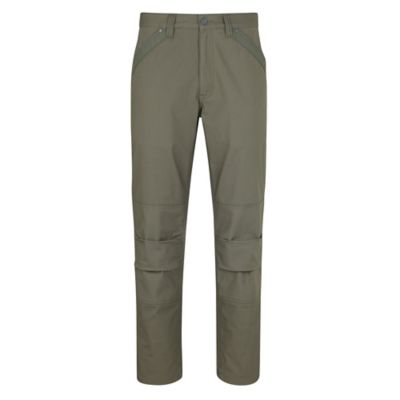
Fit is where men’s khaki work pants either earn their place in the weekly rotation or spend most of their time hanging in the closet. Straight-leg styles offer a fairly even line down the leg, while relaxed fits generally provide more space through the seat and thighs. Loose fits allow still more room, but extra fabric is not always helpful in tight work areas. Slimmer cuts can suit light-duty jobs and office time, provided they leave enough space to sit, bend, and take a full stride. Fit labels vary between makers, so waist and inseam measurements, along with the garment’s sizing information, tell more than the fit name alone. Rise matters, too: a waistband that sits comfortably while standing may pull or dig in during a long drive or a crouched repair. A well-fitting pair should stay in place under a work belt without pinching at the waist or pulling across the pockets. Through the legs, there should be room to kneel beside a water line, climb steps, or lift a feed sack with proper technique. A gusseted crotch or shaped knee construction can provide movement without requiring an oversized fit. At the hem, enough room to sit over work boots helps keep the leg from bunching, while excessive length can drag through mud or catch under a heel. Construction details deserve equal attention. Reinforced pocket openings help with repeated access, double-layer knees add fabric where kneeling creates wear, and extra stitching can strengthen seams that take frequent strain. These features support longer wear but do not turn ordinary pants into protective equipment. Utility pockets, cargo pockets, and hammer loops make sense when small tools need a place within reach; simpler pocket layouts can feel less bulky behind a desk or vehicle steering wheel. Tools should stay secure without restricting movement, and loose clothing or hanging accessories must stay clear of moving machinery. Tasks requiring flame resistance, electrical protection, or other safety-rated clothing call for garments carrying the appropriate rating, regardless of how rugged everyday work pants look.
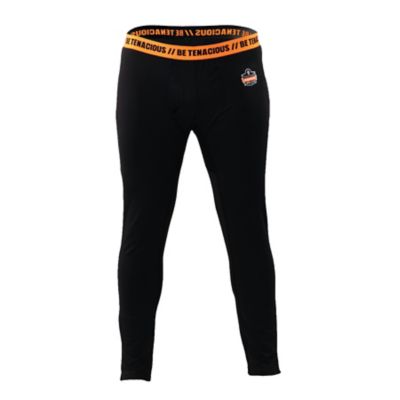
The right khaki work pants also need to fit the conditions beyond the job description. During the cooler months, a heavier fabric can feel more substantial on a breezy walk between the barn and truck, but fabric weight alone does not guarantee warmth or wind resistance. Lined pants and room for a base layer can help on days with long stretches outdoors. For jobs that call for more insulation,
Warm Work Pants offer another category to consider alongside everyday khakis. Layering works best when the waistband, seat, and thighs still allow easy movement; pants that fit closely over bare legs may feel restrictive over thermal bottoms. For someone moving between a heated shop and an open equipment shed, an unlined pair with a separate base layer may offer more flexibility than a heavily lined garment. Care habits matter throughout the season, especially when cuffs collect damp soil and pockets gather bits of hay. The care label should set the washing temperature, drying method, and any limits on bleach or fabric softener. Cotton can shrink with heat, and excessive dryer heat can affect stretch fibers and certain finishes. Emptying pockets, brushing away loose dirt, and treating stains promptly with a fabric-appropriate product help keep everyday grime from becoming a bigger laundry chore. A stain treatment should be tested in an inconspicuous spot, particularly on lighter tan shades where a discolored patch can stand out. Pants soaked with fuel, solvents, or other hazardous substances need handling according to the substance’s safety directions rather than a routine wash with household laundry. Between washes, checking hems, pocket corners, and knee seams can catch small problems before they spread. Keeping a second pair in rotation gives wet clothing time to dry fully and leaves a clean pair ready for the next workday. Khaki work pants can also make a practical gift for someone starting a trade job, helping on the family place, or replacing worn workwear, especially when the recipient’s measurements and preferred fit are known. Comfort, useful details, and care suited to the wearer’s routine are what make a pair worth reaching for before daylight.