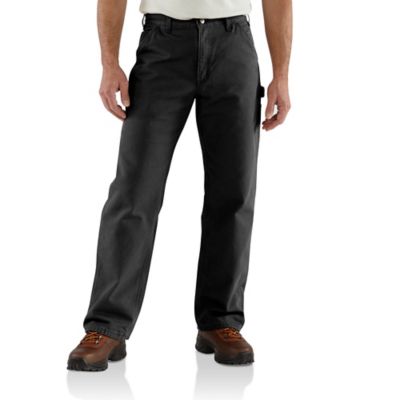
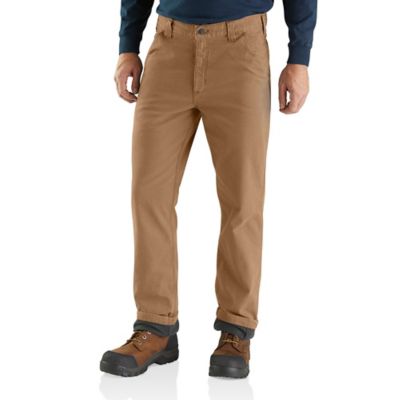
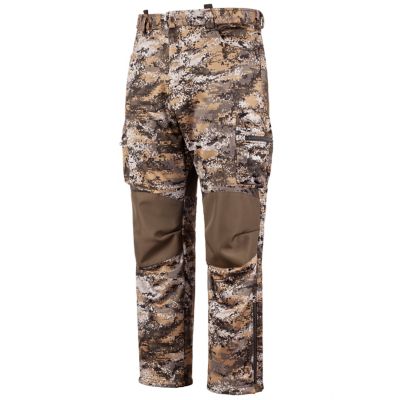
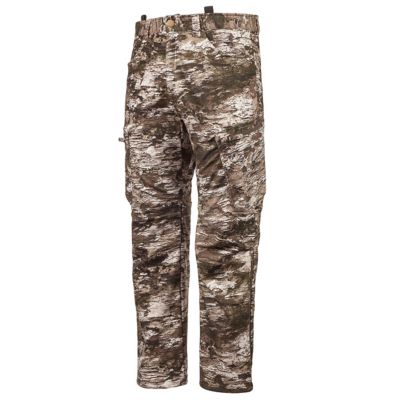
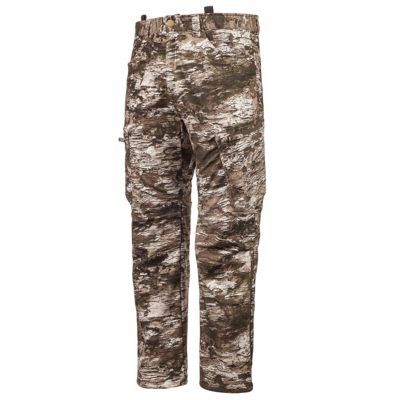
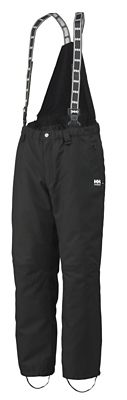
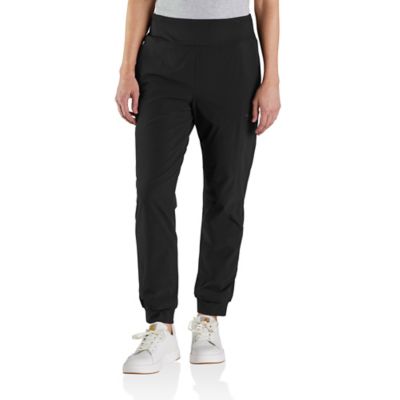
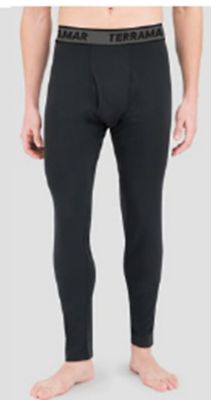
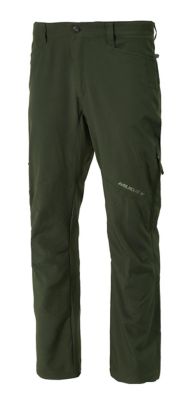
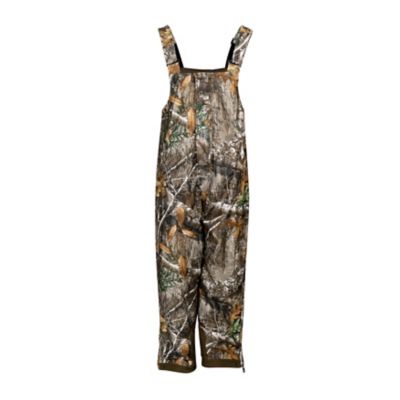
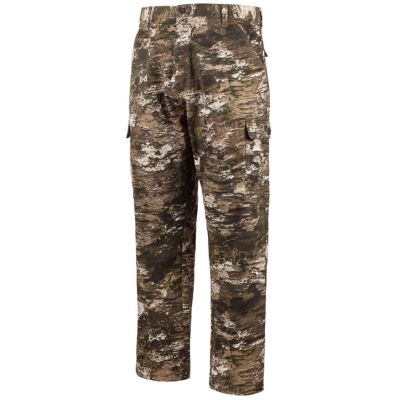
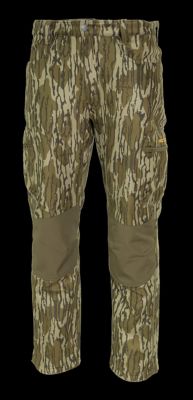
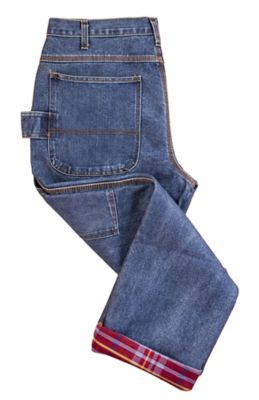
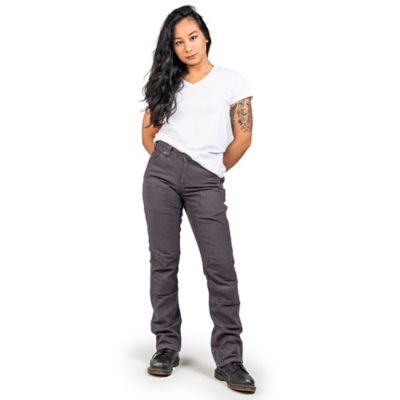
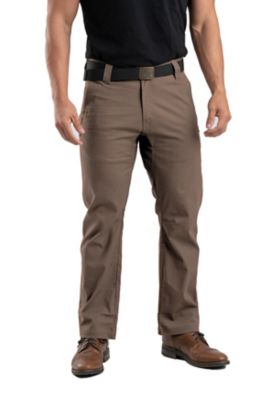
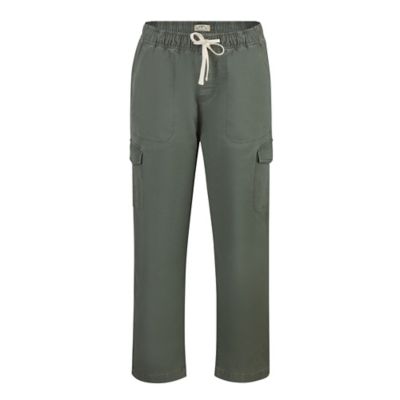
Lined work pants pair a hardwearing outer fabric with an inside layer that adds warmth and a softer feel against the skin. That extra layer makes them a practical choice for cold-weather chores, from feeding livestock before daylight to checking fence lines or unloading supplies beside an open barn door. Unlike unlined work pants, lined styles have insulation built into the garment, so getting dressed for a chilly start can take fewer separate layers. The amount of warmth depends on the lining material, its thickness, the outer fabric and how the pants fit. Flannel-lined work pants typically have a brushed woven lining that feels soft without adding a great deal of volume, making them a comfortable option for work that alternates between the yard and a sheltered shop. Fleece-lined work pants have a lofted knit lining that traps air close to the body; thicker fleece generally offers more insulation, though construction matters as much as the material name. Some synthetic linings help move perspiration away from the skin, but moisture management is a feature to confirm in the garment details rather than assume from the word fleece. Smooth linings can make it easier to pull pants over a base layer, while other constructions include a separate insulating fill. For ranch hands, equipment operators, grounds crews and anyone with a long chore list outside, these differences affect comfort throughout the day. Standing at a gate while cattle move through calls for more warmth than steadily stacking firewood, and pants that feel right for one task may feel too warm for another. Lined work pants belong within the broader range of
warm work pants, with their attached interior layer serving as the main distinction. They add comfort in cold conditions, but lining alone does not make a pair windproof, waterproof or suitable for every kind of exposure. The whole garment, along with the rest of the work outfit, determines how well it suits the job.
The outer fabric does much of the work when pants brush against rough lumber, scrape a stall wall or spend hours against a tractor seat. Cotton canvas and duck have a firm, substantial feel, while twill often offers a balance of structure and ease of movement. Denim-lined constructions bring the familiar feel of work jeans with extra warmth inside. Fabric weight, weave and reinforcement all affect resistance to wear; a heavier shell may handle abrasion well but can also feel stiffer when bending or climbing. Blended fabrics can change drying time and flexibility, and a small amount of stretch can help when stepping onto equipment or crouching to fasten a chain. Reinforced knees, strengthened pocket openings and secure stitching at stress points are worth attention for work that puts repeated strain on the same areas. Fit matters just as much as fabric. A lining takes up space inside the pants, so the waist measurement alone does not tell the whole story. Room through the seat and thighs helps keep the shell and lining from pulling tight when sitting, kneeling or taking a high step. Articulated knees and a gusseted crotch can provide movement without relying on an overly loose cut. A comfortable waistband should stay put under a tool belt without digging in when seated, and the rise should provide coverage while bending over a feed trough or reaching across a workbench. Straight or relaxed leg openings may fit over work boots more easily, but the hem should clear the ground instead of dragging through mud or catching under a heel. Pocket layout also deserves a look: deep front pockets, reinforced back pockets and tool pockets serve different needs, especially when gloves make small openings awkward. Loose fabric and dangling tools can create hazards around moving equipment, so fit and storage choices should follow workplace safety requirements. Ordinary lined pants are not a substitute for clothing specifically rated for flame, electrical or other jobsite hazards.
Daily comfort also depends on what goes under the pants and how much activity the work involves. A thin, moisture-managing base layer can add flexibility for long stretches outdoors, provided the pants have enough room to accommodate it without squeezing the legs. For someone moving between a heated cab and outdoor chores, a lighter lining may be more comfortable than a thick insulating layer that cannot be taken out. Cotton flannel has a familiar, soft feel, but cotton can hold moisture and take longer to dry than many synthetic fabrics. Wet conditions call for attention to the outer shell, too: a water-repellent finish may shed light moisture, while waterproof protection requires a construction intended for that purpose. Kneeling in slush or spending hours in steady rain places different demands on clothing than walking across a frosty pasture. Care plays a big part in how lined work pants hold their fit and feel over time. The shell and lining may respond differently to heat and washing, which makes the garment’s care label the right starting point. Emptying pockets, fastening closures and brushing away loose dirt before laundering can help protect both the pants and the washing machine. High dryer heat can shrink some fabrics or affect stretch fibers and finishes, so the listed drying directions matter. Heavier lined garments may need more drying time than ordinary pants; the waistband, seams and pocket areas should be fully dry before storage. Small tears and loose stitching are easier to address before repeated bending turns them into larger repairs. As a gift, lined work pants make sense for someone who spends plenty of time tending animals, maintaining acreage or working outdoors, especially when their waist size, inseam and preferred fit are known. The most useful pair is one that matches the wearer’s routine: enough insulation for time spent standing, enough room for active chores and a shell suited to the surfaces encountered along the way. That balance makes lined work pants a practical part of a cold-weather work outfit, from the first trip to the barn through the last check of the gates.