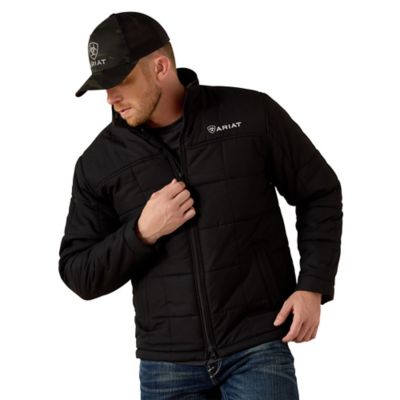
Warm Outerwear
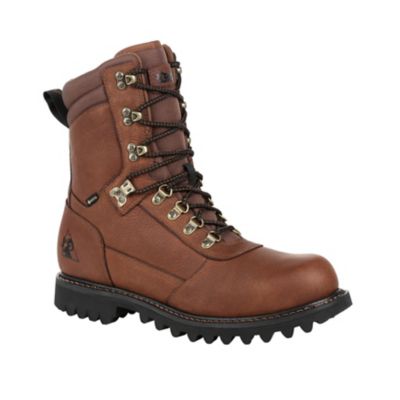
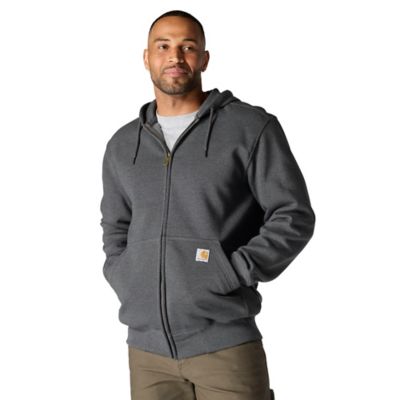
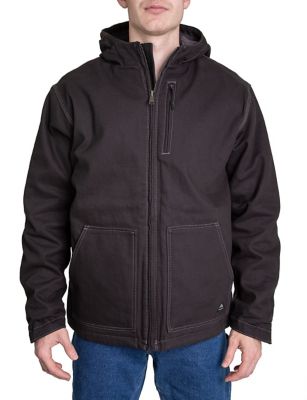
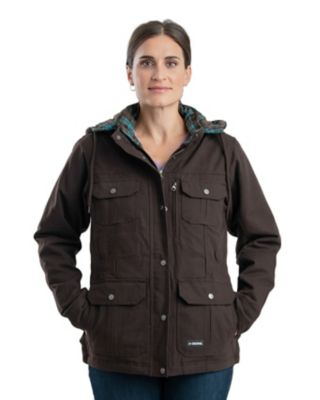
Shop warm outerwear for cold-weather work, chores, and everyday wear, with a selection of coats, jackets, vests, and other layers to help you stay comfortable when temperatures drop. Compare styles, fits, and features to find the right cold-weather clothing for your routine.
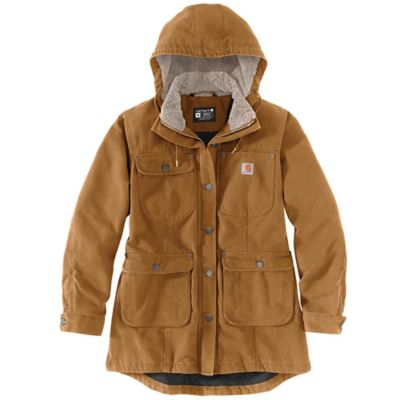
$69
.99
Sale Was $99.99 Save $30.00 (30%)
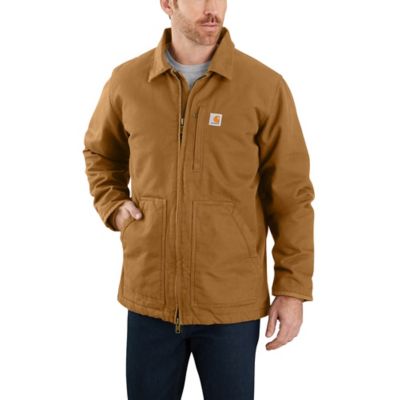
$69
.99
Sale Was $99.99 Save $30.00 (30%)
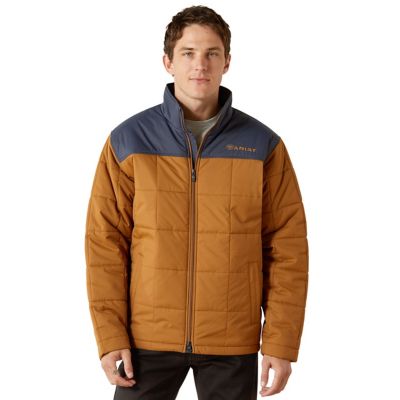
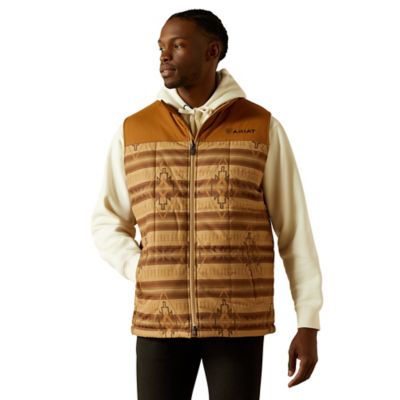
$87
.49
Sale Was $124.99 Save $37.50 (30%)
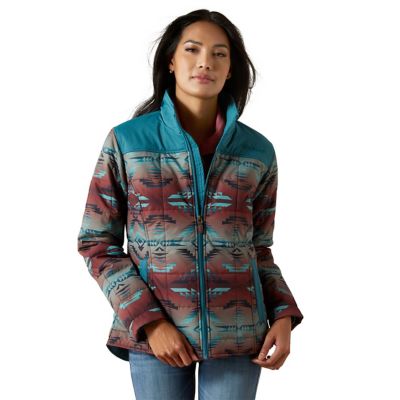
$76
.99
Sale Was $109.99 Save $33.00 (30%)
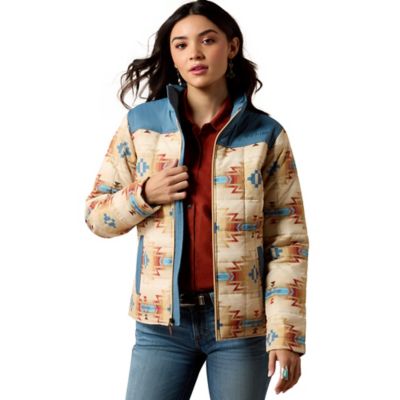
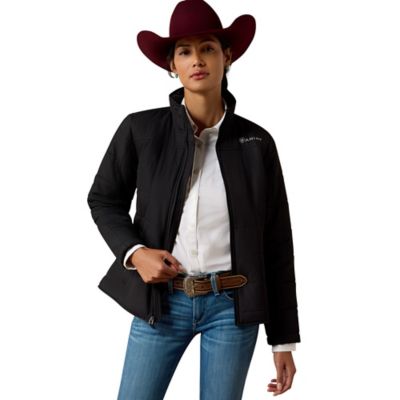
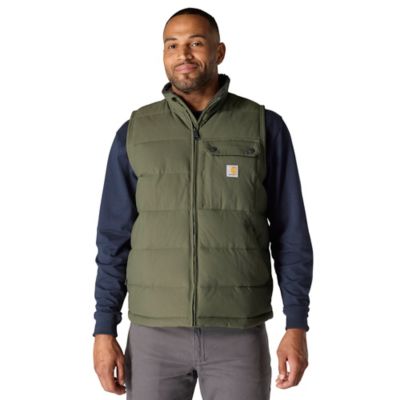
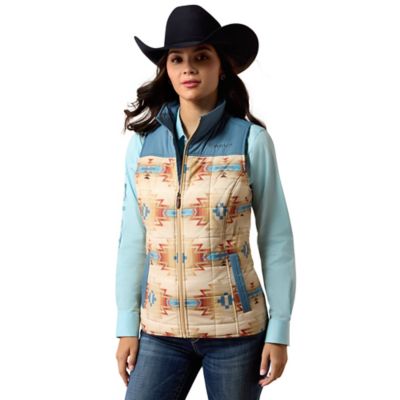
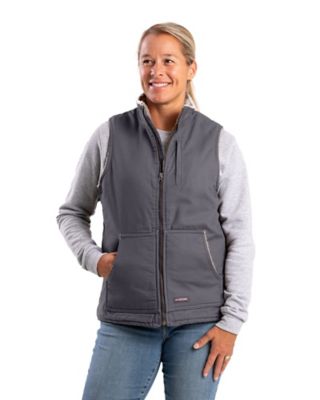
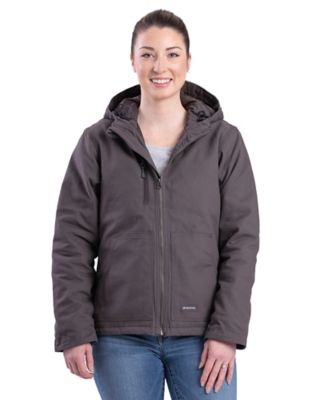
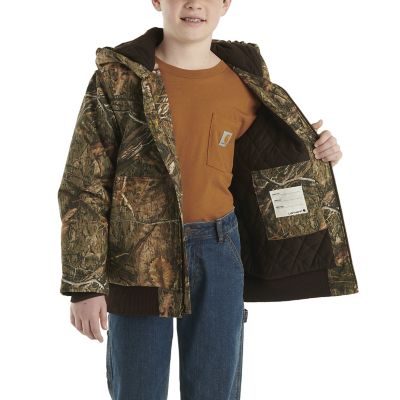
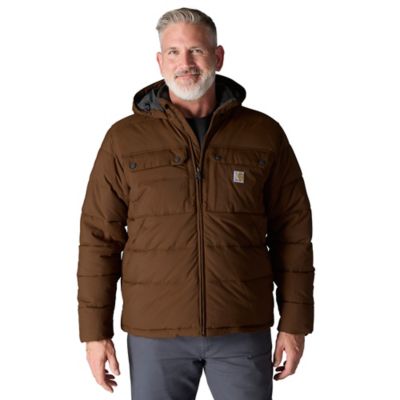
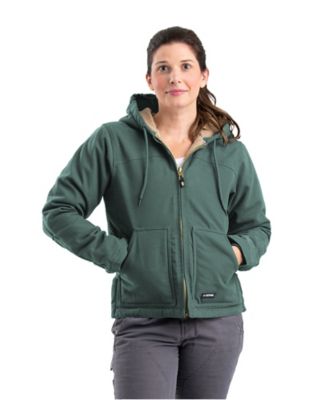
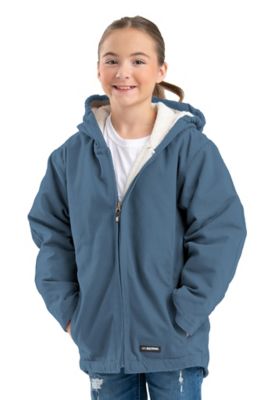
$29
.99
Sale Was $59.99 Save $30.00 (50%)
Best Of FAQ
What types of warm outerwear are available?
Warm outerwear includes insulated jackets, parkas, winter coats, vests, coveralls, fleece layers, and quilted work jackets. Each style offers a different mix of coverage, warmth, and ease of movement.
What materials are commonly found in warm outerwear?
Common materials include fleece, wool, canvas, denim, nylon, polyester, and quilted or insulated fabrics. Many coats pair a sturdy outer shell with a soft lining or insulating fill.
What features should I look for in warm outerwear?
Look for features that fit your routine, such as a roomy hood, adjustable cuffs, deep pockets, full-length zippers, storm flaps, and rugged outer fabrics. For chores and outdoor work, flexible designs and reinforced areas can be handy.
How should warm outerwear be layered?
Start with a comfortable base layer, add a sweater or fleece when needed, and finish with a coat, jacket, or vest. Layering lets you adjust as the day warms up or cools down.
How do I care for warm outerwear?
Check the care label before washing, then follow the recommended cycle and water temperature. Close zippers and fasteners, skip harsh cleaners unless directed, and dry the garment as instructed to help maintain its shape and finish.
Best Sellers
-
"waterproofing...as they break in they get more and more comfortable and love the wide sizes great fit"
-
"Love this hoodie been wearing it for about 4years, I wear it at work as a welder and has held up great"
-
"Plenty of pockets and the sleves work great when wearing gloves. Great in the wind"
-
"This is the best purchase I have ever made! Fits very well! Very warm! Love this jacket"
-
"Excellentlove it. Great fit, great quality and comfort"