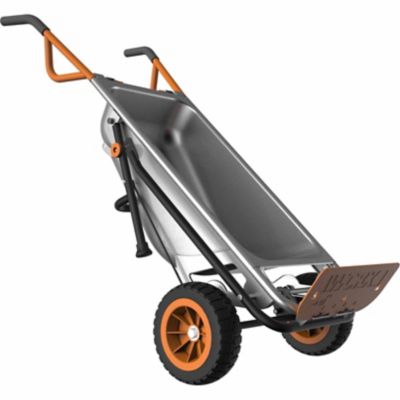
Warehouse management tools support the day-to-day movement of goods through a work area, from receiving and put-away to picking, packing, shipping and returns. A warehouse management system, often shortened to WMS, is software that coordinates those activities and records where goods move. Physical warehouse equipment handles the other side of the job: moving loads, organizing storage spaces, identifying locations and giving crews a practical place to work. Both serve the same purpose of helping people get the right load to the right place with less backtracking. For a farm operation, repair shop, distribution building or small shipping business, that might mean a clear receiving area, storage positions that are easy to recognize and a packing station that keeps everyday supplies within reach. The best arrangement follows the work rather than forcing the crew to work around it. A shipment arriving at one end of a building should have a sensible path to its next stop, without crossing a busy packing area or blocking an exit. Equipment that works well in an open receiving bay may be awkward between narrow rows of shelves, so the building’s layout matters just as much as the task. Doorways, thresholds, floor surfaces and turning space all affect how easily a load travels. Clear location labels also help a new employee or an extra pair of hands find the right spot without stopping someone else’s work. Where software is part of the operation, readable identification and consistent location names help connect screen-based instructions with the actual workspace. Warehouse management tools are most useful when they fit that whole routine, whether one person handles several duties or separate crews manage receiving, order preparation and dispatch. A well-planned setup leaves room for checking incoming goods, separating returns and staging outgoing loads without mixing those jobs together. That organization makes a difference when several deliveries arrive close together or a large order needs room before it heads out the door.
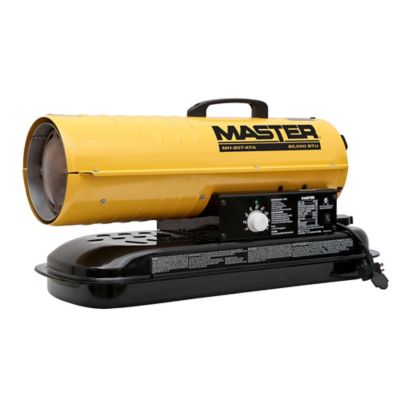
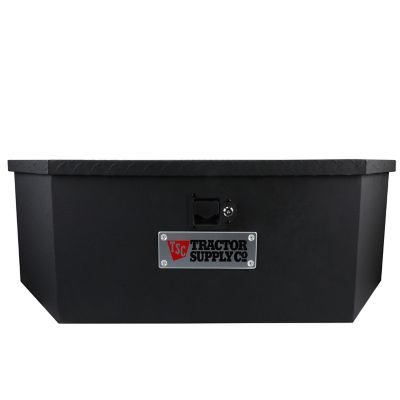
Materials, dimensions and load ratings help determine how warehouse equipment fits the job. Steel construction often suits equipment that carries substantial weight or sees frequent contact with loads, while aluminum can be easier to reposition when lower equipment weight matters. Rigid plastic components may offer smooth, wipe-clean surfaces, though their suitability still depends on the stated capacity and intended application. Finishes deserve a look, too: coated surfaces, exposed edges and welded joints each have different care needs, especially around wash areas or spilled liquids. A load rating is not a guess about what equipment might hold. It applies under the manufacturer’s stated conditions, and capacity can differ between an individual shelf, a complete structure and equipment in motion. The weight of a load is only part of the picture; its size, balance and placement matter as well. A tall carton can affect visibility, and an off-center load can change how handling equipment steers. Wheel diameter, tread material and caster arrangement influence rolling effort, noise and control. A smooth concrete aisle presents a different challenge from a rough threshold, and a tight corner calls for different maneuverability than a straight run across a receiving floor. Brakes and other control features should match the equipment’s intended use, with enough room for the operator to stop and turn without squeezing past neighboring work areas. Fit also includes the person doing the work. Handle height, grip clearance and work-surface height can make repeated tasks more comfortable, particularly when several crew members share a station. Frequent bending, long reaches and carrying loads farther than necessary are signs that the arrangement deserves another look. Equipment dimensions should account for the load and the operator, not just the empty footprint. For fixed storage fixtures, anchoring requirements, floor conditions and access clearance are important considerations. Any powered equipment also brings requirements for training, charging or fueling, inspections and operation. Those details help distinguish equipment suited to occasional shop work from equipment intended for repeated handling throughout a full workday.
Everyday care helps warehouse management tools stay ready for the next job. Dust, loose packing material and debris can collect around wheels, joints and working surfaces, making movement harder and hiding signs of wear. Cleaning methods should suit the material and finish, with manufacturer directions guiding lubrication, adjustments and replacement parts. A wobbling wheel, bent support, loose fastener or brake that no longer holds deserves attention before another load goes on. Equipment with damage should stay out of service until it has been checked and addressed according to its instructions. Labels need care as well. A location marker covered by tape residue or worn beyond recognition can send someone down the wrong aisle, even when the rest of the setup is in good shape. Consistent lettering, sensible placement and clear separation between receiving, storage and dispatch areas make identification easier for the whole crew. Where barcode scanning supports the workflow, label size, surface condition and compatibility with the scanning system affect readability. At the packing station, enough clear surface area helps keep paperwork, packaging and the order itself from getting tangled together. Related
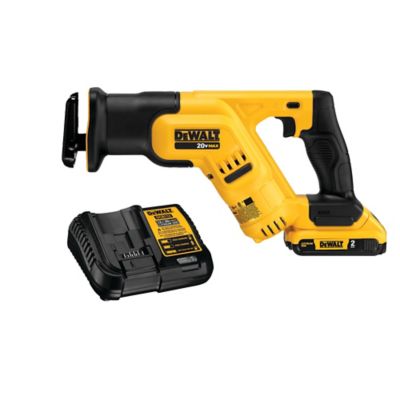
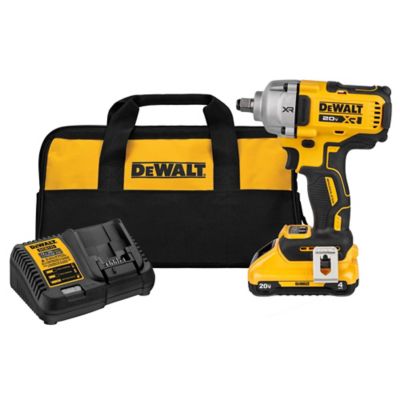
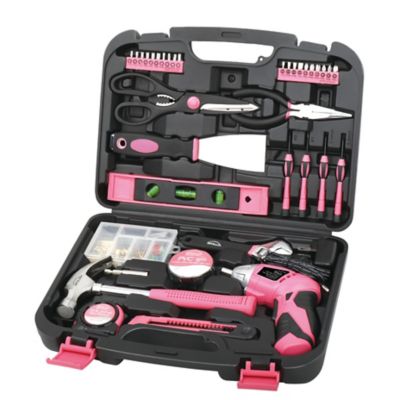
Work Tools can support assembly, adjustments and routine upkeep around those stations, with the task and equipment instructions determining what belongs nearby. The same practical thinking applies to shared work areas: frequently handled supplies within comfortable reach, heavier loads positioned to limit unnecessary lifting and walkways kept clear for people and equipment. A receiving crew needs space to inspect a delivery before sending it onward, while someone preparing an order needs a stable work surface and an uncluttered route to dispatch. Returned goods benefit from a separate, clearly identified area while their next step is decided. These are everyday details, but they shape how the entire building works. Warehouse equipment earns its place by fitting the loads, the available space and the people handling the job, with straightforward care and clear operating limits that remain manageable through repeated work.