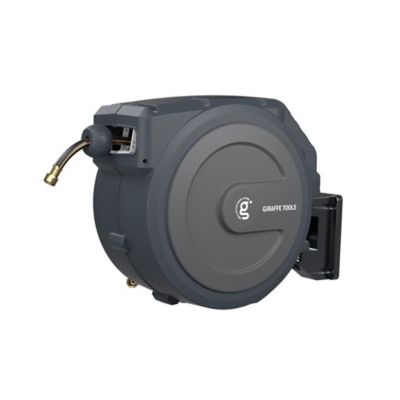
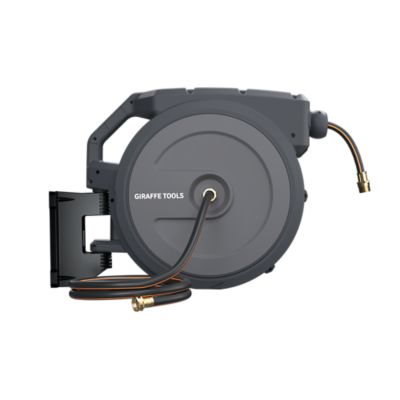
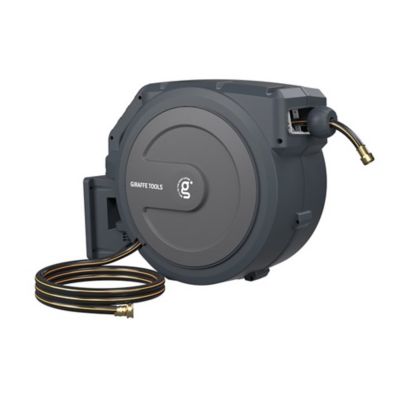
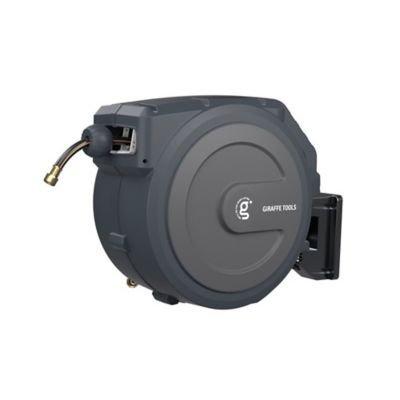
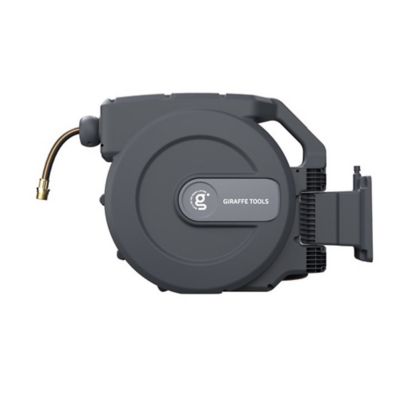
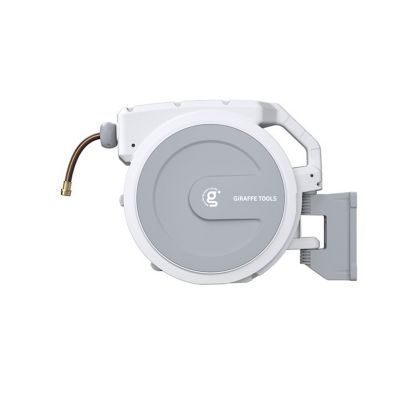
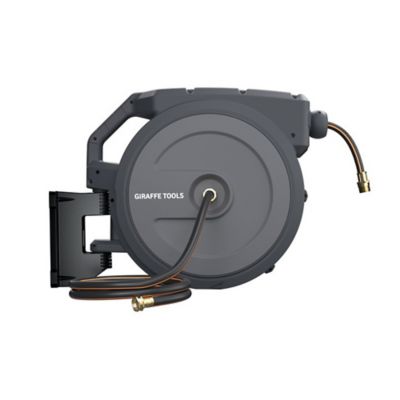
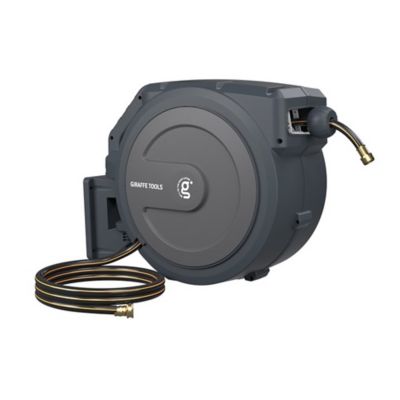
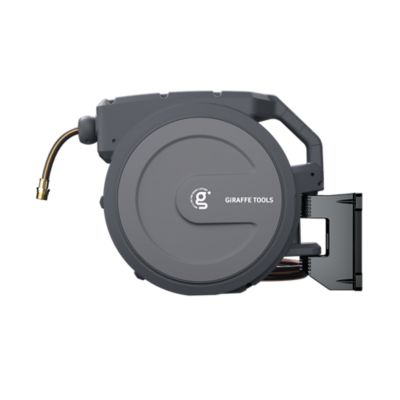
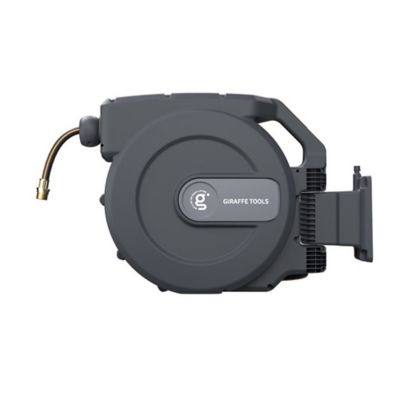
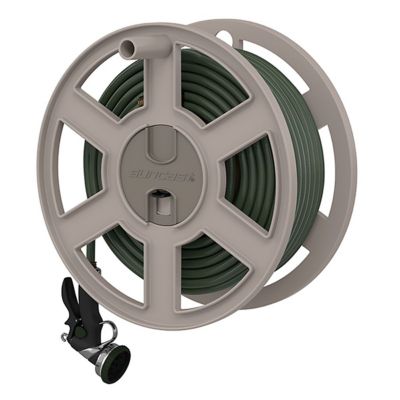
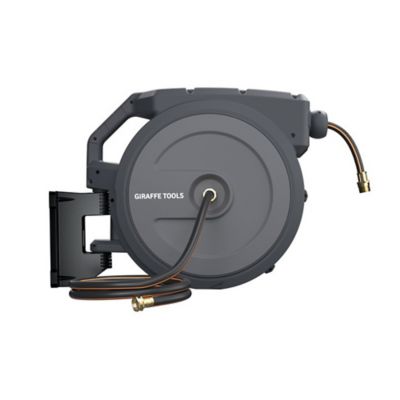
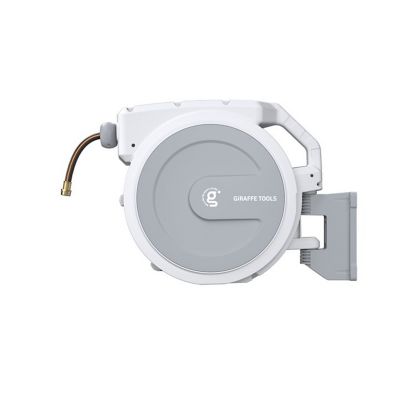
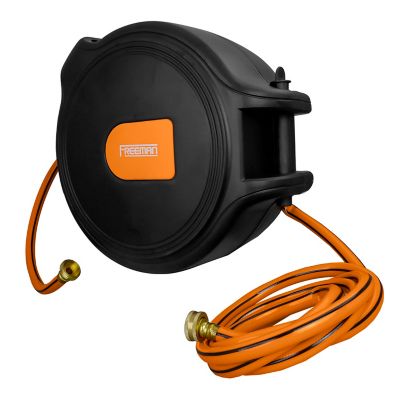
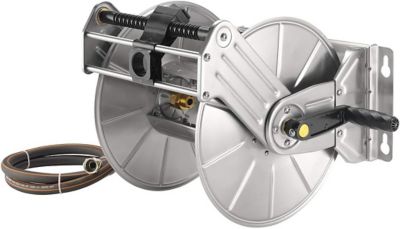
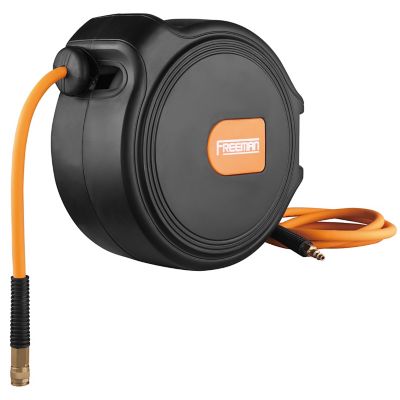
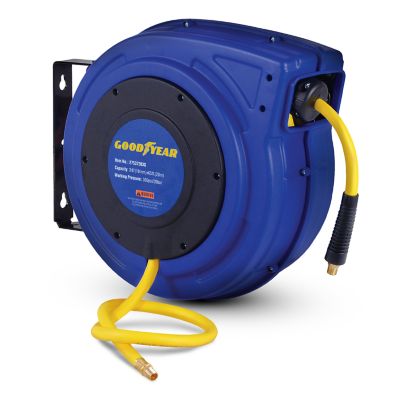
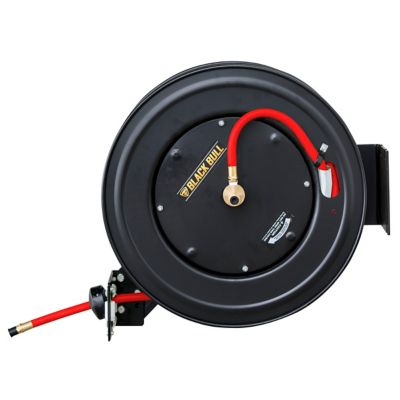
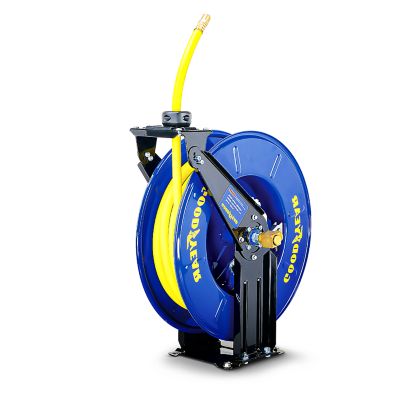
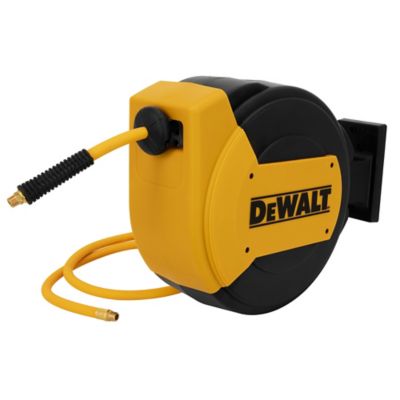
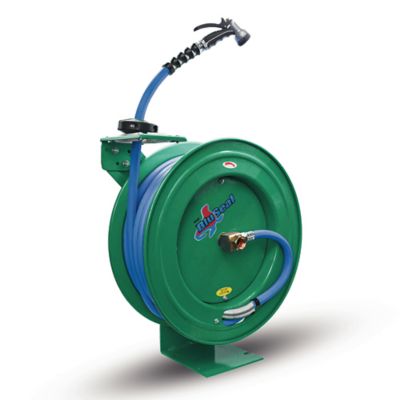
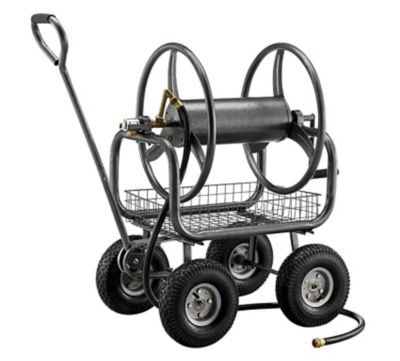
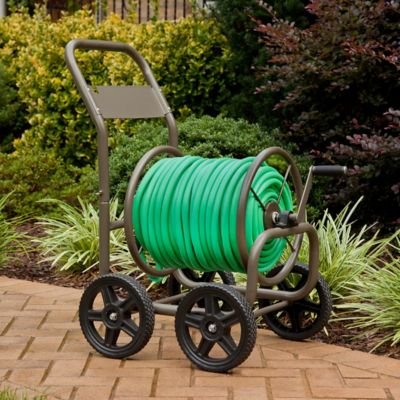
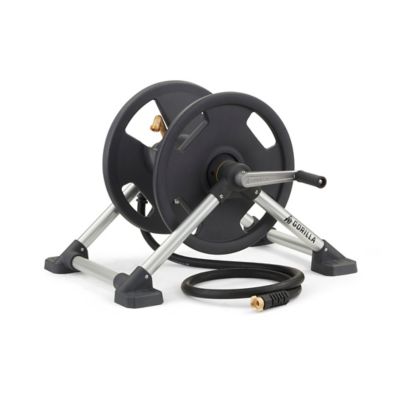
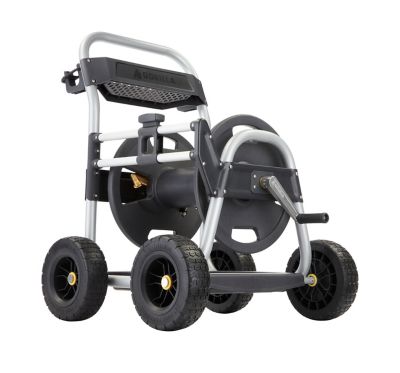
Wall-mounted retractable hose reels keep a garden hose close to the faucet and wind it back into a housing when the rewind mechanism is engaged. Instead of gathering loose loops by hand, you pull out the length needed for watering or rinsing, then guide the hose back into the reel when the job is done. That keeps more hose off the ground and helps cut down on tangles around walkways, planting beds, and work areas. Around a busy property, that can mean less hose lying across the path between the back door and the garden, or fewer coils to move before opening a shed. These reels suit everyday chores such as watering vegetables, reaching hanging baskets, rinsing muddy tools, and washing dirt from a wheelbarrow. Hose length makes a real difference in how comfortably those jobs get done. The distance from the faucet to the farthest watering spot is only part of the picture; the route around a porch, fence corner, or raised bed matters, too. A hose stretched tight across a corner puts strain on connections and can catch on rough edges. A little working room makes it easier to move around plants without dragging the line through them. Longer hose is not automatically a better fit, though, especially when a small patio or compact garden is the main watering area. Hose diameter also affects water flow, while the faucet supply, total hose length, and attached nozzle all influence performance at the far end. Connection size and thread compatibility deserve a look alongside reach. A reel may include a watering hose and a shorter inlet hose that connects the housing to the faucet, so both lengths count when planning its placement. For gardeners, homeowners, and folks keeping up with chores around a barn or outbuilding, a well-positioned reel turns hose storage into part of the job rather than another task waiting afterward.
The housing, mounting bracket, hose, and rewind mechanism all contribute to how a wall-mounted retractable hose reel handles daily work. Molded resin housings can keep weight manageable and cover the coiled hose, while metal brackets and mounting hardware carry the load at the wall. Material names alone do not tell the whole story: bracket design, fastener fit, corrosion resistance, and the strength of the mounting surface all matter. A reel holding a water-filled hose places more demand on its mounting points than an empty housing does. Solid framing or suitable masonry provides a different attachment surface than thin siding, and the fasteners need to match the structure and the manufacturer's requirements. Placement also affects how the reel feels in use. A swivel bracket lets the housing follow the direction of the hose pull, helping the line feed toward different parts of the yard without rubbing hard against the outlet. Clearance beside a door, gate, or walkway keeps the housing from becoming an obstacle. Mounting height should allow comfortable access to the hose end while leaving room for the reel to pivot as intended. Inside the housing, a spring-driven mechanism commonly supplies the winding force, while a locking system holds the hose at a working length. Release methods vary, and controlled-rewind features can help keep the returning hose from racing toward the wall. Even with those features, the hose benefits from a steady, guided return rather than being let go with a nozzle attached. A hose guide or layering mechanism can help distribute the line across the drum, reducing bunching inside the case. Flexible hose construction, reinforced walls, secure couplings, and replaceable seals are other details worth considering for frequent watering. Where service access or replacement parts are supported by the reel's design, small maintenance needs may be easier to address without replacing the entire assembly. Together, these details shape how smoothly the reel pulls out, holds its position, and packs away.
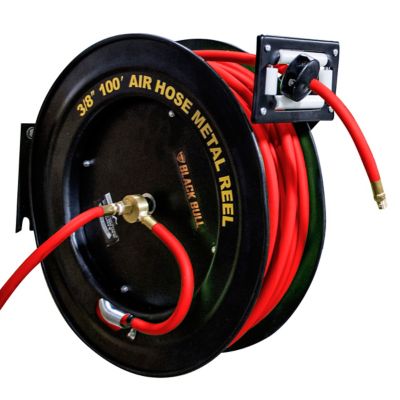
Everyday care helps a retractable garden hose reel stay ready for the next round of chores. Dirt and grit can travel back toward the housing on a hose dragged across bare ground, so wiping off heavy mud before retraction helps keep debris away from the guide and winding area. Pulling the hose along a clear route also limits scraping against brick corners, sharp edging, and rough concrete. The hose should feed back without a tight knot, a trapped nozzle, or a loop caught beneath a cart wheel. Turning off the faucet and relieving pressure after watering takes strain off the hose and connections during storage, in keeping with the manufacturer's directions. Occasional checks around the inlet connection, hose coupling, and housing can reveal a drip before it leaves a puddle beneath the reel. A worn washer may be the source of a leak, while a damaged hose or internal connection can call for different attention. Nozzles and watering attachments should match the hose fittings and the work at hand, whether that means a gentle spray over seedlings or a stronger rinse for a shovel. Watering equipment should not be assumed suitable for drinking water; potable-water tasks require a hose and components specifically rated for that purpose. A garden-water reel also belongs on a water supply, not a compressor. For compressor-powered work in the shop or garage,
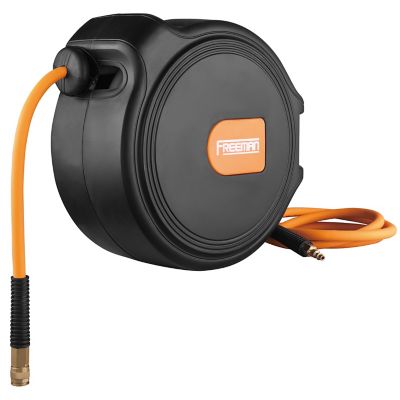
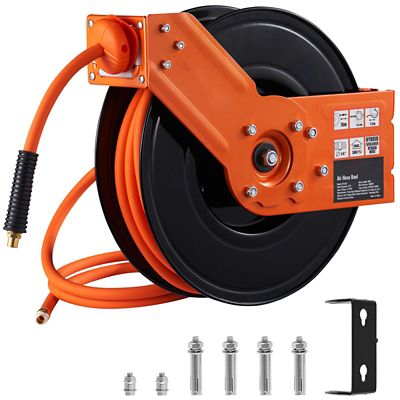
Retractable Air Hoses serve a separate purpose, with hose and fittings designed for compressed air. Keeping those systems distinct makes sense on properties where garden care and equipment maintenance happen side by side. A wall-mounted watering reel can also make a practical gift for a gardener or someone settling into a home with an outdoor faucet, provided the mounting space and hose reach fit the property. From a few porch planters to a sizable vegetable patch, the appeal is straightforward: water where it is needed, a clear path underfoot, and a hose that has a place when the work is finished.