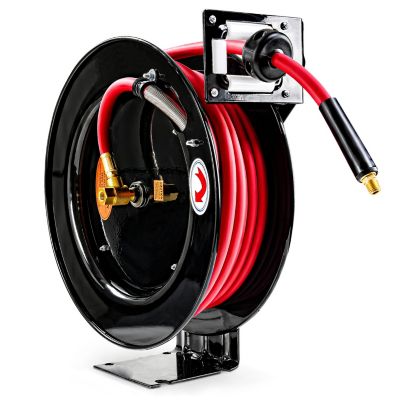
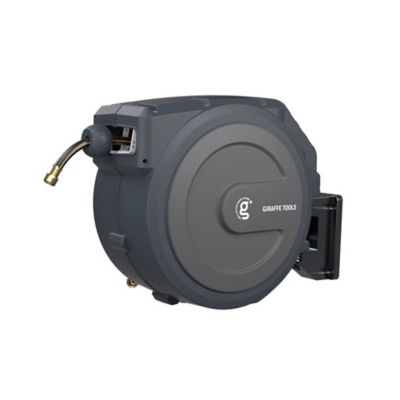
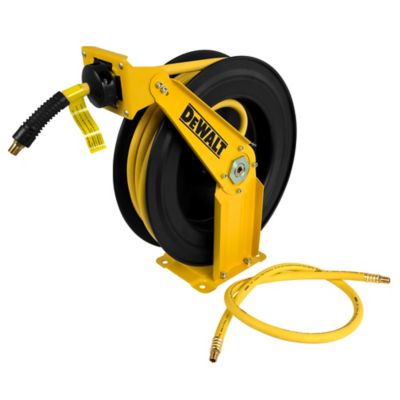
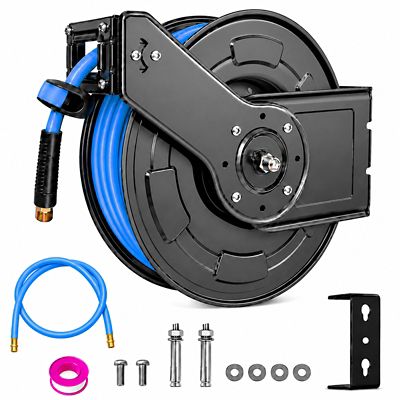
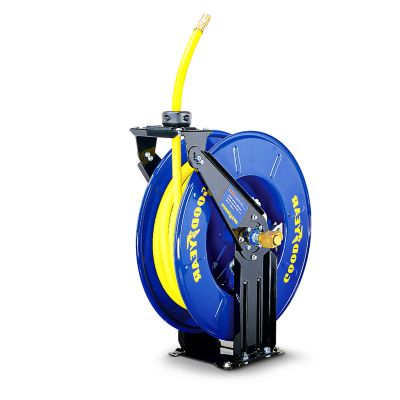
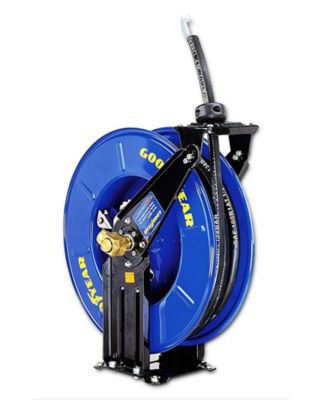
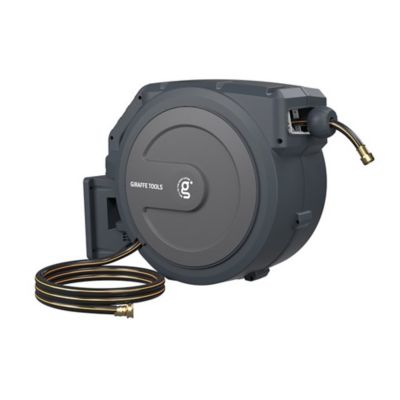
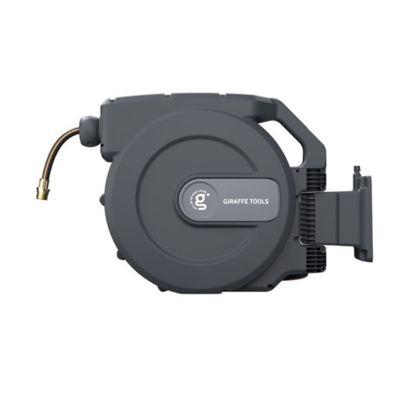
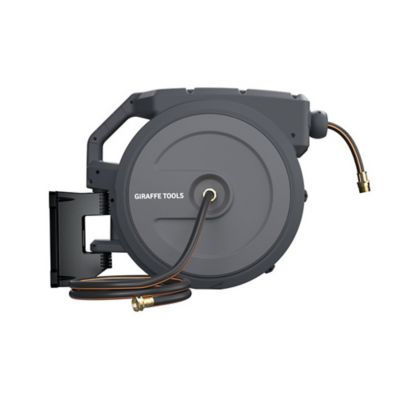
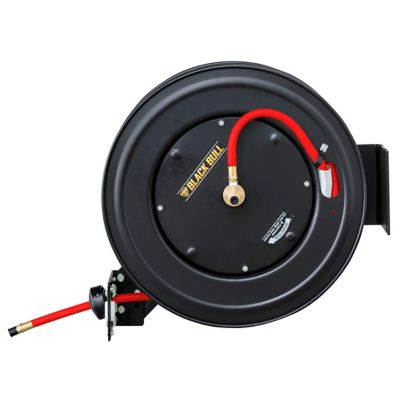
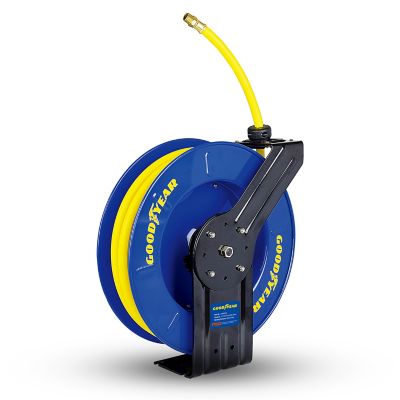
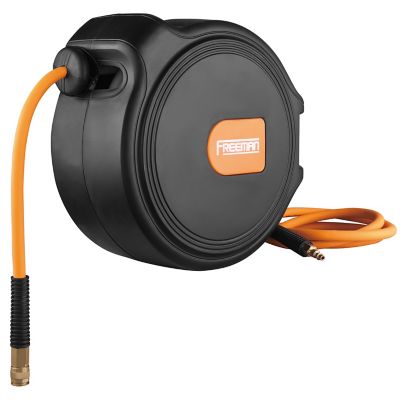
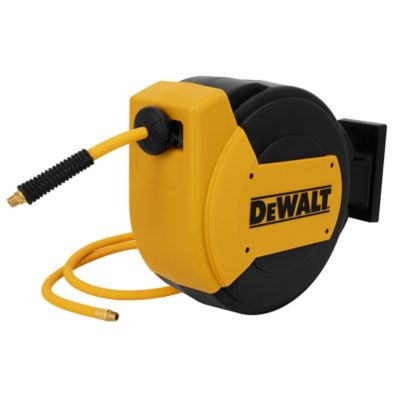
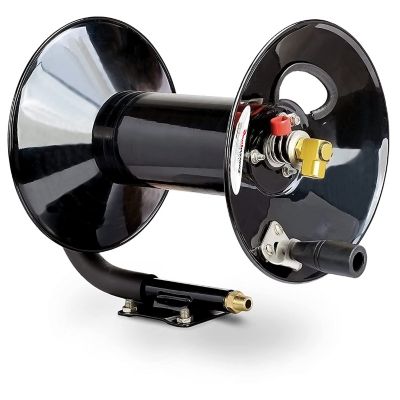
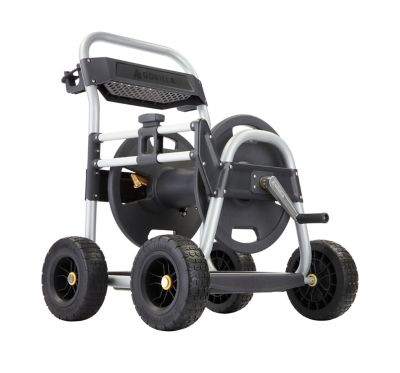
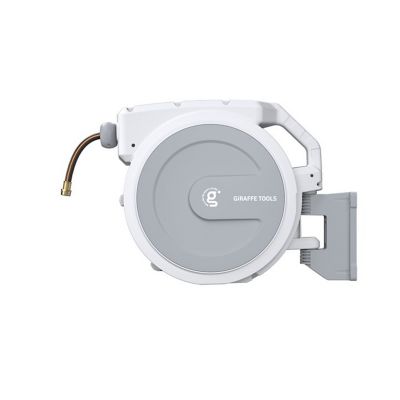
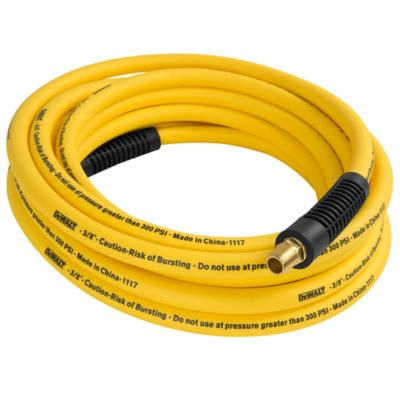
Retractable air hoses keep compressed air within reach without leaving a loose coil stretched across the shop floor. A hose feeds from a reel when you need it, then winds back into place when the job is done. On spring-driven models, a latching mechanism holds the hose at set stopping points, while the spring provides the rewind action. That setup suits the everyday rhythm of a farm shop or home garage: airing up a wagon tire, running a pneumatic ratchet beside a pickup, or connecting a nailer at the workbench. Afterward, there’s less hose to gather by hand and less clutter around your feet. For folks who move between equipment maintenance, woodworking and small repairs, a retractable air hose reel gives the air line a regular parking spot. The reel doesn’t increase compressor output, but it can make the air supply easier to reach and put away. Hose length, inside diameter, working pressure and mounting style are the main purchase considerations, followed by hose material and the way the reel locks and rewinds. A 3/8-inch inside diameter and a 50-foot hose are common configurations, though the right combination depends on the tools and workspace. Shorter hoses can fit a compact garage nicely, while longer runs may reach another service bay or a piece of equipment parked just outside the door. Picture a mower pulled alongside the bench with a tractor waiting behind it; reach matters, but so does keeping the line clear of tires, sharp edges and hot exhaust parts. Farmers, mechanics, woodworkers and homeowners with air-powered tools can all find a place for this equipment. A reel can also make a practical gift for someone setting up a shop, provided its hose size, fittings and mounting arrangement match the compressor and space they already have.
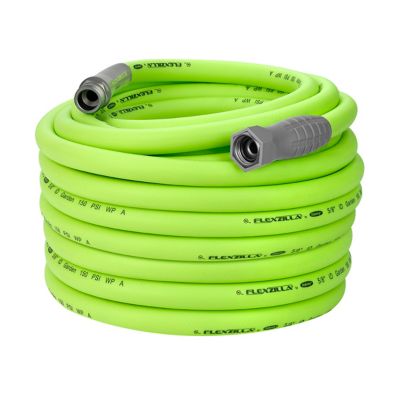
Matching a retractable compressor hose to the work takes more than choosing the longest line available. Extra length adds reach, but it also contributes to pressure loss as air moves through the hose, especially with high-demand tools. Inside diameter matters for the same reason: a larger passage generally supports more airflow with less restriction, while a smaller hose may be lighter and easier to handle for modest air needs. Tire inflation and intermittent fastening place different demands on an air system than a sander or grinder running for longer stretches. Tool airflow requirements, commonly listed in cubic feet per minute, need to fit the compressor’s delivered air output as well as the hose and fittings. The working-pressure rating of every component must suit the system’s operating pressure; a burst-pressure figure is not an operating limit. Connection details deserve a close look, too. Thread size, hose diameter and quick-connect plug profile describe different things, so matching one measurement doesn’t guarantee that everything will connect. Couplers with restrictive internal passages can also limit airflow. A lead-in hose connects the reel to the compressor or shop air piping, but its inclusion and length vary by model. Allowing enough room for that connection helps keep tension off the inlet fitting. Hose material affects handling just as much as these measurements affect performance. Rubber generally offers flexibility and abrasion resistance, though it can feel heavier when pulled across a broad work area. PVC is often lighter, but some formulations become noticeably stiffer in cold conditions. Hybrid polymer hoses aim to balance manageable weight with flexibility, with actual temperature limits and resistance to oil, abrasion and kinking varying by product. During the cooler months, a hose that stays flexible at the shop’s usual temperature can be easier to pull around a tire or bring back onto the reel. Manufacturer temperature ratings are a better basis for comparison than broad all-weather claims, particularly in an unheated outbuilding.
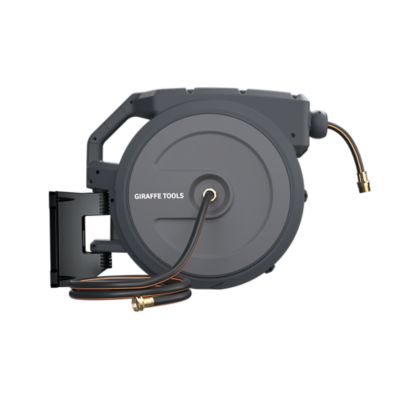
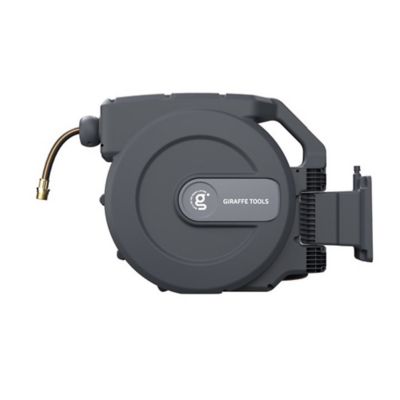
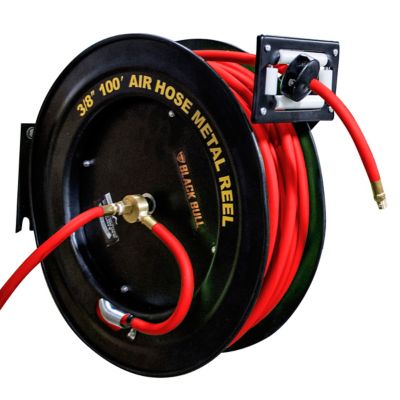
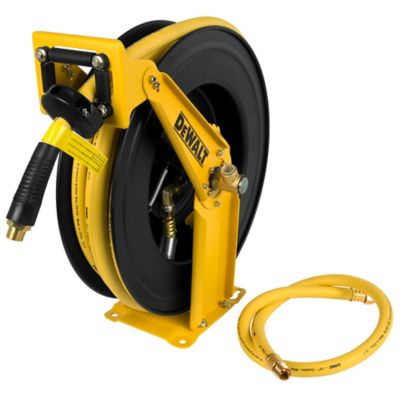
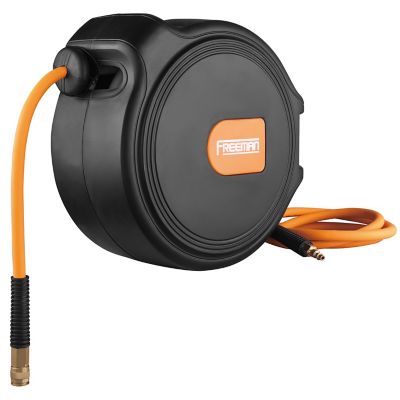
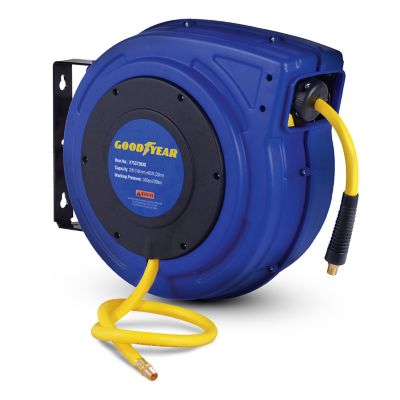
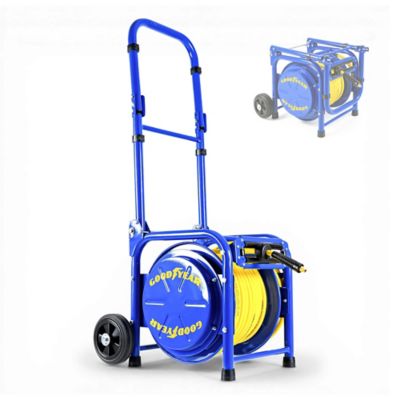
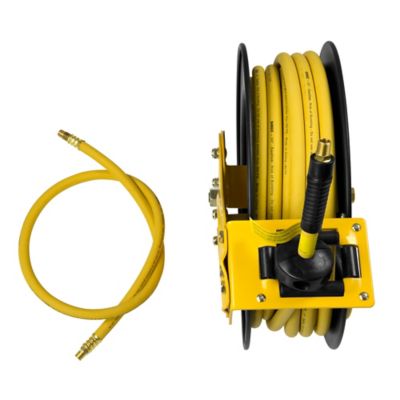
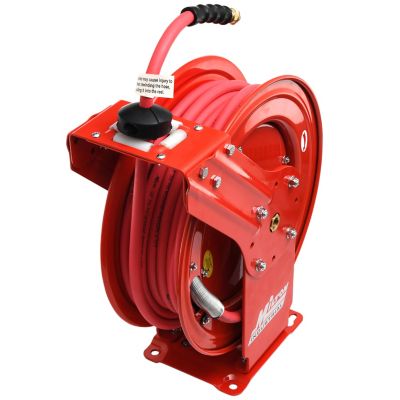
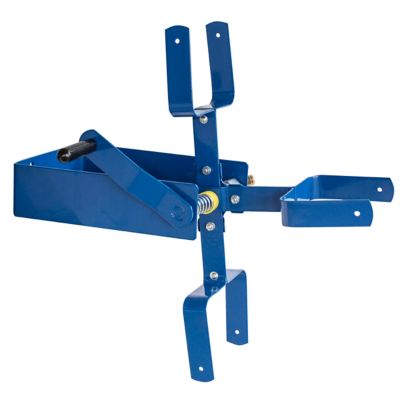
The reel itself shapes how a retractable air hose fits into the workday. An open-frame reel leaves the hose visible for inspection and can offer straightforward access for service. An enclosed housing helps shield the winding assembly from everyday shop dirt, although it doesn’t make the equipment weatherproof. Steel frames and polymer housings differ in weight, upkeep and suitability for the mounting location, so construction is worth weighing alongside hose specifications. Wall, ceiling and floor mounting are available across the category, but not every reel supports every position. A swivel bracket can help the hose follow your direction of travel instead of pulling sideways against a fixed guide; its range of motion and clearance requirements depend on the design. Solid mounting support matters because pulling out a hose puts force on both the bracket and its fasteners. Above a workbench, there needs to be room for the hose stop and hanging end without putting them in someone’s path. Near a garage door, the line should reach the work area without interfering with the door tracks or getting pinched beneath the door. Retraction features are another useful point of comparison. Some reels offer controlled rewind to slow the return, while others need more hands-on attention to keep the hose from snapping back. Either way, guiding the hose home rather than letting it fly helps protect the fittings, reel and anyone nearby. An adjustable hose stop, where provided, lets you set how much hose remains outside the guide for the next job. Serviceable swivels, replaceable hoses and access to replacement parts may matter to anyone expecting frequent shop use. For a different storage arrangement,
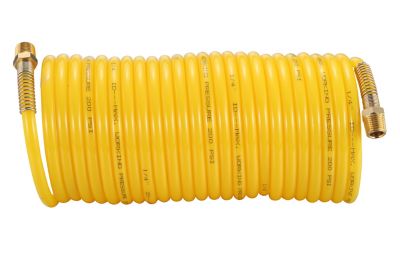
Recoil Air Hoses have a springlike shape that draws the hose back together without a winding reel. Retractable reel systems make particular sense when a fixed air station serves several nearby tasks. With the reach, airflow capacity and mounting position matched to the space, the hose can come out for an equipment check or repair and return to its place before the next machine rolls into the shop.