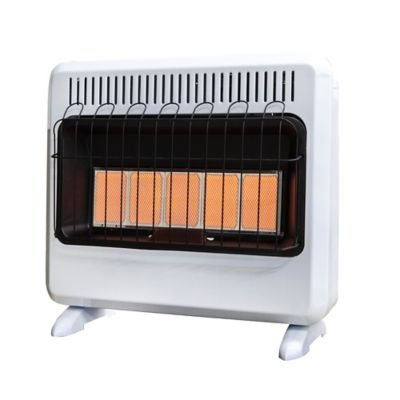
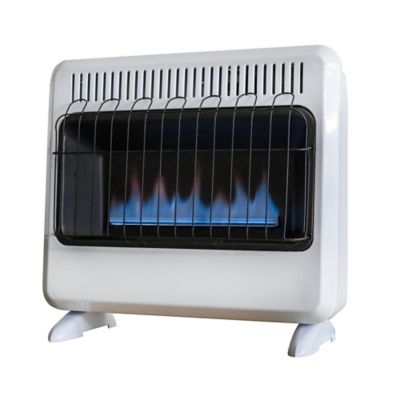
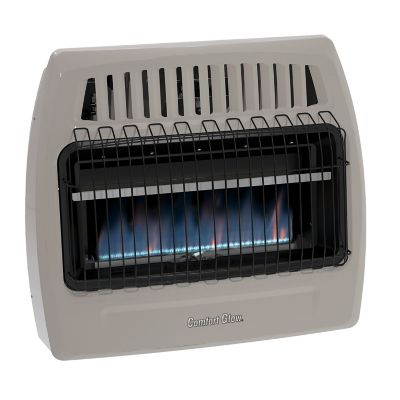
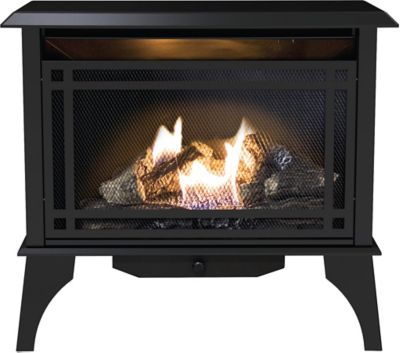
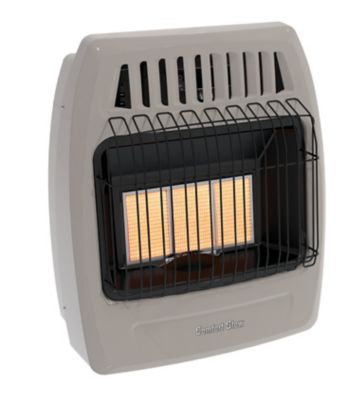
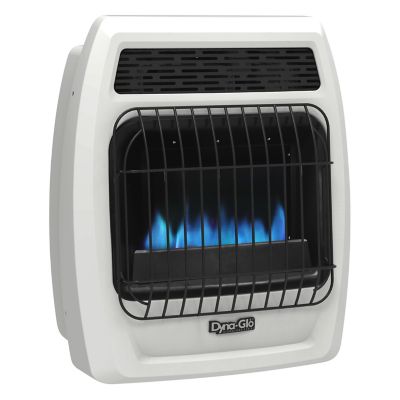
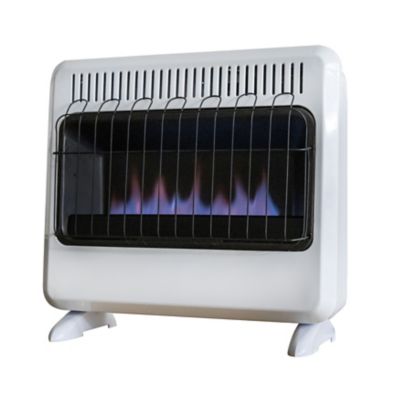
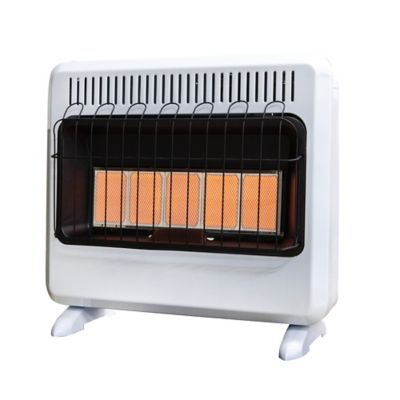
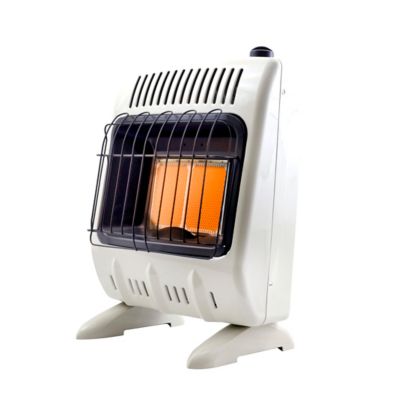
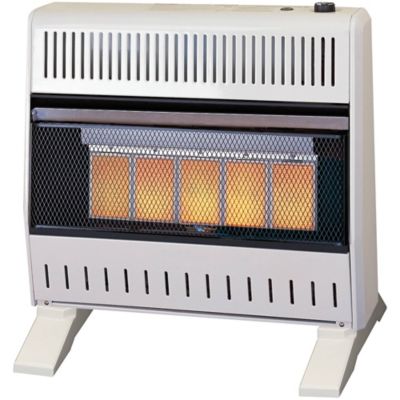
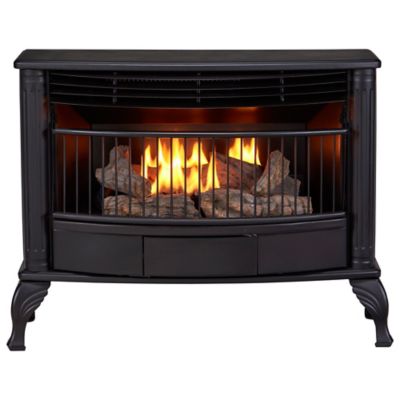
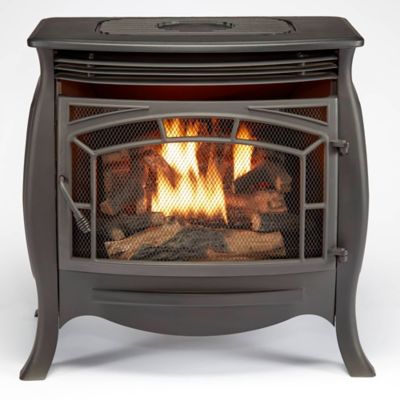
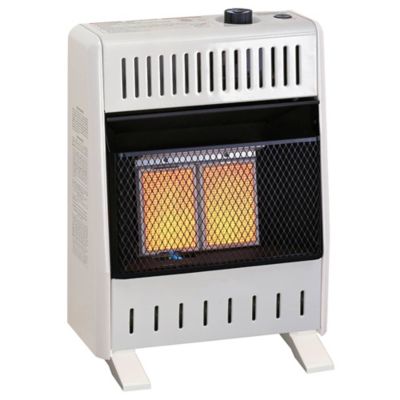
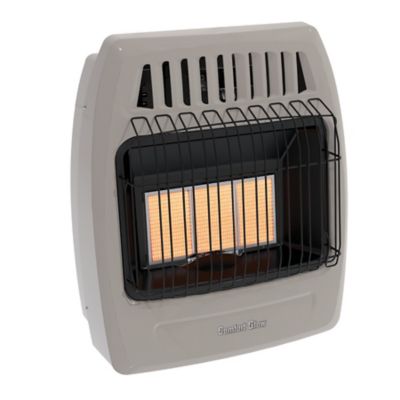
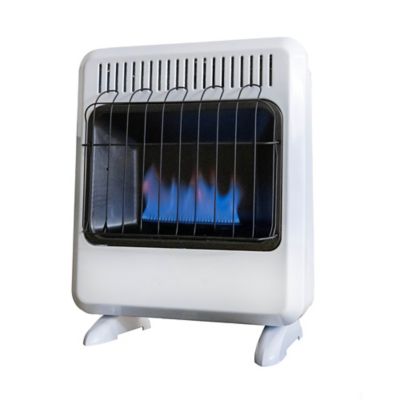
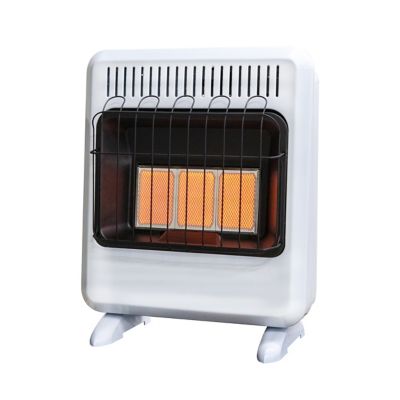
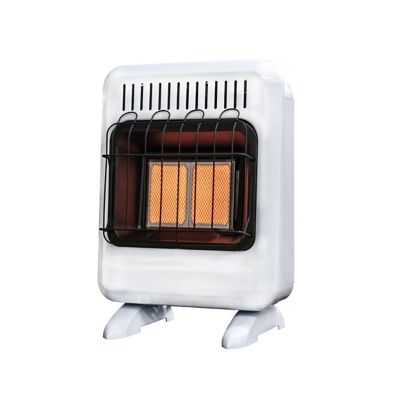
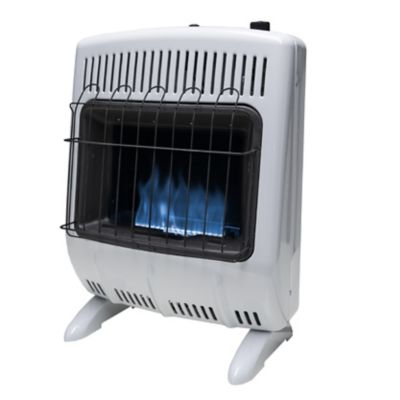
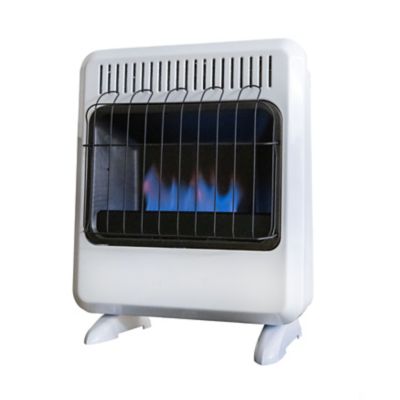
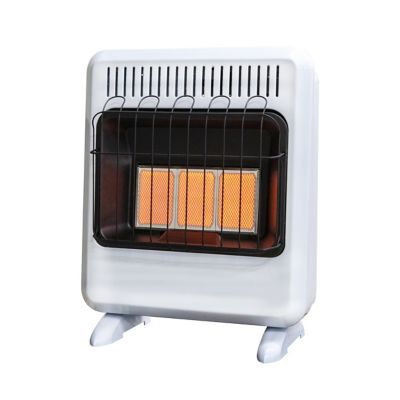
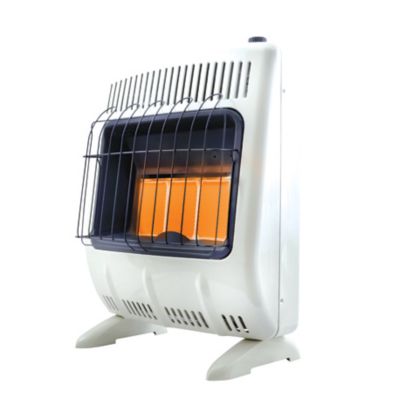
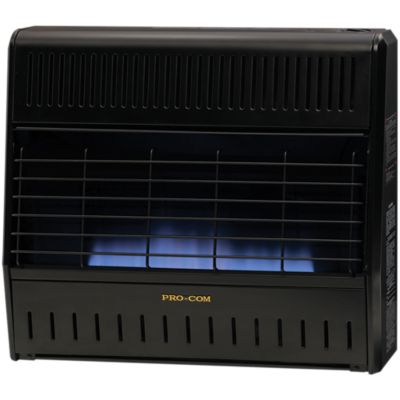
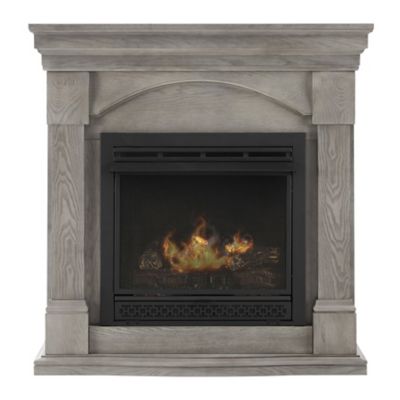
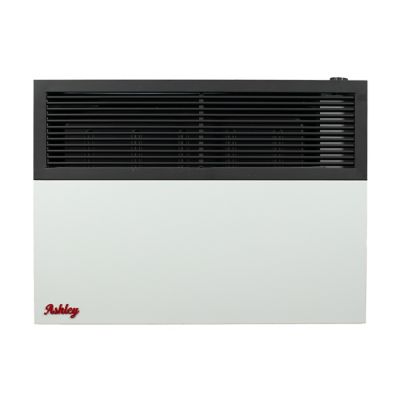
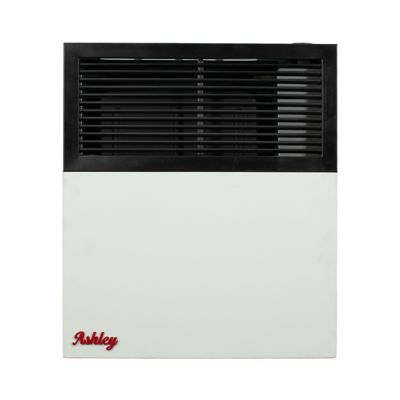
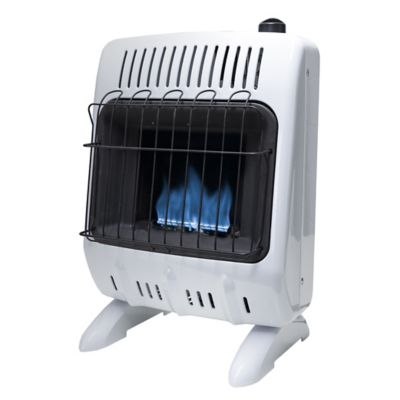
Ventless gas heaters with a thermostat provide supplemental room heat with a control that responds to changes in temperature. Rather than requiring a burner adjustment whenever the room starts feeling too warm or chilly, a thermostatically controlled heater cycles the burner or adjusts its output, depending on the design, to help maintain the selected comfort level. That can be handy in an approved living area where folks gather after chores or a sitting room that needs additional warmth while the rest of the house stays at its regular setting. “Ventless” and “vent-free” describe gas heaters that operate without a flue or chimney carrying combustion exhaust outdoors. They still require sufficient room volume, combustion air and installation that meets the manufacturer’s directions and local rules. These heaters generally fall into two heating styles: blue flame and infrared. Blue flame heaters warm the surrounding air, which moves through the room by natural convection. Infrared heaters provide radiant warmth to people and objects within the heater’s line of sight, so the warmth may feel more direct near a favorite chair or other seating area. Neither style makes room layout irrelevant; doorways, high ceilings, drafts and furniture placement all affect how comfortable a space feels. Some heaters accept a blower to help move warmed air, while others depend on convection alone. Thermostat controls also differ. A dial with numbered comfort settings does not necessarily show a temperature in degrees, and the temperature near the heater may differ from the temperature across the room. Clear control markings, accessible knobs and an ignition system that suits the household are worth comparing alongside heating output. A thermostat manages heat demand, but it does not replace the heater’s separate safety features or make every room suitable for installation. For a space that needs supplemental warmth, the best fit balances heating style, room requirements and straightforward everyday operation rather than simply choosing the largest burner.
Fuel type is another important distinction among ventless gas heaters with a thermostat. Natural gas models connect to an appropriate natural gas supply, while propane models require the correct propane supply, regulator and piping. The two fuels are not interchangeable unless the appliance is specifically designed and approved for conversion, with that work completed according to its instructions and applicable codes. For a home already served by natural gas,
Ventless Natural Gas Heaters are a related category to consider when matching the heater to the existing fuel system. A rural property with an outdoor propane tank may have different connection requirements. Fuel compatibility belongs near the top of the comparison list, along with the heater’s BTU rating and permitted installation locations. BTUs describe heating output, but a stated square-foot coverage estimate cannot account for every house. An open living area with tall ceilings and drafty windows has different heating needs from a smaller, tighter room. At the same time, installing an oversized vent-free heater can create problems with room-volume requirements, excess warmth and moisture. Manufacturer sizing information and a qualified installer’s assessment help put those numbers in context. Physical fit matters, too. Wall-mounted designs can leave floor space open, provided the wall, mounting hardware and surrounding clearances meet the appliance’s requirements. Models approved for floor placement need the specified base or feet and a location protected from being bumped. Curtains, upholstered furniture, blankets and walking paths all deserve attention when considering placement. Steel housings and metal safety grilles are common construction features, while many infrared designs have ceramic heating plaques behind the grille. Those components serve different purposes, and a grille does not make the heater’s surface cool to the touch. Mounting brackets, approved accessories and access to the gas connection also affect the finished setup. A heater that fits neatly against a wall still needs the full clearance shown in its manual, including space above and beside it. The goal is a secure installation that leaves room for normal household traffic, inspection and cleaning.
Vent-free heating brings a few household considerations beyond burner size and thermostat settings. Because there is no outside exhaust vent, combustion products and water vapor remain indoors. That added moisture can contribute to condensation on cold windows, especially in a tightly closed house, and the appliance must have the ventilation and room volume its instructions require. Vent-free heaters are restricted or prohibited in some locations, and bedroom, bathroom and sleeping-area rules can be especially strict. A licensed professional familiar with local requirements can verify that the intended space, gas supply and installation are suitable before the heater becomes part of the household routine. Many ventless gas heaters include an oxygen depletion sensor, often called an ODS, that shuts down the gas supply when oxygen at the pilot falls below its operating threshold. An ODS is not a carbon monoxide detector and does not replace working carbon monoxide alarms, smoke alarms or proper ventilation. These heaters are generally intended for supplemental heat, not as a substitute for the home’s main heating system or as unattended overnight heat in a sleeping space. Some models can operate their burner and thermostat without household electricity, which may be useful during an outage, but ignition and control requirements vary. An optional blower may still need electrical power even when the burner does not. Long-term care usually centers on keeping air openings clear, protecting ceramic surfaces from impacts and arranging inspection of the burner, pilot and gas connections as directed by the manufacturer. Dust, lint and pet hair can collect around a heater in a busy home, so accessible grilles and service areas make routine attention easier. Cleaning belongs on a fully cooled appliance with the fuel shut off as instructed, and persistent odors, soot, repeated shutdowns or an abnormal flame call for professional attention rather than repeated relighting. Propane cylinders must stay outdoors, and any heater needs separation from gasoline, solvents and other flammable materials. With the right fuel connection, approved placement and regular care, a thermostatically controlled ventless heater can add supplemental warmth to a suitable room without constant knob adjustments.