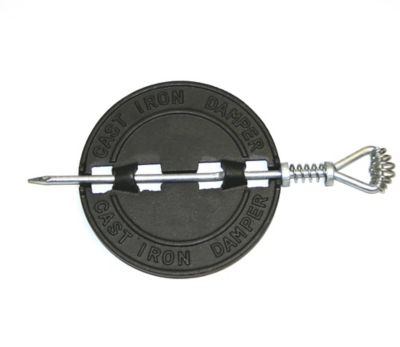
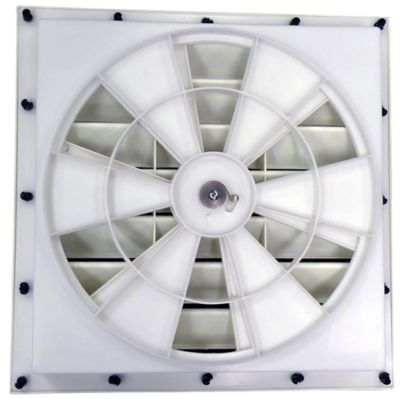
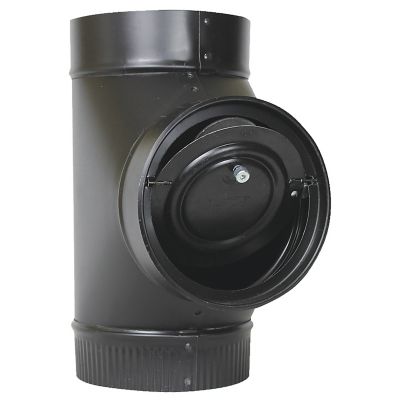
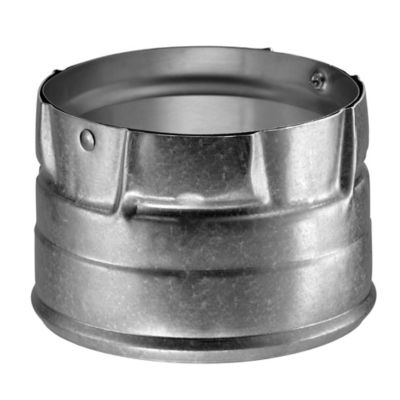
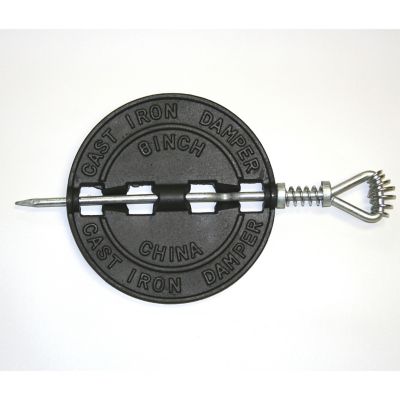
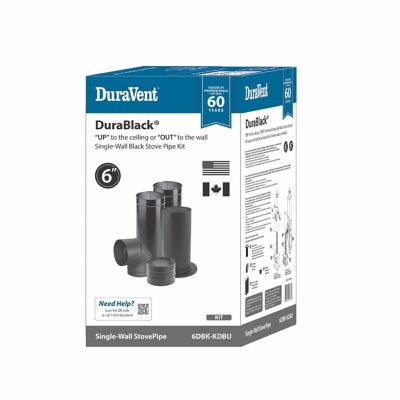
Vent dampers help manage the movement of air through ductwork, chimneys and appliance venting systems. In a heating and cooling system, a damper is a movable plate or valve inside a round or rectangular duct. Adjusting it can help balance airflow between rooms, which comes in handy when one bedroom feels chilly while another stays warm, or when a seldom-used area gets more heated air than it needs. Manual duct dampers usually have an outside handle and wing nut, while automatic or motorized dampers open and close in response to a thermostat, zone control board or other HVAC control. When you shop for a vent damper, start by identifying the job it needs to do. Measure the duct or vent opening carefully, check the shape and diameter, and match the damper to the airflow direction and system type. A round duct damper will not fit a rectangular run, and a part meant for low-pressure HVAC air should not be used in a hot flue or gas appliance vent. Look for sturdy construction, a secure adjustment mechanism and a design that can be reached for inspection or seasonal balancing. For a small shop, barn office, finished basement or farmhouse with several temperature zones, the right damper can make the heating and cooling system feel more even without continually cranking the thermostat.
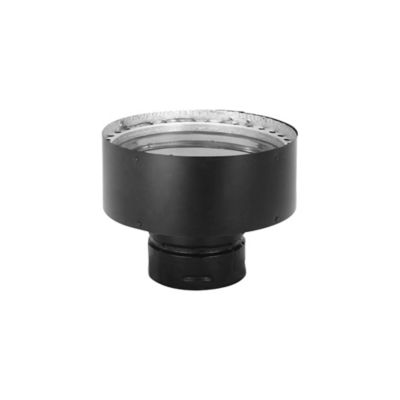
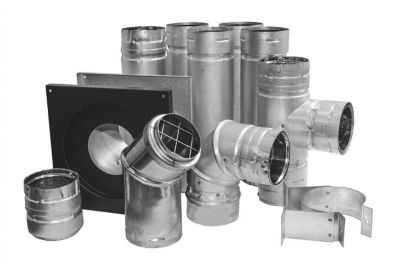
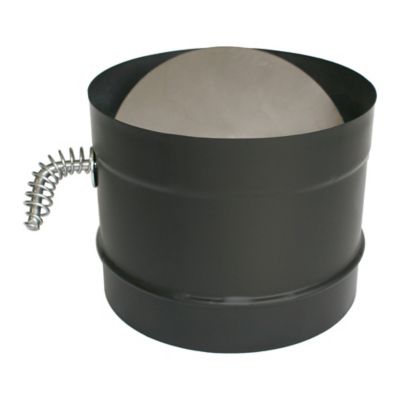
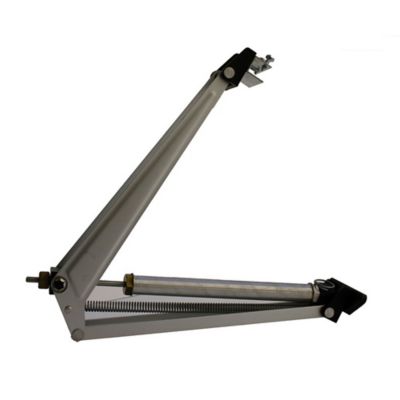
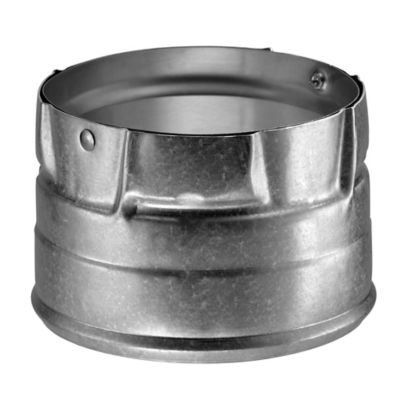
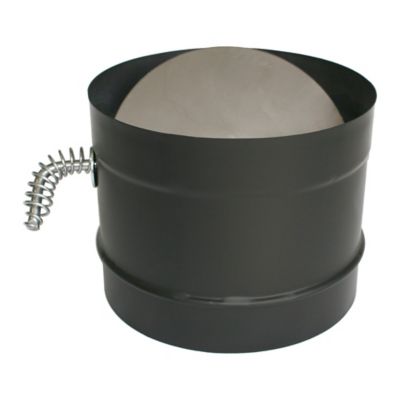
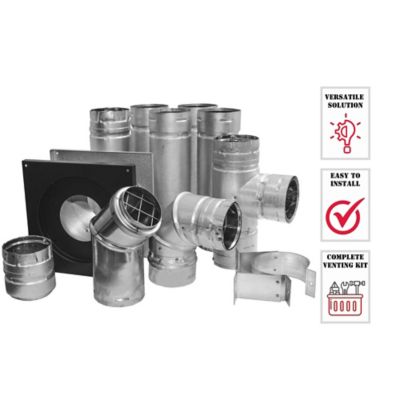
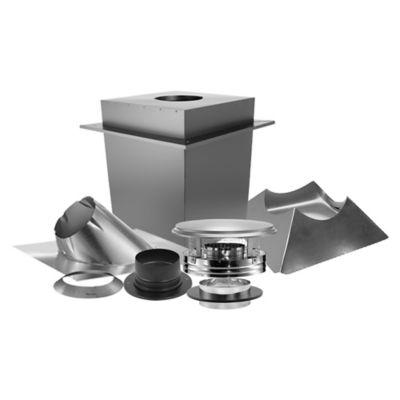
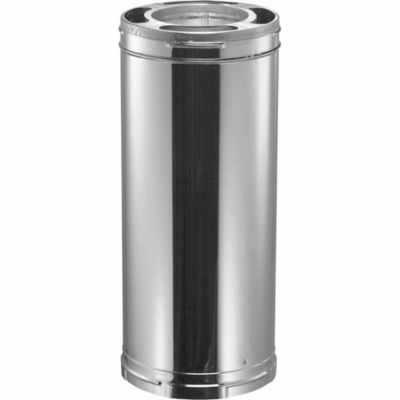
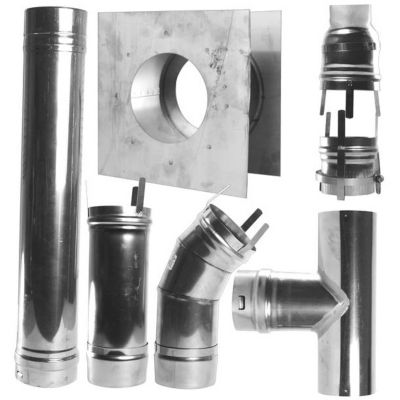
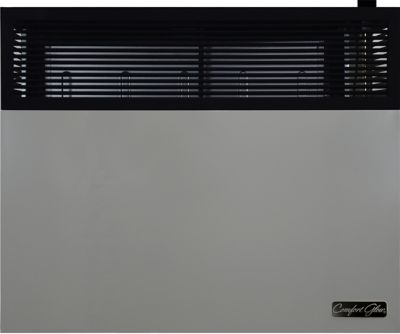
Vent dampers may also be used with furnaces, boilers, water heaters and other fuel-burning equipment, but these products serve a different purpose from ordinary HVAC duct dampers. A flue or gas vent damper is installed in the venting system and is designed to help limit heat loss when the appliance is not operating. Automatic models may work with the heating equipment controls, while thermal designs respond to temperature. Backdraft dampers use a spring- or gravity-balanced flap to let air travel in one direction and help keep cold outdoor air, smoke or unwanted drafts from moving back through the vent. Because flue gases can contain carbon monoxide and because venting must remain safe under changing temperatures and pressures, compatibility matters more than a close visual match. Confirm the appliance type, vent diameter, fuel source, operating temperature and manufacturer requirements before buying. Gas-fired equipment should be installed, tested and serviced according to local codes and the appliance instructions by a qualified professional. Never block, close or alter a vent that is required for combustion air or safe exhaust, and never use an HVAC damper in a chimney or gas vent application. If your home or outbuilding uses a wall-mounted fuel-burning heater, you may also want to compare options for
Direct Vent Heaters, which are designed for specific installation setups and venting arrangements. Keep carbon monoxide alarms installed and working near sleeping areas and fuel-burning appliances, and have the whole system checked if you notice soot, unusual odors, condensation, noisy operation or a flame that does not look normal.
The best vent damper for your setup depends on where it will be installed, how often it will be adjusted and whether it needs to work by hand or as part of an automated system. A manual damper can be a practical choice for a workshop, mudroom, spare room or seasonal living space where the airflow needs occasional fine-tuning. Motorized dampers are better suited to zoned HVAC systems that call for regular, automatic changes throughout the day. For homes with long duct runs, additions or rooms over garages, balancing airflow can help make cooler months more comfortable, while a properly selected backdraft damper can help reduce that cold, drafty feeling when outdoor temperatures drop. Check the product details for dimensions, connection style, gauge or material, temperature rating and control requirements. It is also worth making a quick sketch of the duct layout and taking photos of existing connections before heading to the store; those small details can save a second trip down a gravel road. Dampers are useful for homeowners, landlords, HVAC technicians, maintenance crews and anyone caring for a farmhouse, hunting cabin, shop or agricultural building. They are usually purchased for a specific repair or improvement rather than as a surprise gift, though a well-chosen replacement can be a thoughtful, practical present for a new homeowner or handy family member. Once installed correctly, inspect the damper and surrounding duct or venting during routine equipment maintenance, keep access points clear, and avoid forcing a handle or blade that feels stuck. A damper should support safe, steady airflow—not take the place of proper duct design, clean filters, working controls or professional service.