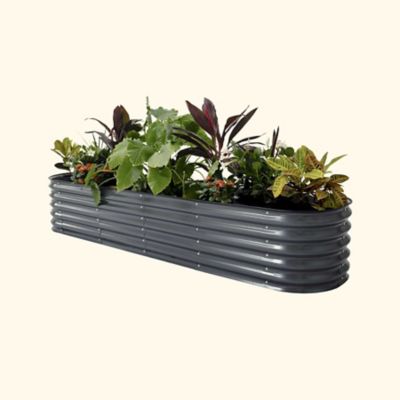
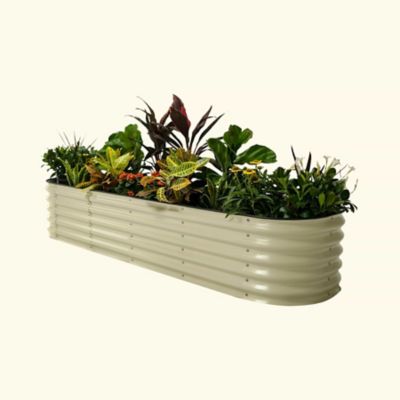
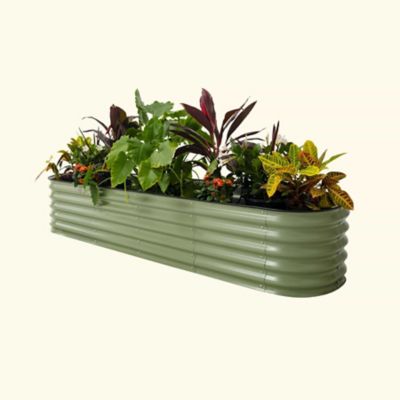
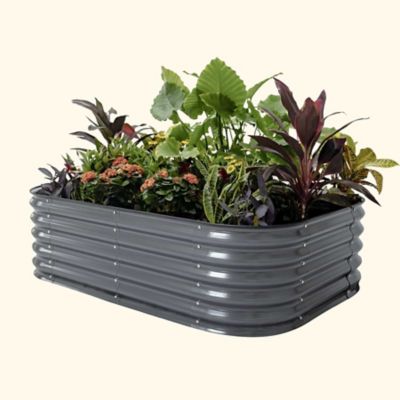
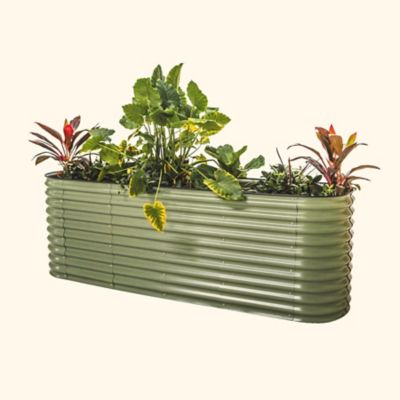
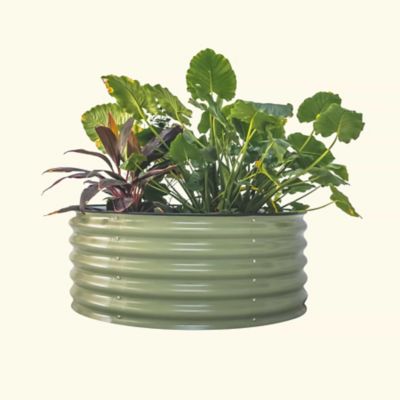
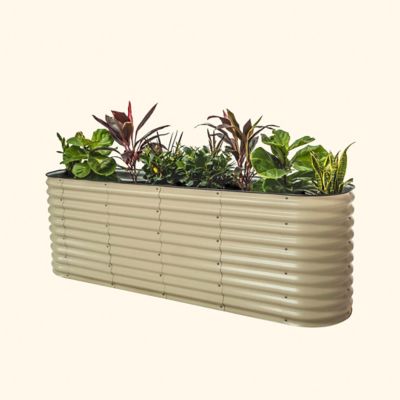
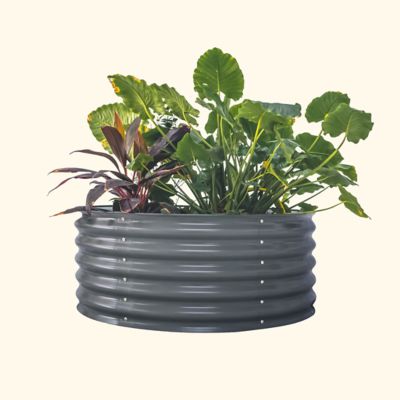
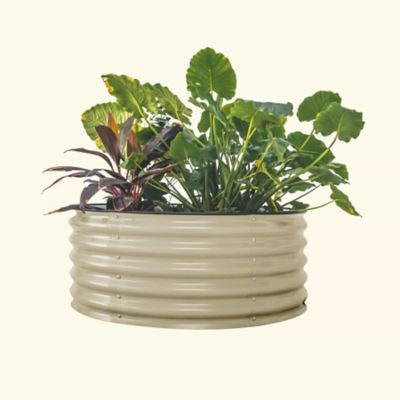
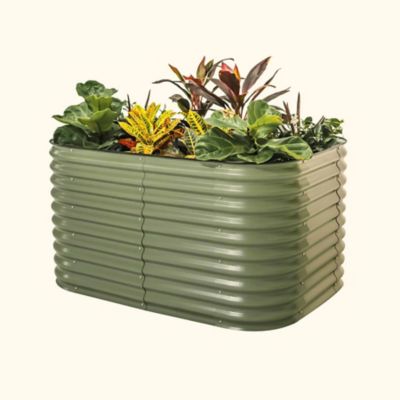
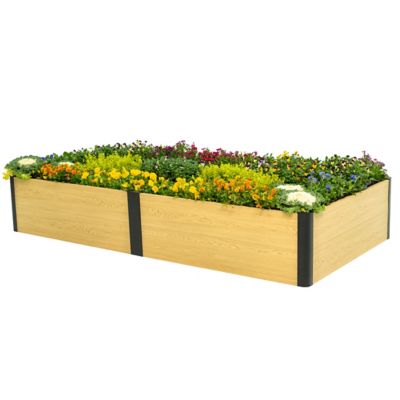
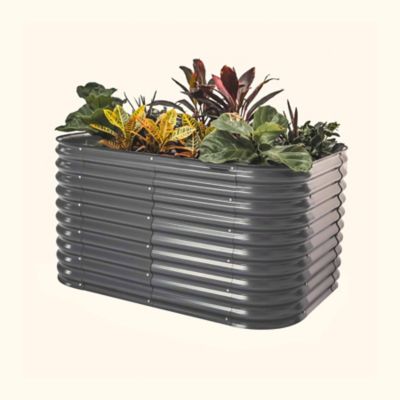
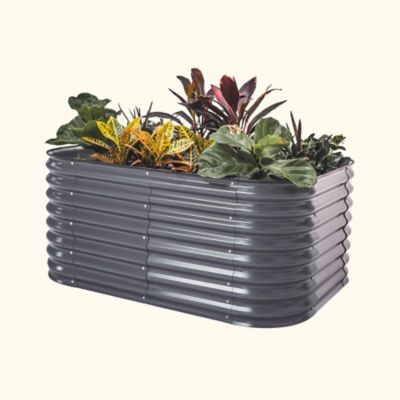
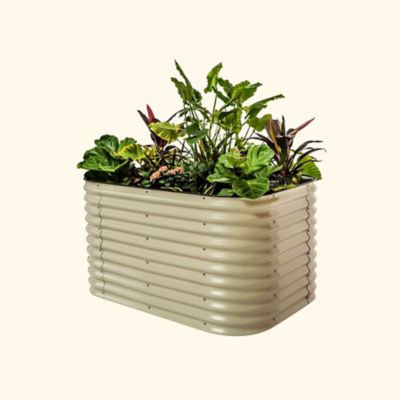
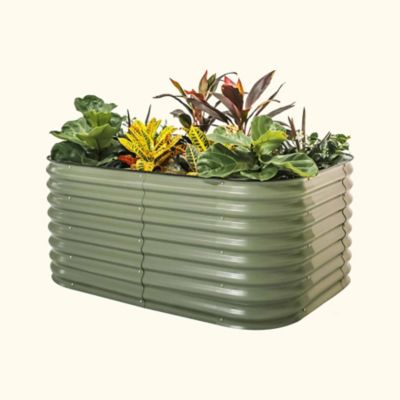
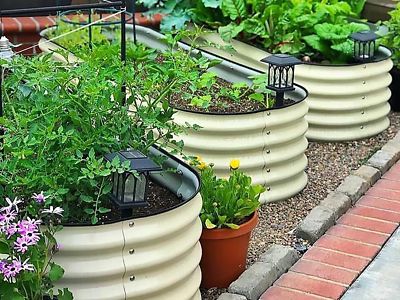
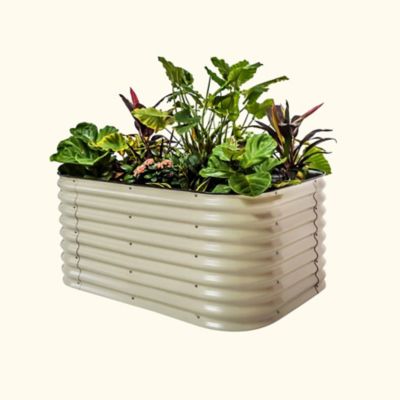
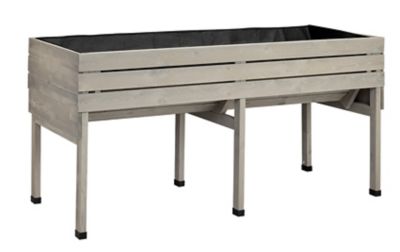
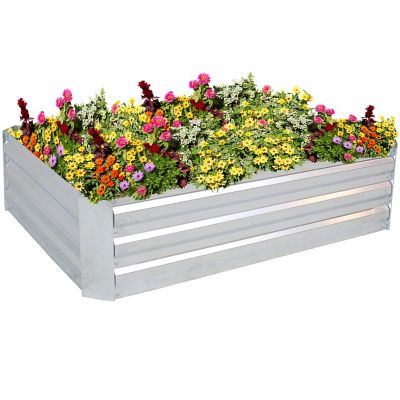
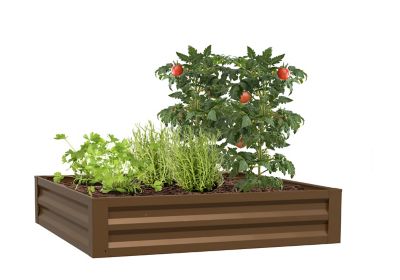
Modular metal raised garden beds give vegetables, herbs and flowers a defined growing space without calling for a large patch of workable ground. They can fit beside a farmhouse, along a backyard path or within a larger kitchen garden, bringing planting areas into a layout that is easier to tend. Coated steel panels are a common choice for this style of bed because they form sturdy walls without the thickness of lumber or masonry. Corrugated panels add rigidity, while protective finishes help limit corrosion from contact with soil and moisture. Some steel coatings combine zinc, aluminum and magnesium; the coating system and care requirements vary, so material details matter when comparing construction. Rounded corners, covered upper edges and securely fastened joints are worth a close look, especially where children help pick beans or gardeners lean across the sides. Modular construction generally means separate panels connect to create different footprints, though the possible arrangements depend on the panel set. A long, narrow rectangle can follow a fence line, while a shorter bed may tuck neatly beside a walkway. Width deserves as much attention as length: a bed roughly 4 feet wide can be manageable when reached from both sides, but a bed against a wall usually needs a narrower footprint. Height affects both comfort and the amount of growing mix required. Taller walls can reduce bending, yet a bed resting on the ground is not the same as an elevated planter with knee clearance underneath. For anyone gardening from a seated position, side access, reach and room to turn are important considerations. Open-bottom beds also differ from containers with solid bottoms. Their roots and drainage interact with the ground beneath them, making the condition of that ground part of the overall setup. A level site, a workable reach and enough room to move a hose or wheelbarrow help a raised bed earn its place in the yard.
The growing space inside a raised bed works best when its depth, soil blend and location match what will grow there. Leafy greens and many culinary herbs can manage with less root space than large tomato plants or long-rooted vegetables, while climbing crops need room for a suitable support. Most fruiting vegetables do best with at least six to eight hours of direct sunlight, and a nearby water source saves plenty of hauling. Loose soil with a balance of mineral material and finished compost gives roots room to spread without turning the bed into a soggy basin. Straight garden soil can compact inside contained walls, while filling an entire bed with compost alone can lead to settling and an uneven nutrient balance. A growing mix intended for raised beds is one option, with the right choice depending on the planting plan and the soil below. An open bottom does not automatically solve poor drainage; a low spot over tightly packed clay can still hold water. On hard surfaces, drainage paths and the weight of the filled bed need attention, along with any requirements for a bottom panel or liner. Hardware cloth beneath an open-bottom bed can help discourage burrowing animals where that is a concern, but a solid plastic barrier can interfere with drainage. For a smaller kitchen patch,
Herb Raised Garden Beds can keep parsley, chives and basil close to the back door. Herbs with different moisture needs benefit from separate planting areas rather than sharing the same watering routine, and spreading herbs such as mint are easier to manage in their own containers. Mulch can help limit evaporation and soil splash, while drip tubing or a soaker hose directs water toward the root zone. Leaving space between plants for their mature size makes harvesting easier and gives leaves room instead of crowding every inch of soil from the start.
A metal raised bed is also part of the working space around the garden, so the details outside its walls count. Paths need enough clearance for kneeling, carrying a harvest basket and reaching fasteners without stepping into the soil. Where several beds sit together, a wider main aisle makes moving compost and tools less of a chore. Nearby trellises, garden fencing and irrigation lines should suit the layout without putting extra strain on the bed walls. Heavy supports may need their own ground anchors rather than relying on thin panels, and tall plants should sit where they will not shade everything beside them. For households with curious pets or roaming poultry, a separate barrier can help protect tender plants; the raised walls alone may not keep animals out. Everyday care is usually straightforward, but the finish and hardware still deserve attention. Following the manufacturer’s cleaning directions, keeping fertilizer spills off the panels and checking connections helps protect the structure. Gentle cleaning is a safer starting point than abrasive tools that can scratch a protective coating. Soil can settle after filling and watering, so keeping the growing surface below the upper rim leaves room for mulch and makes watering less messy. Between plantings, compost additions and soil testing help guide fertility decisions instead of adding nutrients by guesswork. Metal walls do not make a bed maintenance-free, and service life depends on construction, coating condition, soil chemistry and care rather than a single broad promise. For a first vegetable patch, a longtime gardener’s expanded planting area or a shared family garden, the best fit balances working height, reachable width and a footprint that leaves room for everyday chores. A raised bed can make a thoughtful gift for someone who enjoys growing food or flowers, provided there is space for it and a plan for filling it. A well-planned bed becomes a practical place to snip supper’s herbs, pull a few carrots or spend a little time with both hands in the soil.