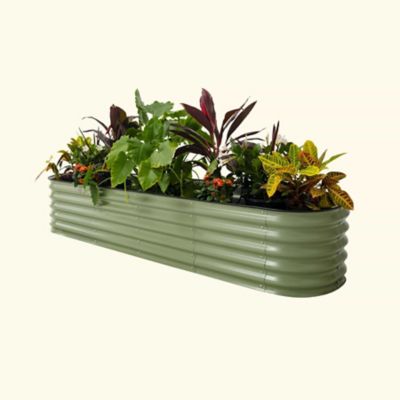
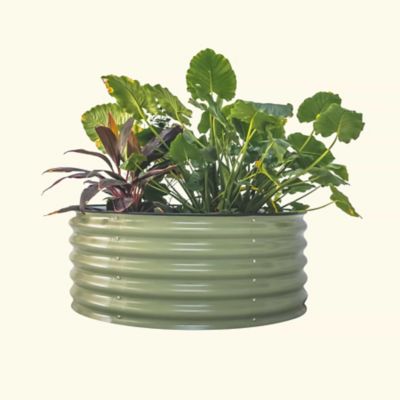
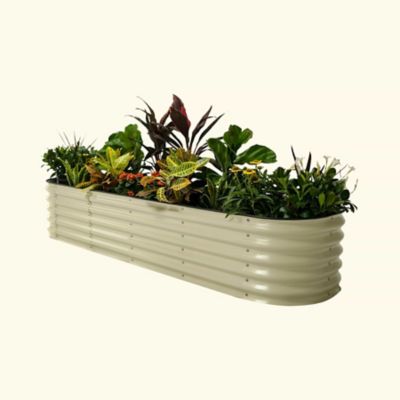
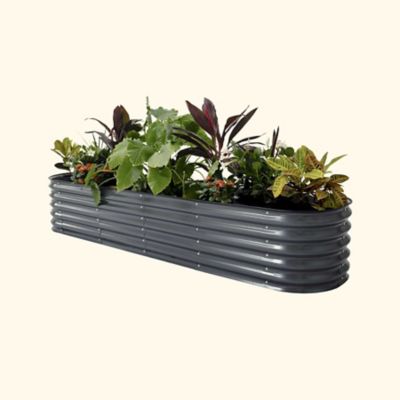
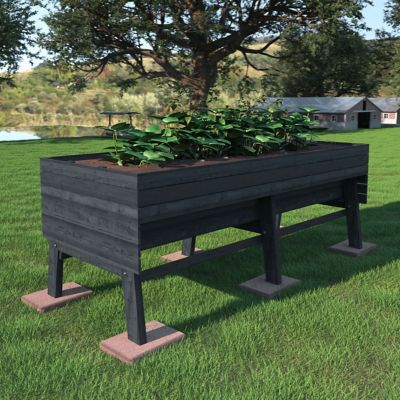
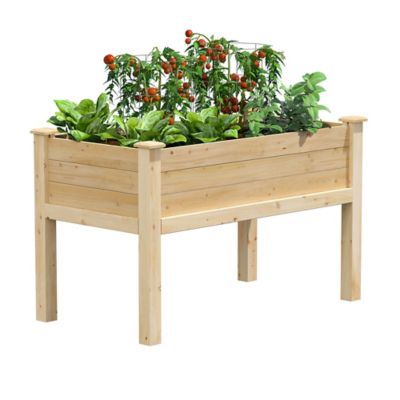
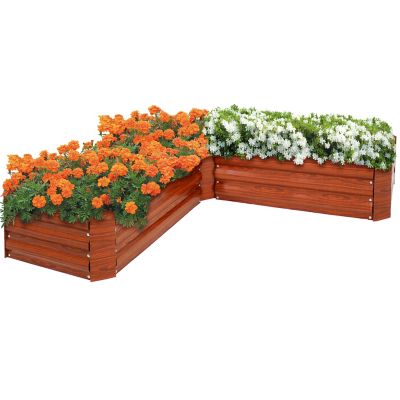
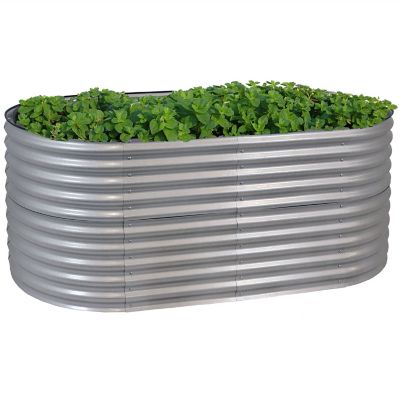
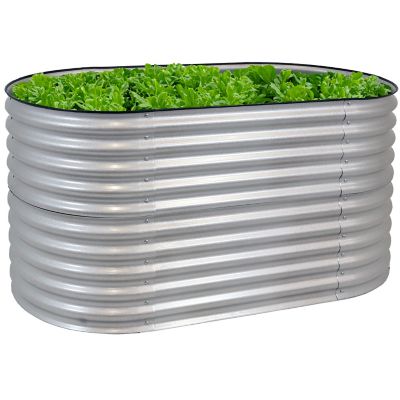
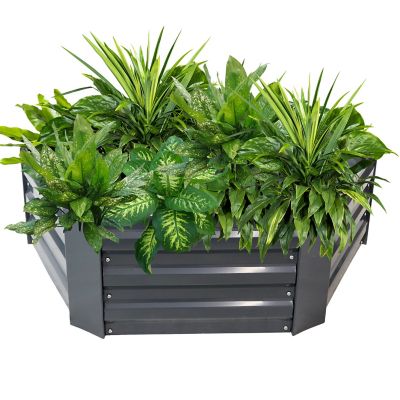
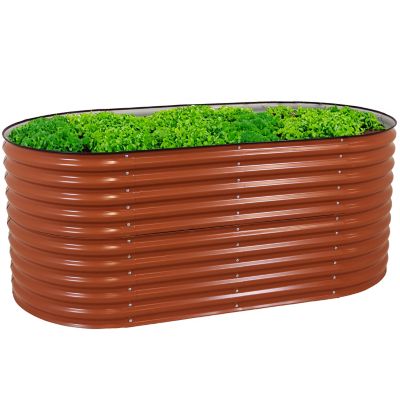
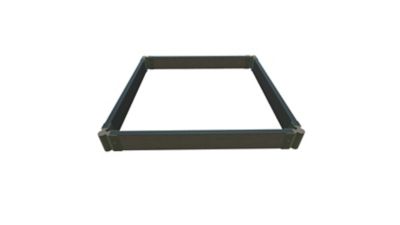
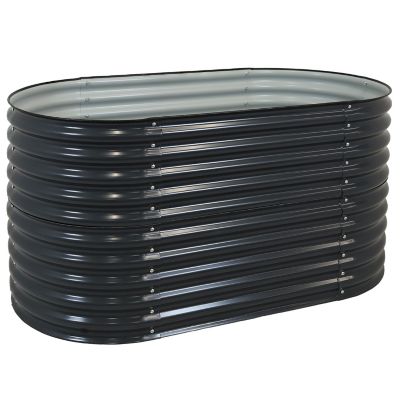
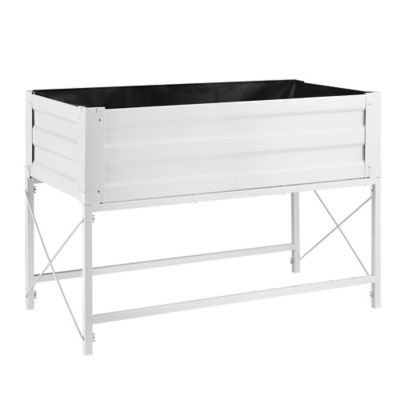
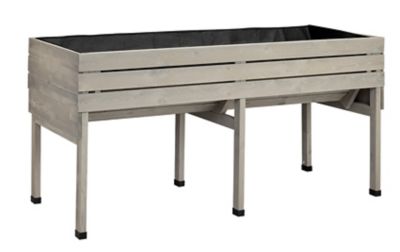
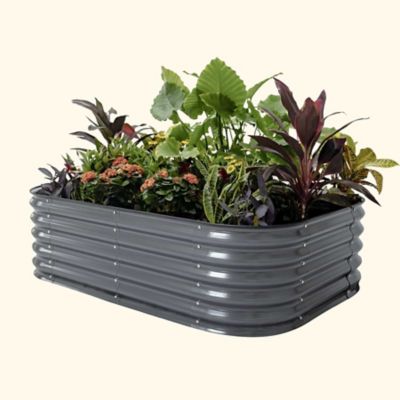
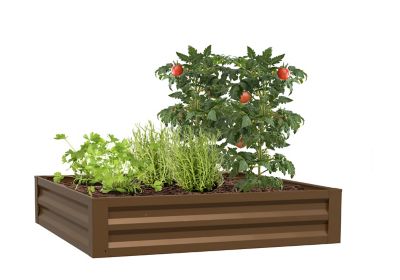
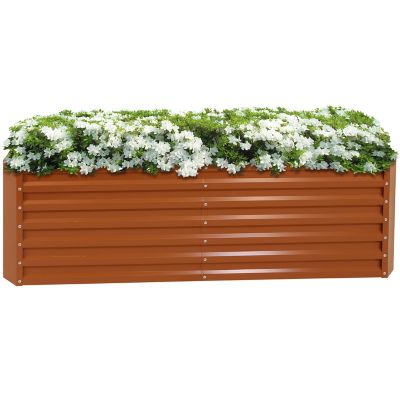
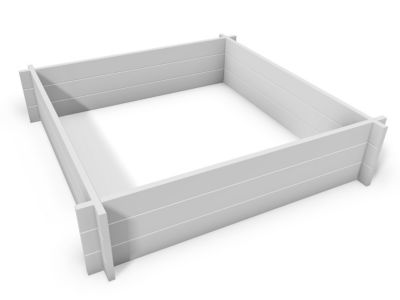
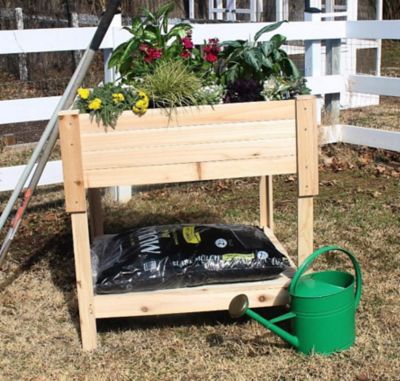
Raised garden beds for herbs provide a defined planting space above the surrounding ground, making it easier to manage soil, drainage, and access to fresh kitchen herbs. Elevated beds take that convenience a step further by lifting the planting area onto legs or a supporting frame, which can reduce bending when clipping parsley or checking on basil. The distinction matters: a tall-sided bed resting on the ground is not necessarily the same as a waist-height planter with room underneath. For a spot beside the back steps, along a vegetable patch, or near an outdoor cooking area, the right fit depends on both the bed’s footprint and the space needed to work around it. Beds about 3 to 4 feet wide can be manageable when reached from both sides, while narrower designs make more sense against a fence or wall. A comfortable reach to the center helps keep feet out of the soil and tender stems out of harm’s way. Height deserves just as much attention as width, especially for gardeners who prefer standing or sitting while tending their plants. Leg placement, crossbars, and clearance underneath affect how closely someone can approach an elevated bed. Soil depth is another consideration, separate from the bed’s overall height. Around 12 inches of planting depth can accommodate many common culinary herbs, while larger, longer-lived plants may benefit from additional root space. An open-bottom bed over suitable ground can allow roots to grow beyond the frame; a bed with a solid bottom limits them to the soil it holds. Light requirements also shape where a bed belongs. Many kitchen herbs grow best with at least six hours of direct sunlight, though individual plants have different needs. A convenient location near the kitchen is handy only if it also gives the plants enough light and leaves room for harvesting, watering, and carrying a basket past without brushing against every stem.
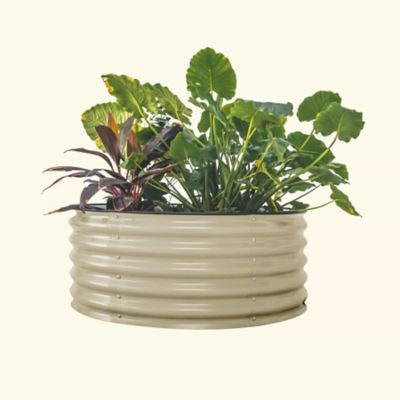
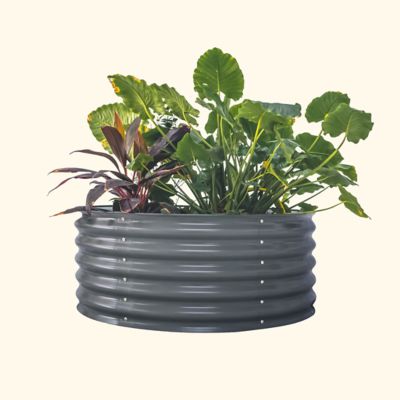
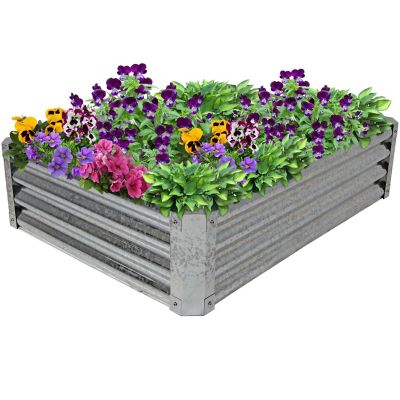
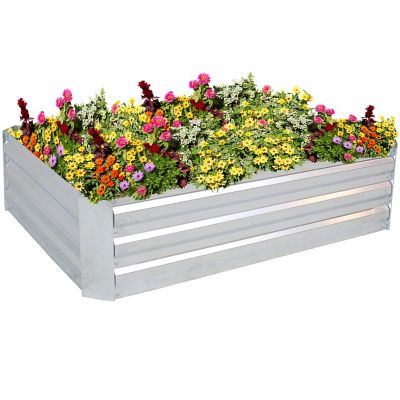
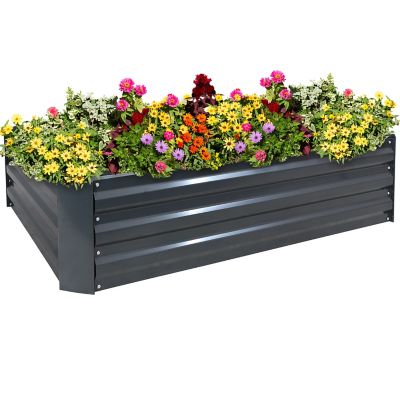
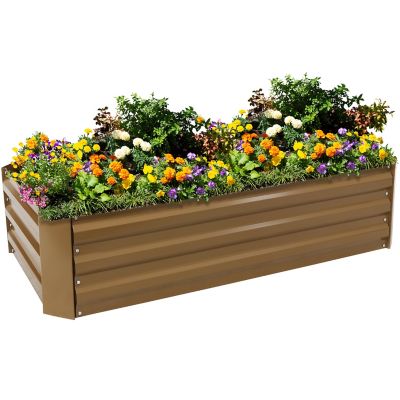
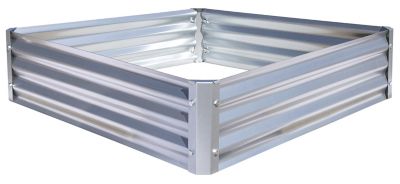
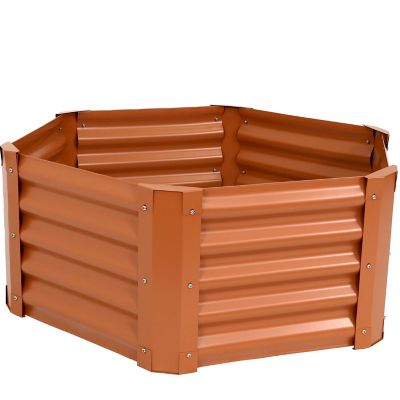
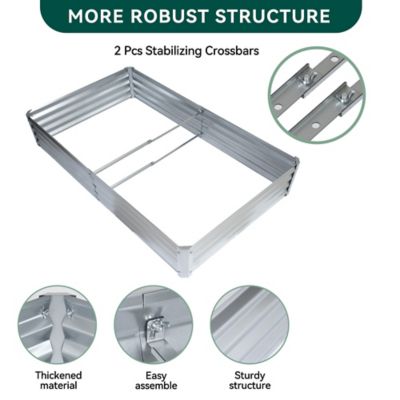
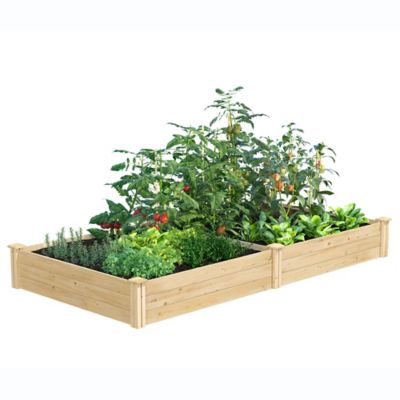
Materials influence how herb raised garden beds look, how much they weigh, and what care they need over time. Wood brings a familiar garden feel, with cedar and other naturally rot-resistant species offering different characteristics from less decay-resistant lumber. Board thickness, corner connections, and contact with damp soil all affect how a wooden frame holds up. Galvanized steel has a protective zinc coating that helps resist corrosion, while formed edges and secure corner joints matter for comfortable handling and a steady frame. Resin and composite designs vary in weight, reinforcement, and suitability for edible gardening, so the manufacturer’s stated purpose is worth checking rather than judging by appearance alone. Across materials, smooth accessible edges and hardware that stays snug make everyday tending more pleasant. Elevated beds also need a support structure rated for the weight of their contents: damp soil is heavy, and a filled planter can place a substantial load on legs, shelves, decking, or a paved surface. A level base and adequate support matter far more than an empty bed’s weight might suggest. Drainage deserves the same attention. A raised frame does not automatically solve soggy soil, particularly when an open-bottom bed sits over poorly draining ground. Beds with enclosed bottoms need drainage openings that let excess water escape without leaving roots standing in it. A growing mix suited to the bed’s design provides a better starting point than dense soil that packs tightly around roots. For open-bottom beds, existing grass and persistent weeds still need consideration; raised sides can make weed management easier, but they do not create a weed-free garden. Ongoing care is generally straightforward: keeping drainage openings clear, checking connections, and watching for cracked boards or damaged coatings helps address small problems before they become bigger repairs. Irrigation access belongs in the decision, too. A nearby hose connection or space for a drip line can make moisture management simpler without dragging a hose through the planting area.
The best arrangement for an herb bed depends on what gets picked for supper and how those plants grow together. Basil, parsley, and chives are familiar choices for gardeners who want a few fresh cuttings close at hand, while thyme, oregano, sage, and rosemary bring different growth habits and moisture preferences to the mix. Herbs are not interchangeable simply because they share a place in the kitchen. Thyme and rosemary generally favor a planting area that drains freely and does not stay constantly damp; parsley and basil usually appreciate more consistent moisture. Separate sections or neighboring beds can make those differences easier to manage without giving every plant the same treatment. Mature size matters as well. A small transplant can spread well beyond its original footprint, and a tall plant can shade a shorter neighbor if the layout gets crowded. Mint deserves particular attention because its spreading roots can overtake nearby herbs; a separate container offers more control than an unrestricted spot in a shared bed. For a porch-side planting area, a narrow walkway, or a household that needs only a few favorite herbs,
Small Raised Garden Beds can be a practical fit without committing a large stretch of ground. A larger bed can suit a cook who regularly gathers handfuls for sauces, soups, and preserving, provided there is enough room for plants to reach their mature size. These beds can also make thoughtful gifts for home cooks, new gardeners, or family members who enjoy tending plants but want a more accessible setup. The most useful gift matches the recipient’s available space, preferred working height, and willingness to look after the planting. Whether the goal is a few clipped chives over potatoes or enough basil for a family meal, a well-matched herb bed keeps the growing space manageable and the harvest within easy reach.