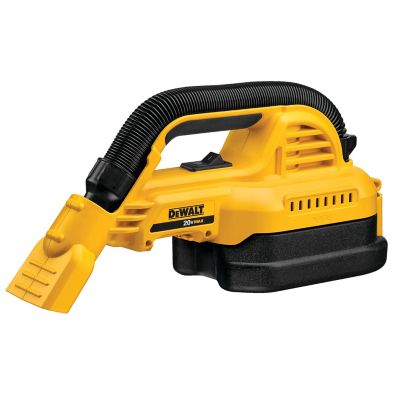
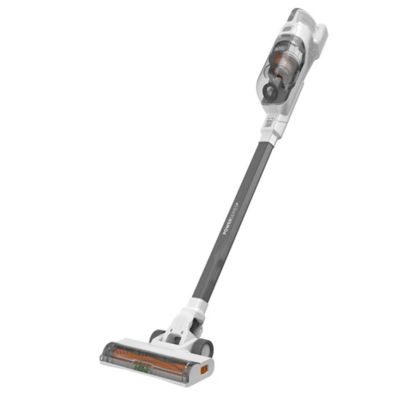
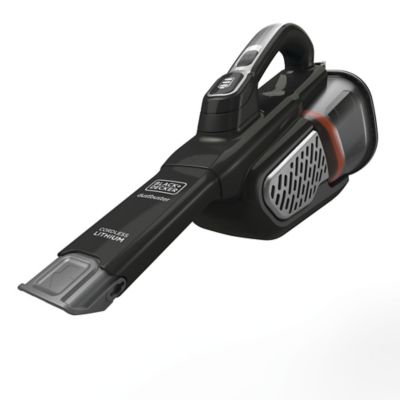
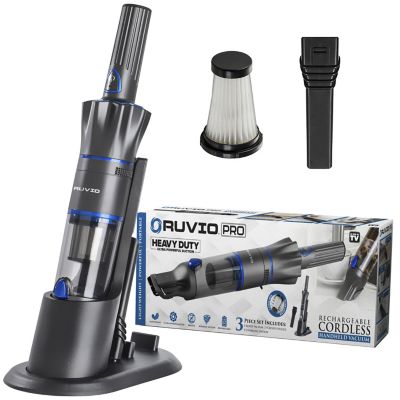
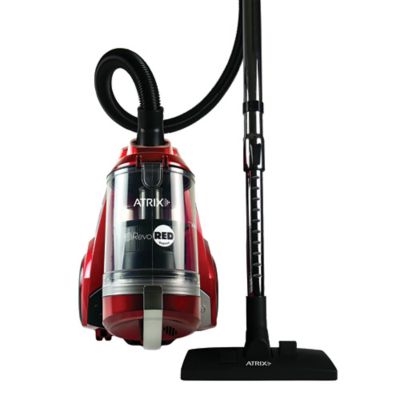
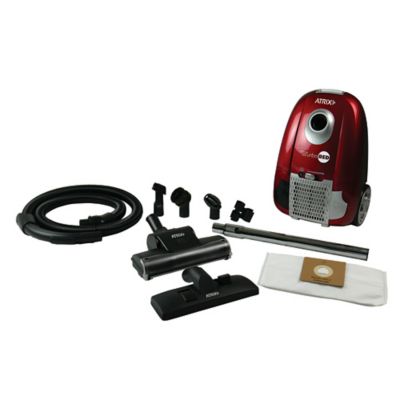
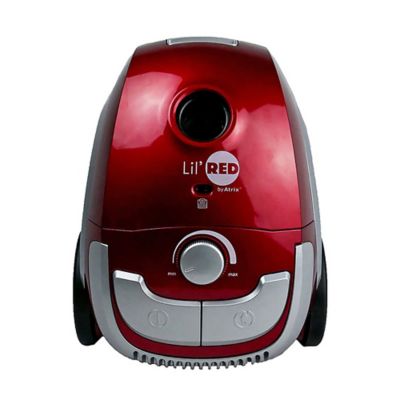
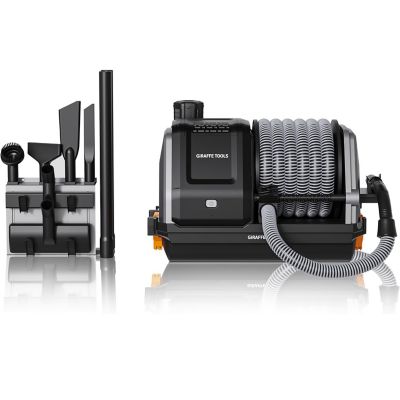
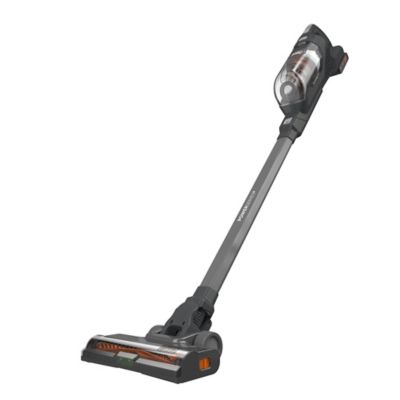
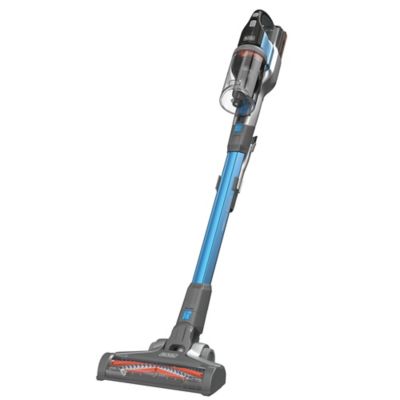
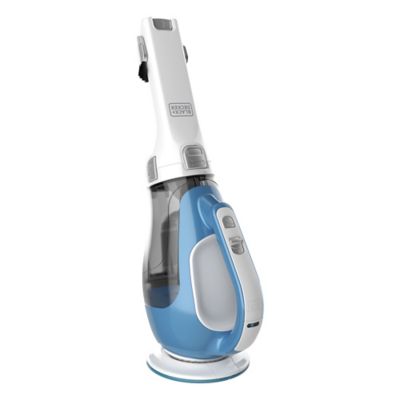
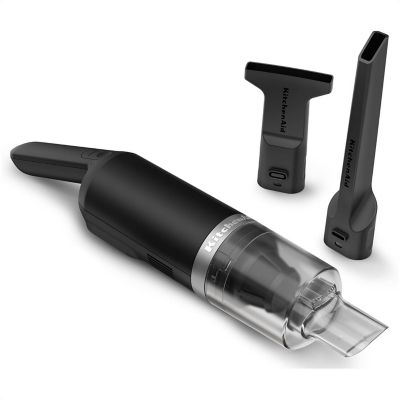
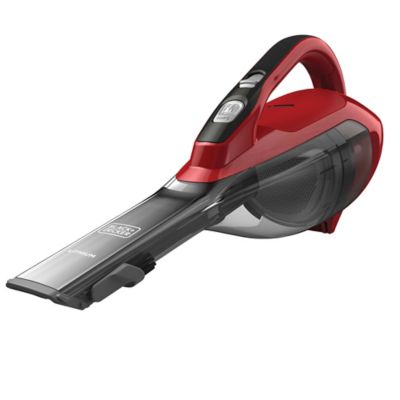
Vacuum cleaners are motorized cleaning appliances that use suction to collect dirt, dust, hair, and other loose debris from floors, rugs, furniture, and other household surfaces. They help keep everyday messes from spreading, whether that means dog hair along the hallway, crumbs beneath the kitchen table, or grit carried inside on work boots. The right style depends on the space it needs to cover and the kinds of cleanup that happen most often. Upright vacuum cleaners combine the motor, dirt container, and floor head in one push-style machine. Their broad cleaning paths and powered brush rolls make them a practical fit for larger carpeted rooms, while adjustable settings or brush-roll controls can help accommodate different floor surfaces. Canister vacuums have a separate body connected to a cleaning wand by a flexible hose. That layout lets the floor head reach beneath furniture and gives the operator more flexibility around stairs, chair legs, and tight corners without moving the entire machine into each spot. Stick vacuums have a slender shape that suits quick passes through a kitchen, entryway, or living room. Corded versions keep working as long as they have access to an outlet, while cordless versions make it easier to move between rooms without managing a cord. Some stick designs also convert to a handheld configuration for smaller jobs. Handheld vacuums concentrate on spot cleaning, from crumbs in a truck seat to hair caught in a sofa cushion seam. Robot vacuums handle routine floor pickup with less hands-on operation, although their navigation, obstacle handling, and ability to cross rugs or thresholds vary by model. Open floor space generally gives them more room to work, and cords, small toys, and pet accidents still need attention before a cleaning cycle. For a busy household, these different vacuum styles can serve separate roles: one for a thorough pass across the floors, another for the little messes that turn up between chores. Storage space, lifting weight, and the layout of the house all shape how comfortably a machine fits into that routine.
Floor type matters just as much as vacuum style. Carpet benefits from agitation that loosens embedded dirt, but the brush and suction settings need to suit the carpet’s pile and construction. Thick rugs can make a floor head harder to push, while fringe can wrap around a spinning brush. Hardwood, laminate, vinyl, and tile call for floor heads and wheels that match the surface manufacturer’s care recommendations. A brush-roll shutoff or a head intended for hard floors can help limit scattering and reduce the chance of marks on susceptible finishes. Pet owners often have another layer to consider: hair winds around brush rolls, settles into upholstery, and gathers along baseboards where a wide floor head may not reach. A powered upholstery attachment, crevice tool, or accessible brush roll can make those areas easier to handle, depending on the machine’s design. Filtration also affects how a vacuum manages the dust it collects. High-efficiency particulate air, or HEPA, filters are designed to capture very small particles, but the sealing of the whole machine matters because air that escapes around a filter bypasses that filtration. Bagged vacuums collect debris in a replaceable bag, which can limit direct contact with loose dust during disposal. Bagless vacuums collect it in a reusable cup that needs emptying and occasional cleaning according to the manufacturer’s directions. Neither arrangement eliminates maintenance. Container capacity determines how frequently a full load interrupts a job, especially in homes with shedding pets or several carpeted rooms. Cord length, hose reach, and attachment storage affect everyday convenience, while cordless runtime varies with the power setting, floor head, battery condition, and workload. Motor wattage alone does not tell the whole story about cleaning performance; airflow, suction, brush action, and the floor head’s design work together. Molded plastic housings help keep weight manageable, while metal wands and secure hose connections support handling. A comfortable grip, manageable carrying weight, and a floor head that turns easily can matter more in daily cleaning than a long list of features.
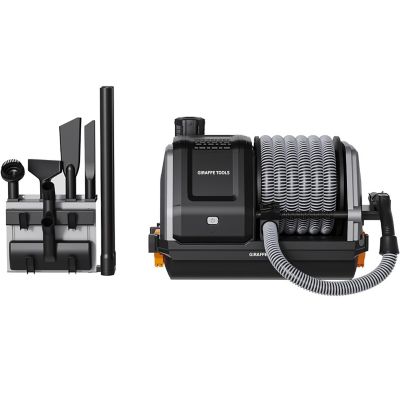
Regular care helps vacuum cleaners keep doing their job without turning a simple cleanup into a struggle. A full bag or dust cup, a clogged hose, and a filter loaded with dust can restrict airflow and reduce pickup. Brush rolls collect thread and hair, and wheels can pick up grit that should not be dragged across a finished floor. Easy access to these parts makes routine upkeep less of a chore. Washable filters need to be fully dry before they go back into the machine, and filters that are not washable need the cleaning or replacement method specified by the manufacturer. Maintenance belongs on a powered-off machine, with the cord unplugged or the battery handled as directed. Replacement filter and bag requirements are worth considering alongside storage needs, especially when the vacuum will live in a narrow utility closet or travel between the house and a vehicle. Attachments help extend its reach: a crevice tool fits between seat cushions and beside appliances, an upholstery tool covers fabric surfaces, and a soft dusting brush can suit shelves or trim when those surfaces allow vacuum cleaning. Ordinary household vacuums are generally intended for dry household debris, not standing water, hot ashes, or hazardous materials. For garage and workshop cleanup,
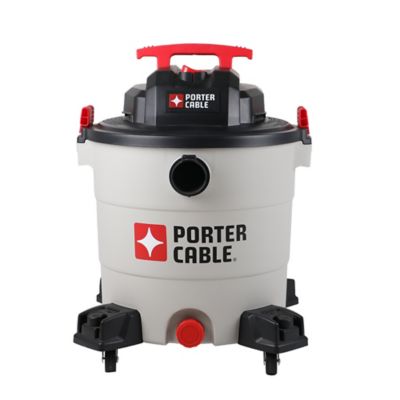
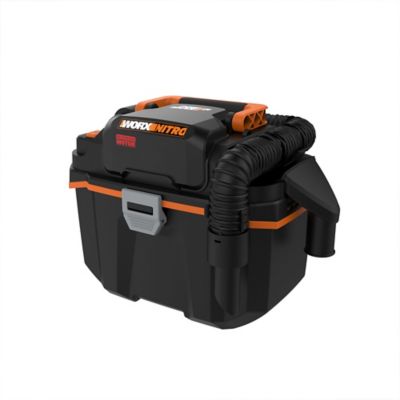
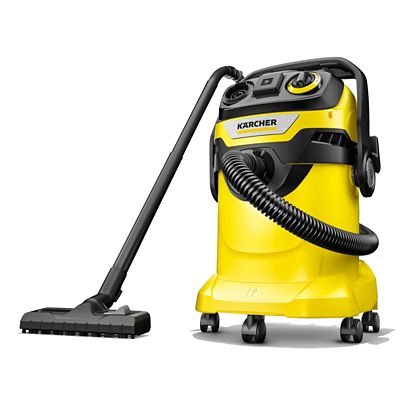
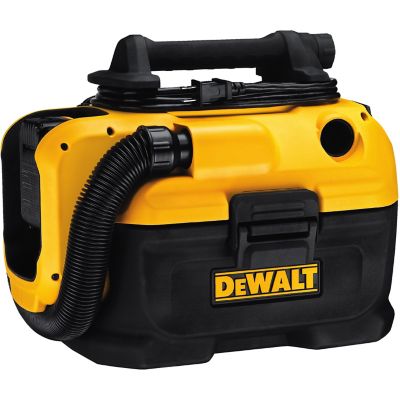
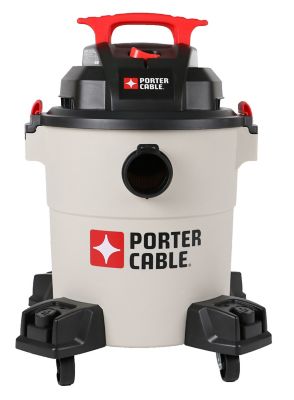
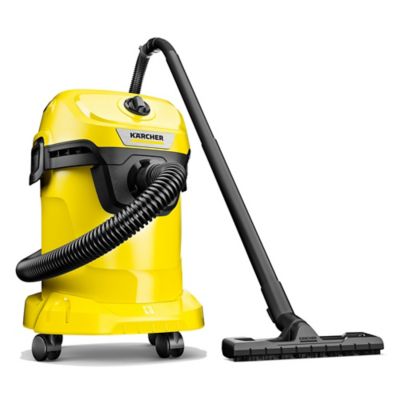
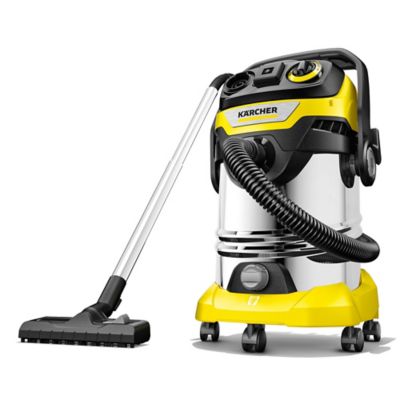
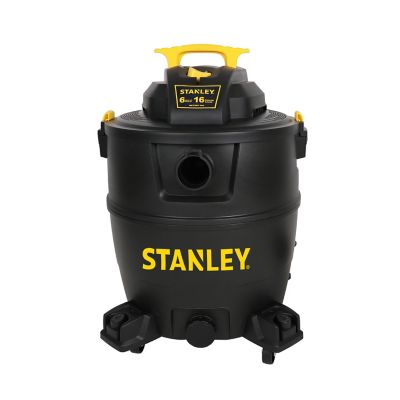
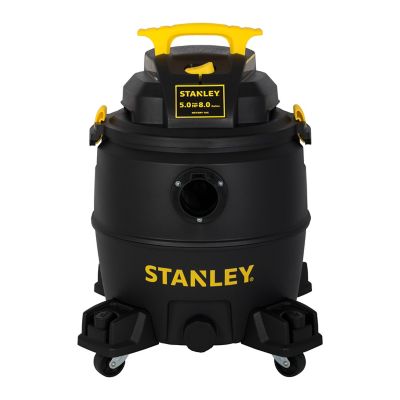
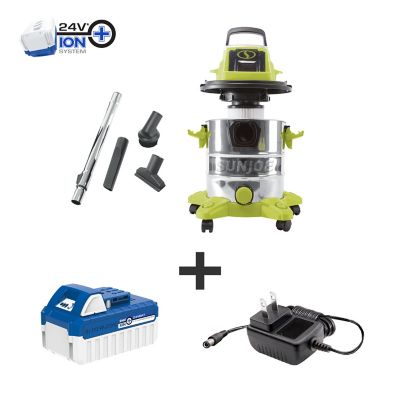
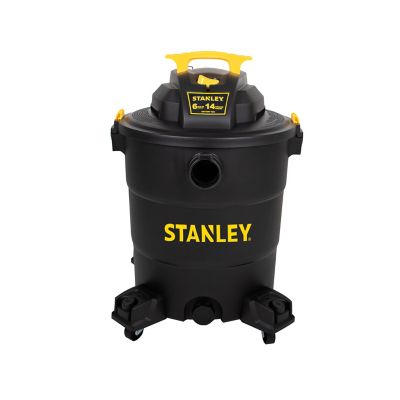
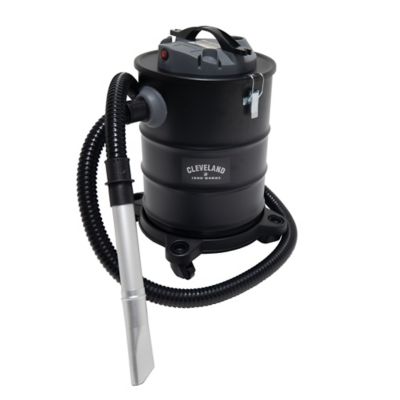
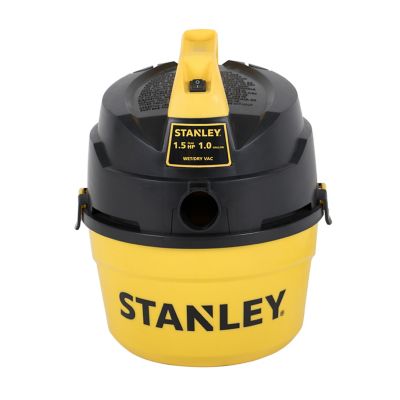
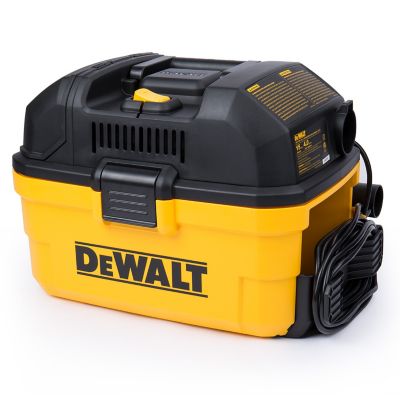
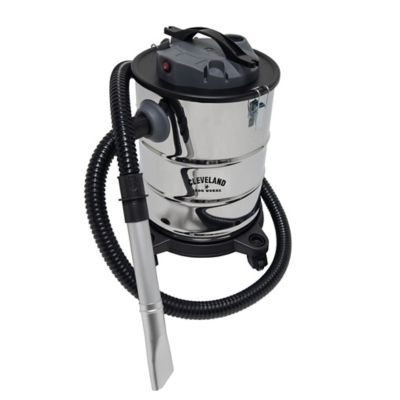
Shop Vacs belong to a separate category built around a collection tank and hose. Many wet/dry designs can collect larger debris or liquid spills, but liquid pickup depends on the machine being rated for wet use and having the setup its manufacturer specifies. Fine construction dust may require specialized filtration and containment rather than a standard household machine. Matching the vacuum to its intended work keeps expectations grounded: a handheld fits a few spilled crumbs, a full-size floor vacuum suits room-to-room cleaning, and a properly equipped wet/dry vacuum handles different demands around a work area. From a small home to a farmhouse with busy doorways and pets underfoot, practical features help make cleanup a regular, manageable part of the day.