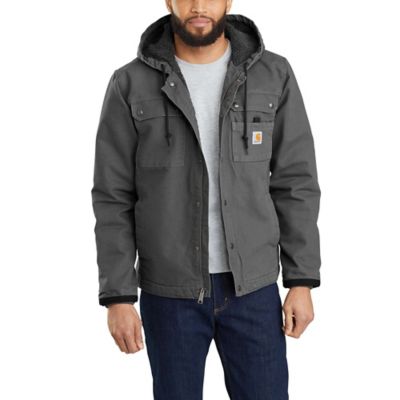
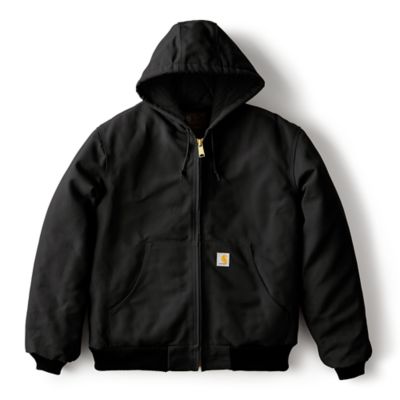
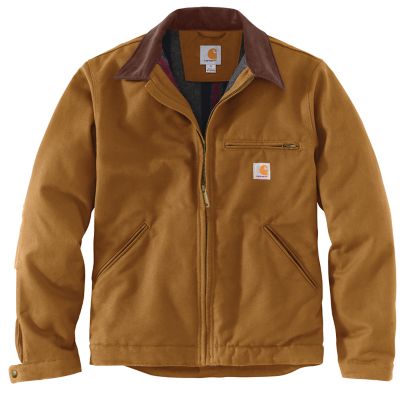
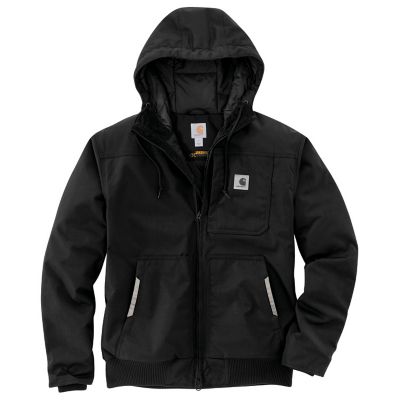
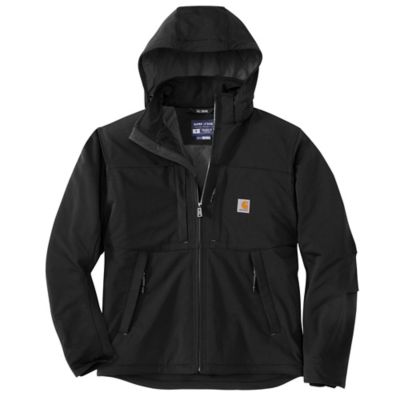
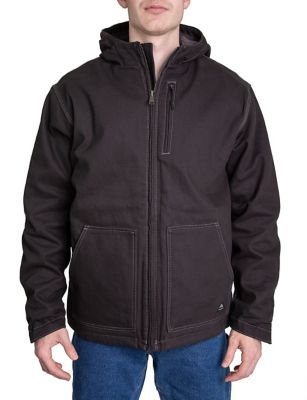
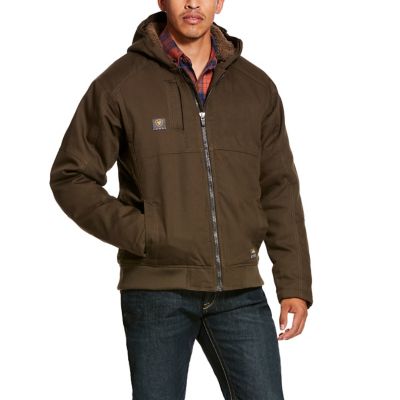
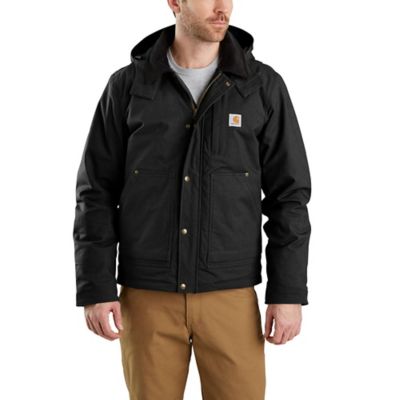
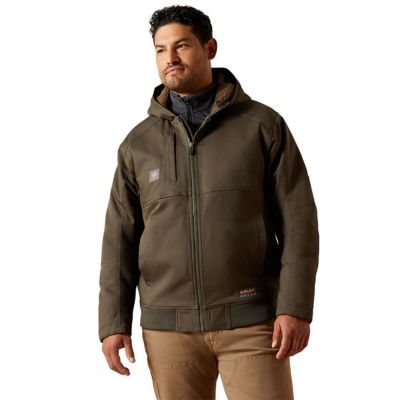
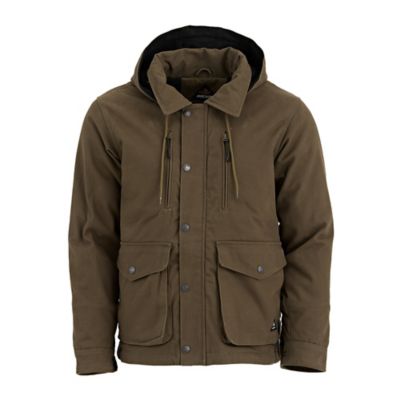
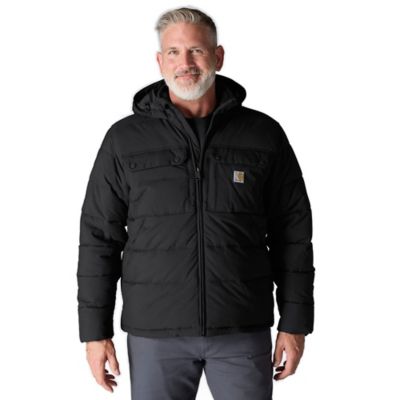
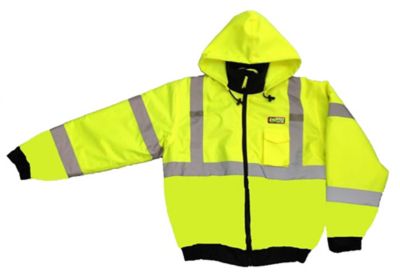
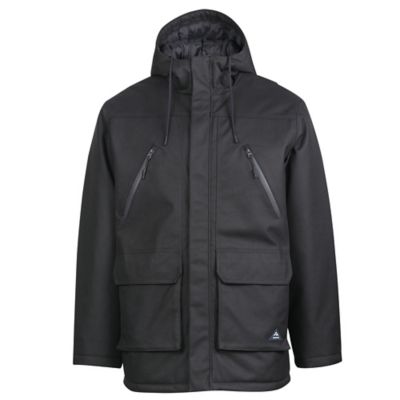
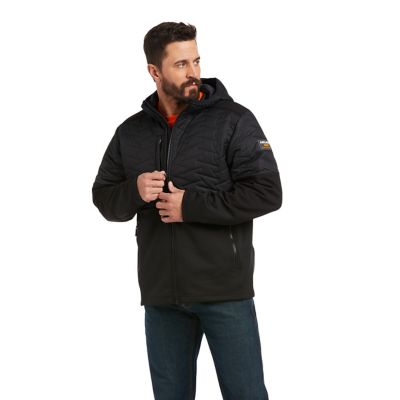
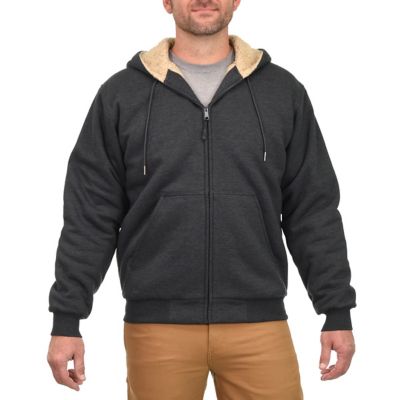
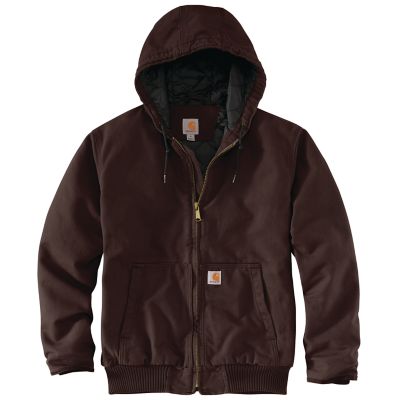
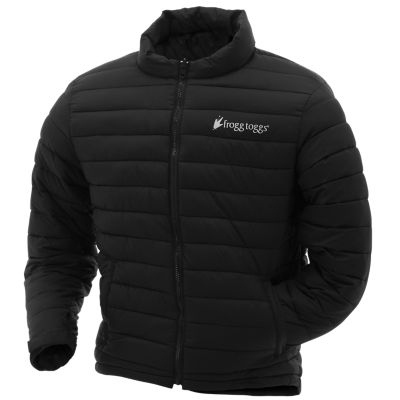
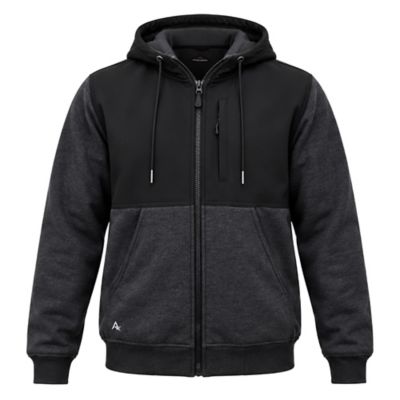
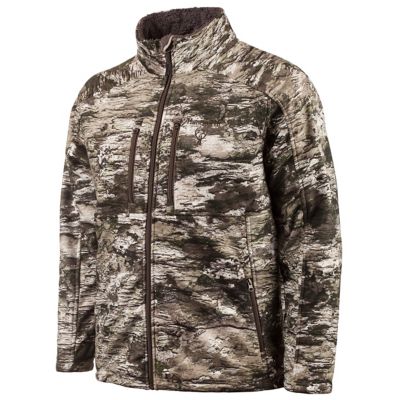
Men's winter work jackets bring together insulation, tough outer fabrics and room to move for jobs that don't stop when the temperature drops. Feeding cattle before daylight, checking a fence line in a steady wind and unloading supplies beside an open barn all put different demands on a jacket. Warmth matters, but so does a shell that stands up to rough lumber, repeated reaching and the rub of a tool belt. Cotton duck and tightly woven canvas have a substantial feel that suits chores around gates, equipment and outbuildings, while nylon and polyester shells can provide a lighter feel with varying levels of wind and moisture protection. Fabric weight alone doesn't tell the whole story; the weave, lining, insulation and construction all affect how a jacket feels through a workday. Reinforced elbows and sturdy seams help in areas that take repeated wear, especially when leaning against a workbench or carrying feed sacks. Some stretch in the fabric or flexible panels can make bending and reaching feel less restrictive. Water-resistant finishes help shed light precipitation, but they aren't the same as waterproof construction. For prolonged exposure to wet snow or rain, the jacket's stated protection and seam construction deserve a closer look. A wind-resistant shell also helps limit the chill that can cut across an open pasture or blow through a drafty loading area. Synthetic insulation traps warm air, while fleece, brushed fabrics and quilted linings offer different combinations of softness, warmth and ease of layering. A smooth sleeve lining can make it easier to pull a jacket over a flannel shirt without bunching at the elbows. There's no single insulation level that suits every chore: walking fence generates more body heat than sitting on a tractor, and sheltered barn work feels different from standing out in the wind. The right balance comes down to the work, the exposure and the layers underneath, rather than simply picking the heaviest coat.
Fit makes a real difference when a winter work jacket has to follow every lift, reach and crouch. Enough space through the shoulders and upper back helps when stacking wood or reaching into a truck bed, while excess fabric can get in the way around handles, latches and equipment. A jacket should close comfortably over the layers normally worn beneath it, whether that's a thermal shirt and flannel or a sweatshirt for a slower day outside. Shoulder movement, sleeve length and coverage at the waist matter just as much as the size on the label. Sleeves that pull far above the wrists when the arms extend can leave a cold gap above work gloves. A hem that rides up with every bend can expose the lower back, while a longer cut may feel cumbersome when climbing into a cab or sitting for long stretches. Shorter jacket shapes allow easier access to a belt; longer backs provide extra coverage during ground-level chores. Rib-knit cuffs help hold warmth near the wrists, and adjustable cuffs leave room to work with different glove styles. A collar that stands comfortably at the neck helps close another opening to the wind. Hoods add coverage around the head and ears, though their fit should preserve peripheral vision and stay clear of moving machinery. Large zipper pulls are easier to handle with gloves, and a storm flap adds coverage over the front closure. Pockets earn their place when they're positioned within easy reach and don't interfere with bending or a safety belt. Secure chest pockets can keep small essentials close, while hand pockets provide a place to warm fingers between tasks. For more cold-weather layering options, explore
Men's Insulated Winter Jackets, keeping the day's activity and expected exposure in mind. Work involving electrical hazards, flame or required visibility calls for clothing with the appropriate protection and markings; an ordinary insulated jacket doesn't replace task-specific safety apparel.
Everyday wear and care shape how a winter work jacket performs over time. Ranchers, farmhands, contractors and folks keeping up a rural property may put their outerwear through dust, damp bedding, wood chips and repeated contact with equipment in a single day. Fabrics that tolerate that routine, closures that work smoothly and seams that hold their shape are worth attention alongside warmth. High-wear spots often include cuffs, pocket openings, elbows and the lower front, where a jacket brushes against whatever is being carried. Keeping those areas free of packed dirt and checking loose stitching early can help prevent a small problem from growing. Care directions vary with the shell, lining, insulation and weather-resistant treatment, so the garment label should set the washing and drying routine. Some jackets allow machine washing, while others need a different approach. Fabric softeners and excessive heat can interfere with certain performance fabrics or finishes, and care labels may advise against them. Emptying pockets, closing zippers and fastening hook-and-loop tabs before washing helps limit snagging. A jacket should dry fully before it goes back into storage, with enough air around it rather than being left damp in the truck or crumpled beside the mudroom door. If a water-repellent finish needs refreshing, any treatment should match the fabric and the maker's directions. Keeping insulation clean and properly dried helps it maintain loft instead of sitting compressed beneath a pile of gear. Men's winter work jackets also make practical gifts for someone who spends time tending animals, maintaining acreage or working outdoors, especially when the recipient's usual size and layering habits are known. A person who moves between a heated cab and outdoor chores may favor a different cut and insulation level than someone who stays outside for hours. Thoughtful details—comfortable cuffs, reachable pockets and a front closure that works with gloves—can matter as much as extra padding. From opening a frozen gate to making one last check around the barn, a well-fitting work jacket helps keep attention on the job instead of the cold.