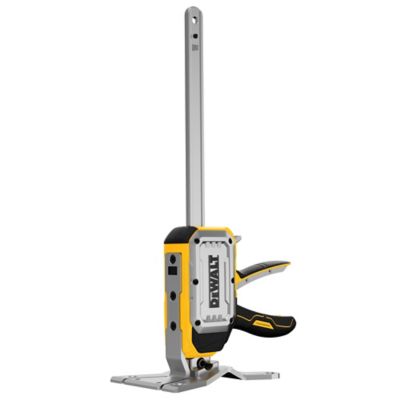
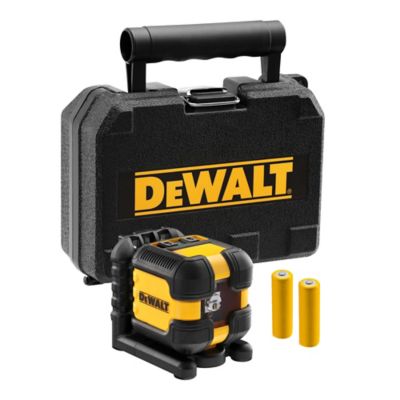
The right tools can make siding installation more manageable, whether you are repairing one wall, updating an outbuilding, or tackling a full exterior with a small crew. Siding work calls for more than a saw and a hammer. Layout tools help keep each course straight, siding gauges or adjustable clamps can support long panels and maintain a consistent reveal, and fastening tools help you move steadily along the wall without fighting every board into place. A siding gauge is especially handy when working alone because it can hold a panel at the proper height while you set fasteners, giving you an extra set of hands when a 12-foot or 16-foot piece is awkward to balance. Look for tools that match the siding material and its thickness, since vinyl, wood, fiber cement, engineered wood and composite panels each have different handling and fastening needs. The reveal—the amount of each course that remains visible—also matters. A gauge designed for a particular range of reveals can help keep the rows uniform from the foundation to the eaves, while an adjustable model offers more flexibility when working with different profiles or replacement material. Before buying, check the tool’s working range, clamping capacity and compatibility with the siding system you plan to install. It is also smart to compare the length and weight of the panels with the support a tool can provide. A sturdy gauge that locks firmly to the previous course can reduce slipping and make it easier to keep seams, corners and trim lines looking tidy.
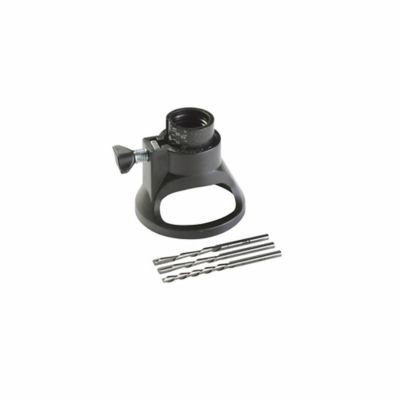
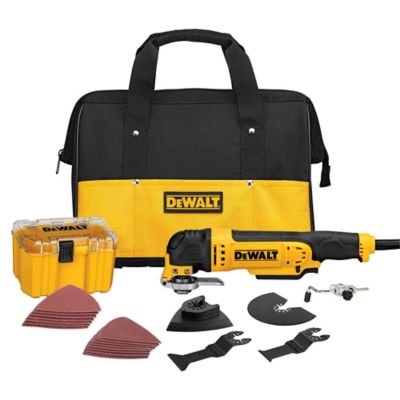
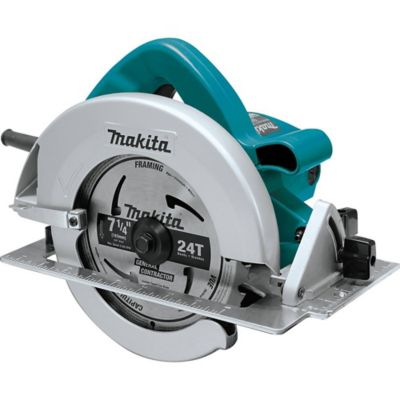
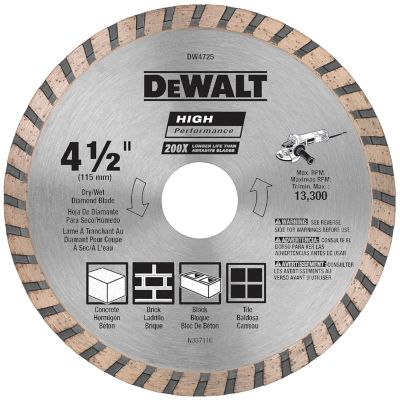
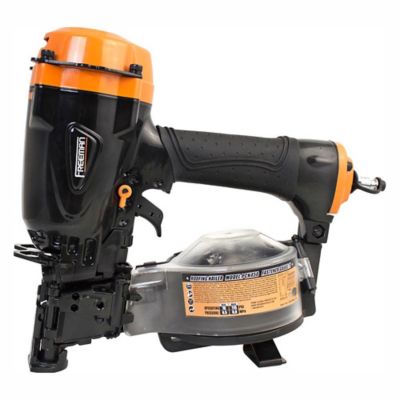
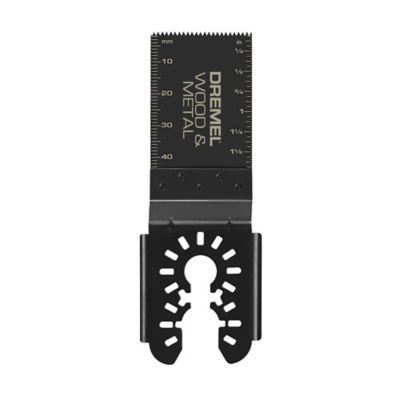
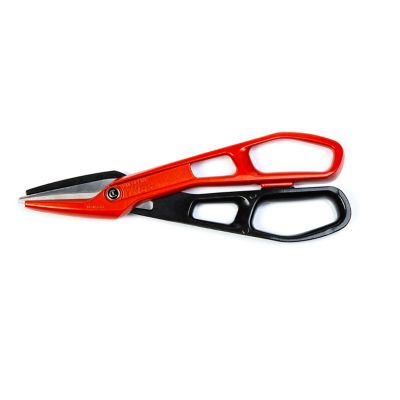
Different stages of siding installation call for different kinds of equipment. Measuring and layout tools help transfer wall dimensions, establish level lines and mark cut locations around windows, doors, outlets and roof edges. Siding cutters, shears and specialty snips can help make clean cuts in thinner materials, while a saw with the right blade may be needed for thicker fiber cement, wood or composite siding. For detailed work around gables, roof pitches and irregular openings, specialty layout tools can help trace angles and scribe a panel so it fits closely instead of leaving a wide, uneven gap. Nailers and other powered fastening tools can speed up repetitive work, especially on larger walls, but the fastener type, depth setting, air supply and recommended pressure should match the material and manufacturer’s installation requirements. A coil-style siding nailer may hold more fasteners and reduce reloads, while a manual hammer or compact fastening tool can be useful for small repairs, tight spaces or jobs where hauling an air compressor is inconvenient. Keep in mind that siding is usually installed to allow a little movement from changing temperatures and moisture, so fasteners should not be driven too tightly unless the installation instructions specifically call for it. The tool should seat the fastener properly without crushing the panel or damaging the face. For metal flashing, trim pieces and custom bends, a set of
Sheet Metal Tools can round out the setup, particularly when the project includes drip edges, window flashing or other details that need careful shaping. Protective equipment belongs in the same toolbox: safety glasses for cutting and fastening, hearing protection around saws and compressors, gloves suited to the material and a dust mask or respirator when the product instructions call for one. A stable ladder, properly positioned scaffolding and a clean work area are just as important as the hand tools.
These tools can be useful for experienced siding installers, general contractors, maintenance crews, rural property owners and do-it-yourselfers who prefer to handle exterior repairs themselves. They also make practical gifts for someone setting up a workshop, maintaining a farmhouse or shop, or preparing to improve a garage, barn office, shed or other structure. A good gift choice depends on the kind of work that person does: a layout tool or siding gauge suits someone beginning a renovation, while specialty cutters, replacement blades or fastening accessories may be more useful to a person who already owns the main equipment. For a solo installer, prioritize lightweight tools that are easy to adjust and dependable support tools that reduce the strain of holding long panels against the wall. With a helper or crew, speed and repeatability may matter more, making powered fastening equipment, extra gauges and clear layout tools worthwhile additions. Exterior work is often easier to organize during mild, dry stretches, but siding repairs and preparation can continue through the cooler months when surfaces are kept dry and materials are stored according to their instructions. Let panels acclimate as recommended, keep tools protected from rain and frost, and avoid cutting or fastening on a slick, unstable surface. Before starting, inspect the wall for rot, moisture damage, loose sheathing and uneven framing, then gather trim, flashing, fasteners and replacement blades so the work does not stall halfway up the wall. Taking a little time to sort tools by task—layout, cutting, fastening and cleanup—can save repeated trips down the ladder and help the finished siding look even from one end of the building to the other. With the proper match between tool, material and installation method, siding equipment can help create straighter courses, cleaner corners and a more durable exterior that stands up to sun, wind, rain and the changing conditions that come with life on the homestead.