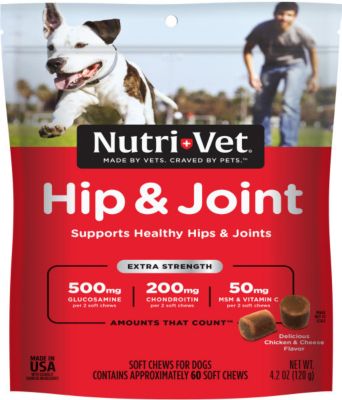
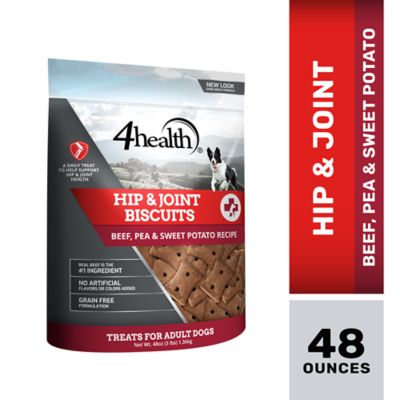
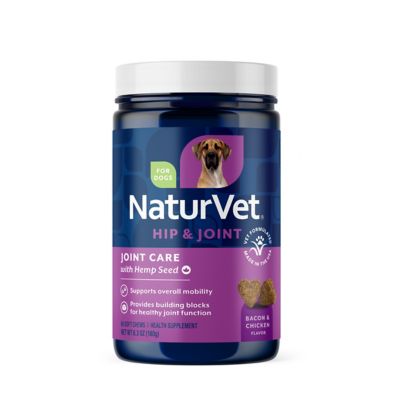
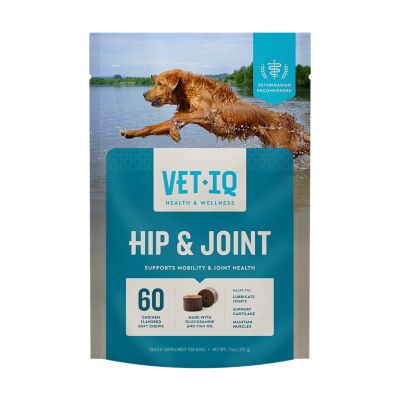
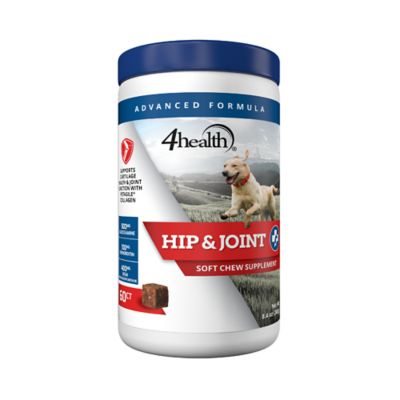
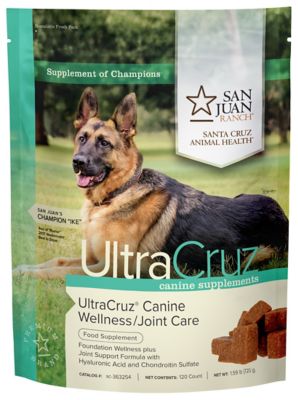
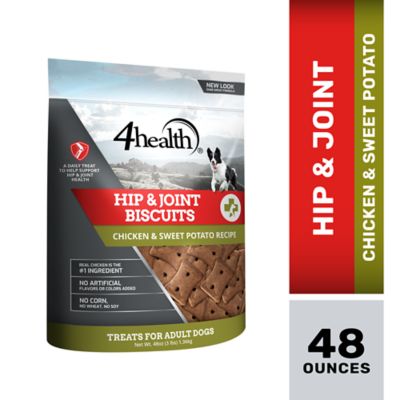
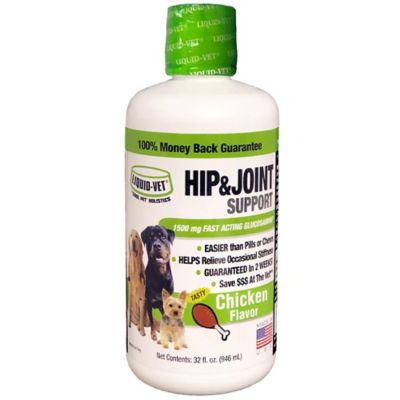
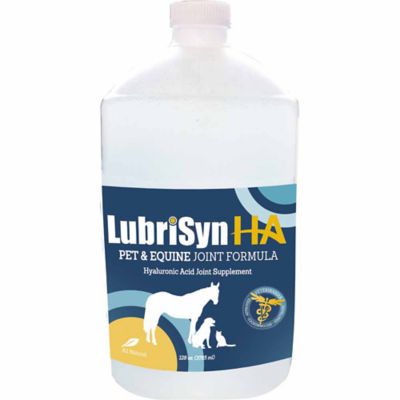
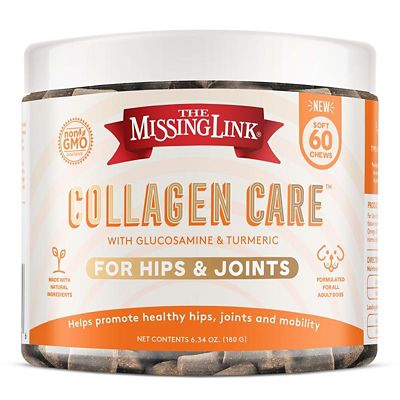
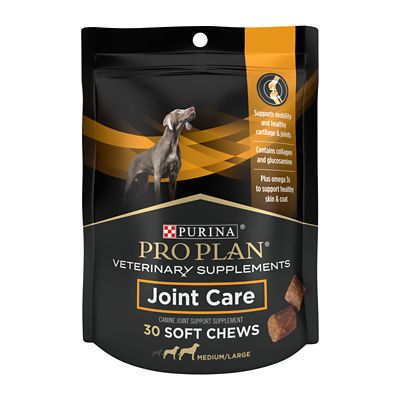
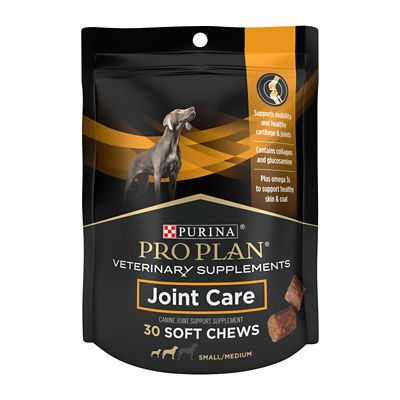
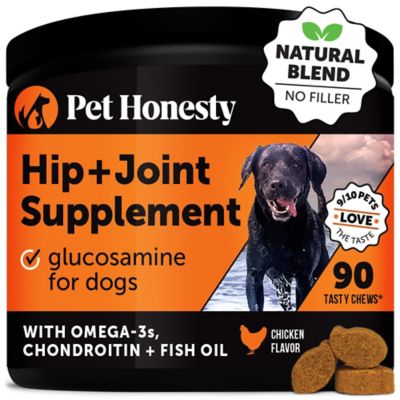
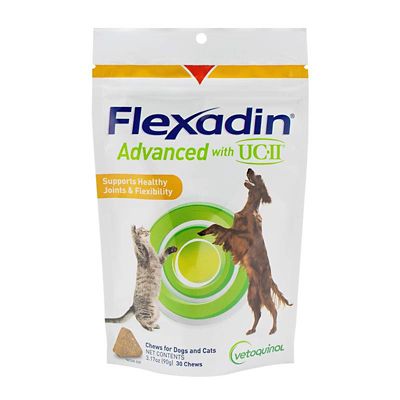
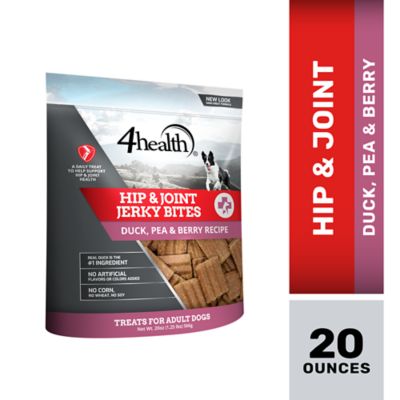
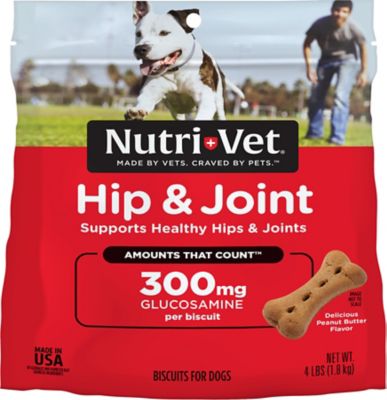
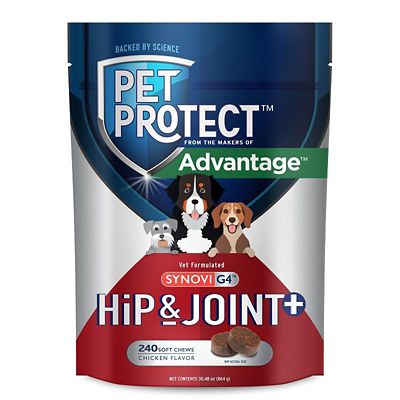
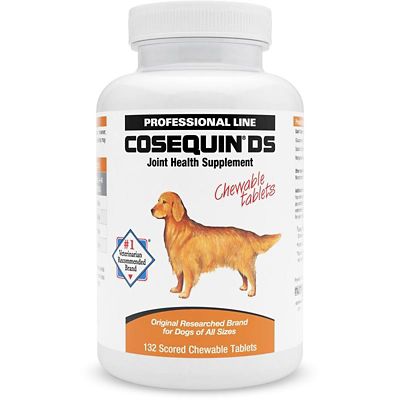
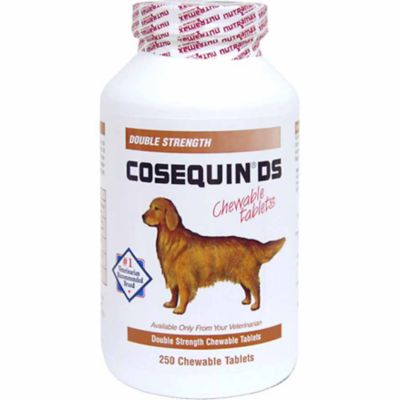
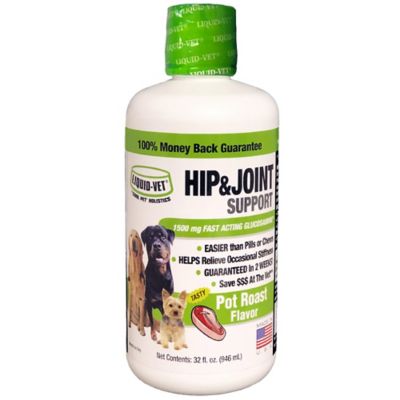
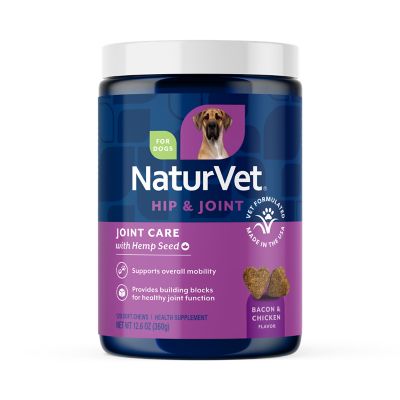
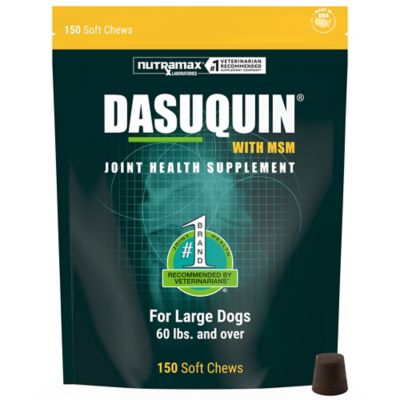
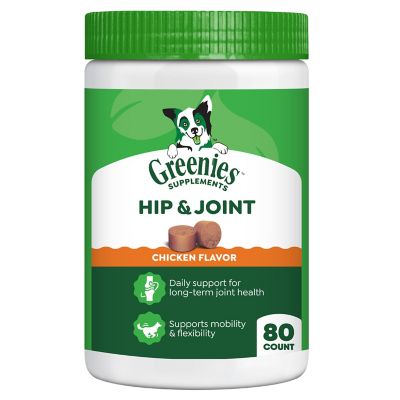
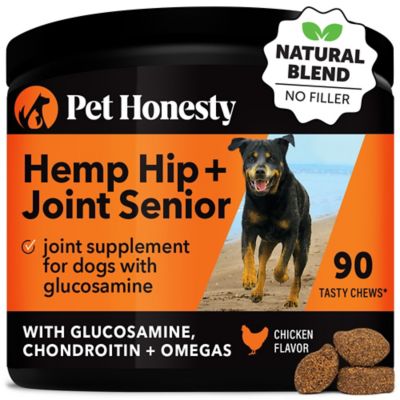
Hip and joint supplements for dogs can be a helpful part of a daily wellness routine for dogs that are getting older, carrying extra weight, working hard, or simply showing less spring in their step. A dog may still be eager to chase a ball across the yard while taking a little longer to rise from the porch, hesitating before climbing stairs, or moving stiffly after a long nap. Joint supplements are commonly used to support cartilage, connective tissue, and comfortable mobility, especially when paired with a healthy weight, regular low-impact activity, and routine veterinary care. They may also be a thoughtful gift for a friend or family member who has a senior dog, a large-breed companion, or an active hunting, herding, or farm dog. Common formulas include soft chews, tablets, capsules, powders, and liquid additions that can be mixed with food. Soft chews are often easy to give to dogs that treat time is a daily ritual, while powders and liquids may work well for picky dogs or households managing several pets. Before choosing a supplement, consider your dog’s age, breed, weight, activity level, and current diet. A young, athletic dog may use a joint supplement as part of everyday maintenance, while an older dog may need a more comprehensive formula chosen with veterinary guidance. Dogs with a history of injury, arthritis, limping, swelling, or sudden changes in movement should be evaluated by a veterinarian rather than treated with supplements alone.
Many hip and joint supplements for dogs contain glucosamine and chondroitin, two familiar ingredients used to support cartilage and the fluid that helps joints move smoothly. Glucosamine is involved in the body’s production of connective-tissue components, while chondroitin helps support the structure and resilience of cartilage. Some formulas add MSM, a sulfur-containing compound that supports connective tissues and a healthy inflammatory response. Omega-3 fatty acids, especially EPA and DHA, are also popular in mobility supplements because they help maintain a balanced inflammatory response and support whole-body wellness. Other ingredients you may see include avocado/soybean unsaponifiables, often called ASU, which are used alongside glucosamine in formulas designed to support cartilage; green-lipped mussel, a marine ingredient that supplies omega-3 fatty acids and other naturally occurring nutrients; and complementary ingredients such as vitamins, minerals, or botanical extracts. Ingredient amounts can vary widely, so compare the active ingredients and serving size rather than relying only on the front of the package. A larger dog may need more than one chew or tablet to receive the listed amount, while a smaller dog may need a lower serving. For additional options made with bigger dogs in mind, explore
Large Breed Dog Joint Supplements. Always follow the package directions based on your dog’s weight, introduce a new supplement as directed, and give it consistently. Joint-support products are generally intended for ongoing use, and results may take time; they are not a quick fix for a painful or injured joint. If your dog takes prescription medicine, has a food allergy, is pregnant or nursing, or has a medical condition, check with your veterinarian before adding a supplement. Your veterinarian can also help you decide whether a formula with glucosamine and chondroitin, MSM, omega-3s, ASU, green-lipped mussel, or another combination makes sense for your dog.
The best choice is one that fits both your dog’s needs and your everyday routine. Look for clear directions, a complete ingredient list, feeding amounts by weight, expiration information, and packaging that helps protect freshness. Quality matters, particularly with oils, powders, and chews containing marine ingredients, so choose products from reputable manufacturers and store them according to the label. If your dog turns up its nose at a tablet, a chewable or food-mixed option may make the routine easier; if treats are already a big part of the day, account for their calories and adjust meals as needed. Keep supplements secured away from curious noses, since a dog may happily eat far more than the recommended amount when a container is left within reach. A steady routine works well for many households: give the serving with breakfast, tuck a chew into an evening reward, or mix a measured powder into the food bowl after a muddy walk. During the warmer season, mobility support can help an active dog stay comfortable while spending more time outdoors, and during cooler months it may be useful for dogs that seem stiff after resting on cold mornings. Even small habits make a difference, such as keeping nails trimmed, providing a firm place to rest, using ramps instead of repeated jumping, and choosing walks that build strength without overdoing hills or hard surfaces. Watch for changes in gait, appetite, energy, or comfort, and contact a veterinarian if stiffness worsens, your dog stops bearing weight, cries out, or has trouble with ordinary activities. With the right product, sensible serving routine, and good day-to-day care, hip and joint supplements can complement a balanced plan for helping dogs move comfortably through their favorite parts of life—from stretching out in the grass to trotting beside you down a familiar gravel road.